Results
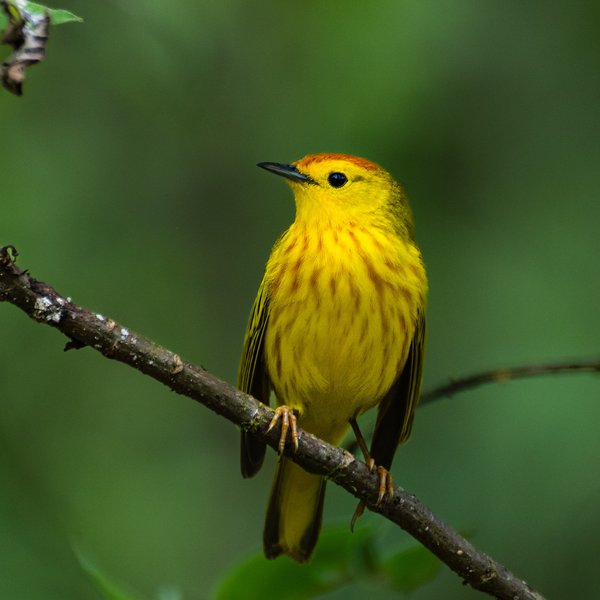
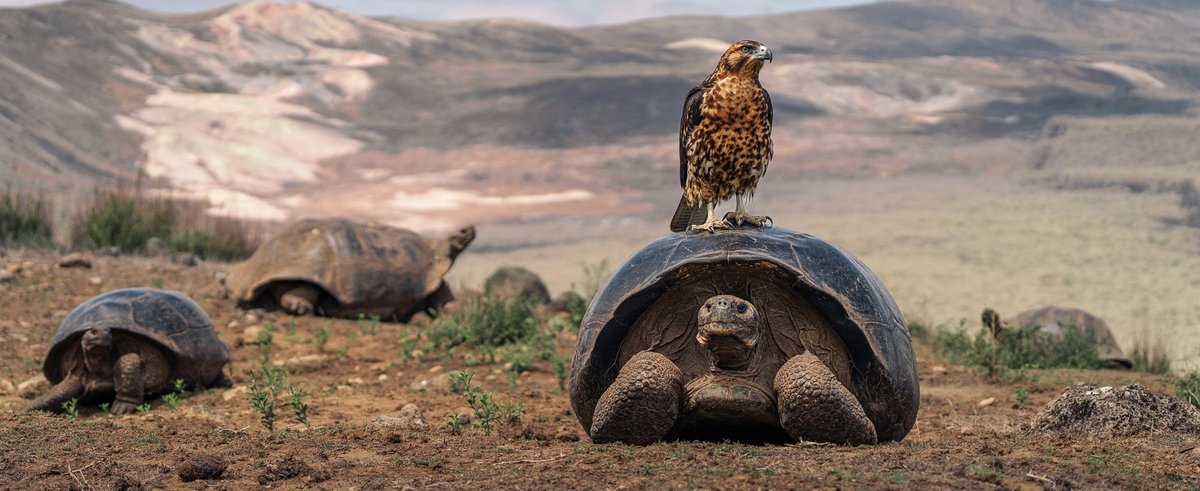
Beneath Galápagos’ iconic birds lies a hidden story of health and survival. A new study reveals the presence of viruses in landbird populations, offering the first baseline of disease risk in these unique species. Discover why monitoring “invisible diseases” is essential to protecting the future of Galápagos biodiversity.
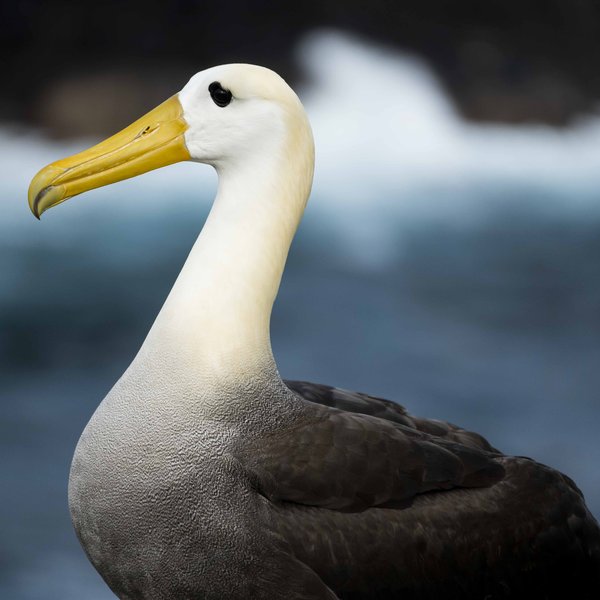
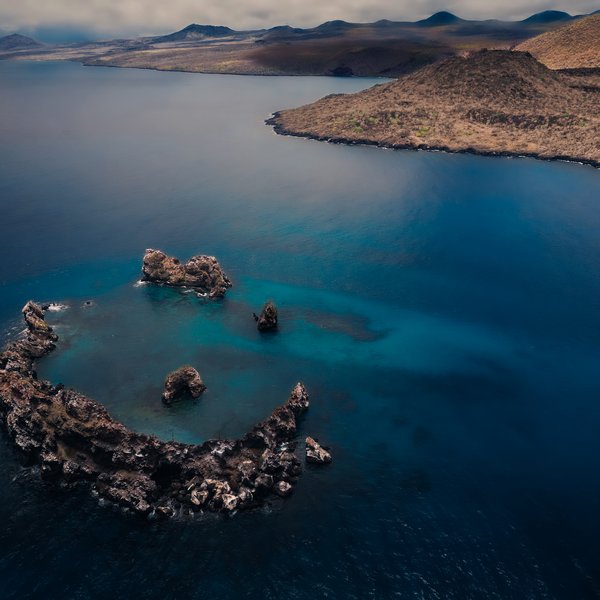
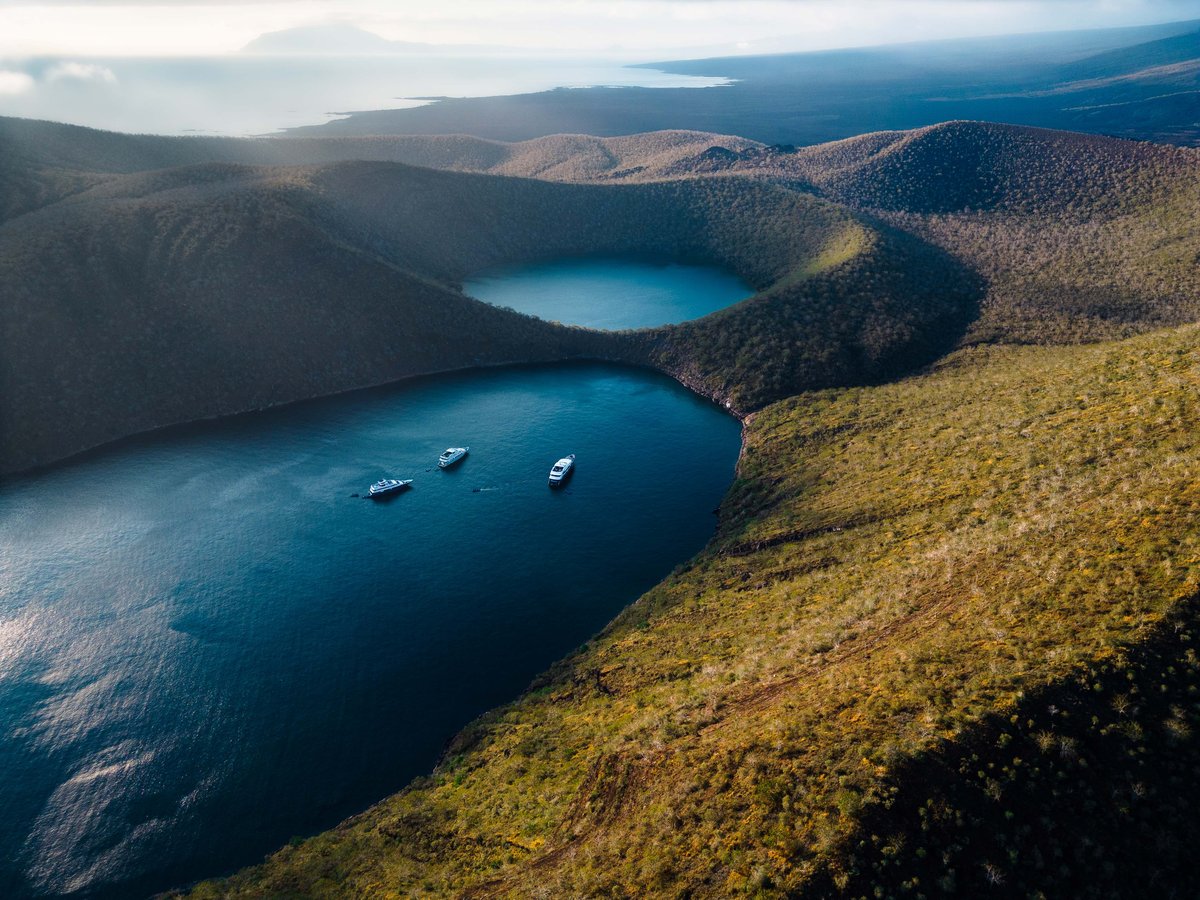
Restoring Floreana isn’t about small plots—it’s about healing an entire island. Discover how large-scale habitat restoration underpins species recovery, why forests like Scalesia matter, and how science, patience, and collaboration are reshaping one of Galápagos’ most ambitious conservation projects—with lessons that could inform island restoration worldwide.
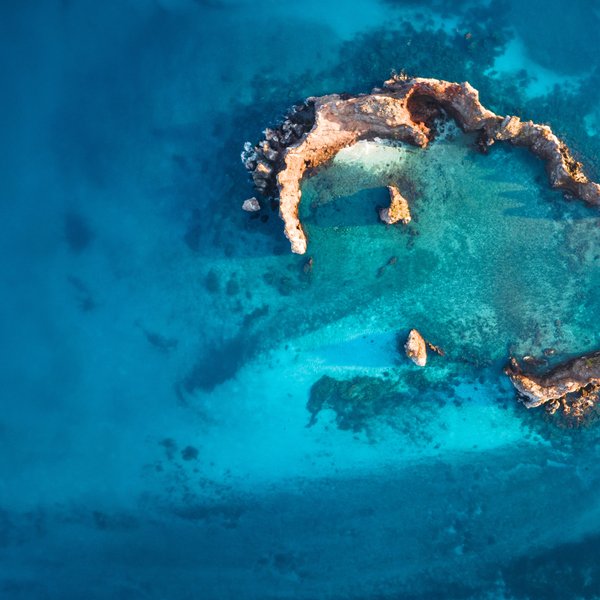
The Charles Darwin Foundation will attend the third UN Ocean Conference and the One Ocean Science Congress in Nice, co-hosting and speaking at events across the Blue and Green Zones. Join us as we highlight marine science, regional collaboration, and urgent action for ocean conservation.
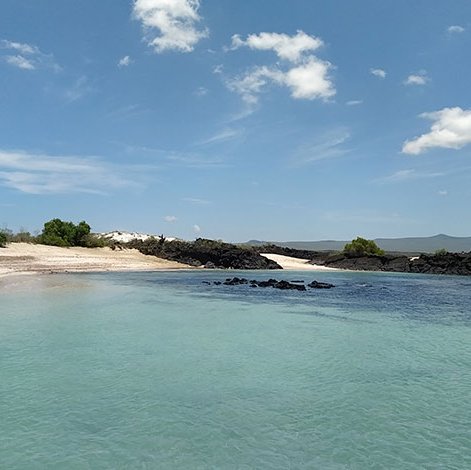

After 20 years, Nancy Tapia Paredes returned to the Galapagos, volunteering at the Community Library on Santa Cruz Island. Through storytelling and environmental education inspired by the UN's Sustainable Development Goals, she rediscovered her passion for conservation and found healing. Discover her story of second chances, growth, and a renewed purpose in protecting this extraordinary place.
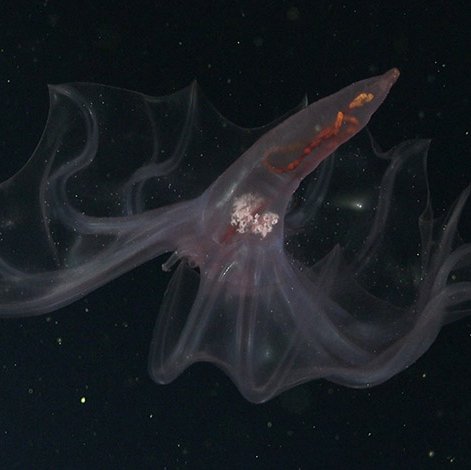
New Initiative Launches to Support Deep Ocean Exploration and Conservation in Galapagos and the Eastern Tropical Pacific
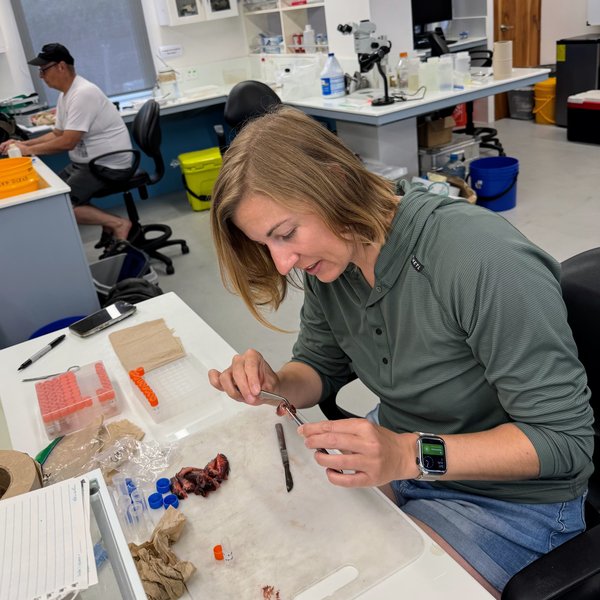
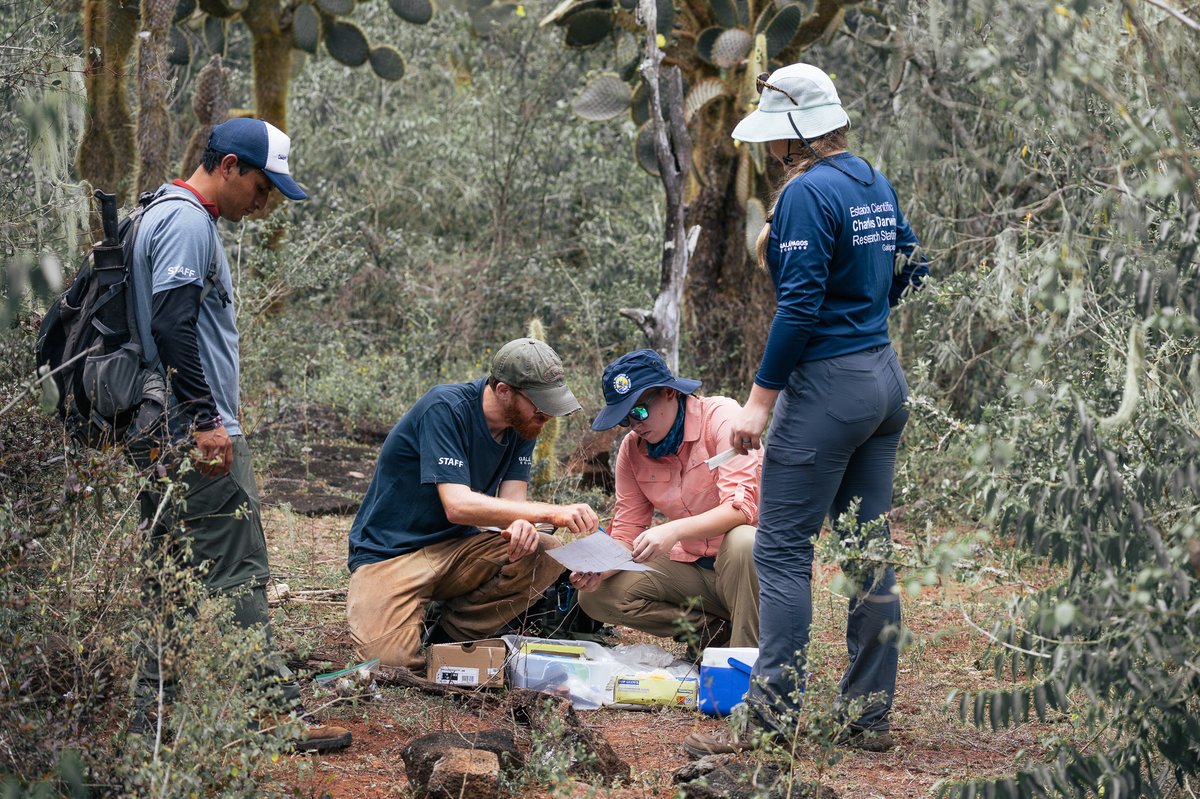
Savanna Barry, a collaborating scientist joined the Charles Darwin Foundation to study invasive frogs, restore endangered Scalesia forests, and dive into coral reef research. From field transects to fish dissections, these field notes reveal the science, mentorship, and conservation challenges shaping the future of the Galápagos.