Home

Results

Carlos Espinosa/CDF
Carlos Espinosa/CDF
Carlos Espinosa/CDF
Carlos Espinosa/CDF
Carlos Espinosa/CDF
Carlos Espinosa/CDF
Carlos Espinosa/CDF
Carlos Espinosa/CDF
Rashid Cruz-CDF
Juan Manuel Garcia-CDF
How to pack for Galapagos

Embarking on a trip to the Galapagos Islands is an unforgettable experience, but packing for it requires some special consideration. To help you prepare, the researchers at the Charles Darwin Foundation have curated the ultimate packing list.

Carlos Espinosa/CDF
The Endemic Galapagos Penguin: Be Part of Its Conservation

Meet the charming Galapagos penguin—the only wild penguin north of the equator and one of the most endangered. Discover how science, conservation, and your support through symbolic adoption can help protect this unique species. Click to learn how you can make a real difference for penguins and the planet.

Elena Espín
Re-encountering Scalesia retroflexa at El Garrapatero

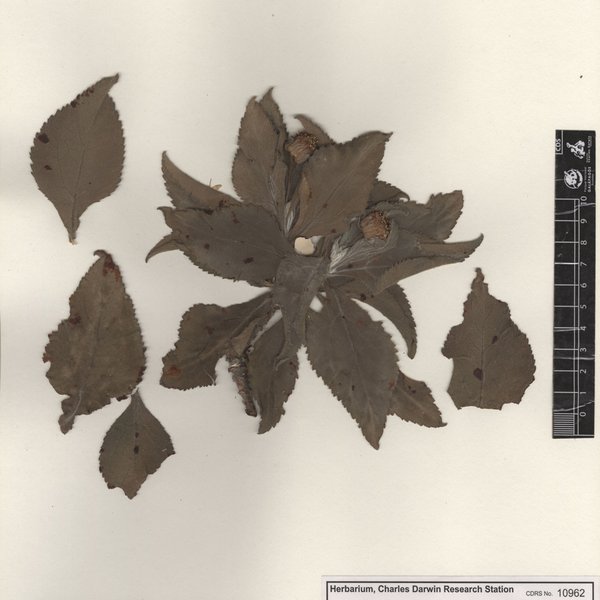
While kayaking along El Garrapatero Beach, a chance sighting led to the re-encounter of Scalesia retroflexa, one of Galápagos’ rarest plants. What began as a weekend outing became a pivotal moment for conservation. Discover how this unexpected find could reshape the future of an endangered species.

Carlos Espinosa/CDF
Roberto Ochoa
Ushering in a New Chapter for Ocean Governance: Ratification of the BBNJ Agreement

Ushering in a new chapter for ocean governance ratification of the BBNJ agreement.

Carlos Espinosa/CDF
Mara Speece CDF
A key season for Landbirds in Galápagos

The Galápagos landbird breeding season (January–April) is critical for conservation. Monitoring and adaptive management, including innovative control of Philornis downsi, are improving nesting success. Early results show population recovery in key species, supported by habitat restoration. Ongoing data collection will determine long-term effectiveness and guide future conservation strategies.

Rashid Cruz/CDF
Floreana Finches "Flight Home": Q&A WITH PROF. SONIA KLEINDORFER

Behind the Floreana Finches "Flight Home": Q&A with biologist Professor Sonia Kleindorfer