Results
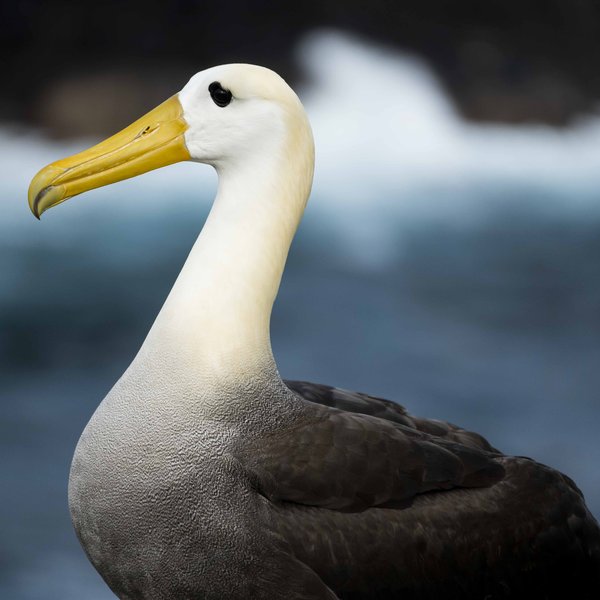
Carlos Espinosa/CDF
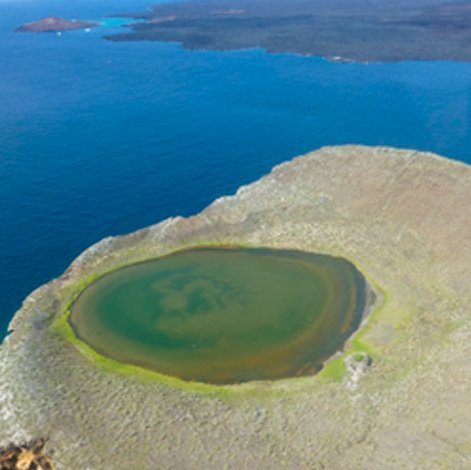
Carlos Espinosa/CDF
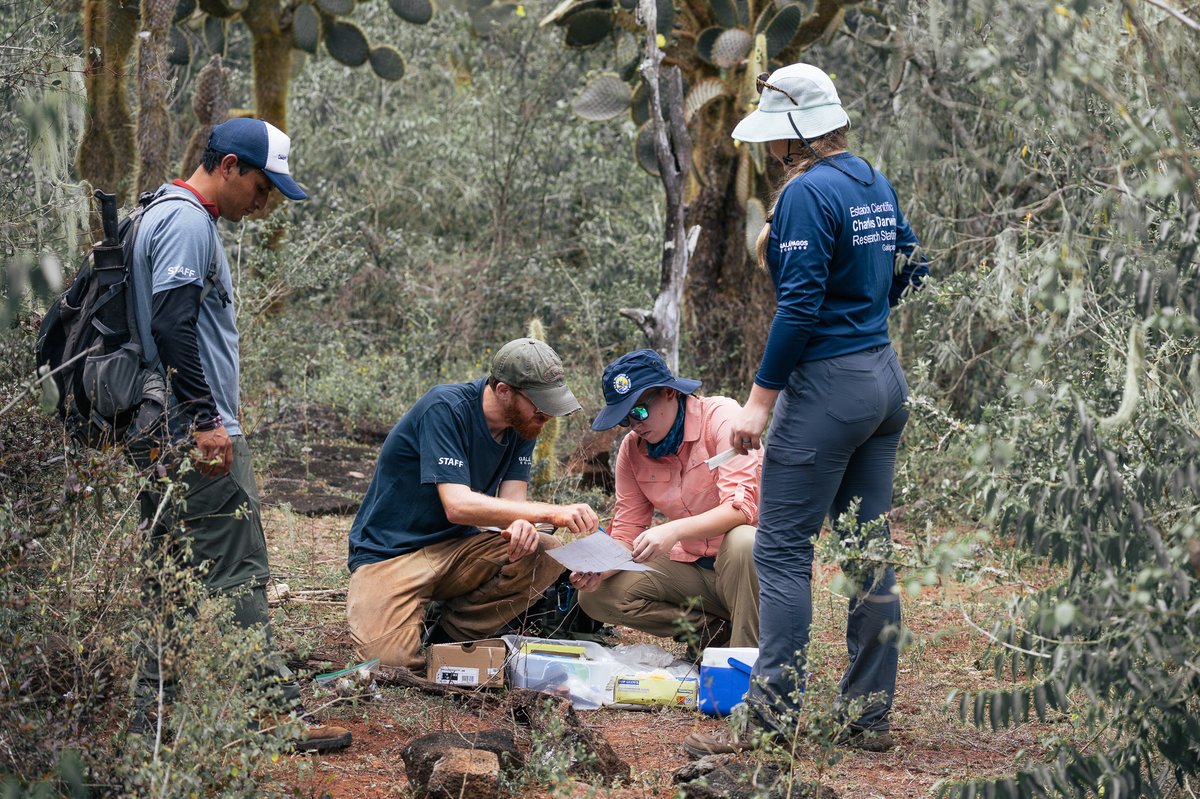
Discover our work conserving key marine species in Galapagos and the Eastern Tropical Pacific.
View our Ocean Programs Deep-ocean exploration & conservation Mangrove Ecology and Climate Change Marine biodiversity research Marine bird conservation Ocean governance Sea turtle conservation Shark ecology and conservationExplore our efforts to safeguard and restore the Galapagos Islands' iconic land-based fauna and flora.
View our Land Programs Conservation of threatened plant species Control of the avian vampire fly Floreana Ecological Restoration Project Giant tortoise conservation Landbird conservation Restoration of Arid Zones Scalesia forest restorationUnderstand how our work is grounded in the benefits nature provides to the people of Galapagos.
View our people programs Education and Community Outreach Sustainable fisheries Sustainability for Conservation Urban and rural restoration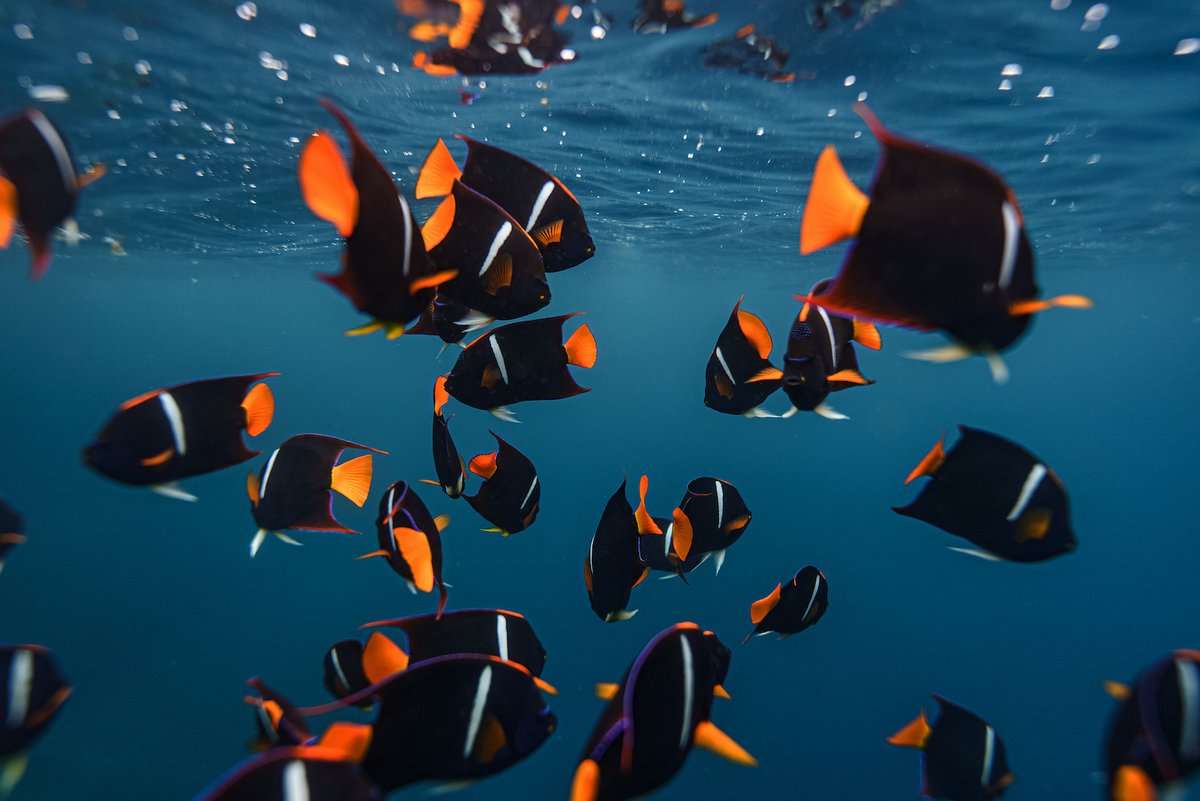
Make a lasting impact in Galapagos. Donate to support our mission and our work.
Donate Give monthly Adopt a speciesThere are a number of other ways you or your organization can contribute to our work.
Leave a legacy gift Become a corporate donor Fundraise for GalapagosThe impact you make in Galapagos is part of a larger footprint. Get involved today.
Meet our donors Become a CDF Ambassador Become a volunteer Send a free e-card! Sign up to our newsletter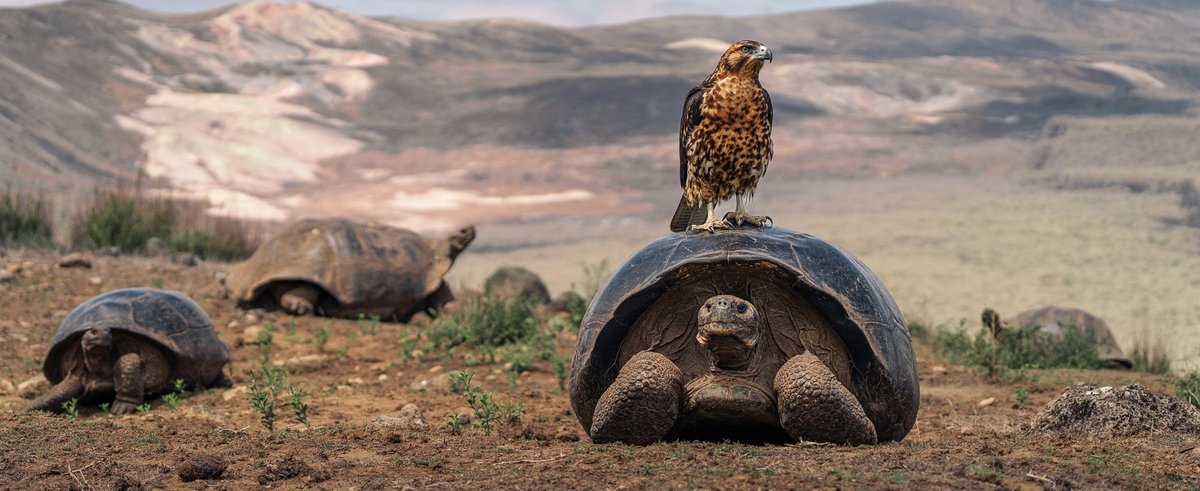
Discover how our science and conservation programs are making a difference for the future of Galapagos.
View moreThe latest news releases from the Charles Darwin Foundation and its Research Station.
View moreExplore firsthand accounts from our researchers, staff, and collaborators in Galapagos.
View moreListen to The Station, where science, conservation, and stories from Galápagos come together.
Listen to our podcast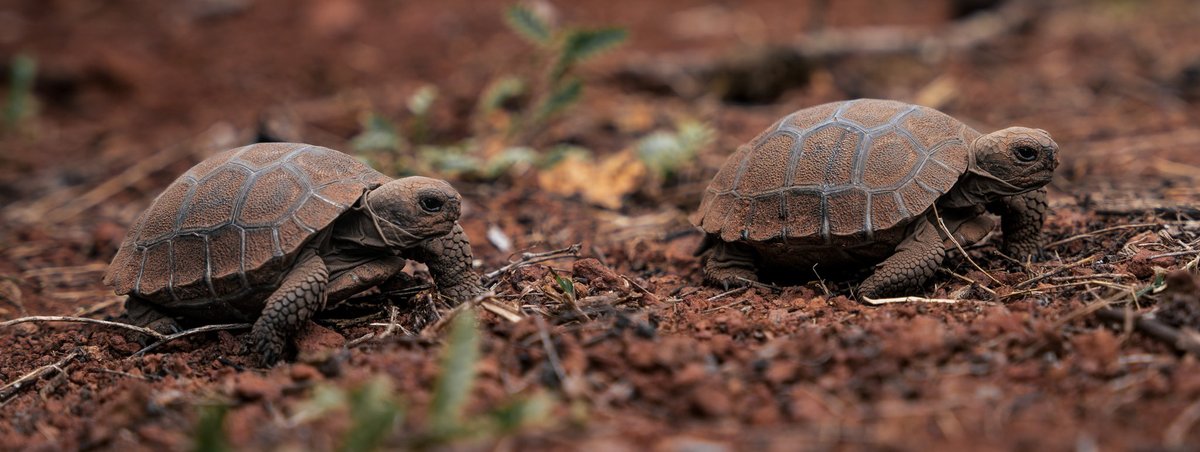
When you travel to Galapagos, you become part of a global effort to protect these iconic islands.
About Galapagos Travel tips How to pack for Galapagos Frequently Asked Questions Galapagos National Park Rules 2026 Cruise with the Grants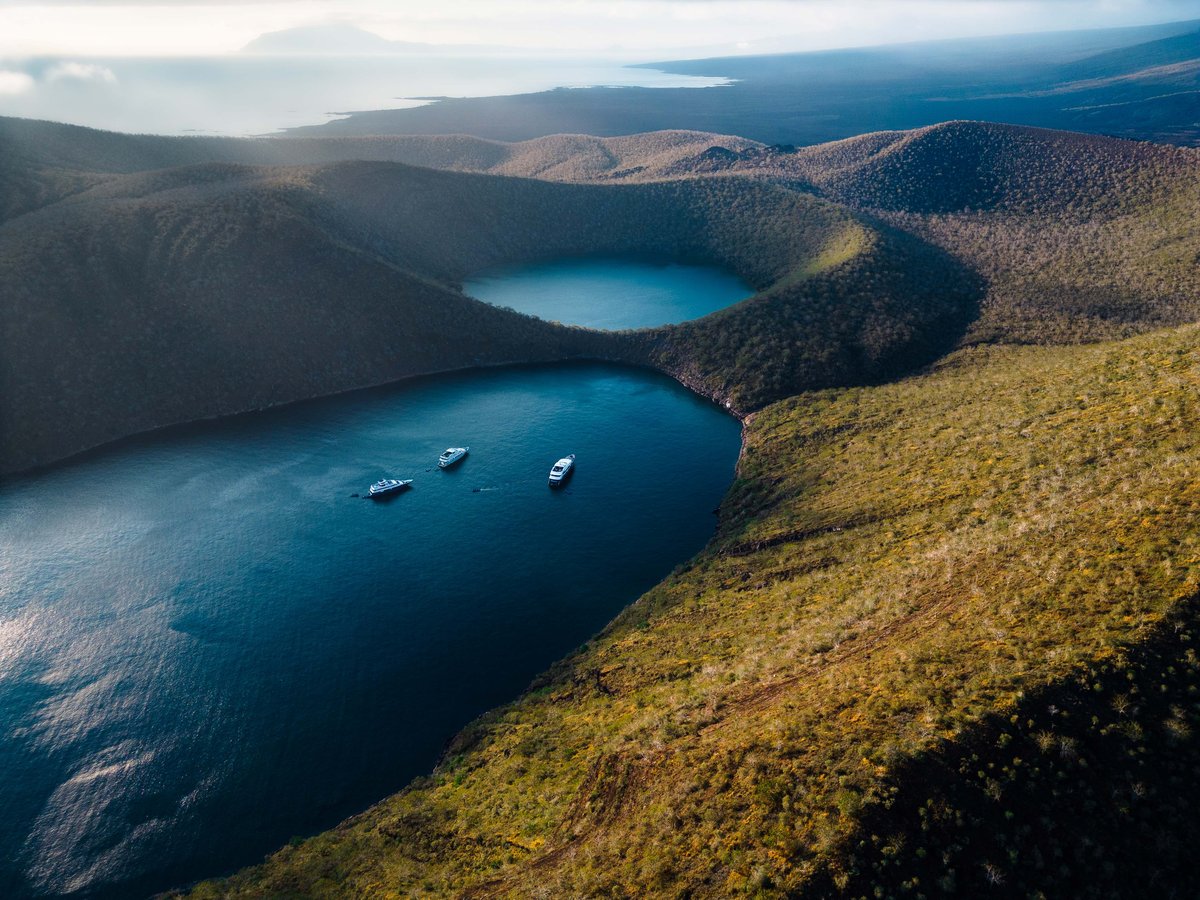
Discover our work conserving key marine species in Galapagos and the Eastern Tropical Pacific.
View our Ocean Programs Deep-ocean exploration & conservation Mangrove Ecology and Climate Change Marine biodiversity research Marine bird conservation Ocean governance Sea turtle conservation Shark ecology and conservationExplore our efforts to safeguard and restore the Galapagos Islands' iconic land-based fauna and flora.
View our Land Programs Conservation of threatened plant species Control of the avian vampire fly Floreana Ecological Restoration Project Giant tortoise conservation Landbird conservation Restoration of Arid Zones Scalesia forest restorationUnderstand how our work is grounded in the benefits nature provides to the people of Galapagos.
View our people programs Education and Community Outreach Sustainable fisheries Sustainability for Conservation Urban and rural restoration
Make a lasting impact in Galapagos. Donate to support our mission and our work.
Donate Give monthly Adopt a speciesThere are a number of other ways you or your organization can contribute to our work.
Leave a legacy gift Become a corporate donor Fundraise for GalapagosThe impact you make in Galapagos is part of a larger footprint. Get involved today.
Meet our donors Become a CDF Ambassador Become a volunteer Send a free e-card! Sign up to our newsletter
Discover how our science and conservation programs are making a difference for the future of Galapagos.
View moreThe latest news releases from the Charles Darwin Foundation and its Research Station.
View moreExplore firsthand accounts from our researchers, staff, and collaborators in Galapagos.
View moreListen to The Station, where science, conservation, and stories from Galápagos come together.
Listen to our podcast
When you travel to Galapagos, you become part of a global effort to protect these iconic islands.
About Galapagos Travel tips How to pack for Galapagos Frequently Asked Questions Galapagos National Park Rules 2026 Cruise with the Grants
Discover our work conserving key marine species in Galapagos and the Eastern Tropical Pacific.
View our Ocean Programs Deep-ocean exploration & conservation Mangrove Ecology and Climate Change Marine biodiversity research Marine bird conservation Ocean governance Sea turtle conservation Shark ecology and conservationExplore our efforts to safeguard and restore the Galapagos Islands' iconic land-based fauna and flora.
View our Land Programs Conservation of threatened plant species Control of the avian vampire fly Floreana Ecological Restoration Project Giant tortoise conservation Landbird conservation Restoration of Arid Zones Scalesia forest restorationUnderstand how our work is grounded in the benefits nature provides to the people of Galapagos.
View our people programs Education and Community Outreach Sustainable fisheries Sustainability for Conservation Urban and rural restoration
Make a lasting impact in Galapagos. Donate to support our mission and our work.
Donate Give monthly Adopt a speciesThere are a number of other ways you or your organization can contribute to our work.
Leave a legacy gift Become a corporate donor Fundraise for GalapagosThe impact you make in Galapagos is part of a larger footprint. Get involved today.
Meet our donors Become a CDF Ambassador Become a volunteer Send a free e-card! Sign up to our newsletter
Discover how our science and conservation programs are making a difference for the future of Galapagos.
View moreThe latest news releases from the Charles Darwin Foundation and its Research Station.
View moreExplore firsthand accounts from our researchers, staff, and collaborators in Galapagos.
View moreListen to The Station, where science, conservation, and stories from Galápagos come together.
Listen to our podcast
When you travel to Galapagos, you become part of a global effort to protect these iconic islands.
About Galapagos Travel tips How to pack for Galapagos Frequently Asked Questions Galapagos National Park Rules 2026 Cruise with the Grants