Results
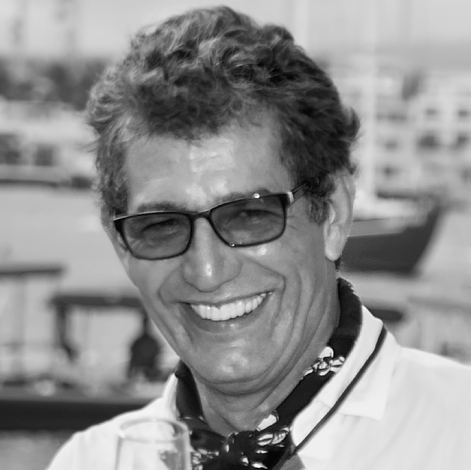
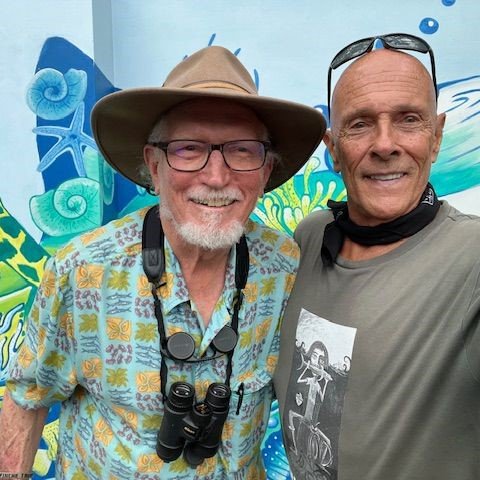
The world conservation movement and the Galapagos Islands lost a passionate supporter, pioneering conservationist, mentor and friend with the death of Dr. Craig George MacFarland in April 2025.
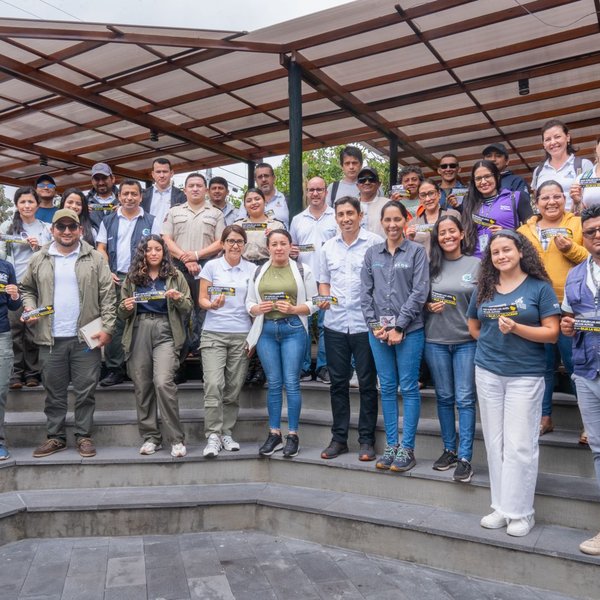
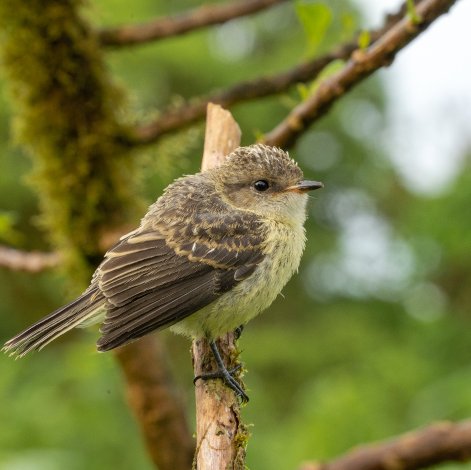
In a joint effort to protect the unique biodiversity of the islands, representatives from the public and private sectors, NGOs, transport cooperatives, and local governments gathered to understand the factors and solutions to reduce bird mortality on the roads of Galápagos caused by vehicles, the road connecting Puerto Ayora to the Itabaca Channel is of great importance as it passes through protected and productive areas of the island.
In a joint effort to protect the unique biodiversity of the islands, representatives from the public and private sectors, NGOs, transport cooperatives, and local governments gathered to understand the factors and solutions to reduce bird mortality on the roads of Galápagos caused by vehicles, the road connecting Puerto Ayora to the Itabaca Channel is of great importance as it passes through protected and productive areas of the island.
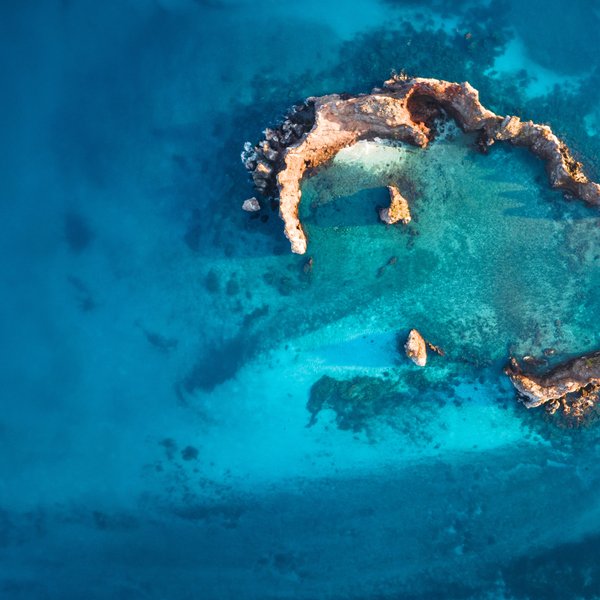
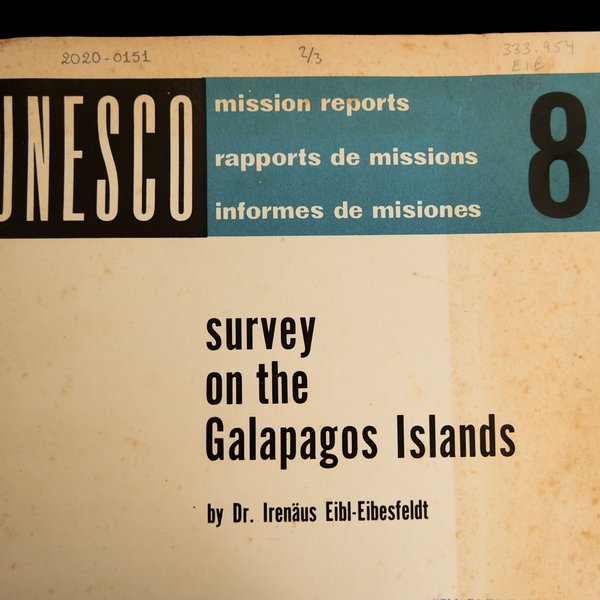
The conservation of Galápagos began in the 1950s, when scientists first raised concerns about threats to the islands’ unique biodiversity. This period led to the creation of the Charles Darwin Foundation and the Galápagos National Park in 1959.
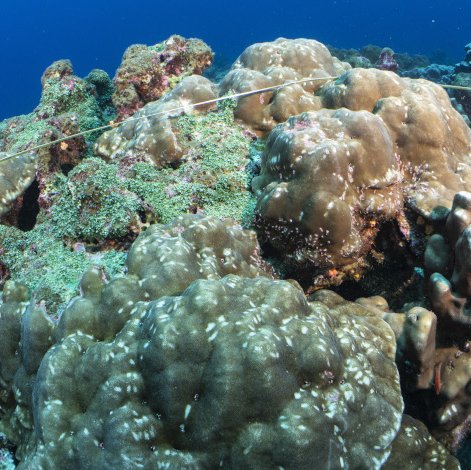
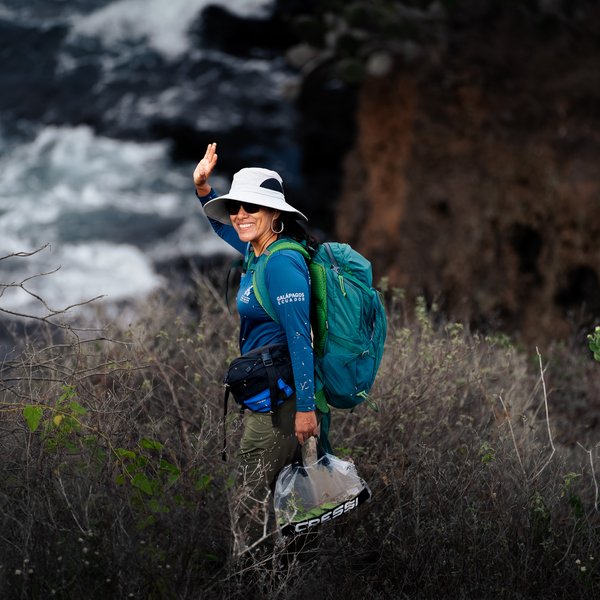
Floreana, the first inhabited island in Galapagos, faces significant environmental challenges due to both direct and indirect human impacts. However, thanks to the coordinated efforts of its community, research groups, local and international conservation organizations, authorities, protected area managers, and donors, it has become a symbol of collective action and hope for the restoration of the archipelago’s biodiversity.
Floreana, the first inhabited island in Galapagos, faces significant environmental challenges due to both direct and indirect human impacts. However, thanks to the coordinated efforts of its community, research groups, local and international conservation organizations, authorities, protected area managers, and donors, it has become a symbol of collective action and hope for the restoration of the archipelago’s biodiversity.
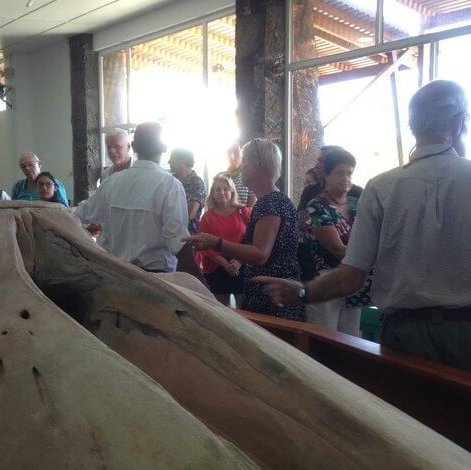
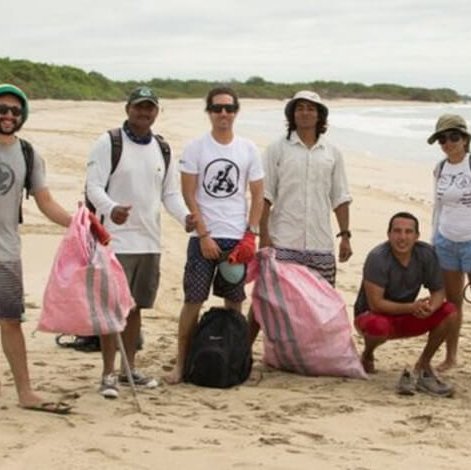
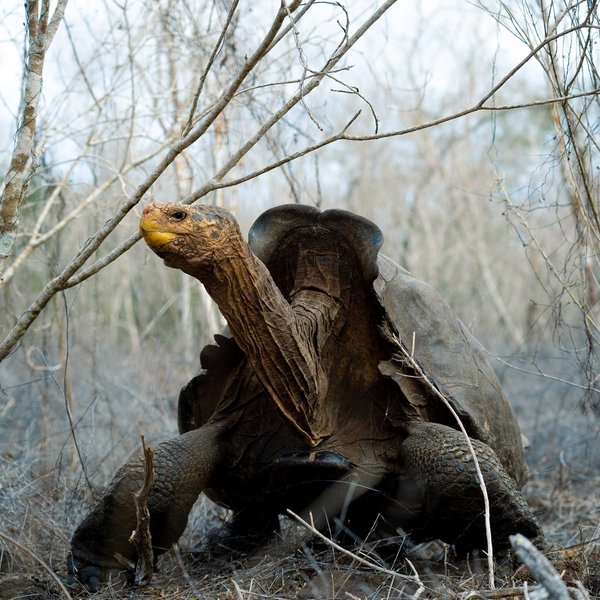
Leave a lasting legacy for Galapagos. Include the Charles Darwin Foundation in your will--free and in your control. Join the Pristine Society.
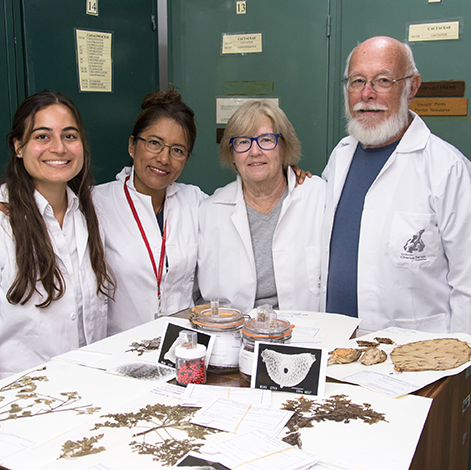

A new regional alliance is opening a window into the deep ocean of the Eastern Tropical Pacific, one of the least explored parts of our planet. By joining scientific expertise, conservation action, and international collaboration, this initiative aims to generate the knowledge needed to better protect vast marine ecosystems and inform ocean stewardship.
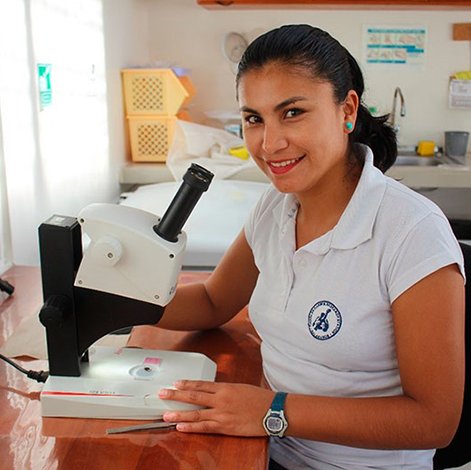
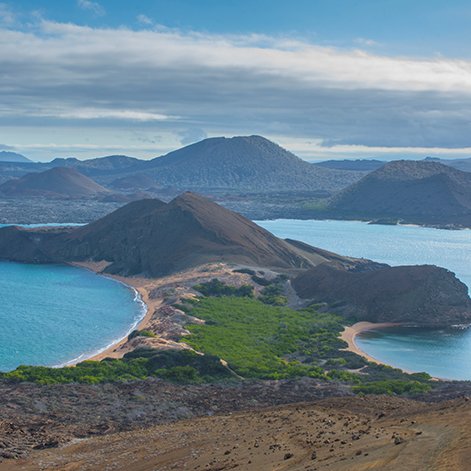
October 3, 2023, marks the beginning of the implementation phase of the Floreana Ecological Restoration Project, the largest and most ambitious restoration initiative currently underway in the Galapagos Islands.