Results
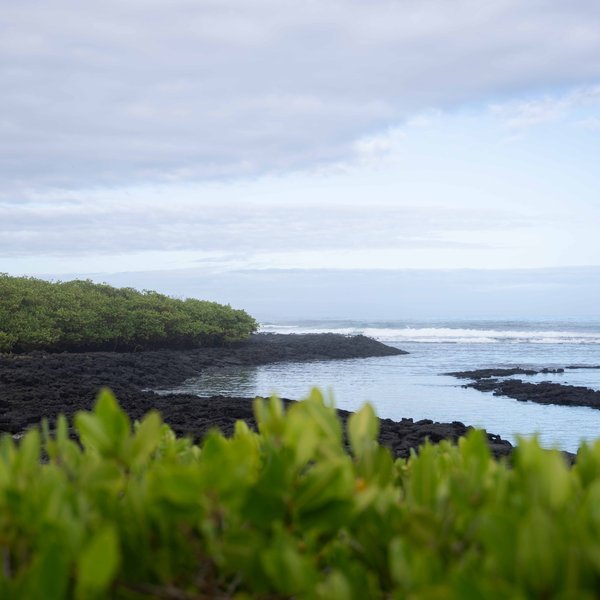
Scientists from the Charles Darwin Foundation (CDF) have, for the first time, assessed the conservation status of mangrove ecosystems in the Galápagos Islands using the Red List of Ecosystems methodology developed by the International Union for Conservation of Nature (IUCN). The study concludes that this ecosystem is classified as Vulnerable, underscoring the urgency of its conservation. The full report is available in the EcoEvoRxiv repository.
Scientists from the Charles Darwin Foundation (CDF) have, for the first time, assessed the conservation status of mangrove ecosystems in the Galápagos Islands using the Red List of Ecosystems methodology developed by the International Union for Conservation of Nature (IUCN). The study concludes that this ecosystem is classified as Vulnerable, underscoring the urgency of its conservation. The full report is available in the EcoEvoRxiv repository.
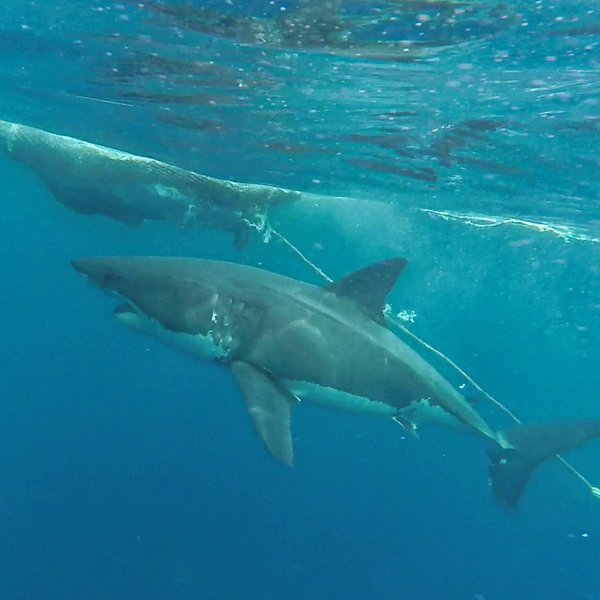
Researchers from the Charles Darwin Foundation and the Galapagos National Park have published the first confirmed record of a white shark in Ecuadorian waters. The encounter, roughly ninety kilometers west of Wolf Island and outside the Galapagos Marine Reserve (GMR), marks an unusual sighting of this species in the Eastern Tropical Pacific, where sightings south of Mexico's coastline are exceptionally rare.
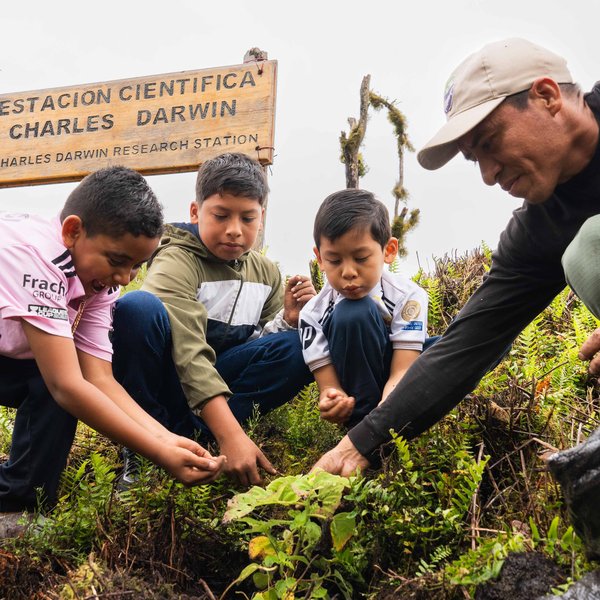
Discover the revival of Isabela Island’s historic Children’s Forest, a once-forgotten sanctuary of the endangered Scalesia cordata. From its origins with Don Jacinto to today’s community-led restoration, this story reconnects generations through conservation, memory, and hope. Click to explore how a beloved forest is coming back to life.

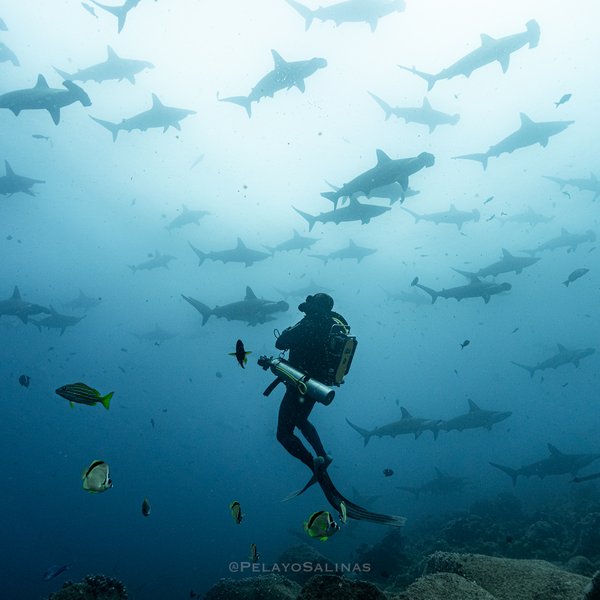
Scientists from the Charles Darwin Foundation’s shark ecology and conservation program and collaborators, have published what is likely the first-ever scientifically recorded birthing migration for the critically endangered scalloped hammerhead shark (Sphyrna lewini).
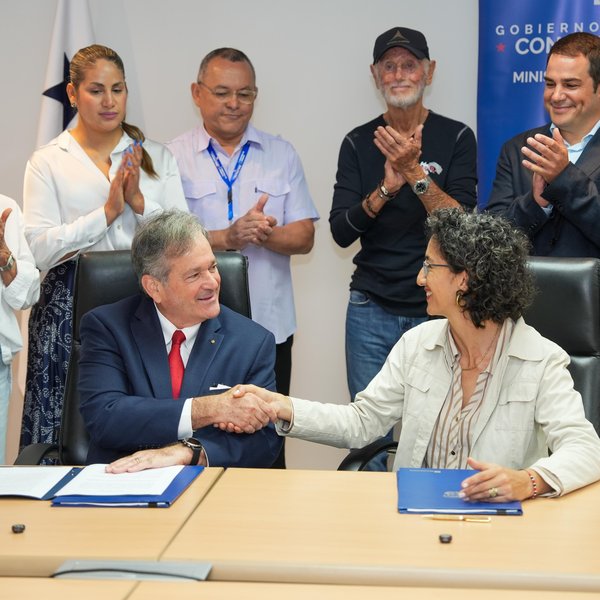
The Ministry of Environment of Panama and the Charles Darwin Foundation signed a Memorandum of Understanding to strengthen the transboundary protection of the migratory scalloped hammerhead shark and advance the recovery of their populations within the Eastern Tropical Pacific.
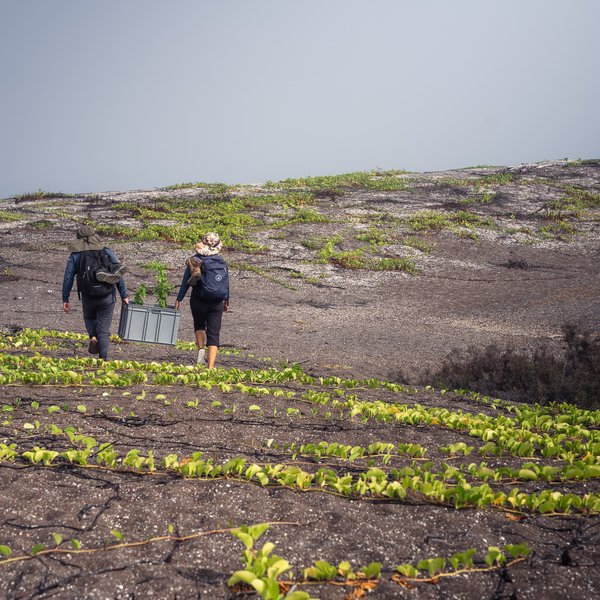
Once on the brink of extinction, the Galápagos snapdragon (Galvezia leucantha) is showing encouraging signs of recovery after 30 years of conservation. From just six surviving plants to 28 adults today, science, restoration and collaboration are helping bring this critically endangered species back to its historic habitat. Discover its remarkable journey.
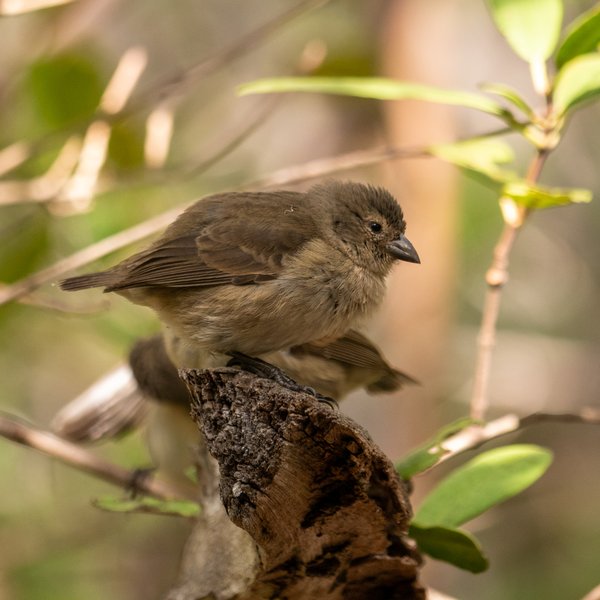
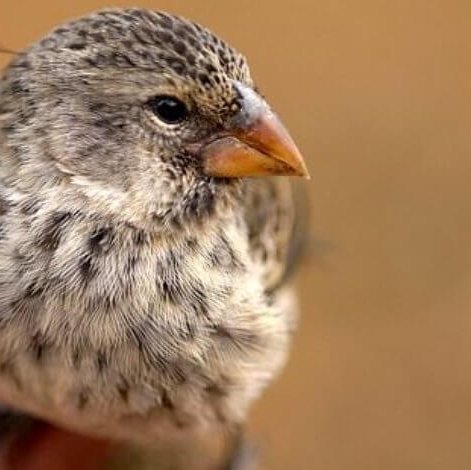
This year’s breeding season brought record success for the Little Vermilion Flycatcher with 39 fledglings, while the Critically Endangered Mangrove Finch continues to be a conservation priority. Discover how science, habitat restoration, and innovation are reshaping the future of Galápagos birds—and why this season marks a breakthrough in conservation.
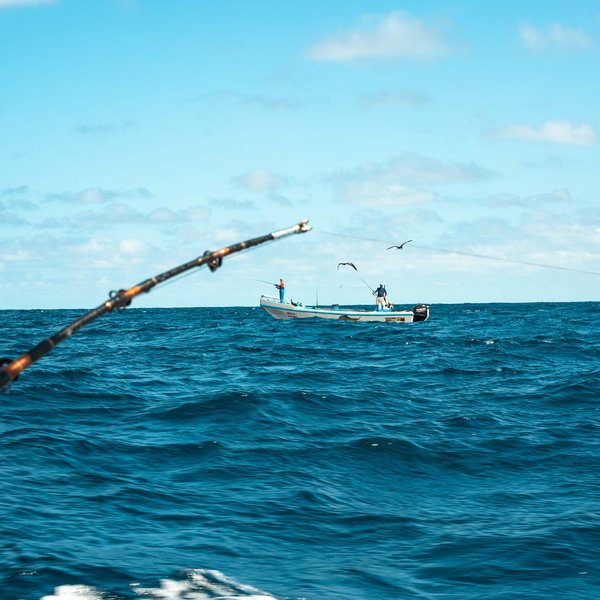
Discover how Galápagos waters fuel Ecuador’s economy and fight climate change. A groundbreaking study by CDF and partners reveals the immense value of marine ecosystems—from carbon-storing mangroves to booming tourism and fishing industries. Learn why protecting these waters is essential for sustainable development and global conservation efforts.
Galápagos landbirds soar to new heights.
This year’s breeding season brought record success for the Little Vermilion Flycatcher and cautious hope for the Critically Endangered Mangrove Finch. Discover how science, habitat restoration, and innovation are reshaping the future of Galápagos birds—and why this season marks a breakthrough in conservation.

The Charles Darwin Foundation (CDF) is excited to launch its Ambassador Program, a platform for passionate advocates who share our vision of protecting the Galapagos Islands—one of our planet’s most extraordinary natural treasures—through science and conservation action.
The Charles Darwin Foundation (CDF) is excited to launch its Ambassador Program, a platform for passionate advocates who share our vision of protecting the Galapagos Islands—one of our planet’s most extraordinary natural treasures—through science and conservation action.
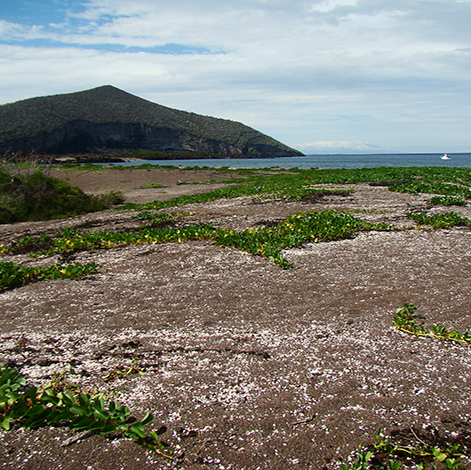

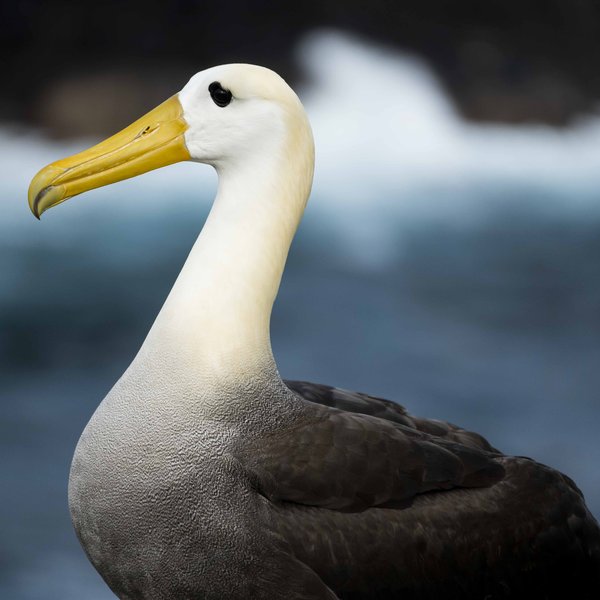
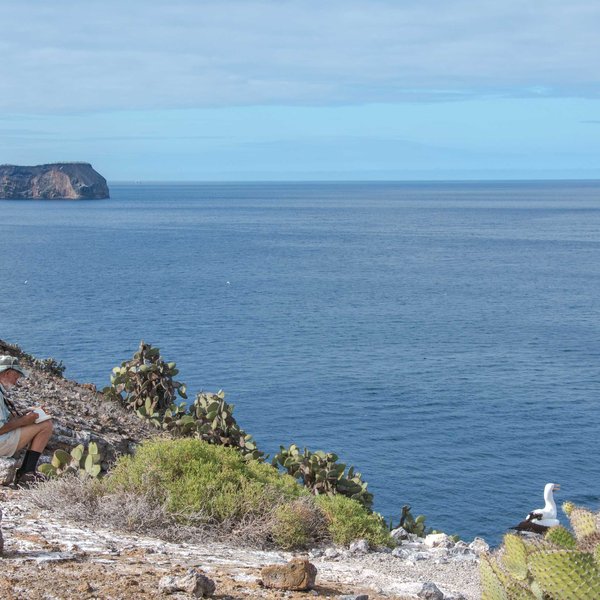
In 1973, evolutionary scientists Peter Grant and Rosemary Grant began a research project in the Galápagos Islands that would permanently change the modern understanding of evolution.
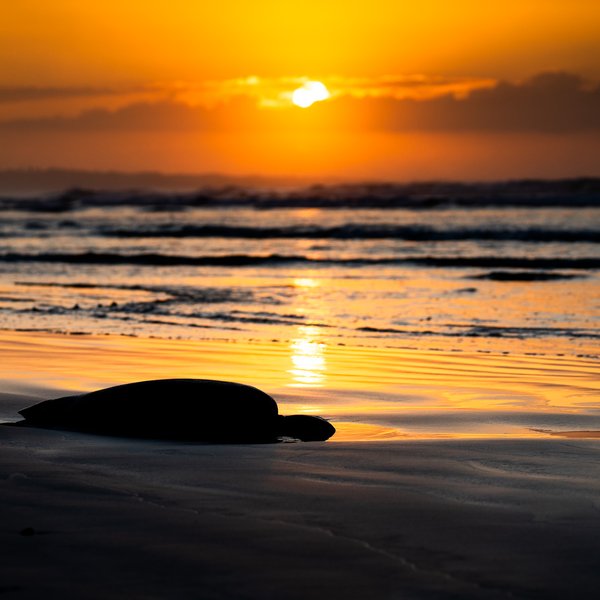
The Charles Darwin Foundation and Oceans Finance Company are delighted to announce a strategic partnership aimed at advancing crucial long-term conservation initiatives to enhance resilience to climate change in the archipelago and surrounding areas.