Results
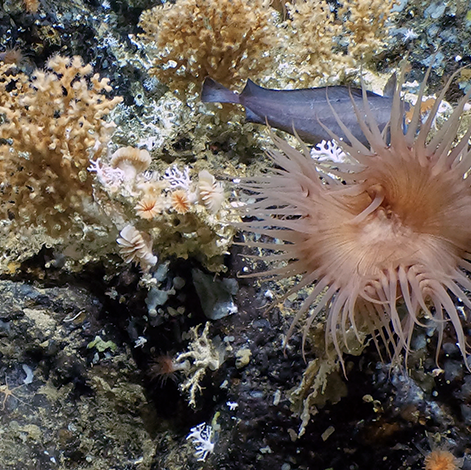
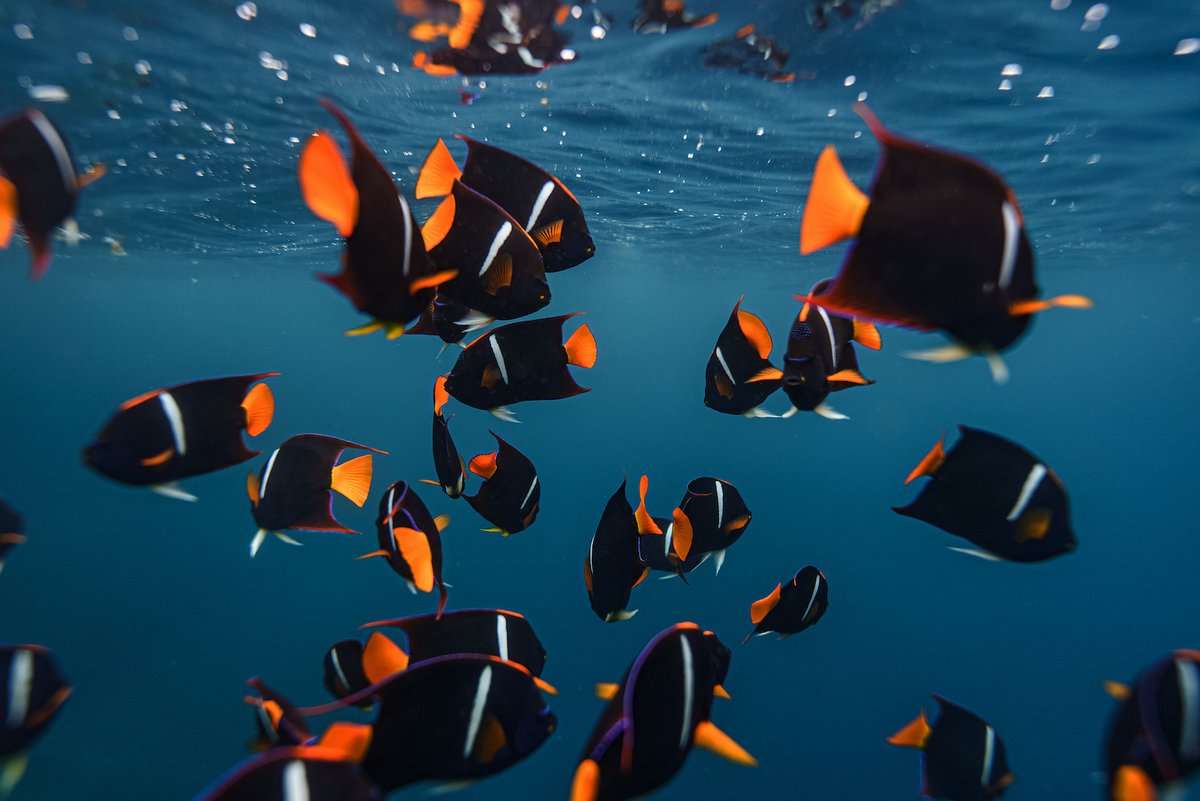
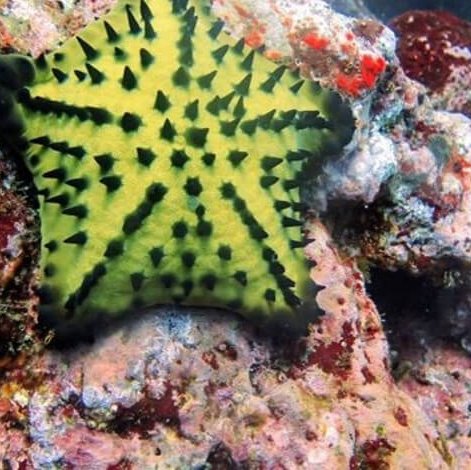
Scientists have discovered extensive, ancient deep-sea coral reefs within the Galápagos Marine Reserve (GMR) – the first of their kind ever to be documented inside the marine protected area (MPA) since it was established in 1998. The first reef observed was found at 400-600m (1,310-1,970 feet) depth at the summit of a previously unmapped seamount in the central part of the archipelago and supports a breathtaking mix of deep marine life.
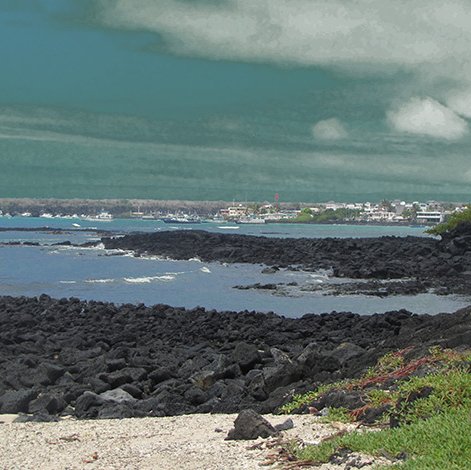
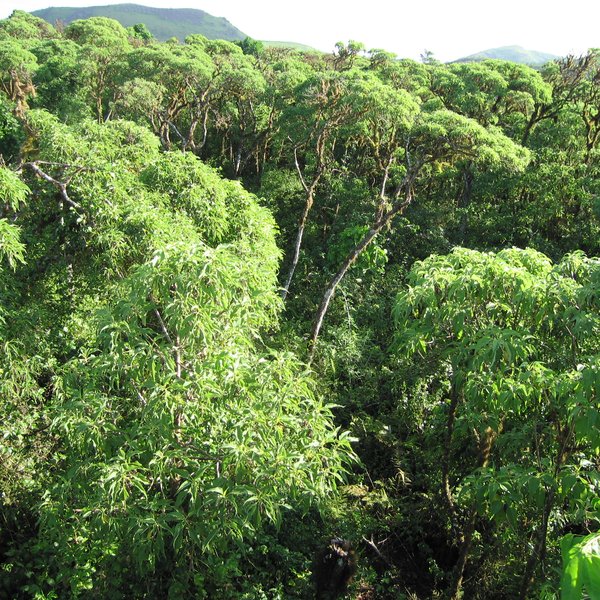
Study reveals urgent need for large scale invasive species management to prevent extinction of endemic forest in the Galapagos Islands
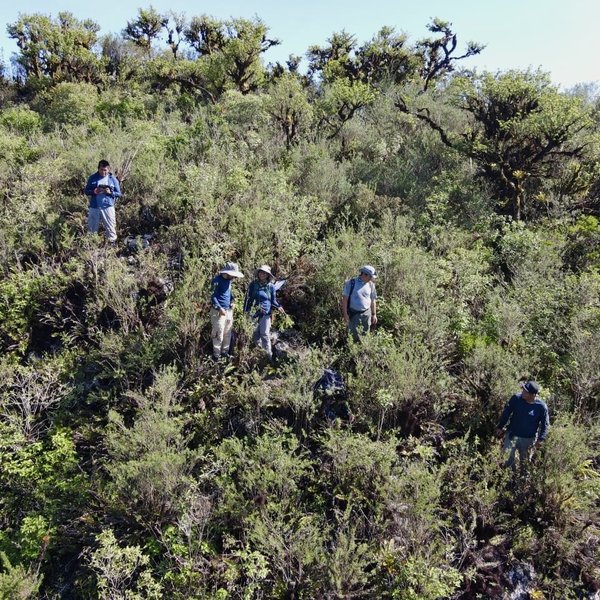
More than half of the endemic plant species in Galapagos are currently classified as threatened. The potential loss of these imperiled species not only disrupts ecosystem integrity, but also jeopardizes the survival of iconic native fauna that depend on it. We are updating the IUCN Red List of endangered plant species of Galapagos in order to enable targeted species conservation actions.
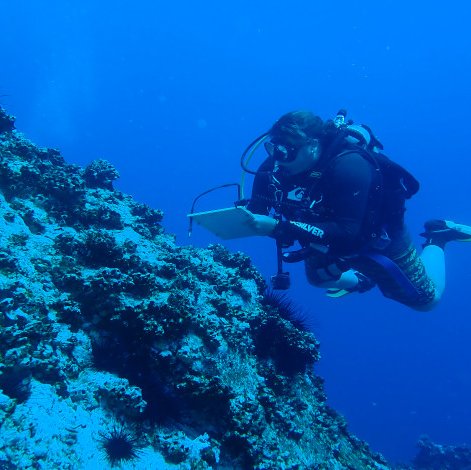
The CDF joins the Island-Ocean Connection Challenge to Implement Community-Based Monitoring and Safeguard Island Ecosystems
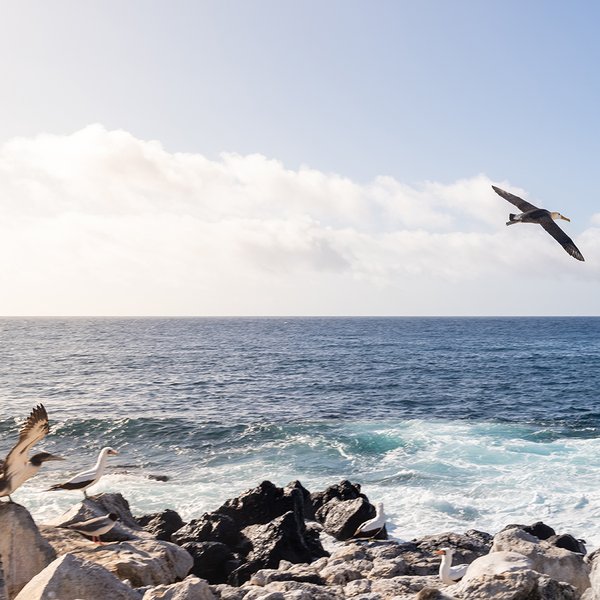
Possibly best known for its remoteness, giant tortoises and links with Charles Darwin, the Galápagos Islands—600 miles off the Ecuadorian coast—are also home with the magnificent Waved Albatross (Phoebastria irrorate), a huge bird that nests there and raises its young during nine months of the year. The largest bird in the Islands, it is the only albatross that lives in the tropics.
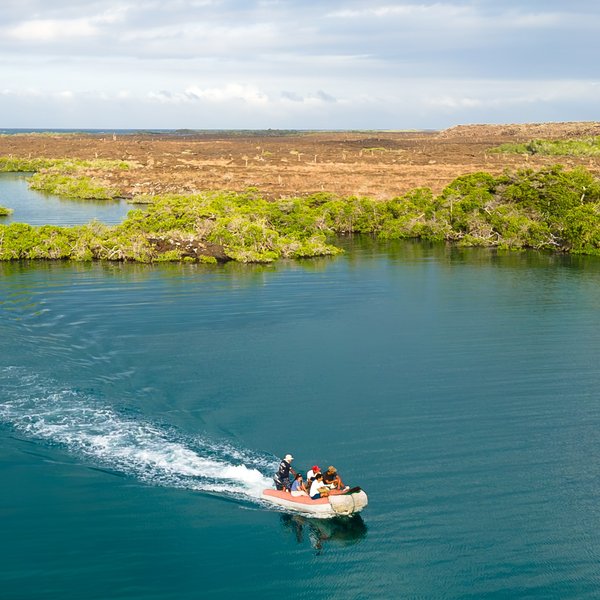
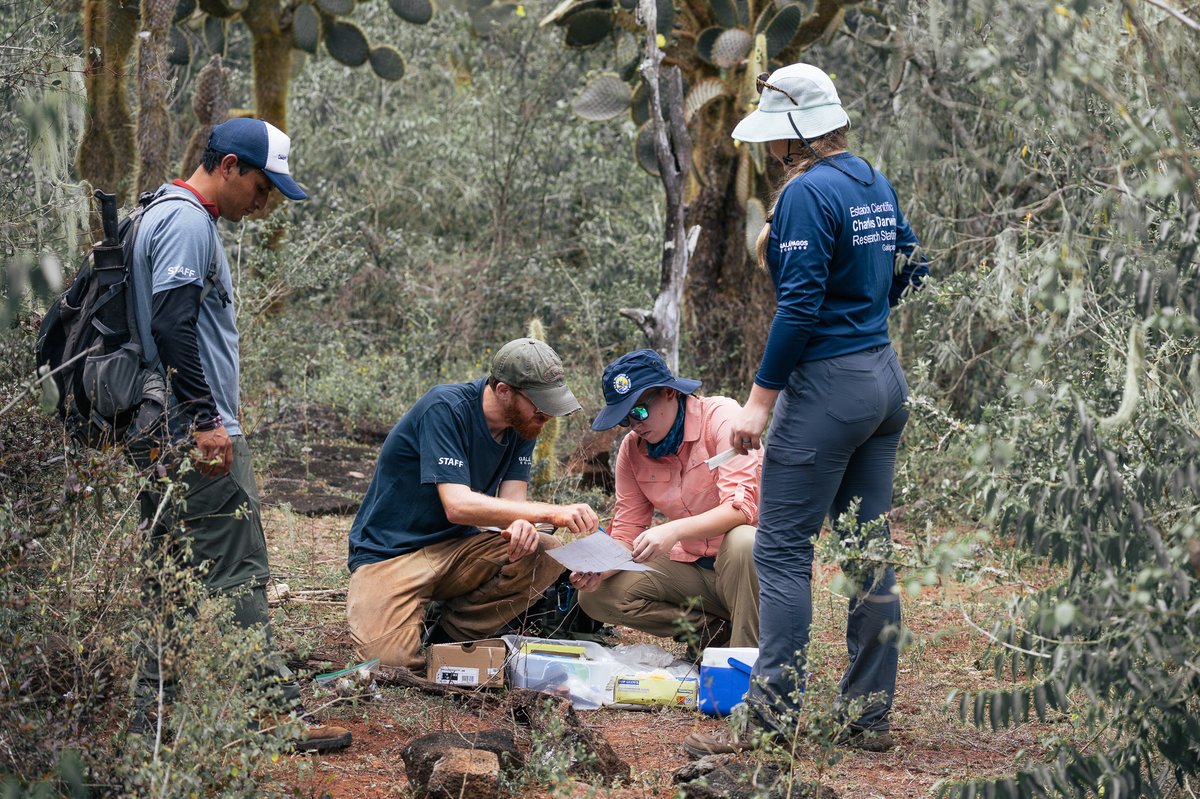
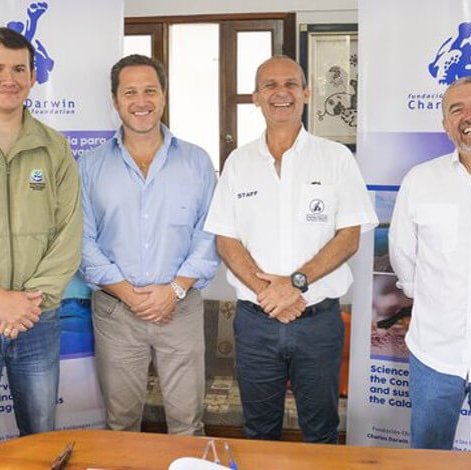
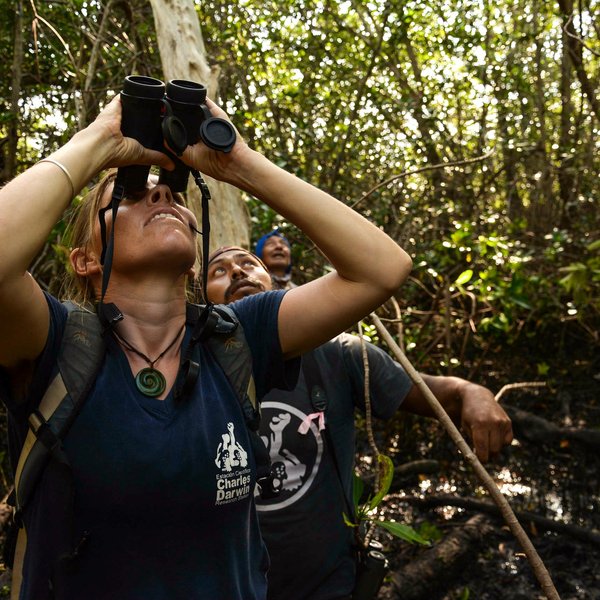
For more than 60 years, the research undertaken at the Charles Darwin Foundation has focused on furthering our understanding of the natural systems, their relationship with those living in the archipelago, and the intricate and relationship with those living in the archipelago, and the intricate and delicate balance between climate, mankind, and nature. Major research efforts have also focused on the prevention, control, and eradication of invasive species to maintain Galapagos as one of the best-conserved archipelagos in the world.
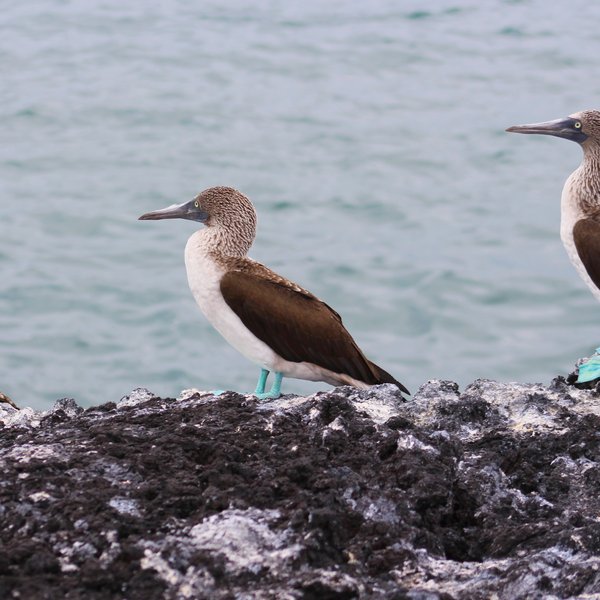
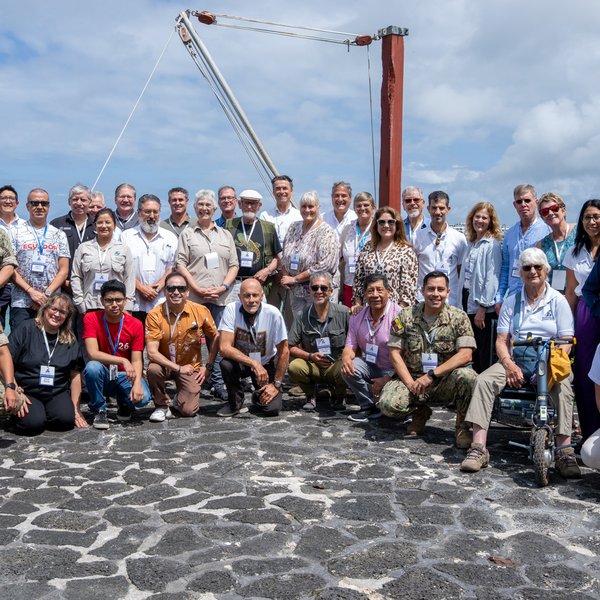
Since 1959, the Charles Darwin Foundation has been on the frontlines of scientific research and conservation action in the Galapagos Islands. Join us on our mission to safeguard one of our planet’s most important natural treasures Discover our research and conservation programs today.
Since its inception in 1971, our Scholarship Program has enabled over 250 students from Galapagos to complete their education and pursue careers in conservation.
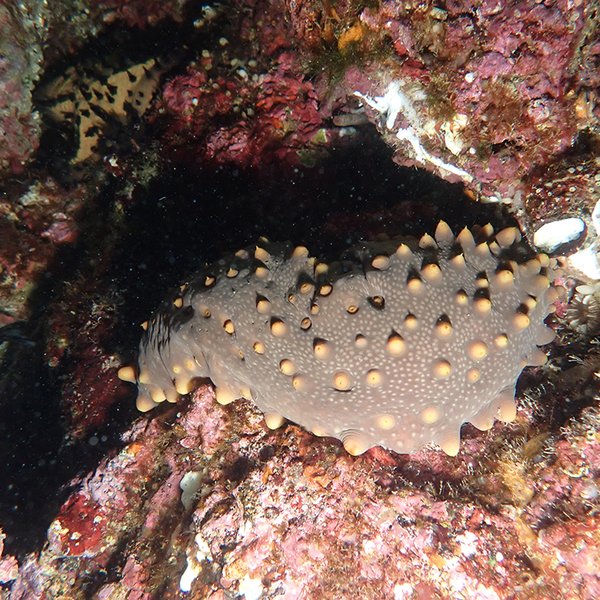
Local expertise meets global science: the first complete genome of endangered sea cucumber advances marine conservation in Galápagos