Results
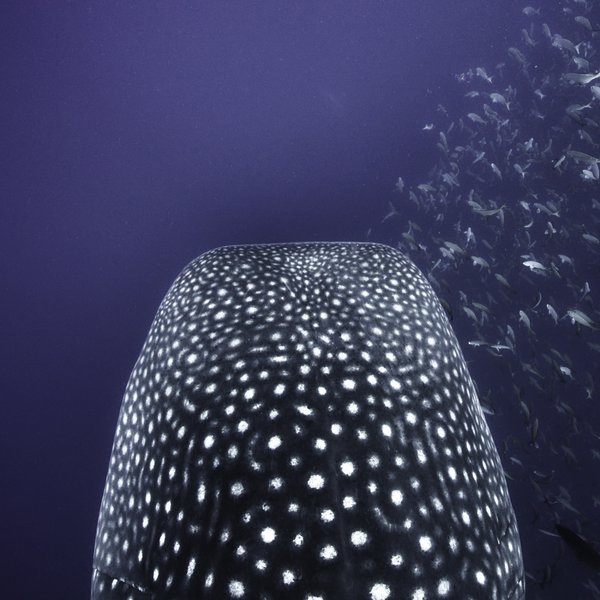
Ushering in a new chapter for ocean governance ratification of the BBNJ agreement.
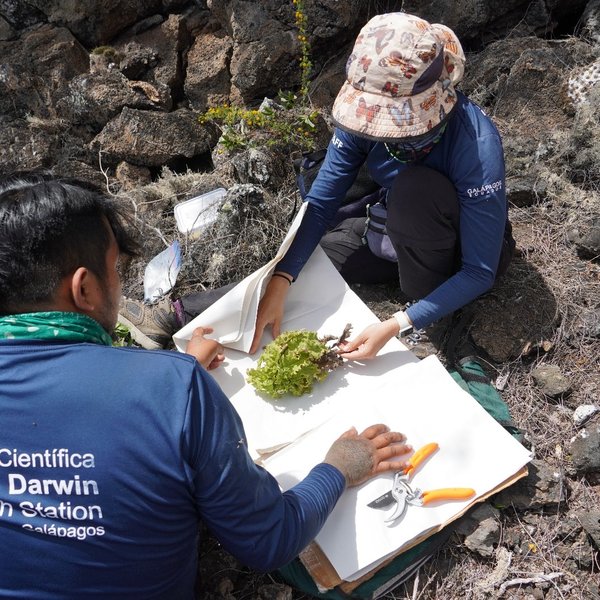
While kayaking along El Garrapatero Beach, a chance sighting led to the re-encounter of Scalesia retroflexa, one of Galápagos’ rarest plants. What began as a weekend outing became a pivotal moment for conservation. Discover how this unexpected find could reshape the future of an endangered species.
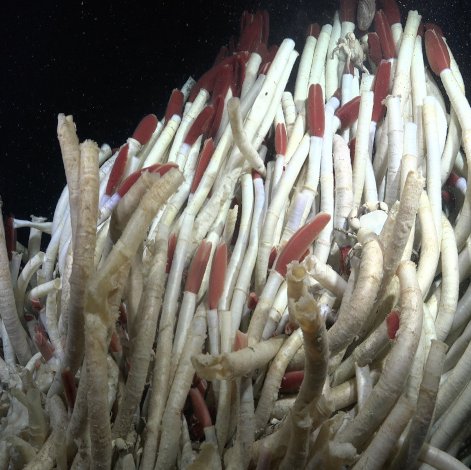
Scientists on a Schmidt Ocean Institute expedition have discovered a new hydrothermal vent field larger than a professional soccer field. The vent field found in the Pacific Ocean off the Western Galápagos Islands consists of five geyser-like chimneys and three hot springs, like those you might see in Yellowstone.
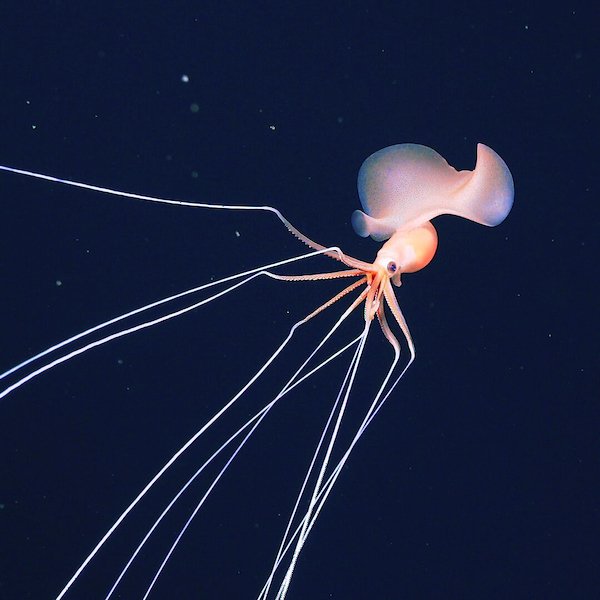
The Deep Ocean Alliance brings together institutions from Costa Rica, Panama, Colombia, and Ecuador to strengthen deep-ocean science and marine conservation in the Eastern Tropical Pacific. Through scientific expeditions, regional collaboration, and technological innovation, the Alliance is improving understanding of deep-sea biodiversity and supporting evidence-based protection of interconnected marine ecosystems.
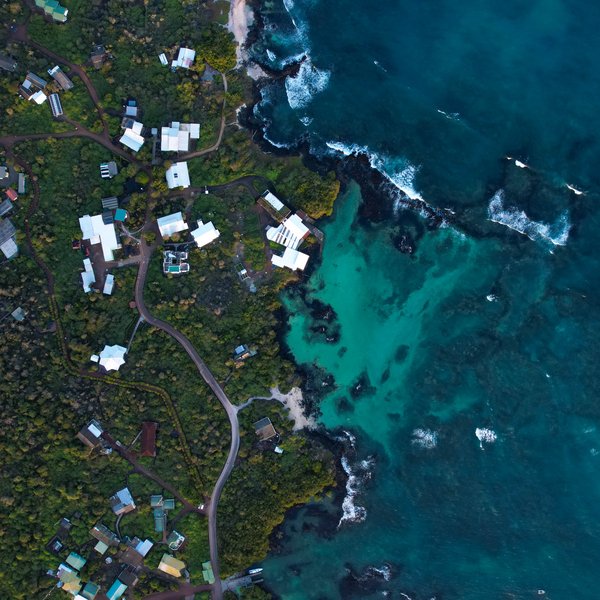
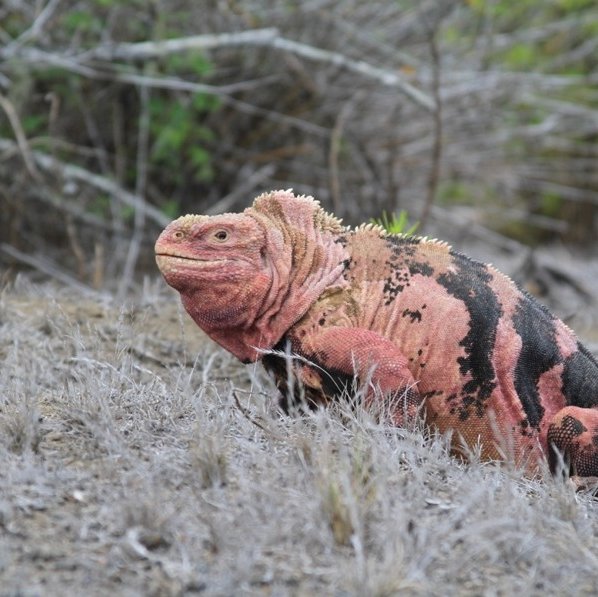
Scientists Discover a Novel Herpesvirus in Galapagos Pink Land Iguana
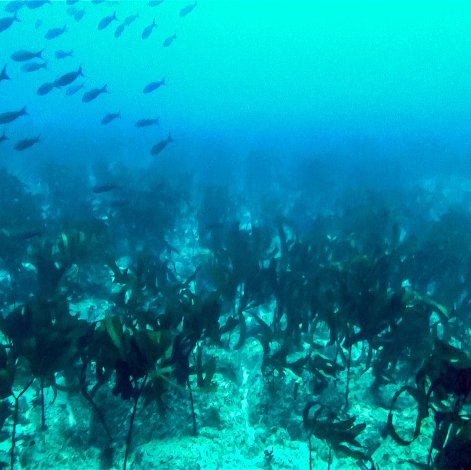
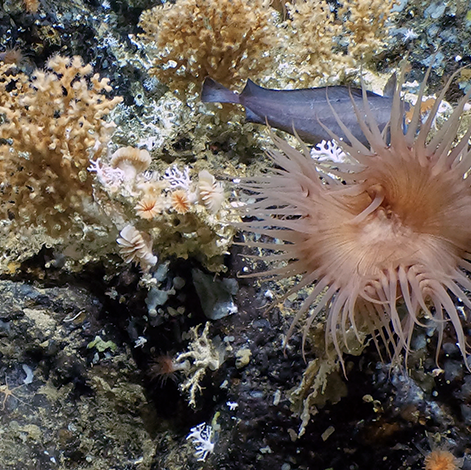
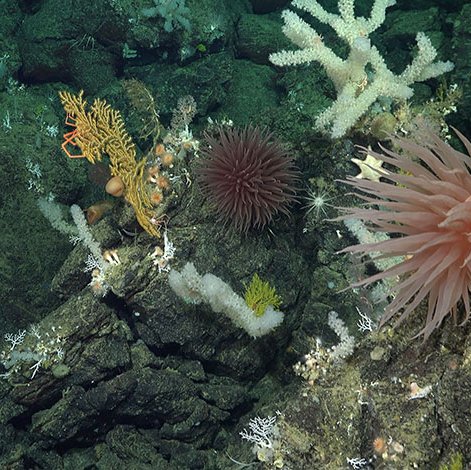
Scientists have discovered extensive, ancient deep-sea coral reefs within the Galápagos Marine Reserve (GMR) – the first of their kind ever to be documented inside the marine protected area (MPA) since it was established in 1998. The first reef observed was found at 400-600m (1,310-1,970 feet) depth at the summit of a previously unmapped seamount in the central part of the archipelago and supports a breathtaking mix of deep marine life.
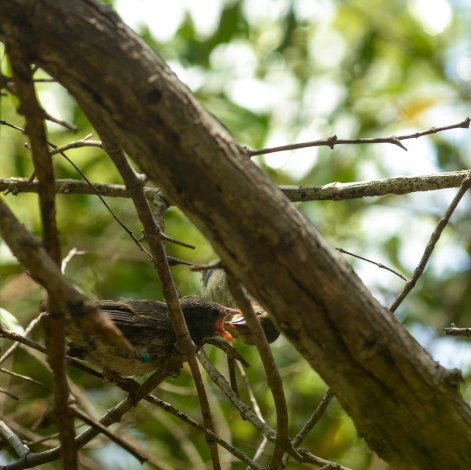
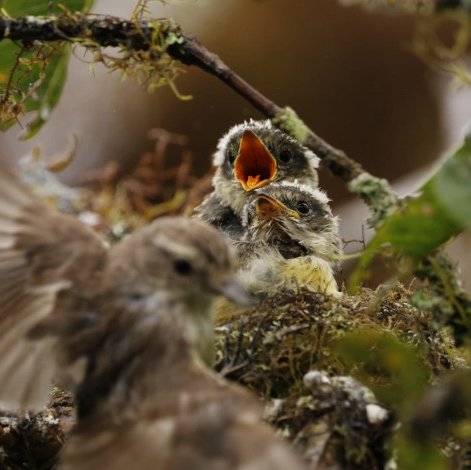
12 Little Vermilion Flycatcher chicks fledge the nest, in most successful nesting season yet in Santa Cruz Island
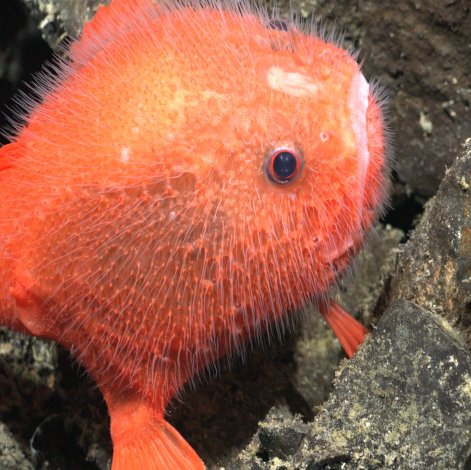
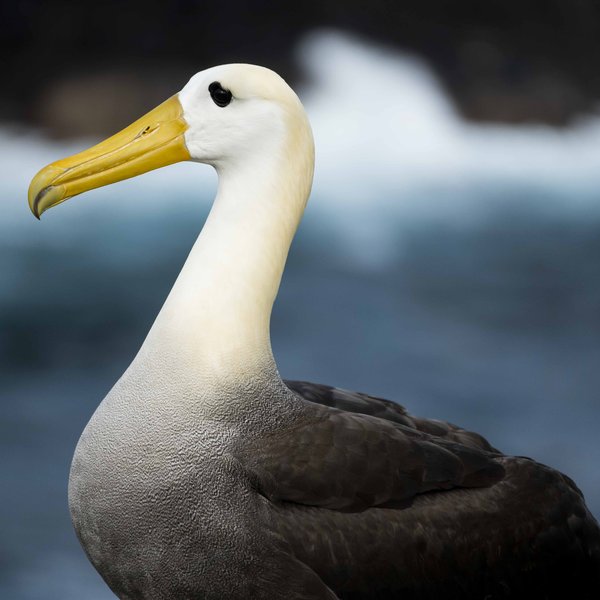
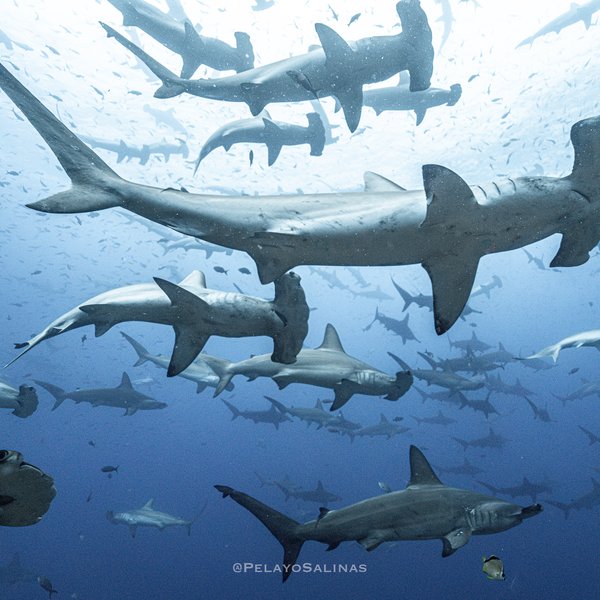
As threats to oceans intensify, bridging science and policy is key to protecting migratory species. This piece explores how UN conventions like CMS translate research into action, spotlighting efforts to uplist the Critically Endangered scalloped hammerhead shark and strengthen international conservation through collaboration, evidence, and policy innovation.

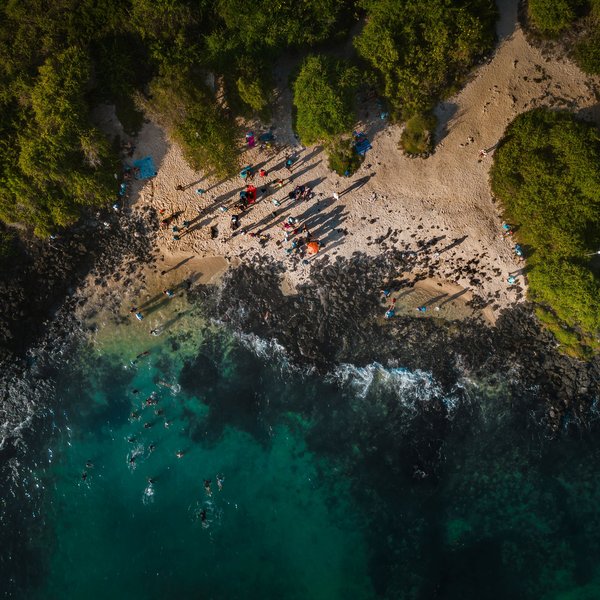
Learn how to explore the Galapagos Islands responsibly. Our FAQs cover their volcanic origins, unique wildlife, and how every visit can help protect this extraordinary ecosystem.