Results
Leave a lasting legacy for Galapagos. Include the Charles Darwin Foundation in your will--free and in your control. Join the Pristine Society.
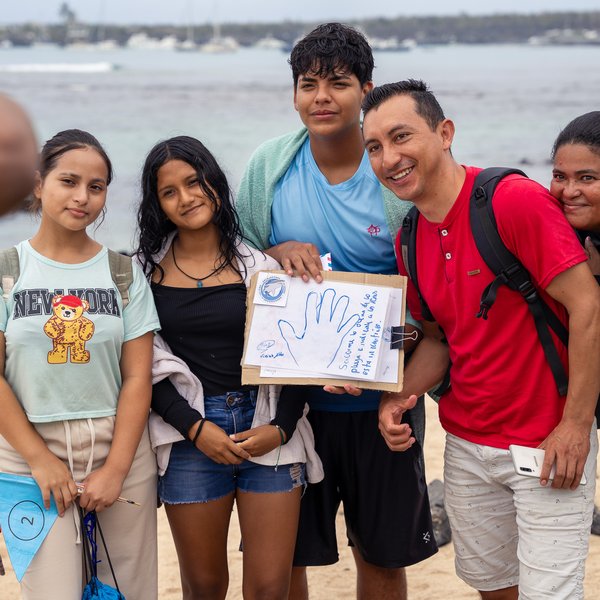
Have you ever thought about what you could do to help nature and people live in harmony? Environmental education offers a simple yet powerful answer. It acts as a bridge that connects learning with action, inspiring us to care for our planet through small steps that, when combined, lead to significant change.


Wolf, Kup, and Pinta are three detection dogs donated by the Charles Darwin Foundation to Ecuador’s National Police to strengthen efforts against illegal trafficking of protected species in Galápagos. Trained to detect biological material, these dogs represent an innovative conservation and control tool for safeguarding the archipelago’s biodiversity.
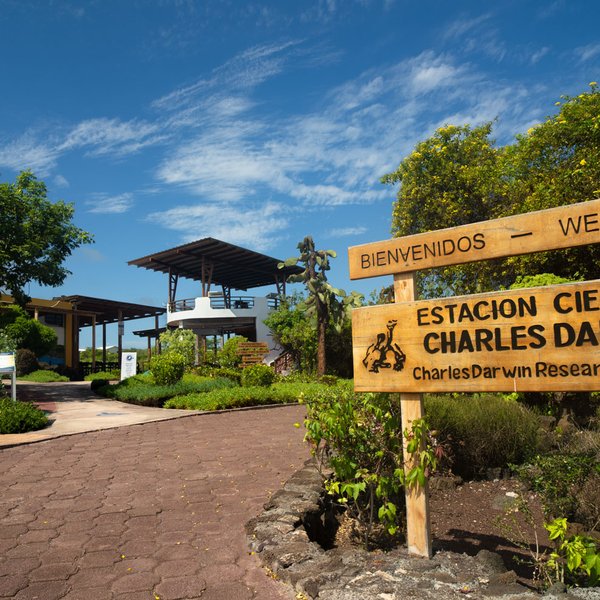
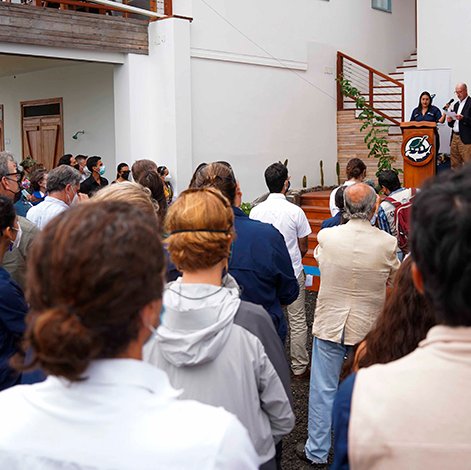
The Charles Darwin Foundation celebrates 65 years of innovation, development, and science in service of conservation
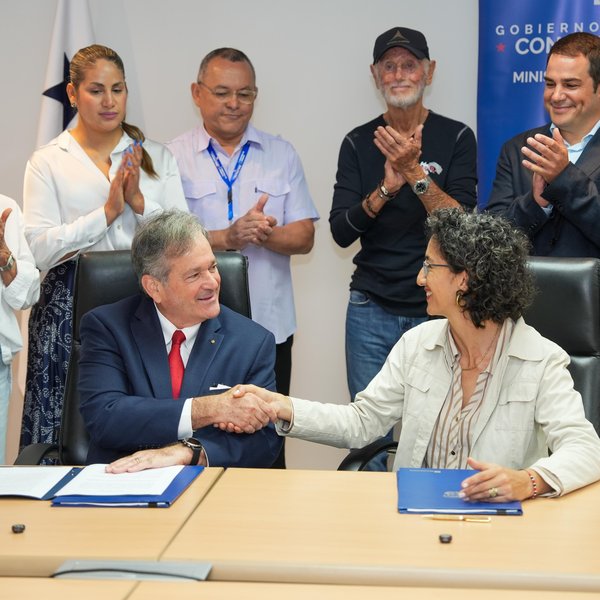
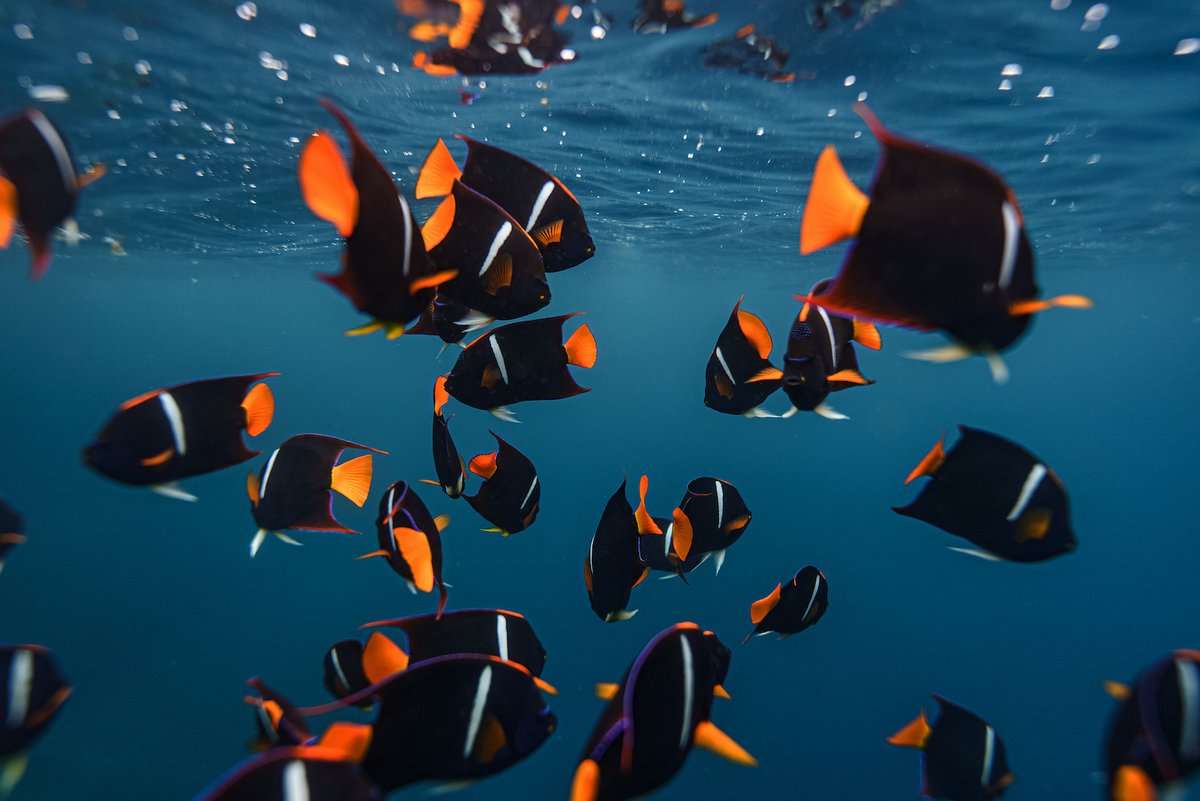
The Ministry of Environment of Panama and the Charles Darwin Foundation signed a Memorandum of Understanding to strengthen the transboundary protection of the migratory scalloped hammerhead shark and advance the recovery of their populations within the Eastern Tropical Pacific.
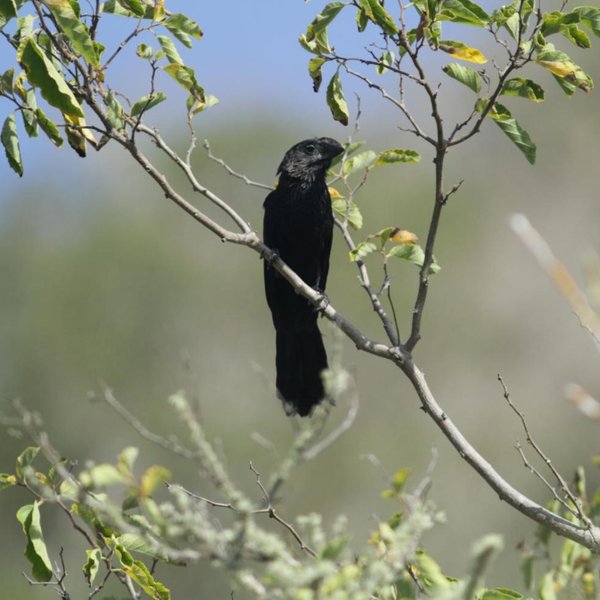
The smooth-billed ani is considered to be the most damaging introduced bird species in Galapagos. Hannah Rickets, at Galapagos Conservation Trust, spoke to PhD student Cristian Poveda about his research into this challenging species.
The smooth-billed ani is considered to be the most damaging introduced bird species in Galapagos. Hannah Rickets, at Galapagos Conservation Trust, spoke to PhD student Cristian Poveda about his research into this challenging species.
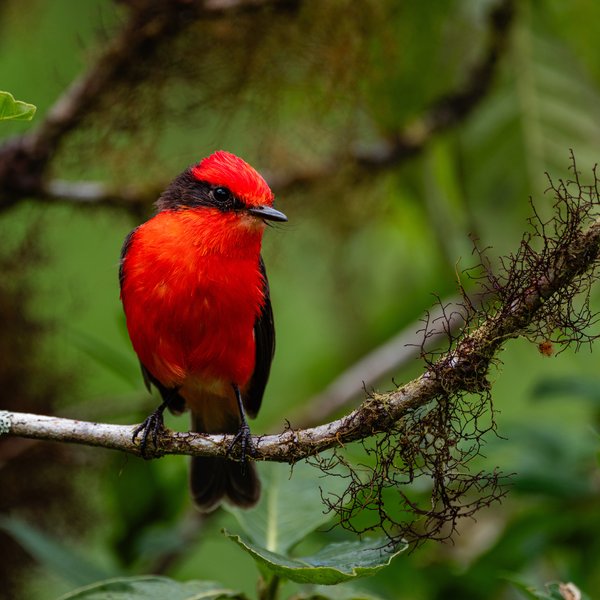
The Galápagos landbird breeding season (January–April) is critical for conservation. Monitoring and adaptive management, including innovative control of Philornis downsi, are improving nesting success. Early results show population recovery in key species, supported by habitat restoration. Ongoing data collection will determine long-term effectiveness and guide future conservation strategies.
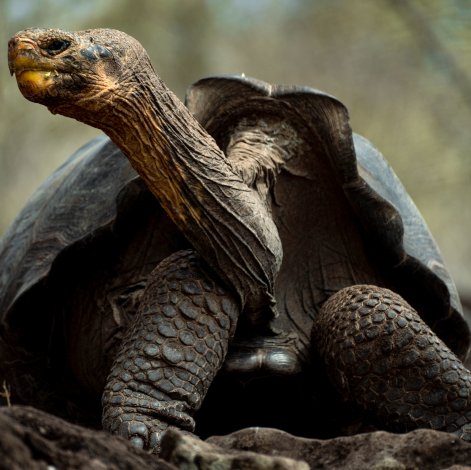
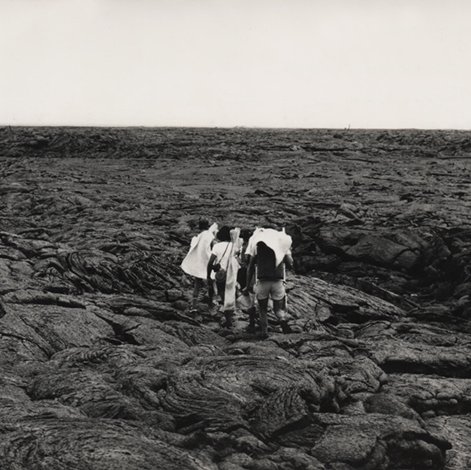
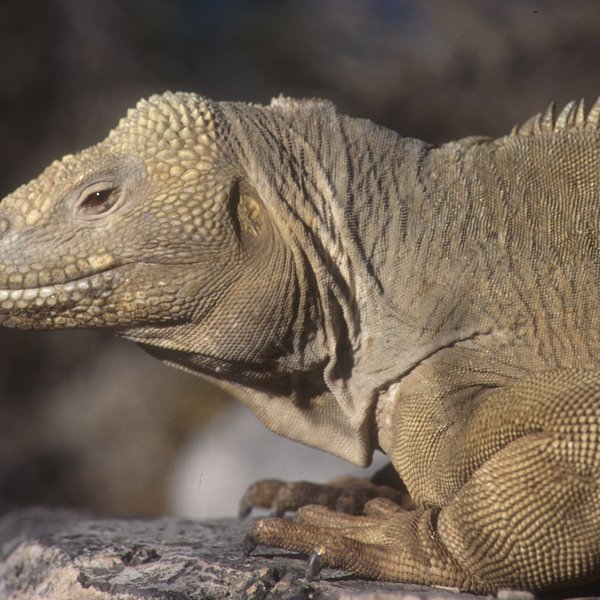
Discover how the Galápagos land iguana recovery program began. From the 1932 translocation to the leadership of Howard and Heidi Snell, this article shows how scientific research, captive breeding, and habitat restoration made possible one of the world's most successful conservation stories.
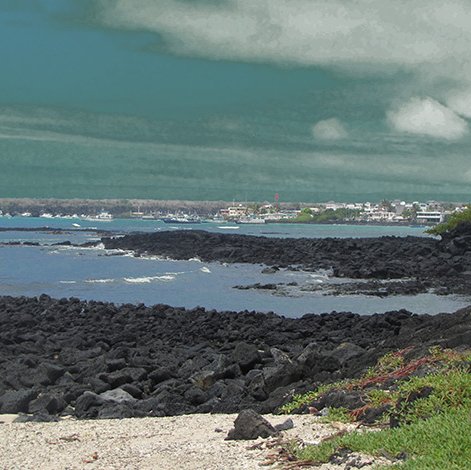
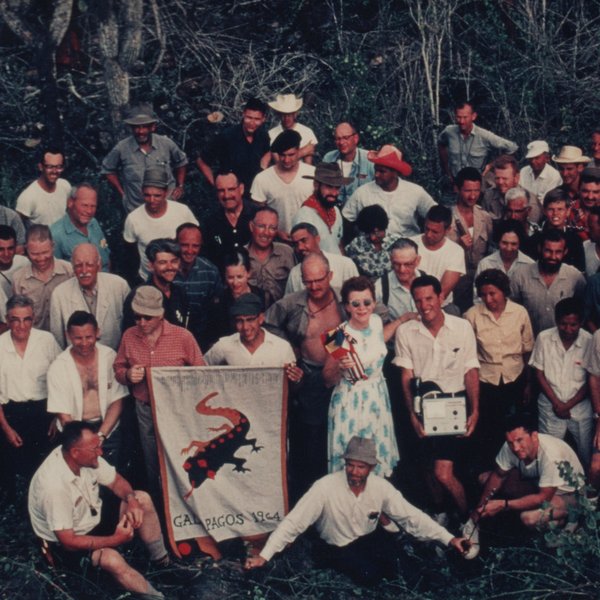
In 2024, the Charles Darwin Foundation (CDF) commemorated 65 years of continuous work in favor of scientific research and conservation of the Galapagos Islands. This anniversary not only marks an outstanding trajectory, but also invites reflection on the role that new generations and authorities must assume to strengthen the protection of this unique natural heritage.

The woodpecker finch of San Cristobal has been identified as a potential new species (Camarhynchus striatipecta), according to groundbreaking research just published in the Zoological Journal of the Linnean Society. Previously considered one of three subspecies of the woodpecker finch (Camarhynchus pallidus), this population is now identified as a genetically distinct lineage. These findings mark a significant revision to the taxonomy of Darwin’s tree finches and scientists propose C. striatipecta as a newly recognized species.