Results
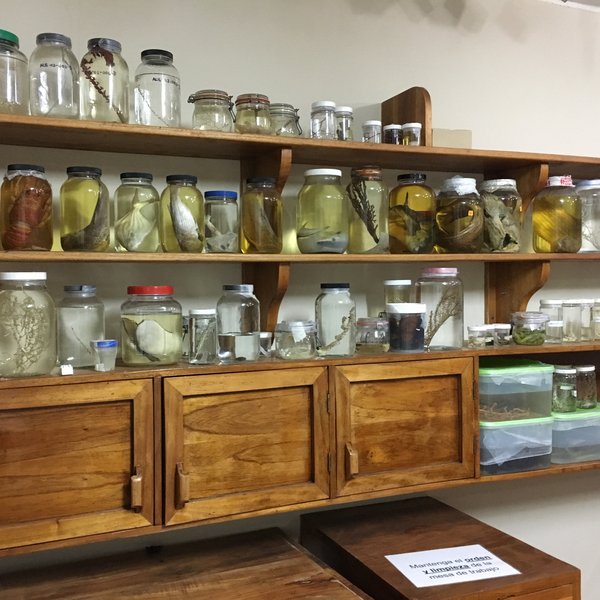
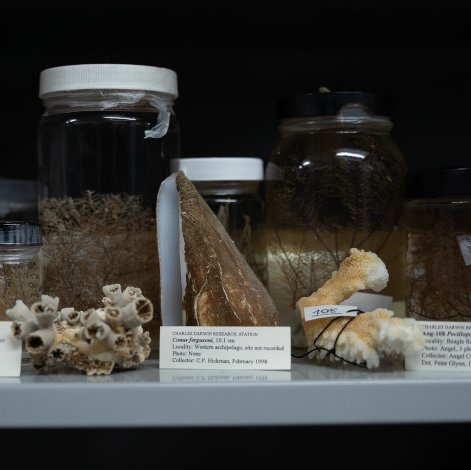
Since 1979, the Marine Organisms Collection of the Charles Darwin Research Station has grown from handwritten notebooks into a scientific infrastructure recognized in 2014 as part of Ecuador's heritage. Nathalia Tirado-Sánchez and Rosita Calderón-Barrera digitized thousands of historical records, strengthening research, education, biosecurity, and the conservation of Galápagos's marine biodiversity.
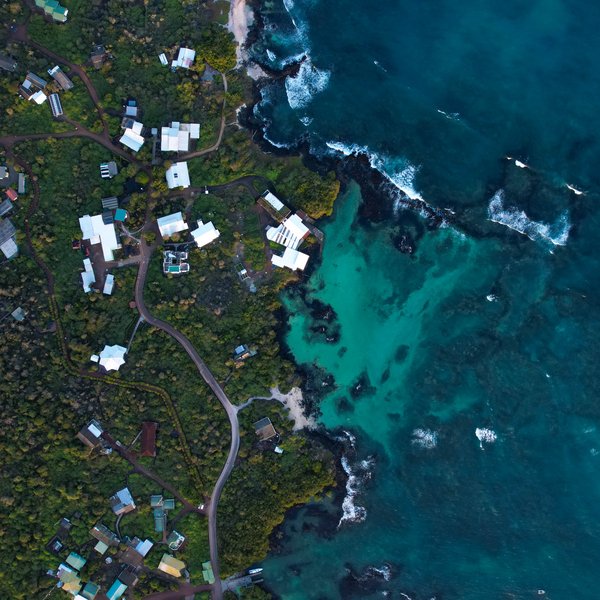
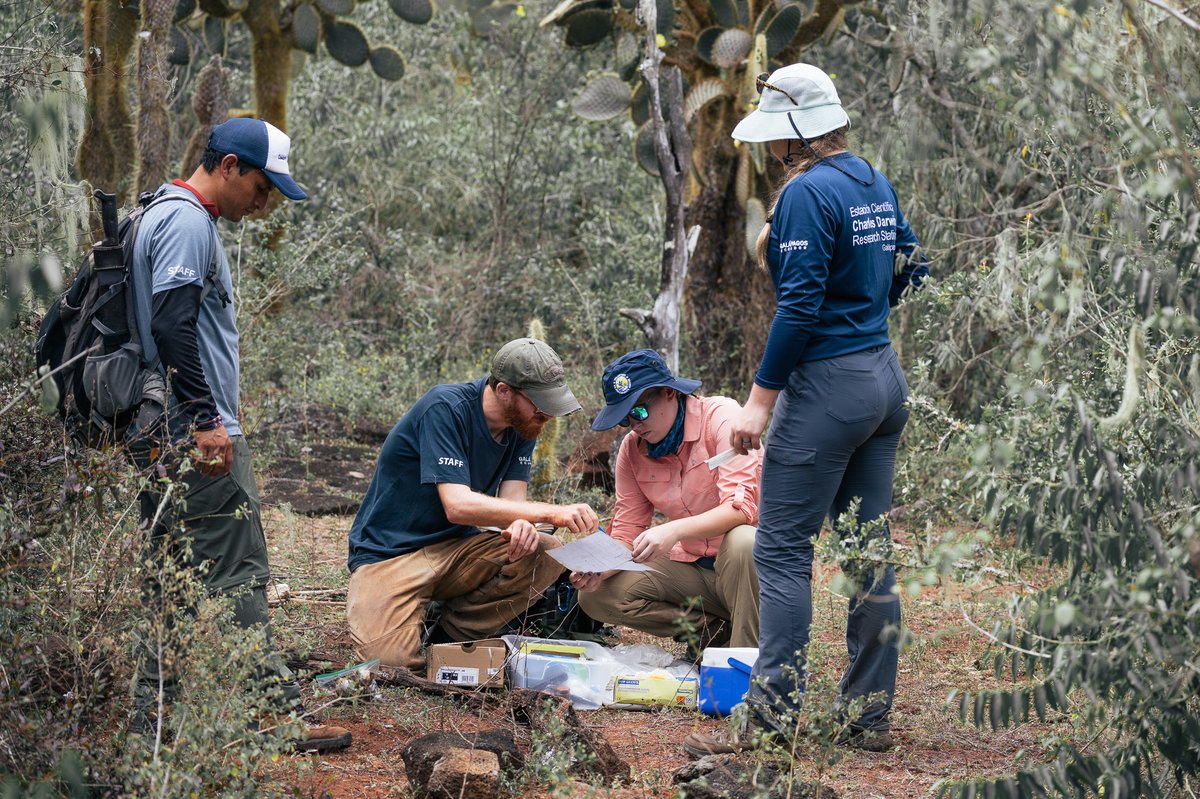
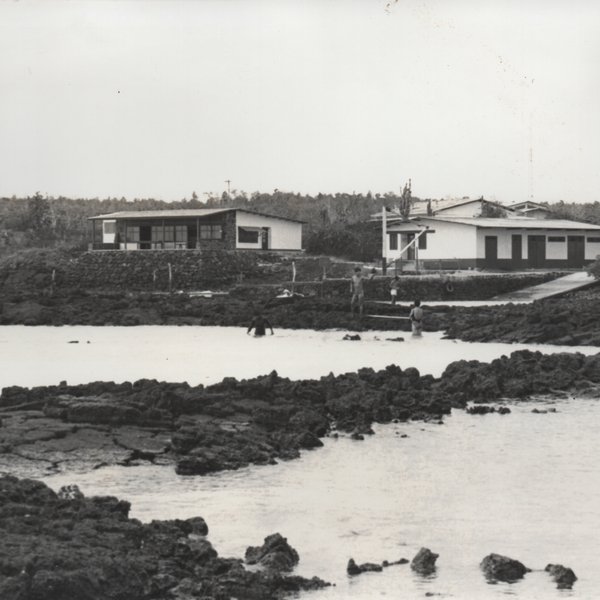
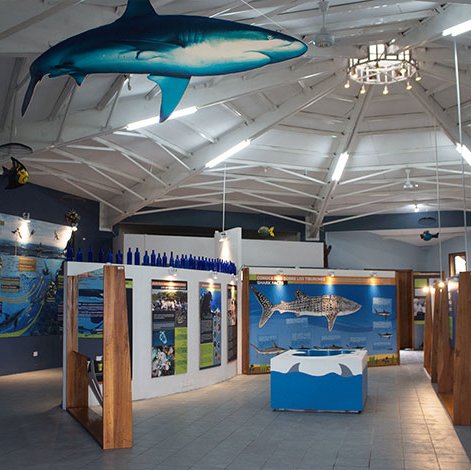
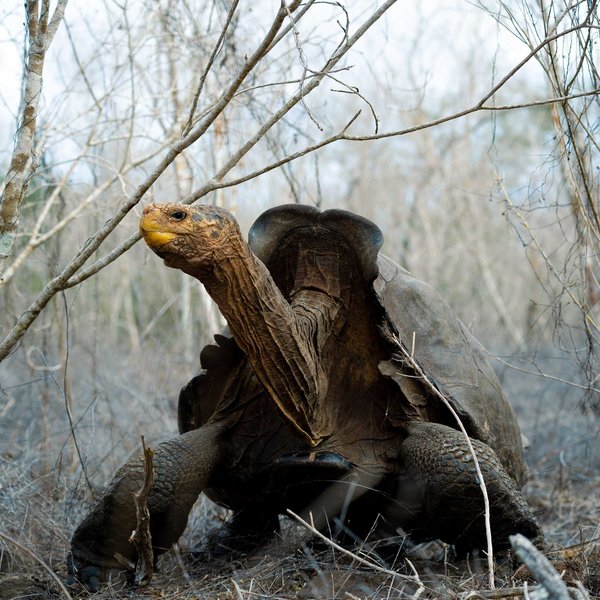
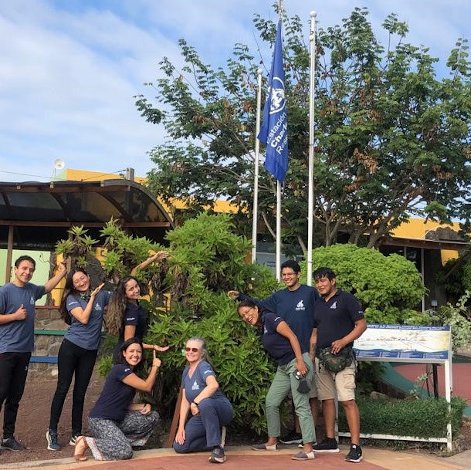
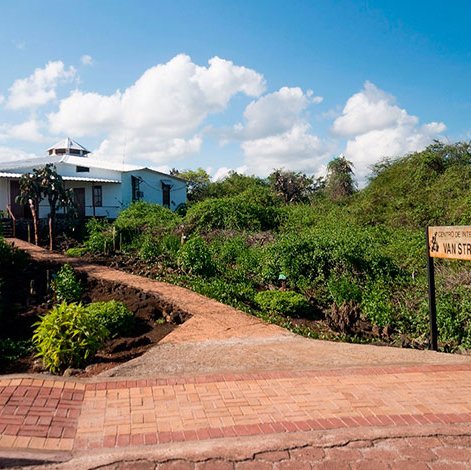
Inaugurated in 1964 as a base for scientists conducting their research on Galapagos, the Charles Darwin Research Station on Santa Cruz Island welcomes all visitors to discover how our scientific research and conservation actions ensure we safeguard one of the world’s most important natural treasures for future generations.
In 1985, the Charles Darwin Foundation created the Darwin Scientific Foundation in the United States to manage an endowment built with The Nature Conservancy and the Smithsonian. It allowed American donors to make tax-deductible contributions and gave scientific work in Galápagos stable, long-term funding that still endures four decades later.

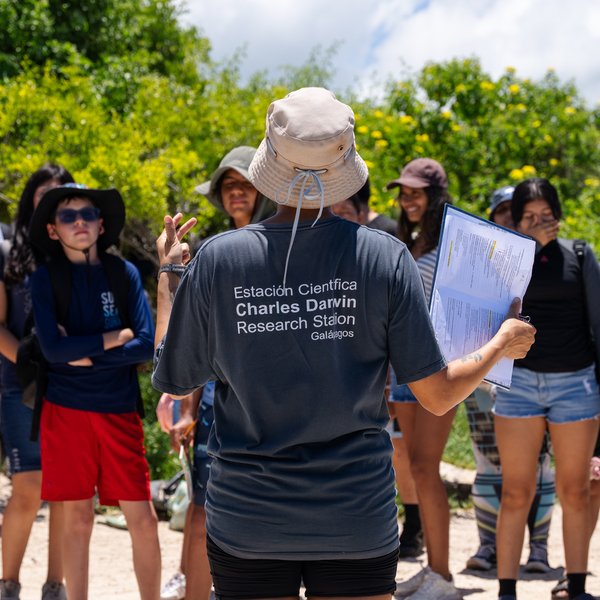
In 1966, a course at the Charles Darwin Research Station marked the beginning of environmental education in Galápagos. Teachers learned to use the natural environment as a teaching tool, linking conservation and community. This experience laid the foundation for context-based education that remains essential to protect the islands’ unique ecosystems.
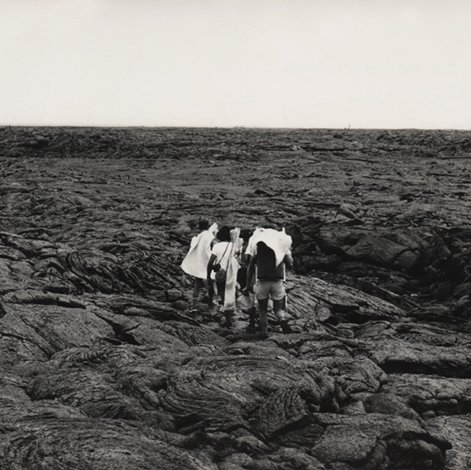
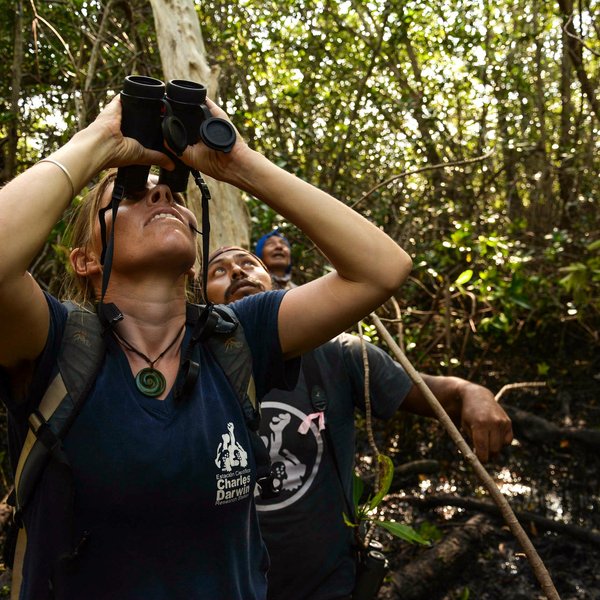
Since its inception in 1971, our Scholarship Program has enabled over 250 students from Galapagos to complete their education and pursue careers in conservation.
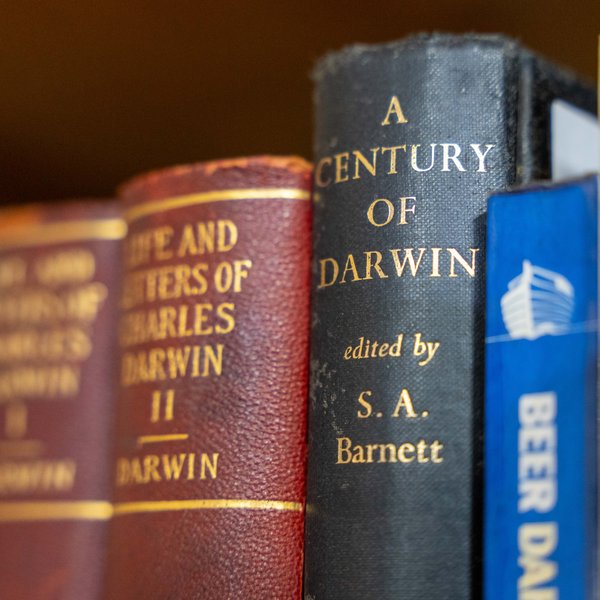
The G.T. Corley Smith Library at the Charles Darwin Foundation holds the world’s most comprehensive collection of publications on the Galápagos Islands. Its “Galápagos Collection” includes both scientific and grey literature, making it an invaluable resource for research and conservation. A digitization effort is underway to expand global access to this knowledge.
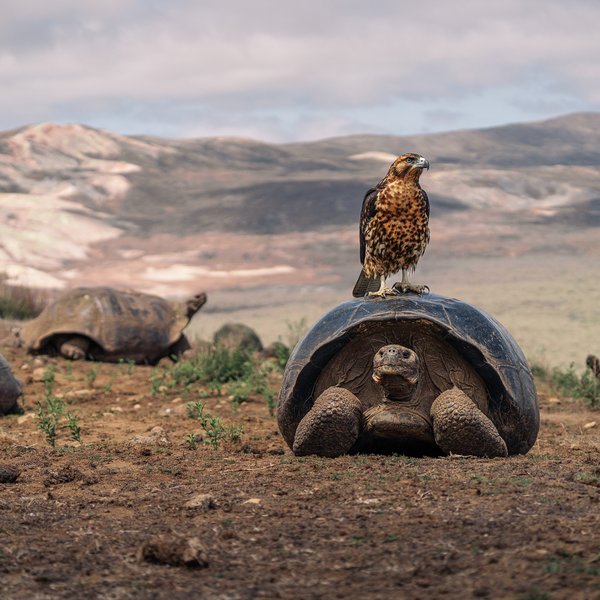
By donating to the Charles Darwin Foundation and its Research Station, you are helping our scientists continue their research in order to better protect the unique animals and ecosystems of the Galapagos Islands.

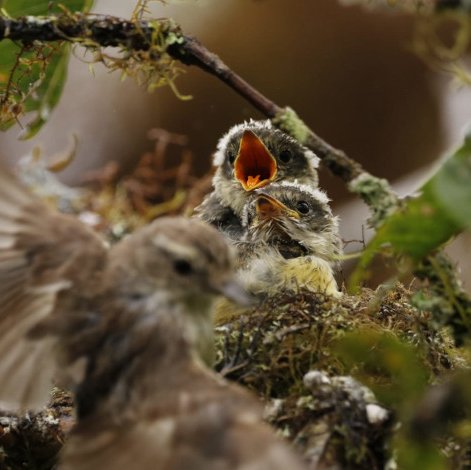
12 Little Vermilion Flycatcher chicks fledge the nest, in most successful nesting season yet in Santa Cruz Island
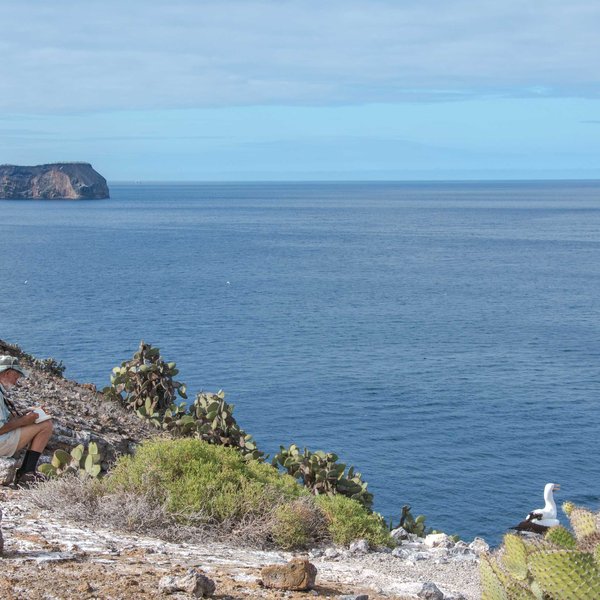
In 1973, evolutionary scientists Peter Grant and Rosemary Grant began a research project in the Galápagos Islands that would permanently change the modern understanding of evolution.
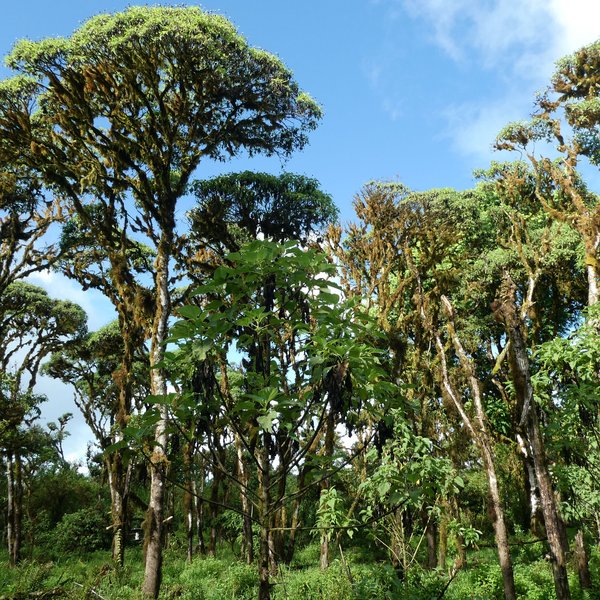
Discover how our projects foster the protection of the Galapagos Islands and how the Charles Darwin Foundation works to ensure that they remain a natural paradise for generations to come.