Results
Start your own fundraiser today and us help inspire others to protect and preserve the unique fauna and flora of Galapagos!

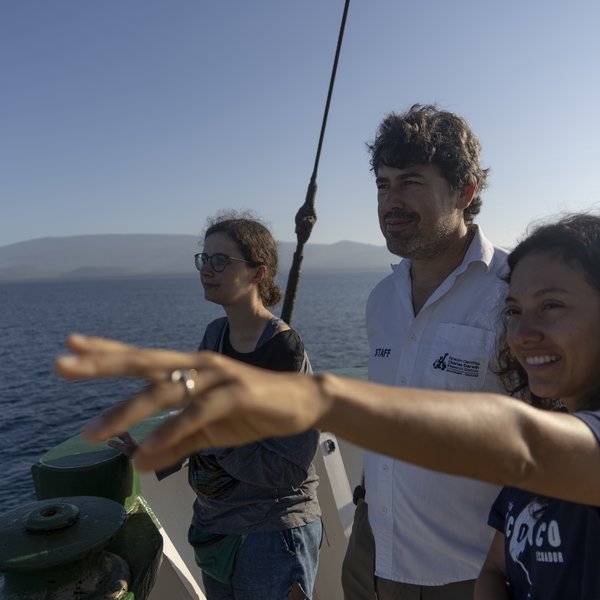
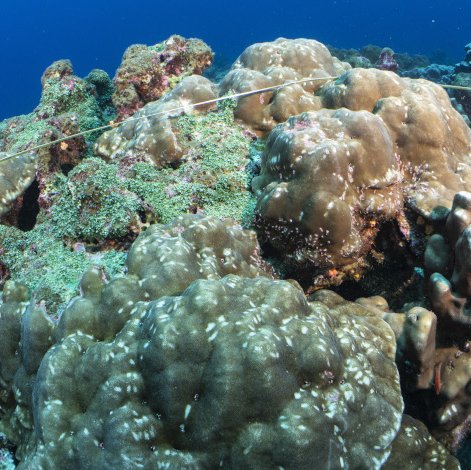
18 NGOs and civil society organisations have today published a statement calling for the governments of Ecuador, Costa Rica, Colombia and Panama to ratify the UN High Seas Treaty in order to accelerate the protection of the oceans.
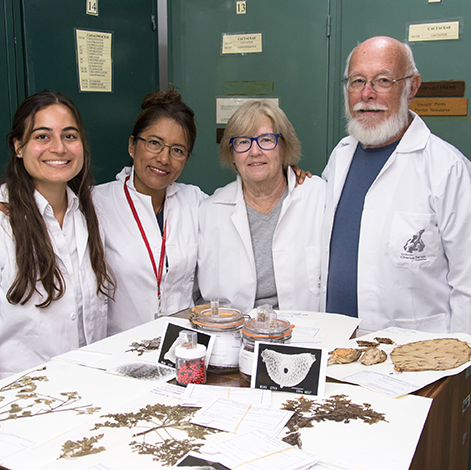
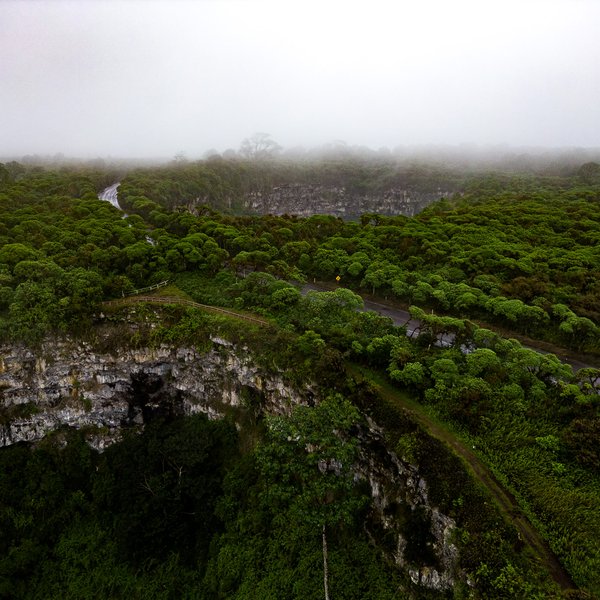
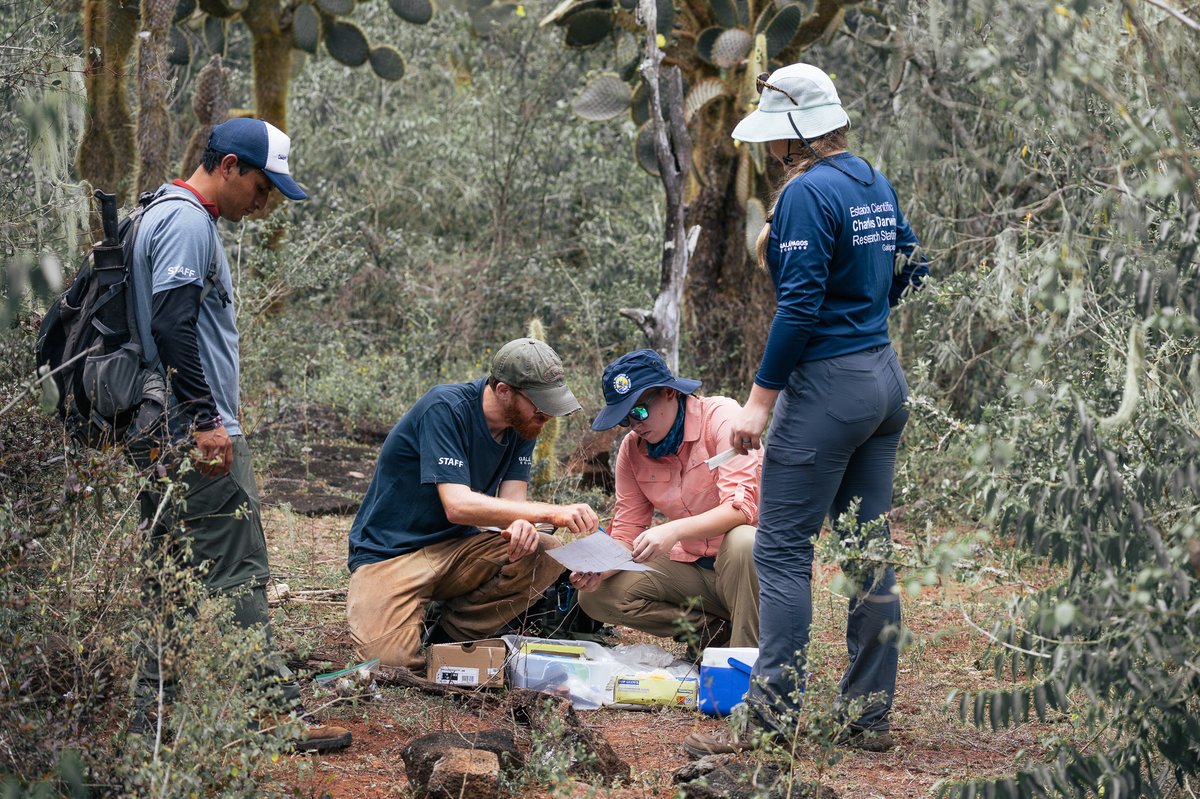
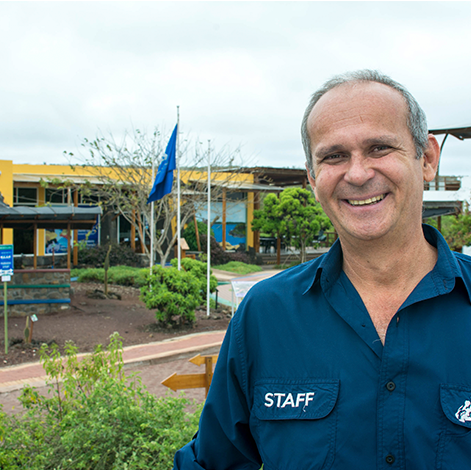
Working in Galápagos is more than just a job—it’s a mission, a deep connection to a fragile and unique ecosystem. With 12 years of experience in communication, I’ve had the privilege of witnessing how the collaboration between science and communication is one of the most powerful strategies for conserving this paradise.
In this story, I’ll share one of my most recent field experiences in the Scalesia forest at Los Gemelos, where nature and human effort come together to protect our home.
Working in Galápagos is more than just a job—it’s a mission, a deep connection to a fragile and unique ecosystem. With 12 years of experience in communication, I’ve had the privilege of witnessing how the collaboration between science and communication is one of the most powerful strategies for conserving this paradise.
In this story, I’ll share one of my most recent field experiences in the Scalesia forest at Los Gemelos, where nature and human effort come together to protect our home.
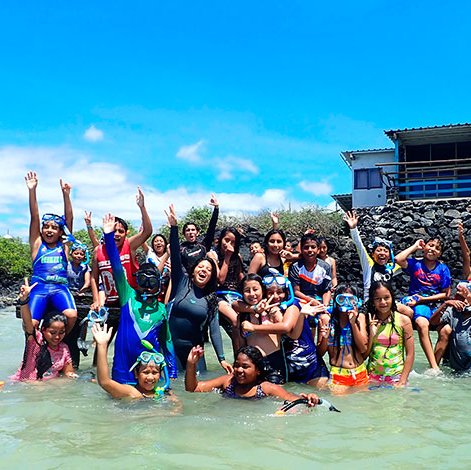
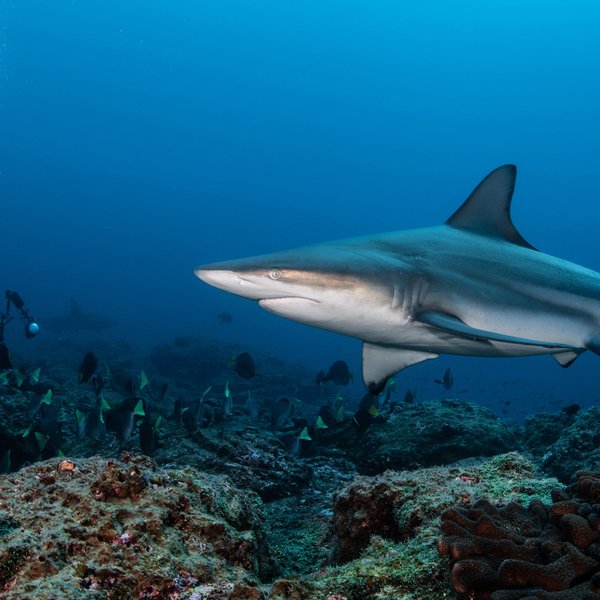
Explore how your company can make a meaningful difference in one of the world’s most iconic natural wonders – the Galapagos Archipelago
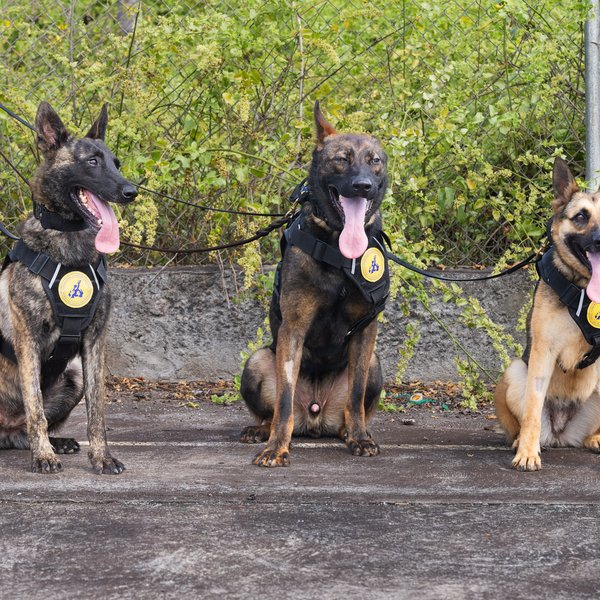
Wolf, Kup, and Pinta are three detection dogs donated by the Charles Darwin Foundation to Ecuador’s National Police to strengthen efforts against illegal trafficking of protected species in Galápagos. Trained to detect biological material, these dogs represent an innovative conservation and control tool for safeguarding the archipelago’s biodiversity.
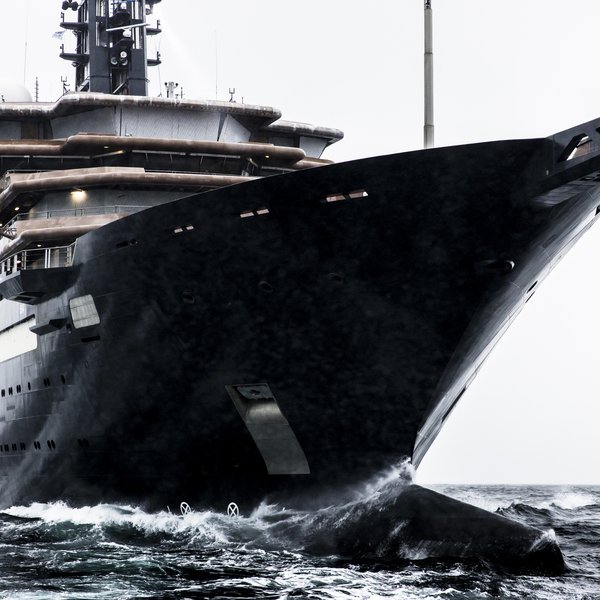
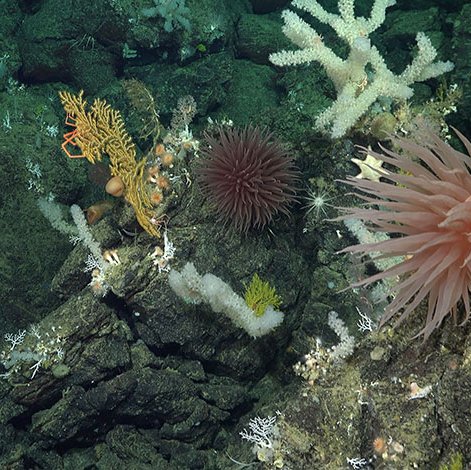
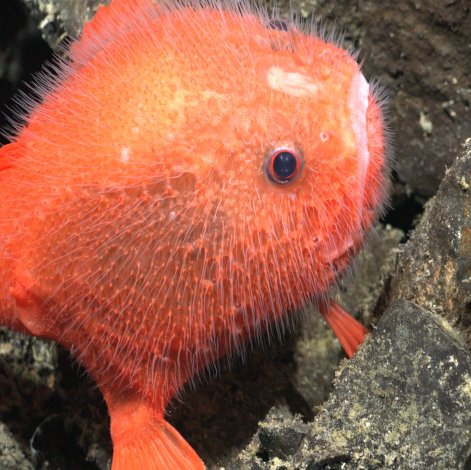
A new regional alliance is opening a window into the deep ocean of the Eastern Tropical Pacific, one of the least explored parts of our planet. By joining scientific expertise, conservation action, and international collaboration, this initiative aims to generate the knowledge needed to better protect vast marine ecosystems and inform ocean stewardship.
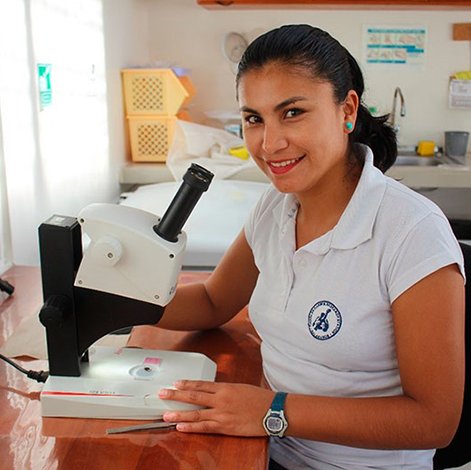
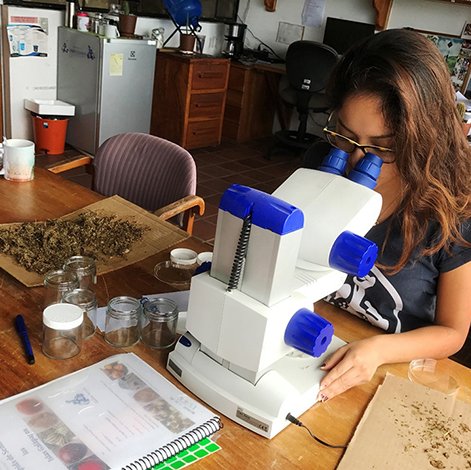
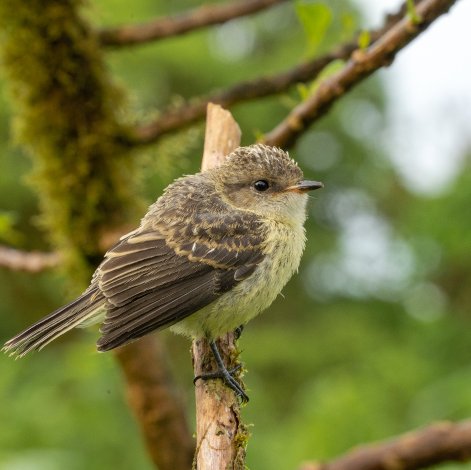
October 3, 2023, marks the beginning of the implementation phase of the Floreana Ecological Restoration Project, the largest and most ambitious restoration initiative currently underway in the Galapagos Islands.
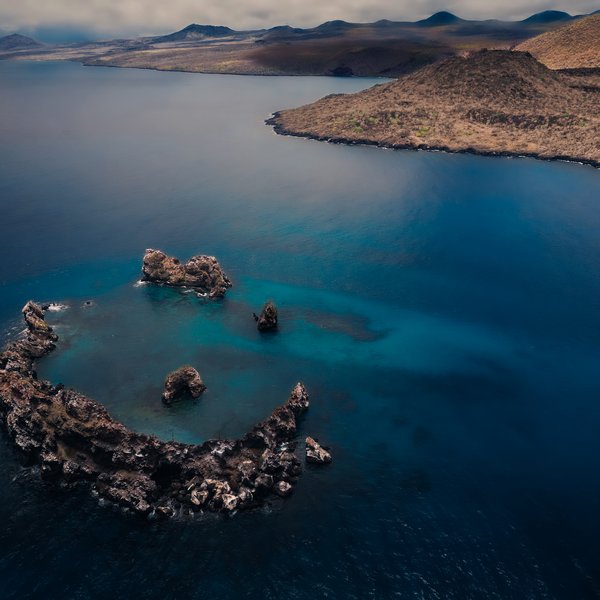
Restoring Floreana isn’t about small plots—it’s about healing an entire island. Discover how large-scale habitat restoration underpins species recovery, why forests like Scalesia matter, and how science, patience, and collaboration are reshaping one of Galápagos’ most ambitious conservation projects—with lessons that could inform island restoration worldwide.