Results
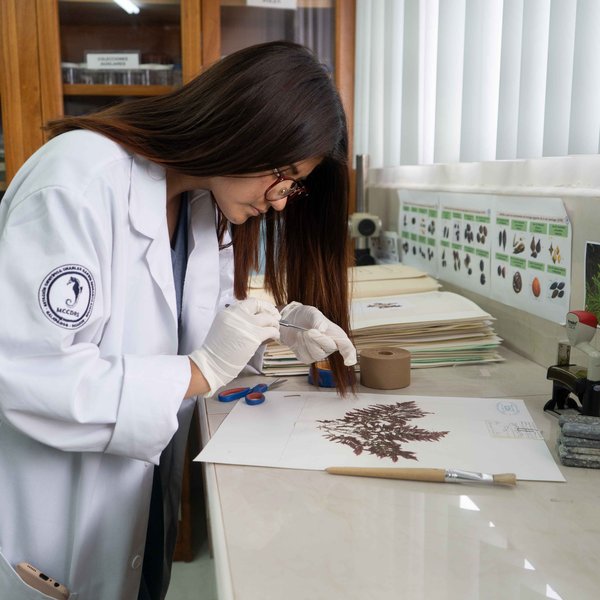
While kayaking along El Garrapatero Beach, a chance sighting led to the re-encounter of Scalesia retroflexa, one of Galápagos’ rarest plants. What began as a weekend outing became a pivotal moment for conservation. Discover how this unexpected find could reshape the future of an endangered species.
Ushering in a new chapter for ocean governance ratification of the BBNJ agreement.
Floreana Island, heavily impacted by introduced species and biodiversity loss, now hosts one of Galápagos’ most ambitious restoration efforts. With a small community and 54 species still threatened, the Floreana Ecological Restoration Project aims to recover the island’s ecological balance through the removal of invasive species and the return of native wildlife.
Galápagos faces increasing tourism pressures that threaten its unique ecosystems. This report reviews seven international case studies to identify effective visitor-management tools—such as quotas, zoning, monitoring, and community engagement—and evaluates their relevance for Galápagos.
- Date:
- 2025
- Language:
- English
Floreana Island’s past is a gripping tale of utopian dreams undone by invasive species that devastated its wildlife and community. Today, its residents are leading one of the world’s most ambitious restoration efforts—reviving ecosystems, returning lost species, and reshaping their future. Discover the real drama behind Eden and Floreana’s remarkable comeback.
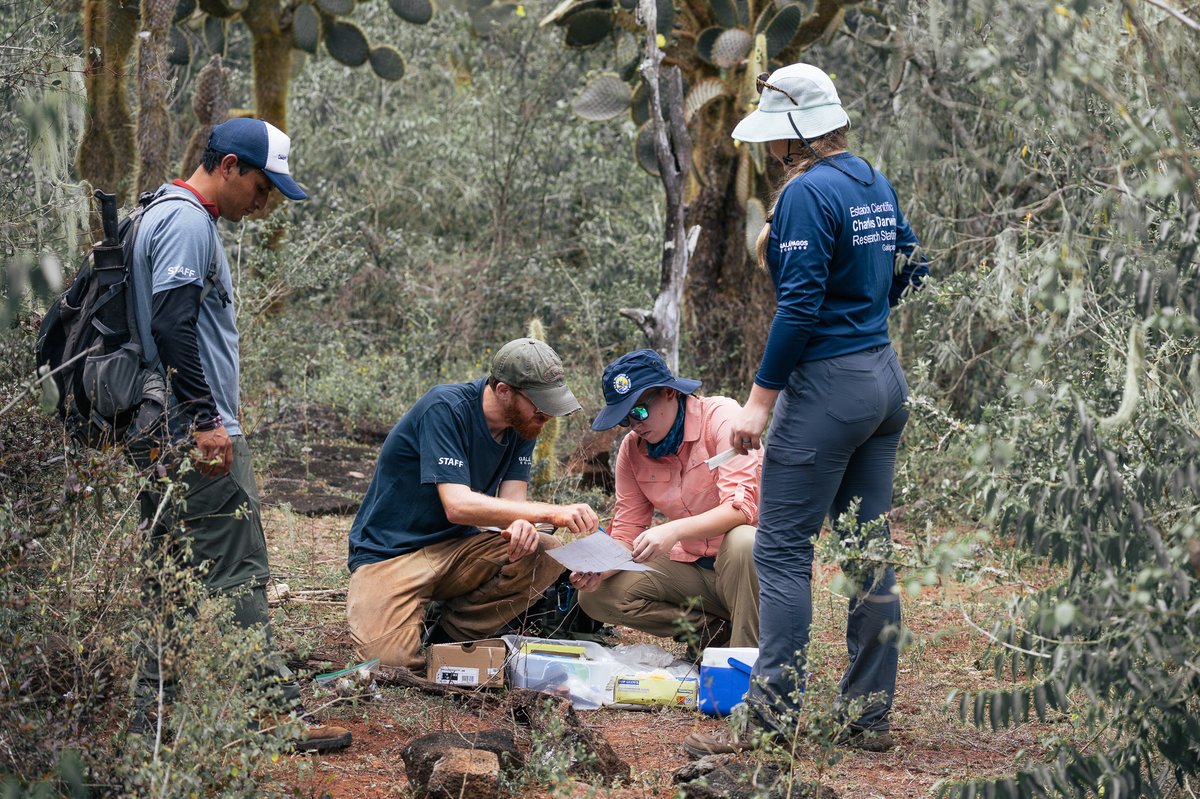
The Galápagos landbird breeding season (January–April) is critical for conservation. Monitoring and adaptive management, including innovative control of Philornis downsi, are improving nesting success. Early results show population recovery in key species, supported by habitat restoration. Ongoing data collection will determine long-term effectiveness and guide future conservation strategies.