Results
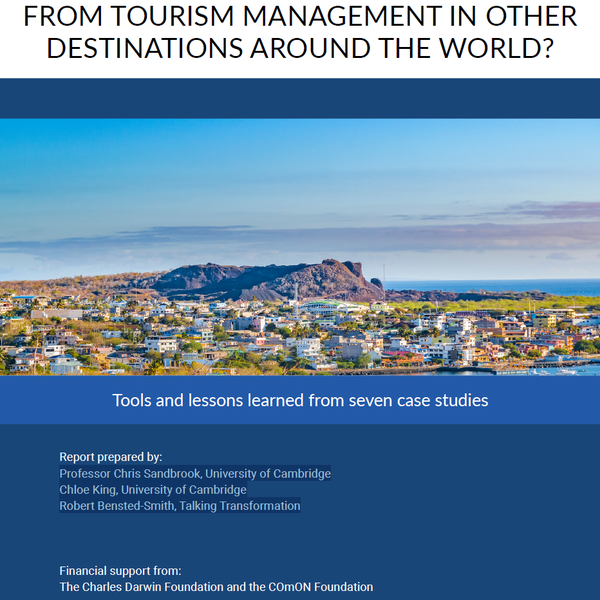
Galápagos faces increasing tourism pressures that threaten its unique ecosystems. This report reviews seven international case studies to identify effective visitor-management tools—such as quotas, zoning, monitoring, and community engagement—and evaluates their relevance for Galápagos.
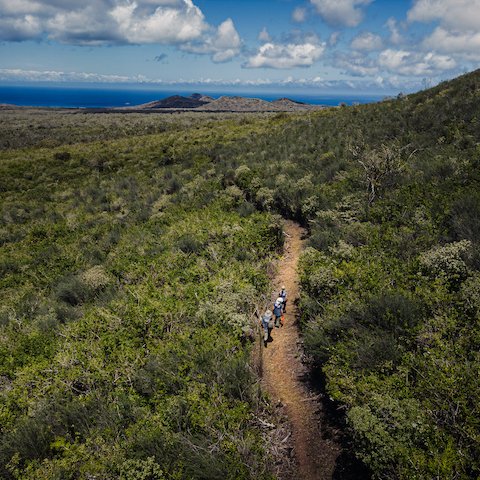
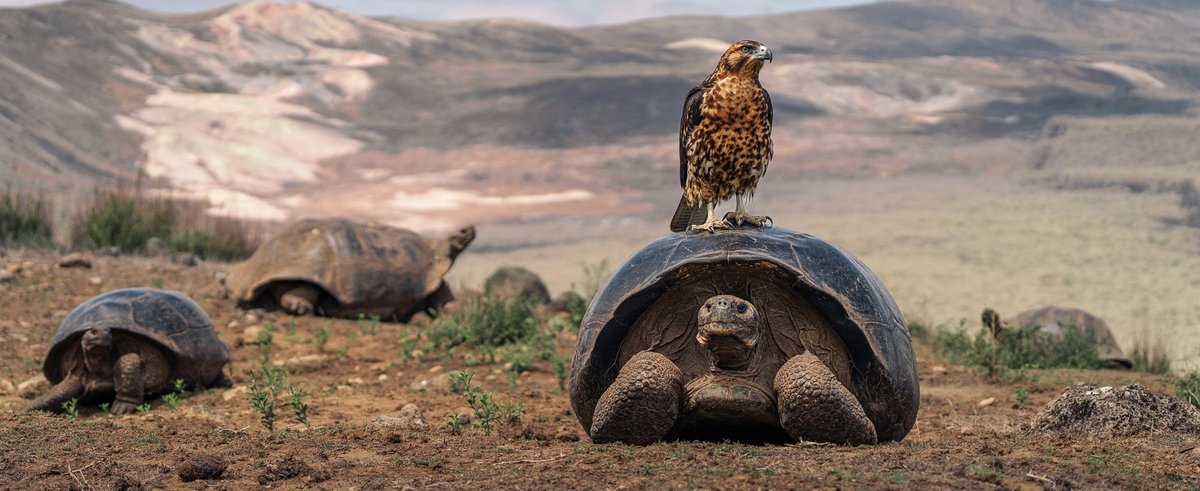
Floreana Island’s past is a gripping tale of utopian dreams undone by invasive species that devastated its wildlife and community. Today, its residents are leading one of the world’s most ambitious restoration efforts—reviving ecosystems, returning lost species, and reshaping their future. Discover the real drama behind Eden and Floreana’s remarkable comeback.
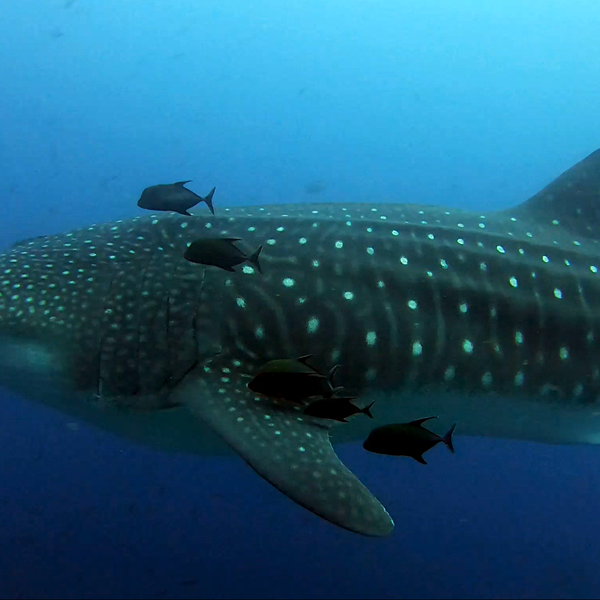
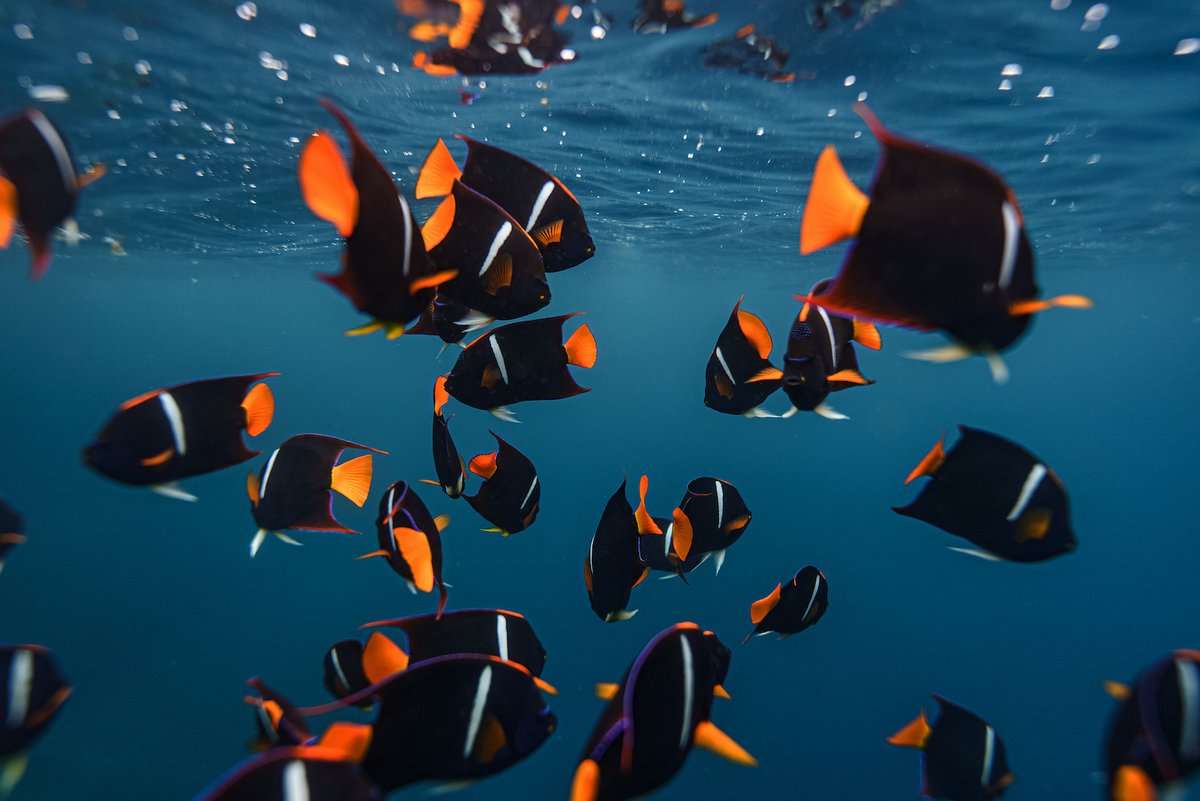
For the first time, international trade of a commercially important shark was banned, and protections expanded to 70+ shark & ray species.
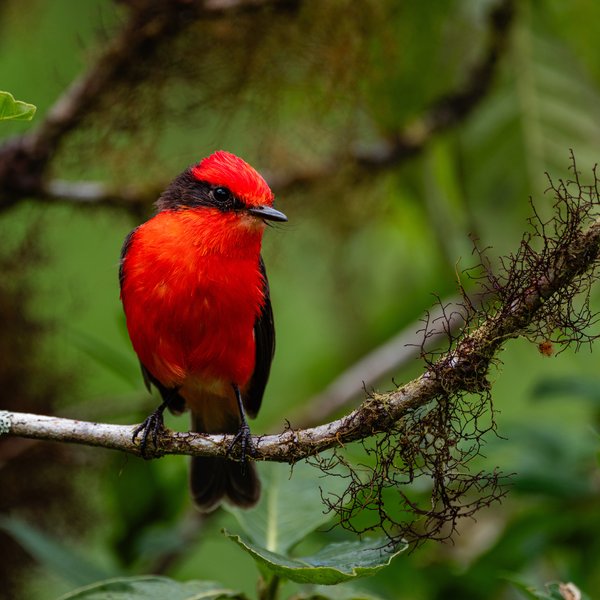
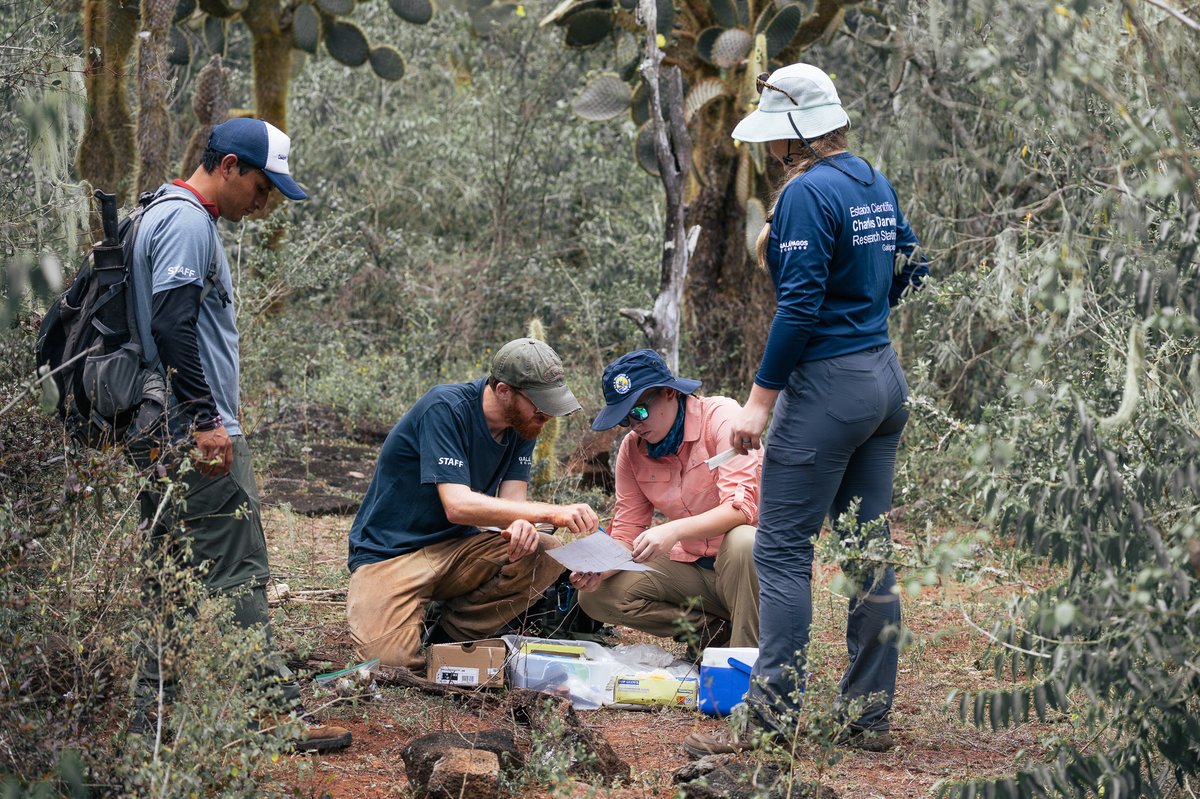
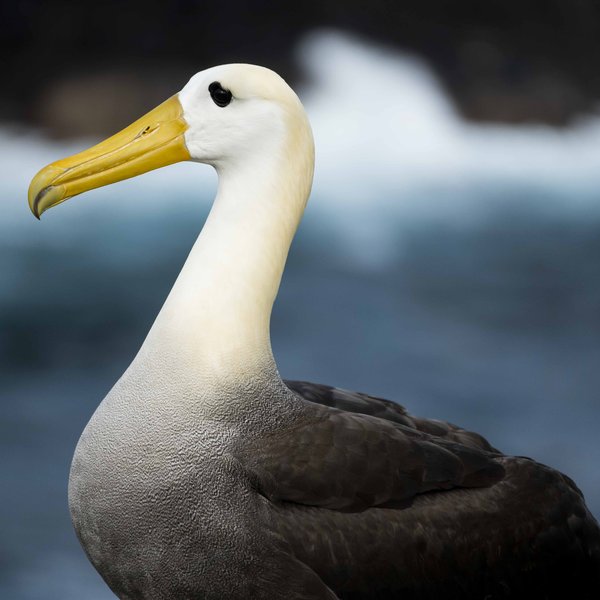
The Galápagos landbird breeding season (January–April) is critical for conservation. Monitoring and adaptive management, including innovative control of Philornis downsi, are improving nesting success. Early results show population recovery in key species, supported by habitat restoration. Ongoing data collection will determine long-term effectiveness and guide future conservation strategies.
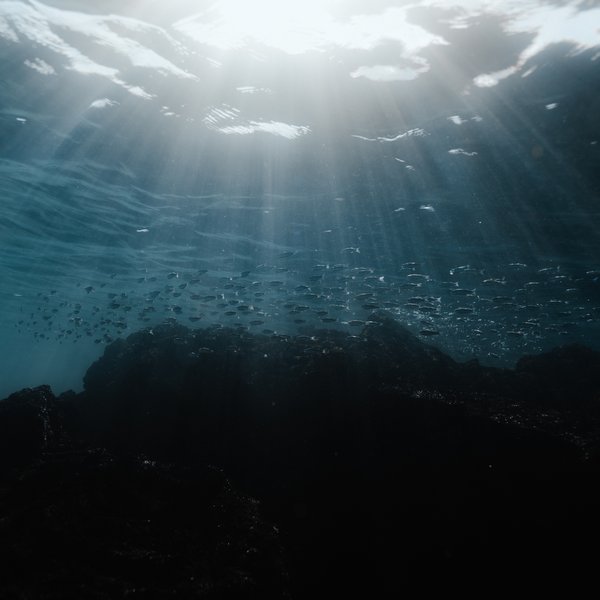
A scientific delegation from the Charles Darwin Foundation for the Galapagos Islands participated in the 12th annual meeting of the Commission of the South Pacific Regional Fisheries Management Organization (SPRFMO), which took place in Manta, Ecuador, between 29 January – 2 February 2024.
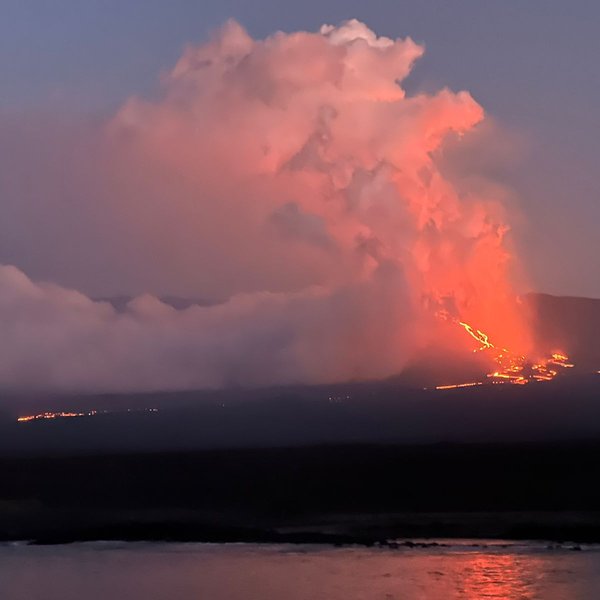
In an interview, renowned Galapagos volcanologist Dennis Geist tells us a bit more about the 2024 eruption and volcanic activity in Galapagos.
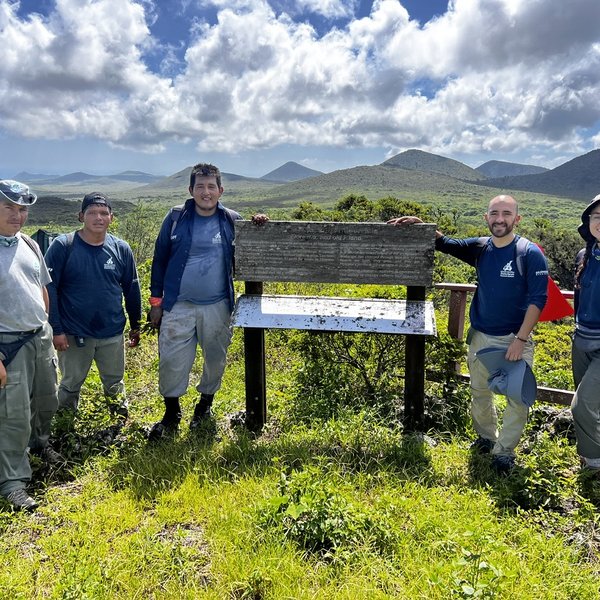
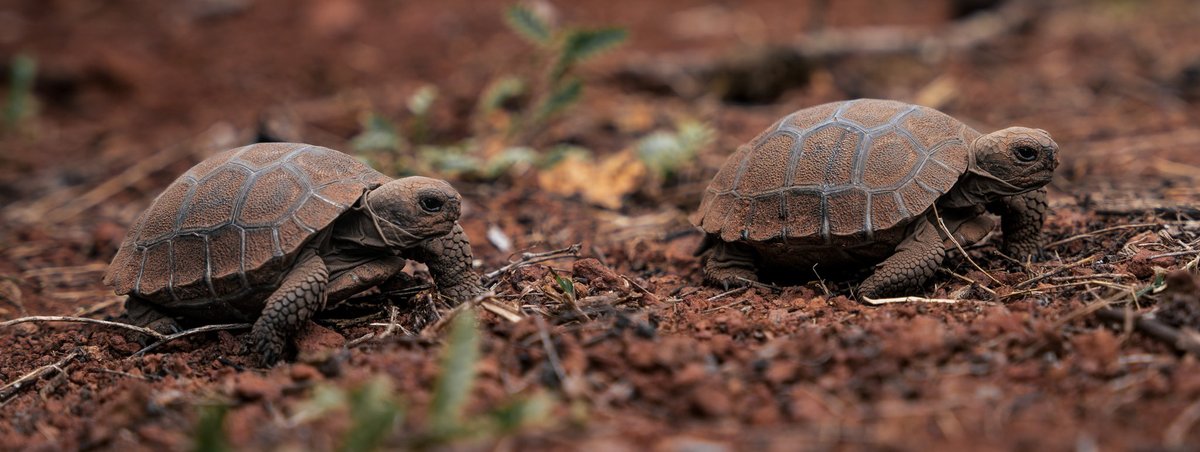
Find our the latest ecological restoration milestones of CDF's Galapagos Verde 2050 team in Floreana Island and how it is contributig to...