A Memory Built with Ingenuity and Perseverance
Today, the Marine Organisms Collection of the Charles Darwin Research Station (MCCDRS) holds decades of organized knowledge, thousands of preserved specimens, and a scientific infrastructure that supports research across Galápagos. Yet this story began modestly, in makeshift spaces, with limited resources, and a firm conviction: every sample collected in the archipelago could contribute to future knowledge.
From Handwritten Records to a Scientific Collection
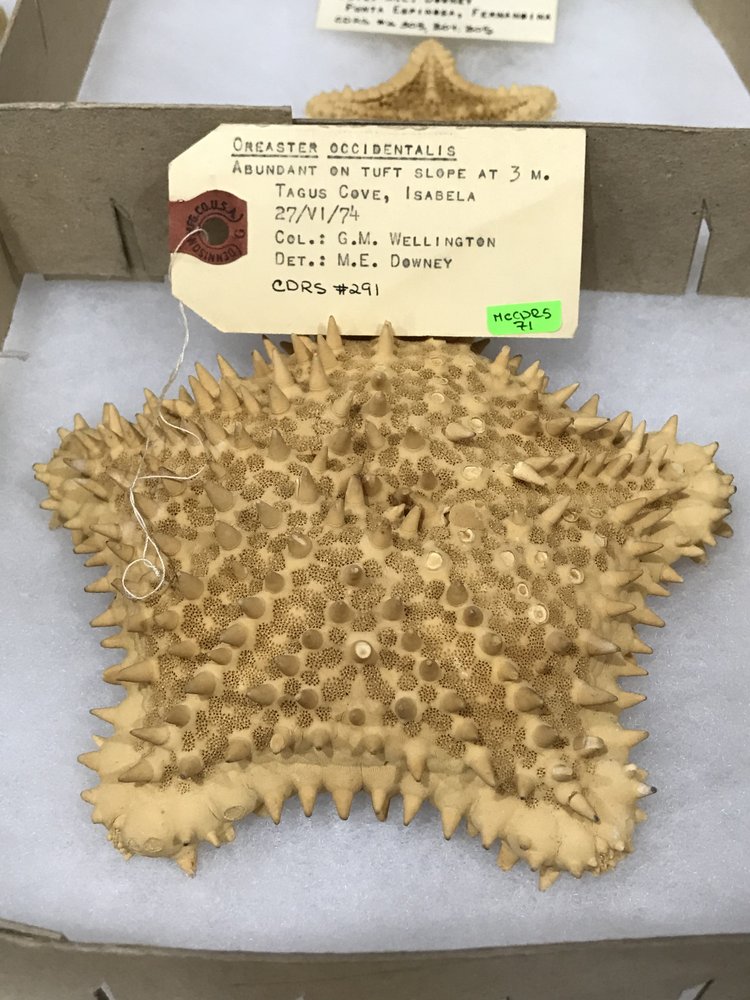
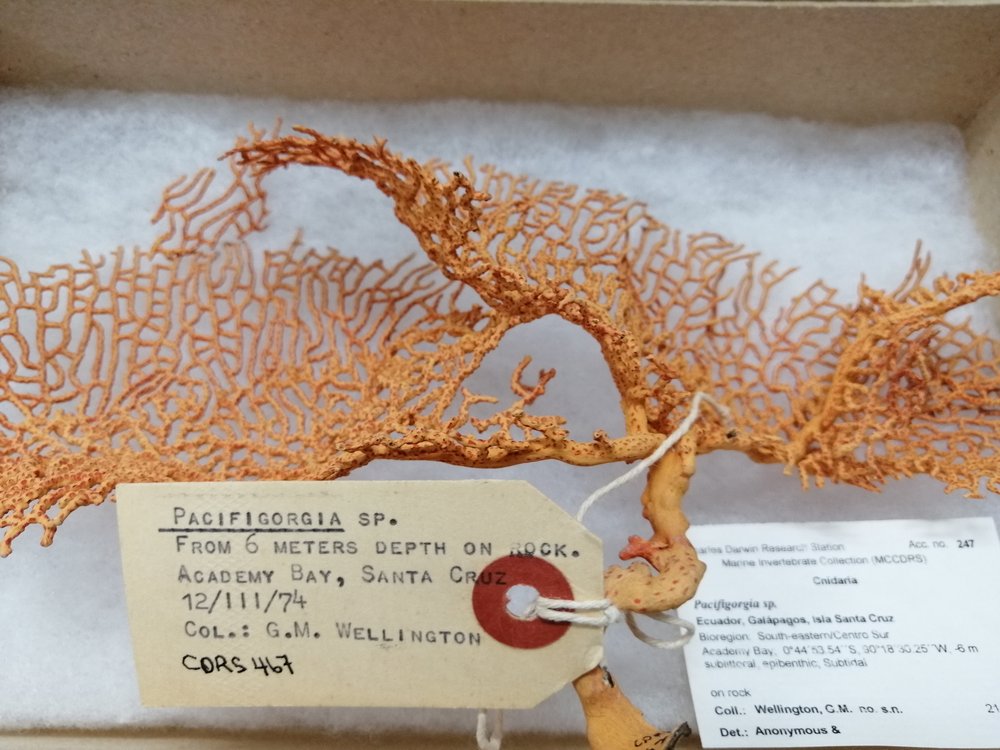
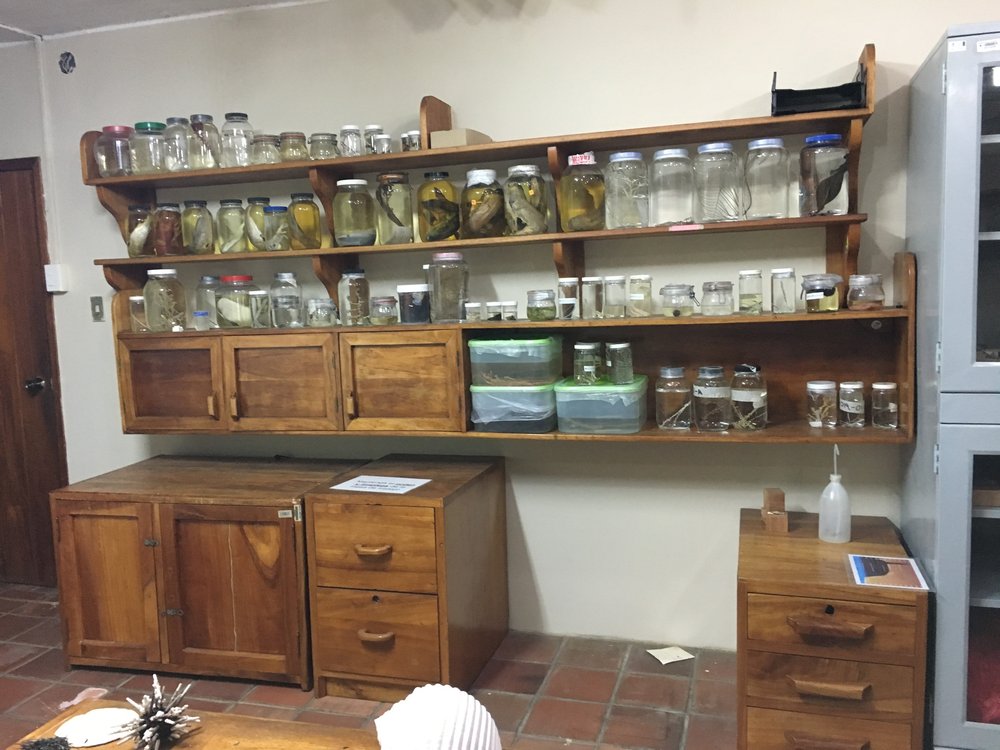
In the early years, researchers preserved and organized specimens from scientific expeditions using whatever materials were available. Jars, handwritten labels, and paper notebooks formed a system built through sheer persistence. Long before databases and specialized digital platforms existed, the collection relied on handwritten records and organizational methods that researchers developed through experience.
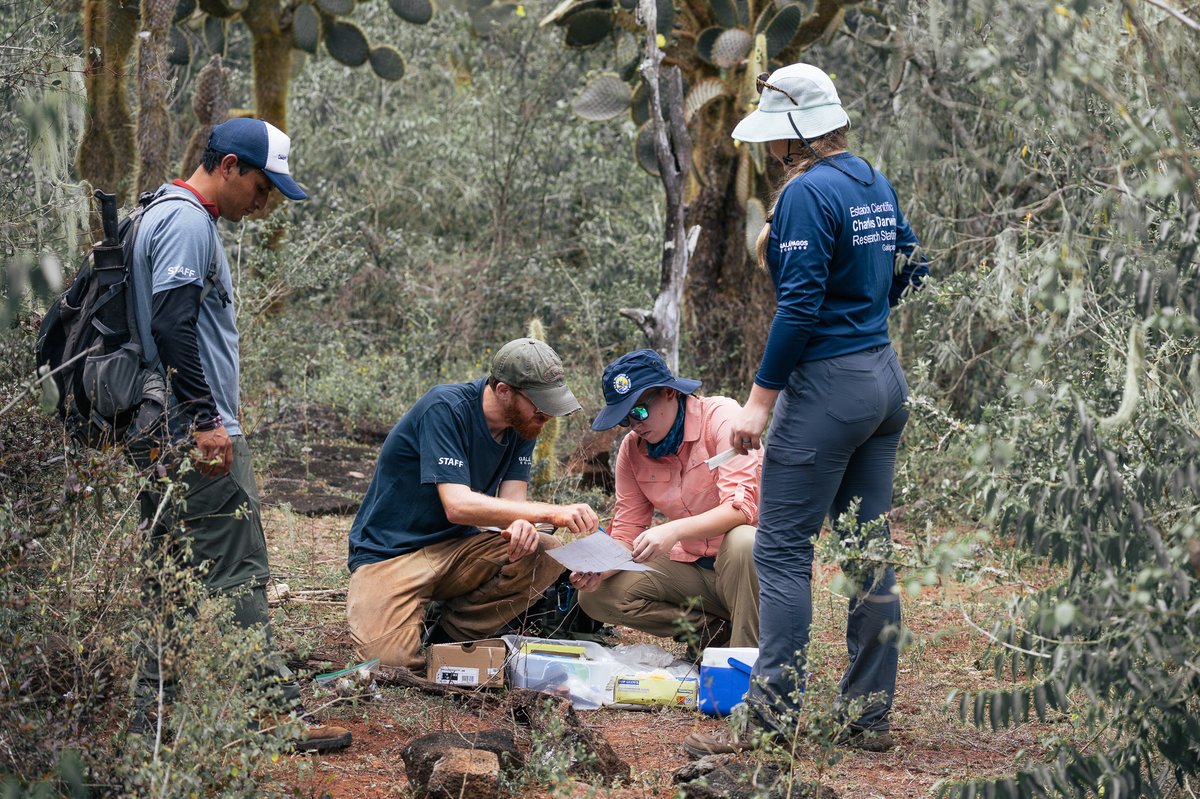
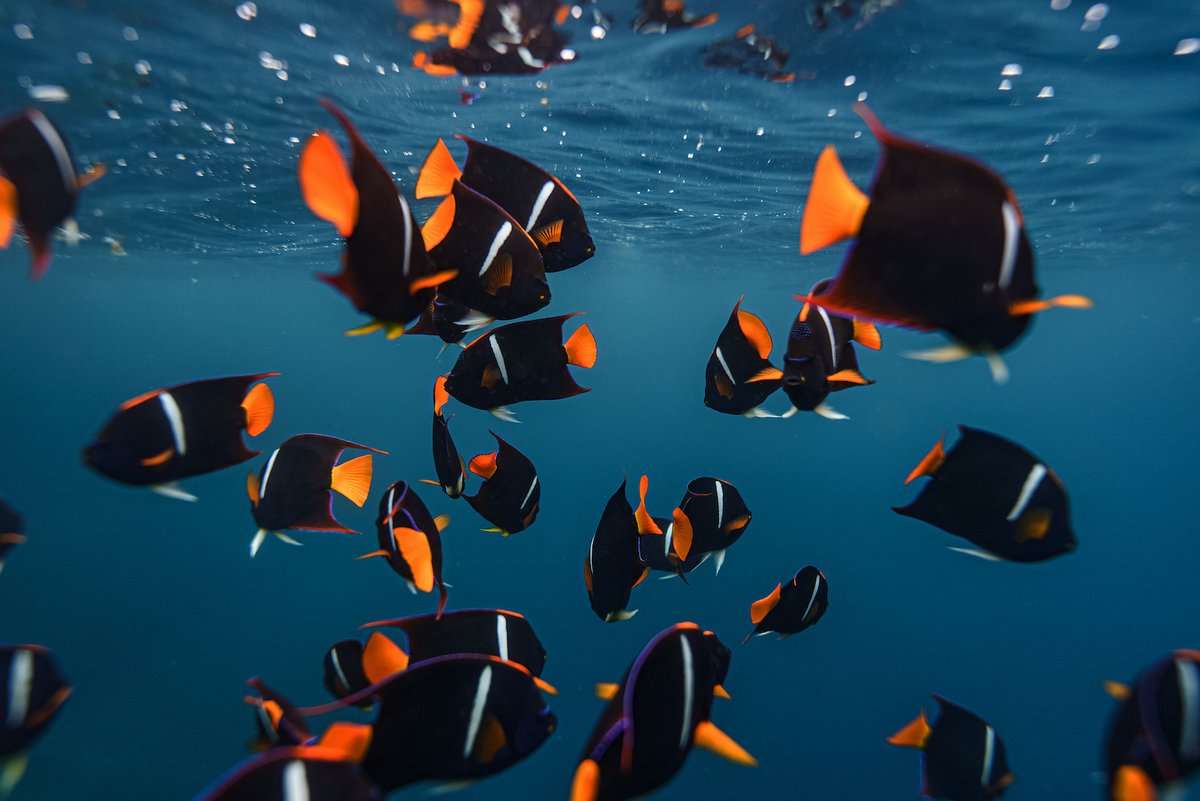
That pioneering work laid the foundation for today's Marine Organisms Collection. As specimens accumulated from scientific expeditions, ecological monitoring programs, and contributions from local fishermen and naturalist guides, the need for a permanent system to ensure their preservation and documentation became clear.
Lenyn Betancourt CDF
Archive CDF
Archive CDF
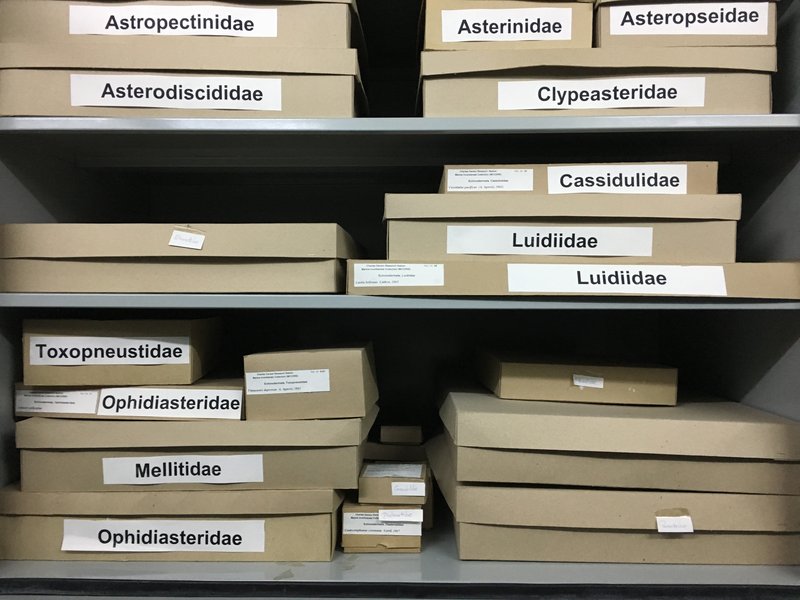
In 1979, the Charles Darwin Research Station took a decisive step and established a dedicated space to store organism samples. In 2008, it added specific subsections with controlled conditions. This process did more than improve infrastructure — it also built a lasting record capable of tracking Galápagos's marine biodiversity and the changes that occur in its ecosystems over time.
Every preserved sample carries information about where and when researchers collected it. That is why a scientific collection's value depends as much on the specimen itself as on the quality of its associated data.
The collection's documentation evolved as well. Staff first recorded data in a cataloguing notebook that gathered the available information on each sample. That original physical catalogue is preserved today in the Charles Darwin Foundation library, standing as testimony to the pioneering efforts to organize and preserve the knowledge generated on the islands.
At this stage, the collection went by the acronym CDRS, for Charles Darwin Research Station. Over time, its value grew beyond simple storage of scientific material. The collection began to establish itself as a tool for research, education, and conservation.
The People Behind Galápagos's Biodiversity Record
Stuart Banks and Frank Bungartz played a key role in this process, driving efforts to consolidate and elevate decades of reference material as a strategic resource for documenting changes in Galápagos's biodiversity. Dr. Cleave Hickman of the University of Virginia also contributed: his work in marine biodiversity and in training researchers, technicians, and students strengthened the collection's scientific and educational value.
As the Marine Organisms Collection grew, it faced the challenge of recovering and organizing decades of accumulated information. Field notebooks, labels, catalogues, spreadsheets, and historical records all needed review and had to be correctly linked back to their specimens.
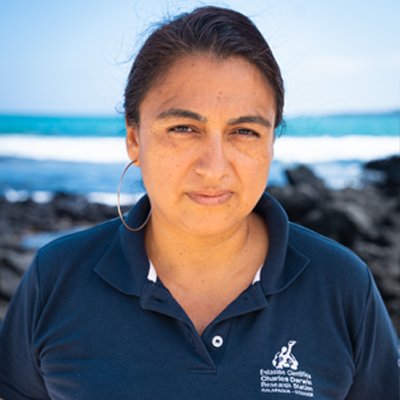
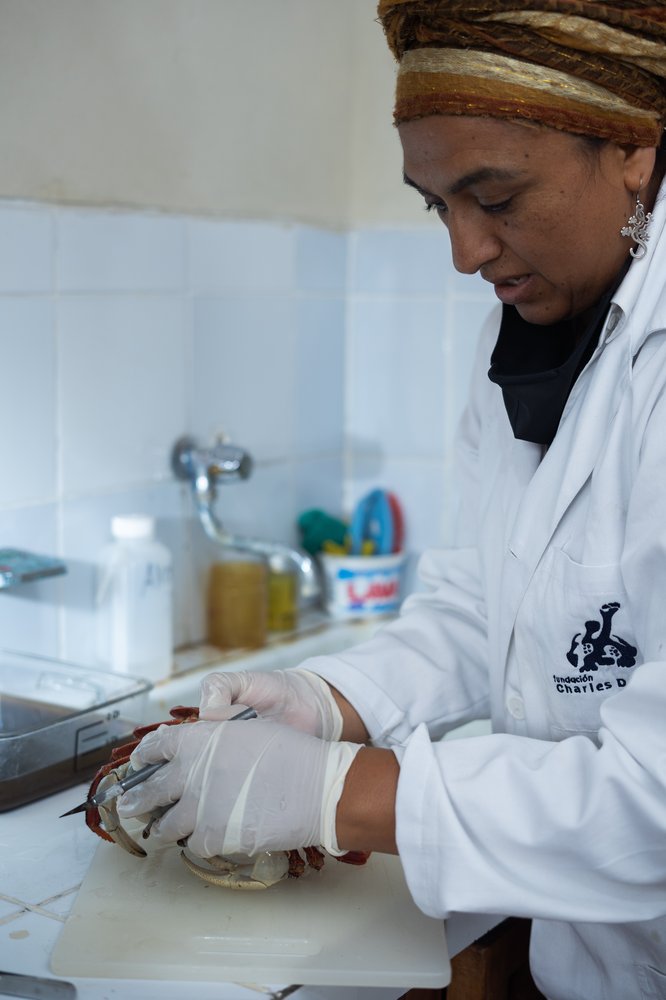
At a time when access to specialized technology in Galápagos remained limited, Nathalia Tirado-Sánchez and Rosita Calderón-Barrera led the recovery, review, validation, organization, curation, and digitization of thousands of historical records. Their work rescued information scattered across physical documents and reconnected it with the corresponding samples, strengthening the collection's scientific value and improving data access for future research. Galapagueños also took part in this effort — students, research assistants, volunteers, and local collaborators who broadened the project's educational reach and deepened the bond between science and community.
Rashid Cruz
A Heritage for the Future
Institutional consolidation came in 2014, when the collection officially registered with what was then Ecuador's Ministry of the Environment. This recognition formally incorporated it into Ecuador's scientific heritage and reinforced its role as a record of Galápagos’s biodiversity.Today, the Marine Organisms Collection serves multiple purposes. Its specimens and records support biodiversity research, help identify ecosystem changes, anticipate risks, strengthen biosecurity actions, provide information for the Galápagos National Park Directorate's management decisions, and support environmental education and scientific training.
The Charles Darwin Foundation also publishes the information associated with each specimen on its website, extending the collection's reach and making it accessible from anywhere in the world. In this way, work that began with notebooks, handwritten labels, and improvised spaces has grown into a scientific infrastructure of national and international significance.
The Marine Organisms Collection stands, in essence, as a living record of Galápagos's biodiversity. Each specimen preserves evidence of the past while also offering information that helps researchers understand the present and guide future decisions.
Behind every record lies a history of expeditions, research, curation, digitization, and collaboration. Preserving this collection means preserving knowledge — a legacy built over decades by the FCD and by the people who have helped study and conserve one of the most extraordinary archipelagos on Earth.
Archive CDF
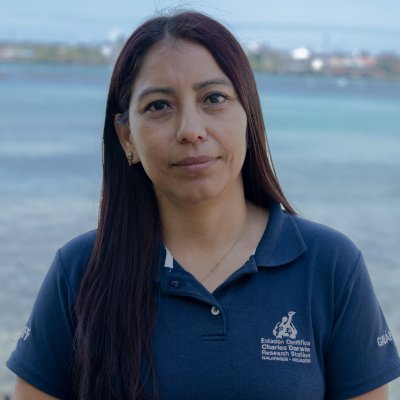
Rosita Calderón Barrera
Researcher