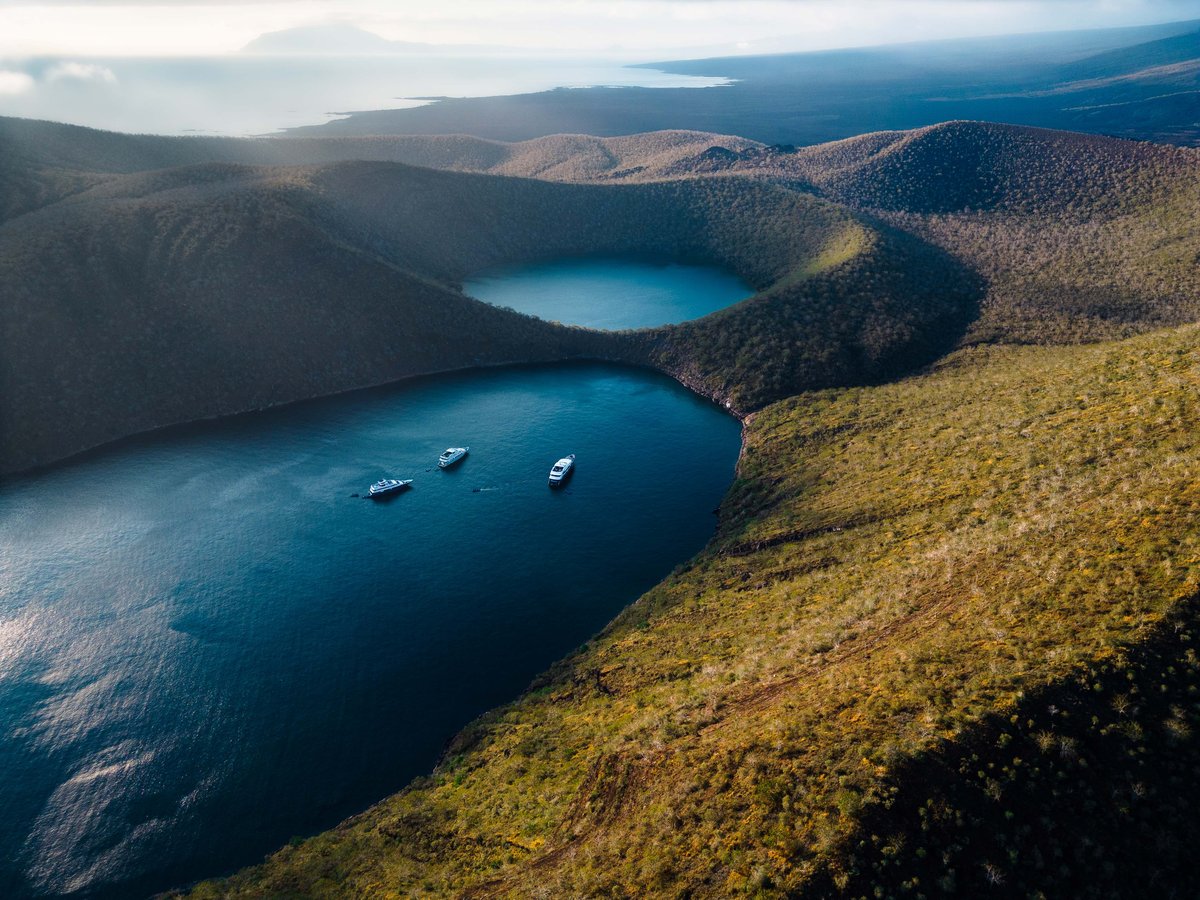
A new Galapagos Atlas that covers 68 species including distribution maps, and, unusually, catalogs everything scientists still don't know about them
The Charles Darwin Foundation's free 309-page digital reference gives every species a purpose-built distribution map and an explicit list of open unanswered questions in an effort to invite further studies and address knowledge gaps critical to these species’ sustainable conservation
PUERTO AYORA, Galapagos, Ecuador | 1 September 2026 - Most reference works tell you what science knows. The second edition of the Galapagos Atlas, published last week by the Charles Darwin Foundation, also tells you what it doesn't, species by species, and best of all, it is free to download online.
Every one of the 68 species and species groups profiled in the 309-page volume carries a section headed "Information Needs": a plain-language account of the questions the fact sheet's authors have not yet been able to answer. Read together, they amount to an unusually candid research agenda for one of the most studied places on Earth. Among the gaps flagged by Charles Darwin Foundation researchers:
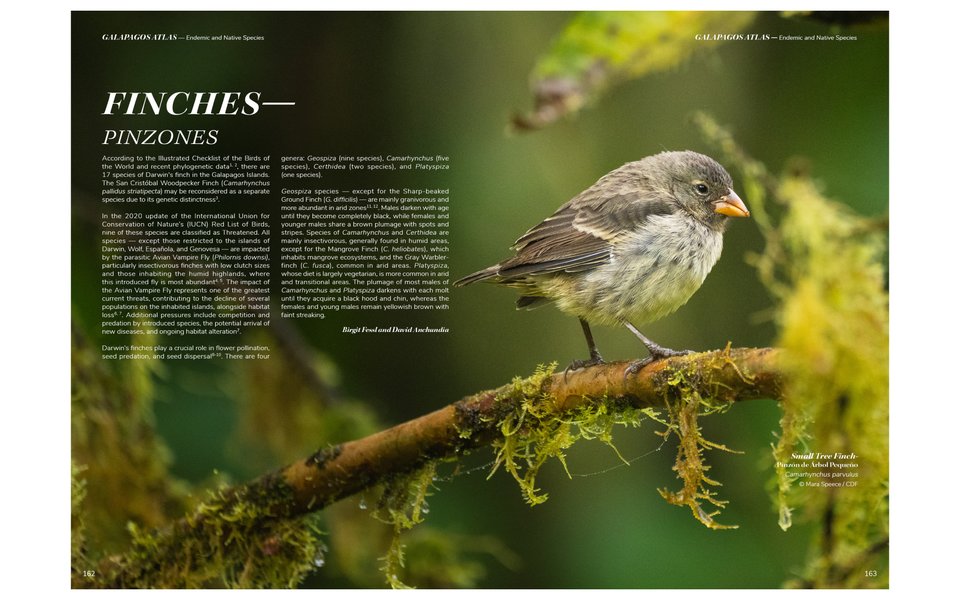
- The Mangrove Finch, the rarest bird in Galapagos with 60 to 80 individuals and fewer than 15 breeding pairs, is confined to two mangrove patches on Isabela Island totaling 33 hectares. Whether it survives in any other mangrove on Isabela or Fernandina (where it used to be present) is unknown, and long-term juvenile survival data are scarce. The birds are so cryptic that years can pass between repeat sightings of an individual.
- The Waved Albatross breeds almost entirely on a single island. Highly pathogenic avian influenza has now reached Galapagos, and the Atlas flags the lack of early detection systems for pathogens in the species' breeding areas, many of which are visited by tourists, as a critical gap. The implications of plastic ingestion by the species is a second open question.
- The Yellowfin Tuna, which accounts for the largest fishery landings by volume in the Galapagos Marine Reserve, has no current population estimate – neither its size nor its population structure within the reserve is known.
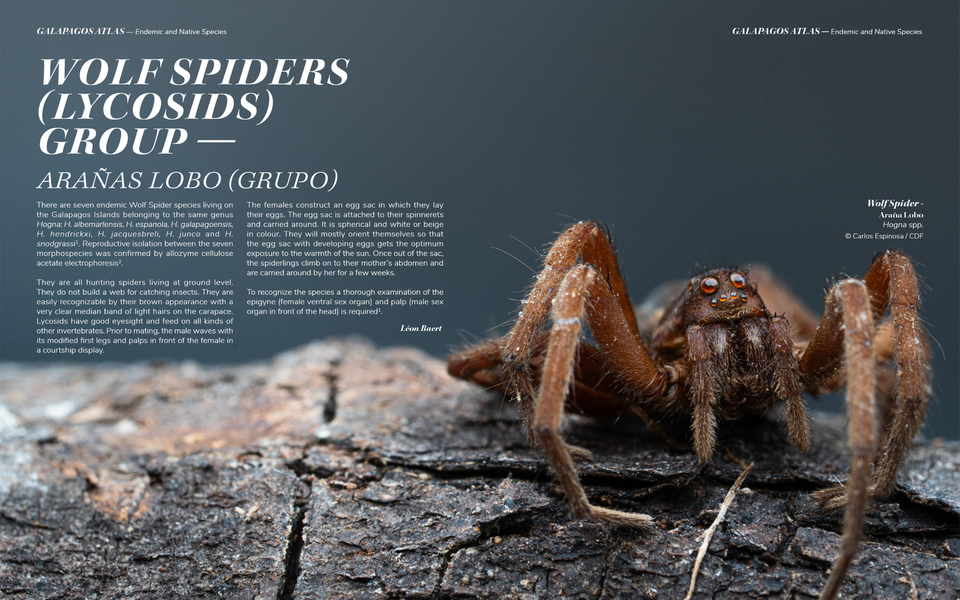
- Lichens may be one of the least understood groups in the archipelago. At least a third of all species remain undocumented, and this despite CDF's own extensive inventory that has recorded more than 100 species new to science.
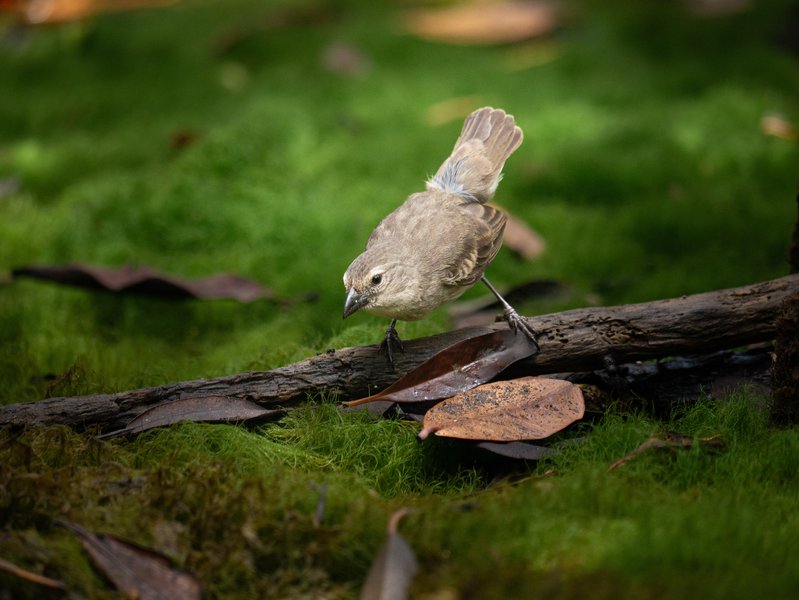
María Igual/ CDF
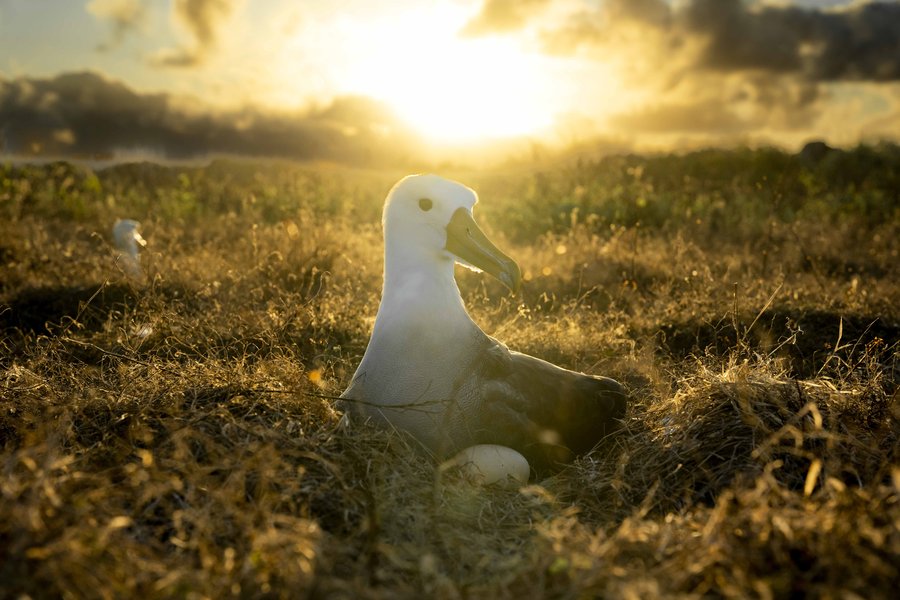
Carlos Espinosa/CDF
The Atlas presents these gaps less as failures than as an agenda.
"After nearly two centuries of research, it would be easy to assume Galapagos has given up all its secrets," said Rakan Zahawi, Executive Director of the Charles Darwin Foundation. "It hasn't. Every gap in this Atlas is an open invitation to explore. There is a career's worth of work and more here for the students and scientists willing to take it on."
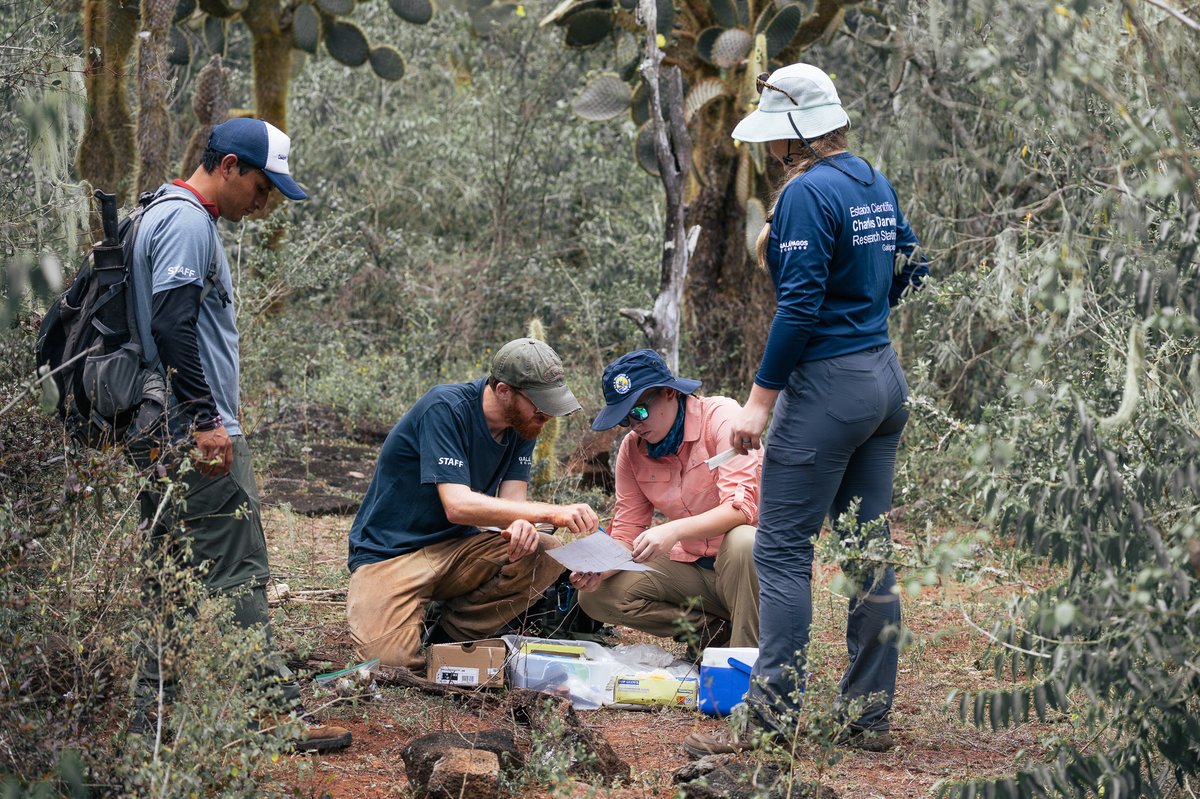
This edition is the work of 87 authors and contributors, including scientists, park rangers and collaborators across multiple institutions. It is an update on the first edition that was published in 2018.
Why 69, and not 6,000
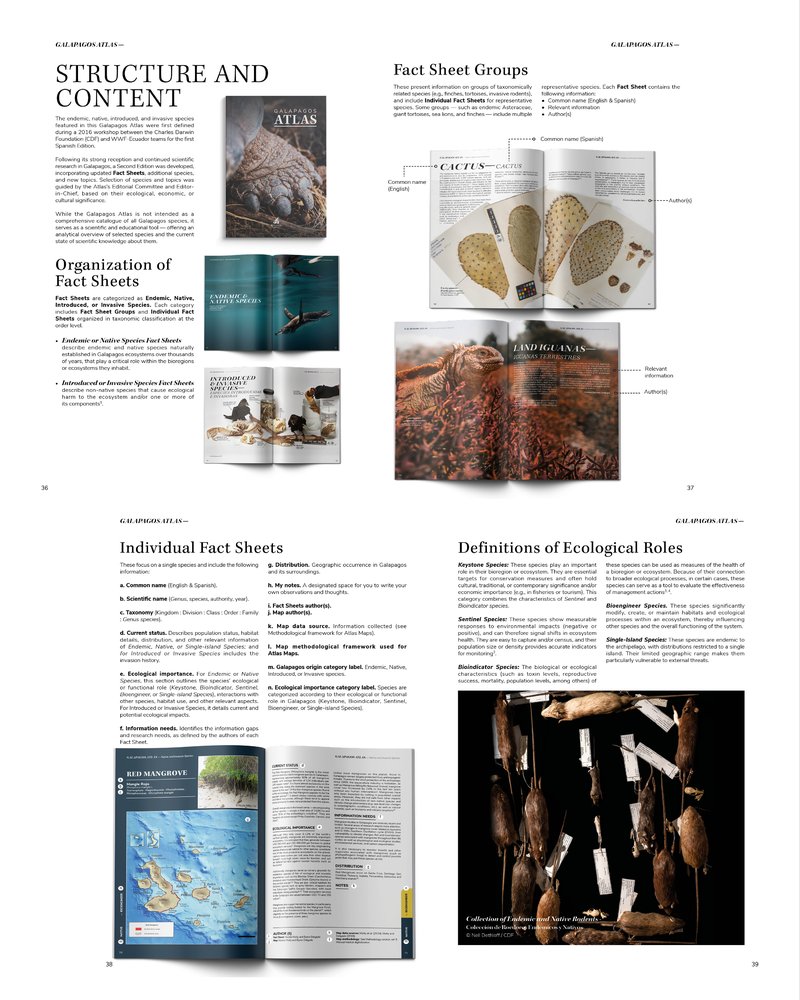
The Atlas is explicit that it is not a catalog of everything living in Galapagos. Its 69 entries were selected by the Atlas Editorial Committee and Editor-in-Chief on grounds of ecological, economic or cultural significance as well as what is currently known about a given species.
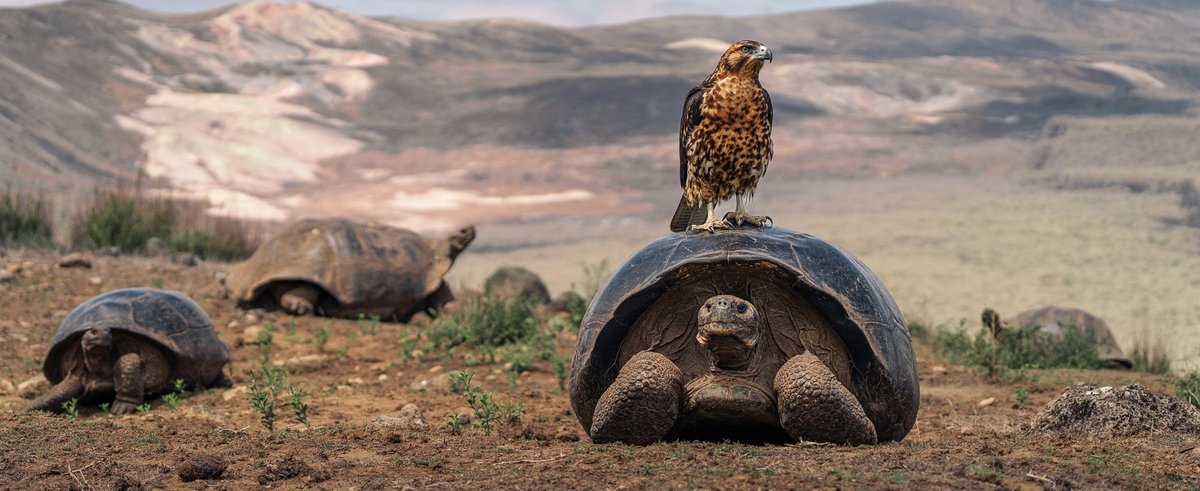
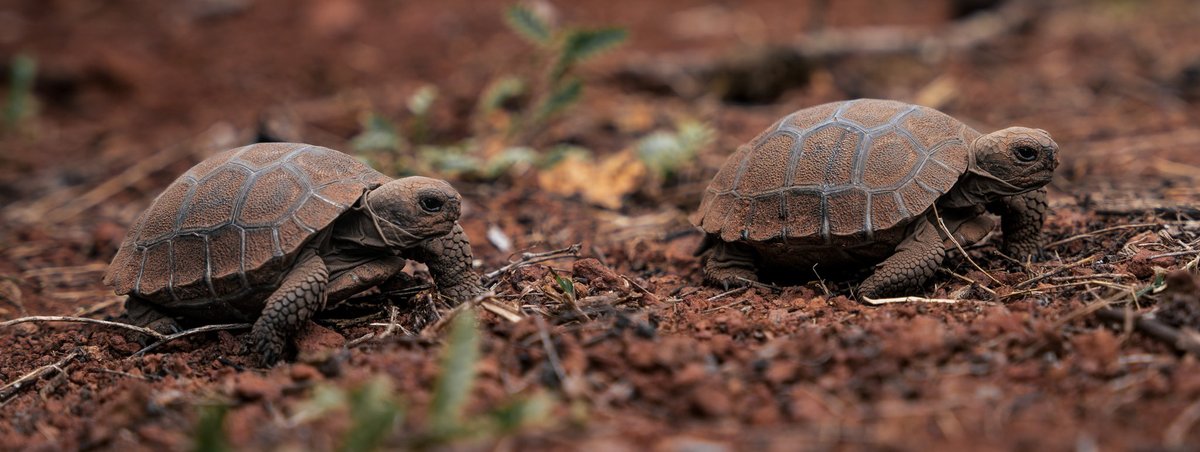
"The Atlas started with what sounds like a simple question: what are the most important species in Galapagos? And found it has no simple answer," Gustavo Jiménez, Editor-in-Chief of the Galapagos Atlas 2026, and a Principal Investigator at the Charles Darwin Foundation. "Important to whom, and for what? We made the criteria explicit rather than leaving it to instinct. A species earned its place if it shapes the system around it: a bioengineer that builds the habitat others depend on, like the red mangrove or the giant tortoises; a sentinel whose numbers register environmental change before instruments do, like the Waved Albatross; a bioindicator whose breeding success reveals the health of a whole bioregion such as the Marine Iguana; or a single-island species whose entire world is one shoreline. Every fact sheet carries its category on the page. Readers can see exactly why each species is included, and judge for themselves what we may have left out."
Many entries are not single species but groups. For example, the finch entry covers 17 species; the giant tortoise entry covers 15; other group entries handle mockingbirds, lichens, endemic ants, wolf spiders, lobsters and invasive rodents, each with individual profiles for representative species. The result is intended as an analytical overview of the current state of knowledge rather than an inventory — which is precisely what makes the Information Needs sections load-bearing.
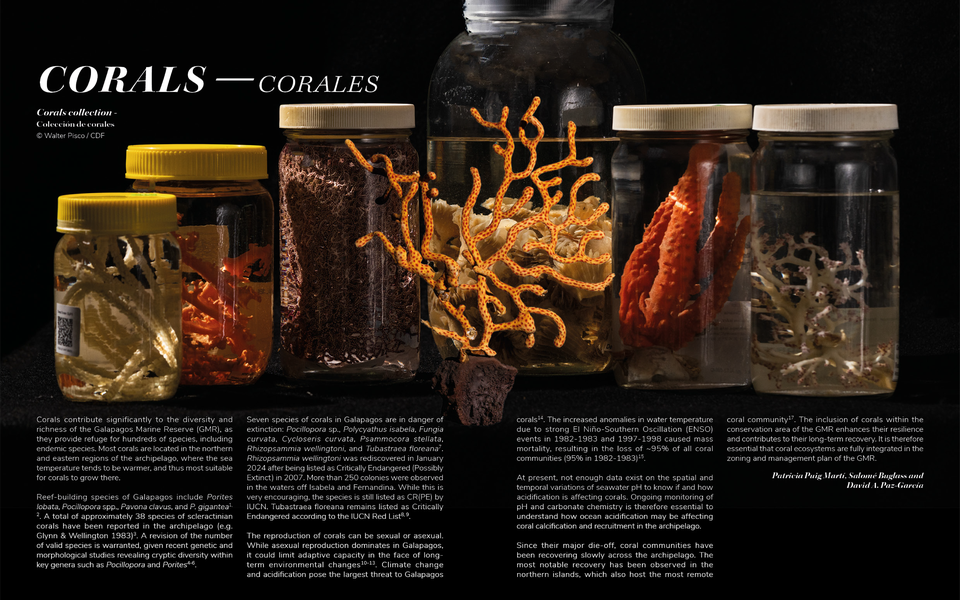
CDF
CDF
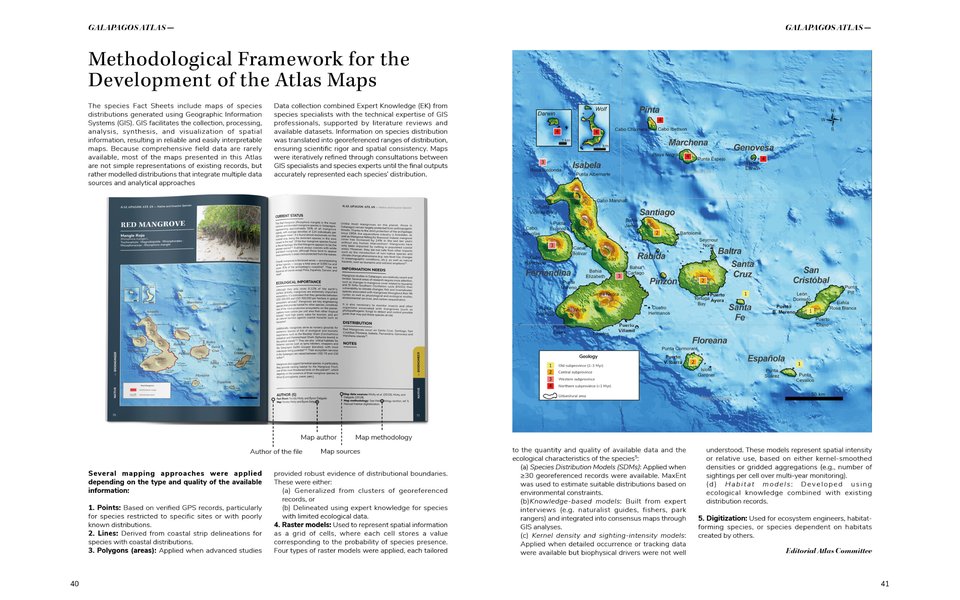
Maps built from scratch
Each profile pairs a distribution map developed specifically for the publication with an assessment of the species' current status and ecological role. Because comprehensive field data are rarely available for the archipelago, most maps are not plots of existing records but modeled distributions: expert knowledge from species specialists, naturalist guides, fishers and park rangers, combined with literature and available datasets, that are then refined iteratively with GIS specialists into consensus maps. The Atlas sets out the full methodology, including which of five mapping approaches was applied to each species and why.
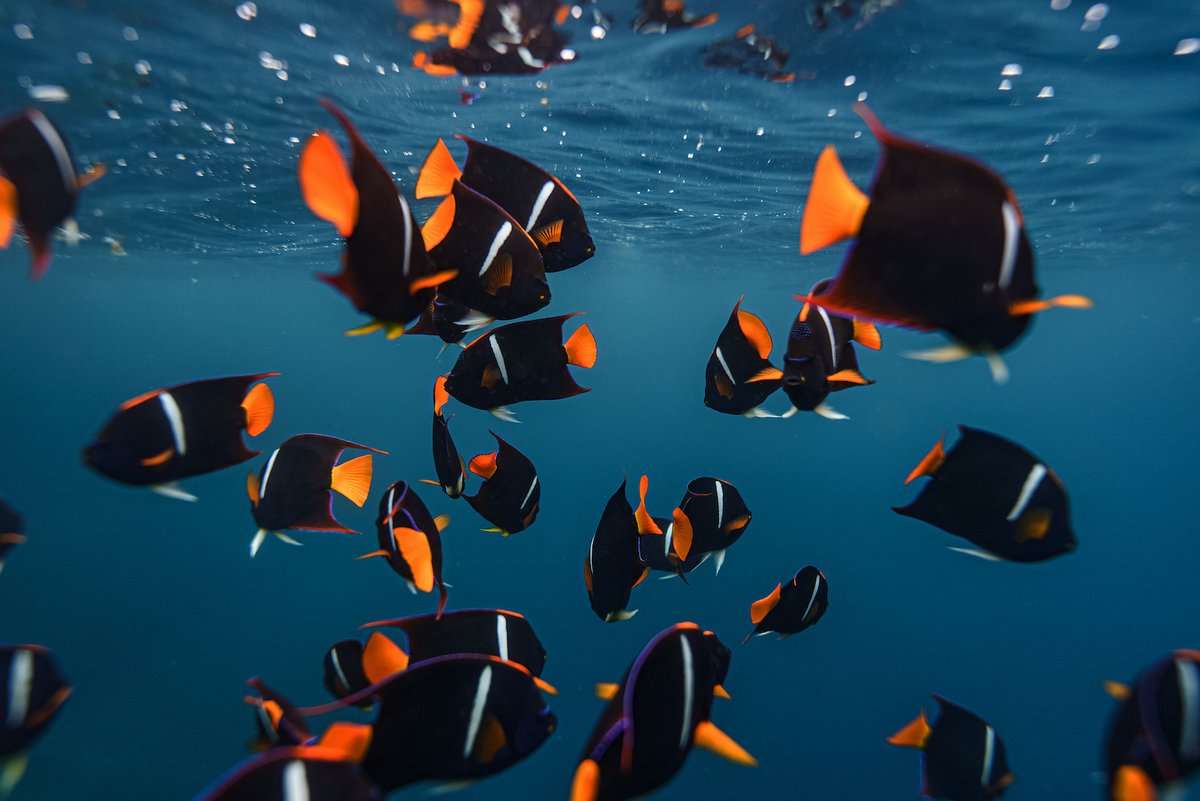
Coverage runs from kelp forests and stony corals to giant tortoises, marine iguanas, Darwin's finches and the Galapagos Penguin. Scientific names appear alongside common names in both English and Spanish.
CDF
New in this edition: what's arriving, not just what's been here
This edition adds dedicated sections on introduced and invasive species and on the pathogens and parasites now threatening native wildlife.Among them is the Avian Vampire Fly (Philornis downsi), an introduced parasite whose larvae cause chick mortality in Darwin's finches and which the Atlas identifies as one of the greatest threats to the archipelago's land birds.
Opening chapters set the wider context: the geology of the islands, ocean currents and climate, ecosystems and bioregions, the history of human presence in Galapagos, Charles Darwin's own observations, and the origins of conservation science in the archipelago. Appendices map the island-by-island distribution of giant tortoises, mockingbirds and finches.
Boris Herrera / CDF
A shared resource
The 2026 Galapagos Atlas is published as a free digital download. A hardcover edition is available from the Charles Darwin Research Station in Puerto Ayora, with proceeds supporting the Foundation's research programs.
"Galapagos reminds us that conserving biodiversity begins with knowing and understanding it," said Zahawi. "This Atlas brings together the work of dozens of scientists, park rangers and collaborators, and it is published freely, because knowledge that stays in one place helps no one."
This second edition is published in English, with species names given in both English and Spanish; the first edition, published in 2018, was in Spanish and is also available for free online.
The 2026 Galapagos Atlas is intended for researchers, students, naturalist guides, protected-area managers, decision-makers and visitors, as well as anyone interested in the archipelago's natural heritage.
Download the 2026 Galapagos Atlas here: Galápagos Atlas
ISBN 978-9978-53-077-1 · 309 pp.
--ENDS--
Notes to editors:
For media enquiries please contact:
Charles Darwin Foundation
Ambre Tanty-Lamothe or Daniela Ibarra | comunicacion@fcdarwin.org.ec
About the Charles Darwin Foundation
The Charles Darwin Foundation for the Galápagos Islands (CDF) is an international non-profit organization that has operated in Galápagos since 1959 under a special agreement with the Government of Ecuador. Its mission, and that of its Research Station, is to address the greatest threats and challenges facing Galápagos through scientific research and conservation actions, to protect one of the world’s most important natural treasures. Today CDF supports more than 25 research, conservation, and education projects across land and sea, and is the custodian of over 137,000 specimens in its Natural History Collections. Its diverse team of more than 140 scientists, educators, and support staff is composed primarily of Ecuadorian citizens, with over 60 % from Galápagos. For more information, please visit: www.darwinfoundation.org