Flying Over Otherworldly Landscapes
When people think of Galapagos, they usually imagine white sand beaches, giant tortoises, blue-footed boobies, and sea lions. And yes, all of that is part of the charm. But my experience in the archipelago has been very different, and honestly, much more profound. I have had the privilege of spending my days working on vegetation mapping—a task that has taken me to the most remote corners and the most breathtaking landscapes in the heart of these unique islands.
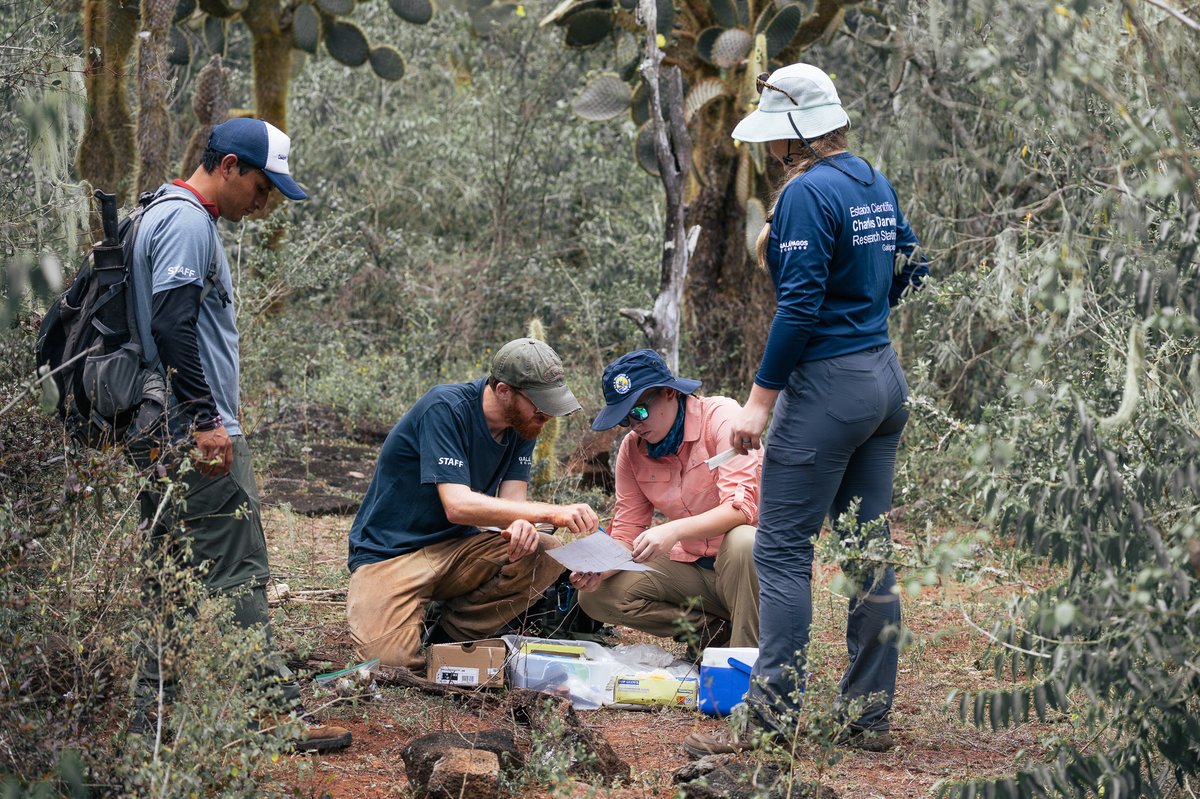
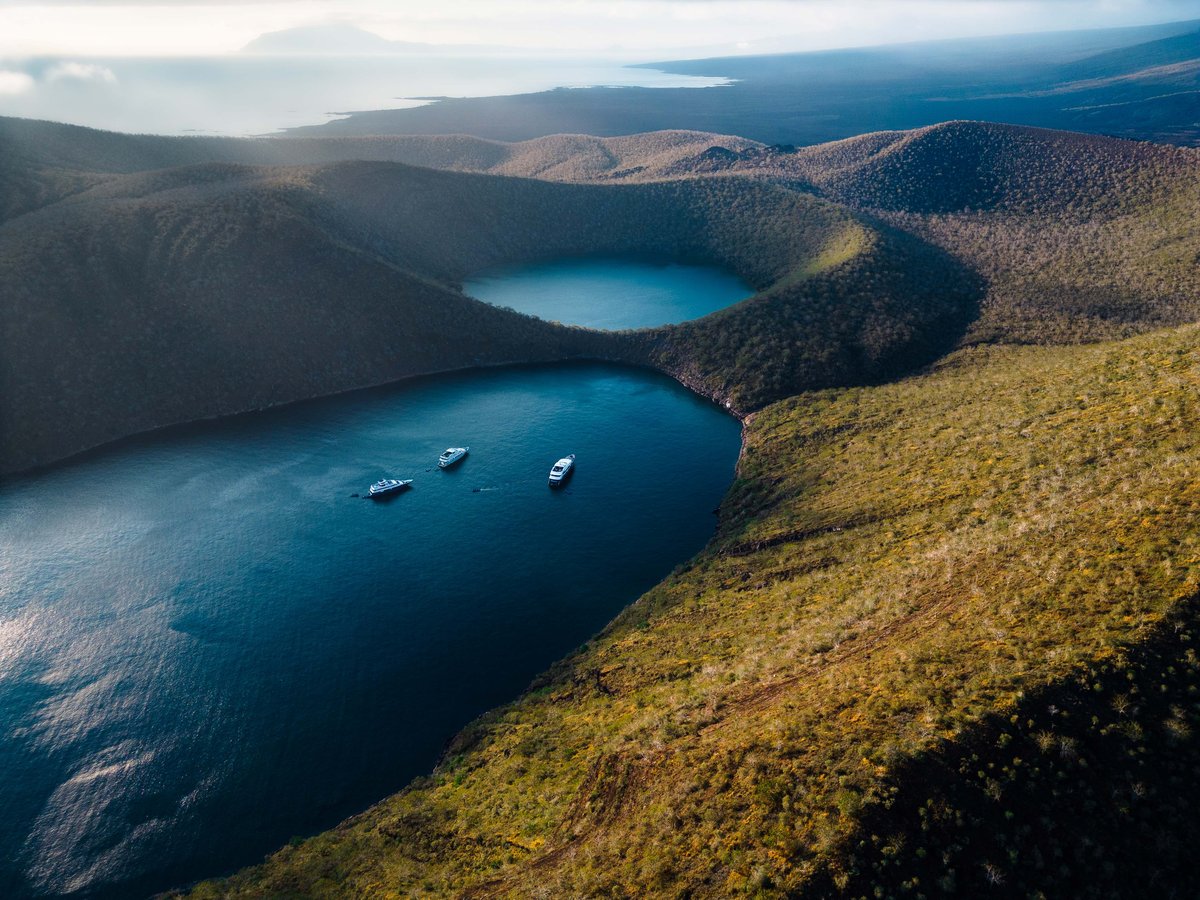
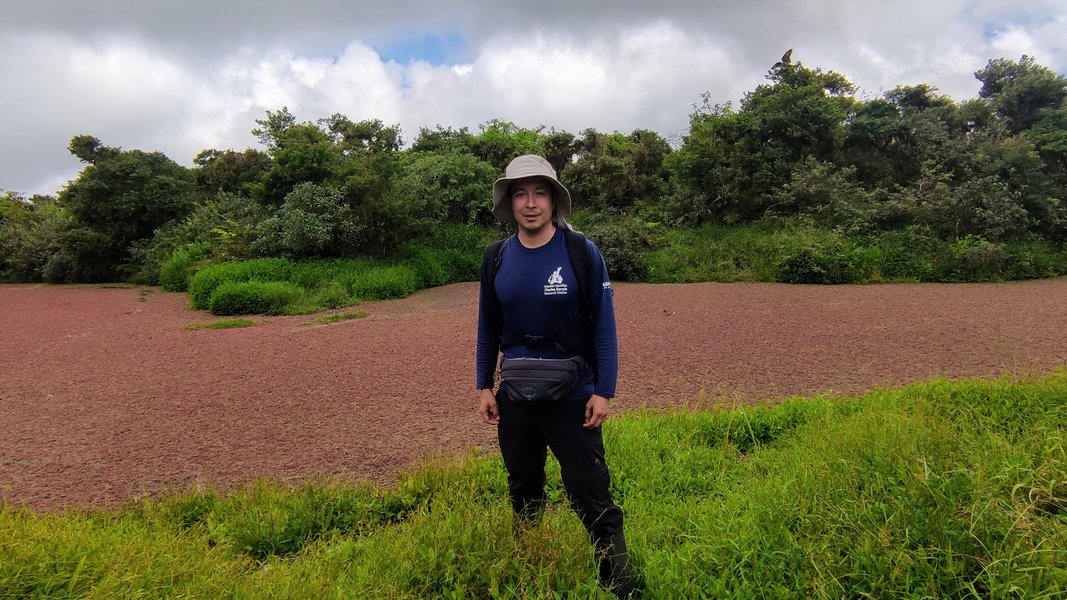
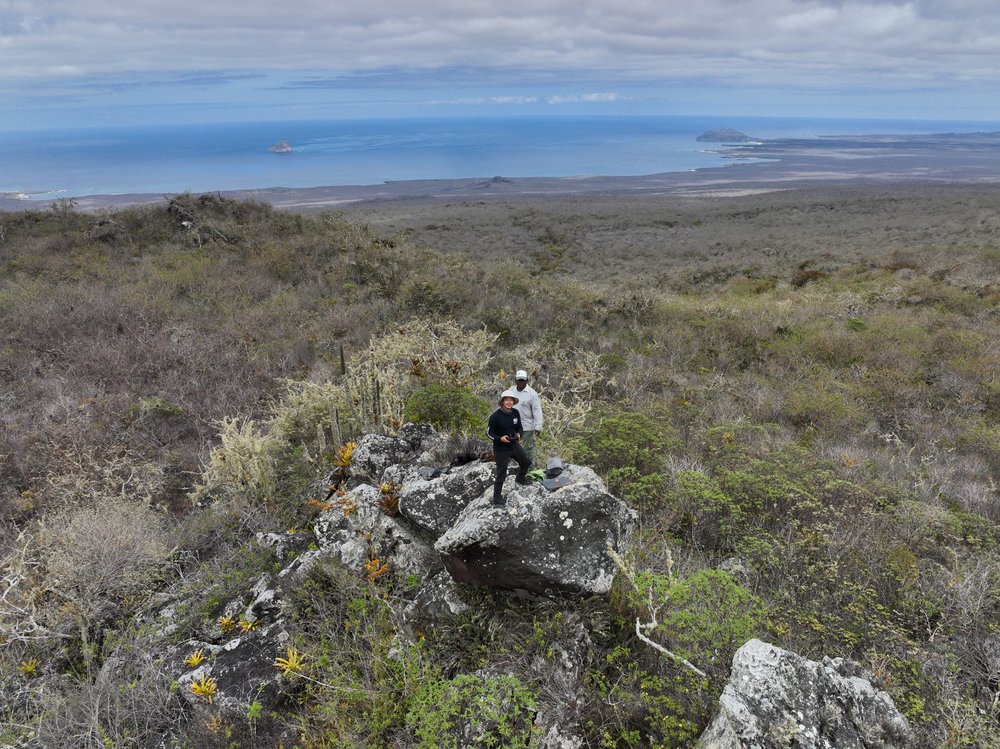
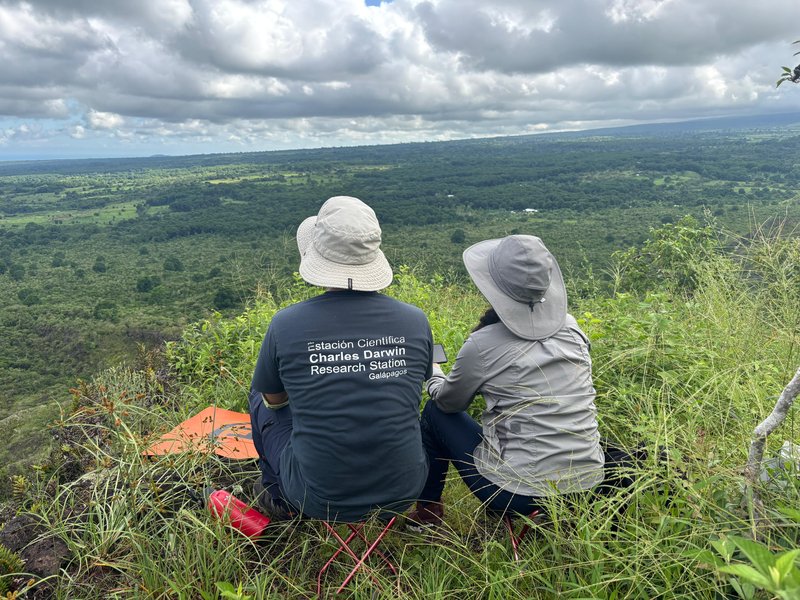
For several days a year, my "office" is set among the ever-changing landscapes of Galapagos. Every day of fieldwork is an adventure. I traverse lava trails, cross areas of dense vegetation, and climb rocky hills to find the perfect vantage point. My goal is to reach places with wide views to take off the drone. It becomes my eye in the sky, capturing the aerial imagery that will be transformed into detailed vegetation maps.
But this work isn’t easy. Field days can be long, sometimes exceeding 12 hours of activity, and the terrain is often a true challenge. Imagine carving a path through thorny plants and thick brush with a heavy backpack, all while staying focused on not taking a wrong step or falling into the crevices hidden beneath leaf litter, rocks, and lava boulders. Caution is mandatory, and in these cases, it is my best ally. Getting lost is a possibility, but while I rely on my compass and GPS for orientation, the real lifesaver is the guidance of the experienced park rangers and field assistants who always accompany me. Their knowledge is invaluable and makes the work not only possible but safe.
Ángel Ramón DPNG
The rewards of exploring the unexplored
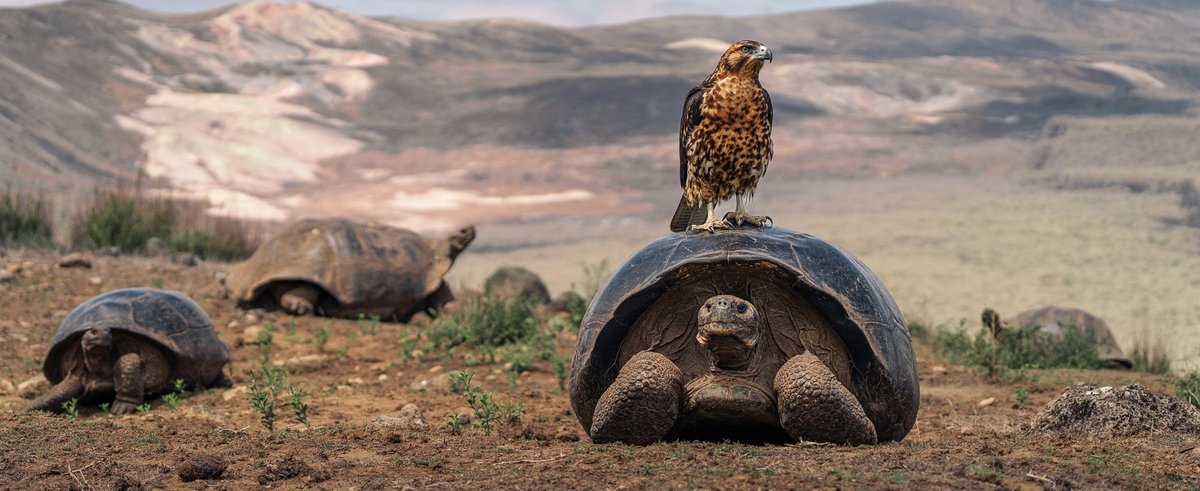
Despite the challenges, the rewards are immense. The feeling of exploring areas practically untouched by humans is exceptional. I have seen breathtaking landscapes with unique geological formations, inhabited by unique and amazing species. In these remote places, the wildlife behaves completely naturally, unfazed by human presence. There, you can witness wildlife in its purest habitat, a privilege I will treasure forever.
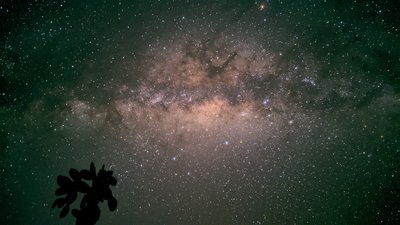
One of the most incredible experiences I’ve had was camping on an uninhabited island. Far from light pollution, the sky becomes a spectacle of stars. Observing the Milky Way from such a place is an image engraved in my memory that reminds me of the vastness of the universe.
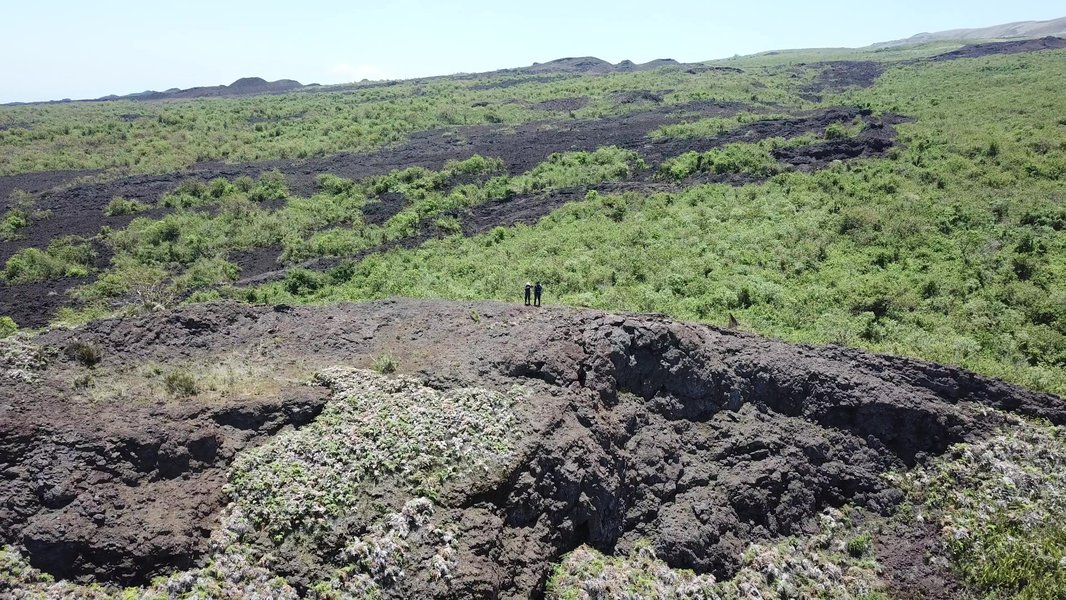
But the magic doesn’t only happen in the sky; on the ground, the show is just as impressive. I have visited places that show how, slowly but inevitably, life wins the battle against the rock, turning lava deserts into ecosystems teeming with life. Beyond the iconic postcards, these ecosystems are the islands' best-kept secret, reminding us that even in the most inhospitable terrain, nature always finds a way to thrive.
Paul Leon CDF
Pedro Gómez FCD
Paul Leon CDF
The Importance of a Collective Effort
All this work has a greater purpose: generating high-quality scientific information. Vegetation maps are essential tools for conservation. They help us understand the Galapagos ecosystems, monitor changes, and make informed decisions to protect this natural treasure.
My work is hard, yes, but it is also incredibly rewarding to know that every step, every drone flight, and every piece of data collected contributes to preserving the future of these islands. My experience here has taught me that conservation is not an abstract concept, but a collective effort that requires dedication, passion, and, sometimes, a good dose of adventure.
Paul Leon CDF