
Cerro Pajas: Where the Fight to Save the Galápagos Petrel Began
How a five-year programme on Floreana turned a declining seabird colony into one of the first conservation success stories in Galapagos.
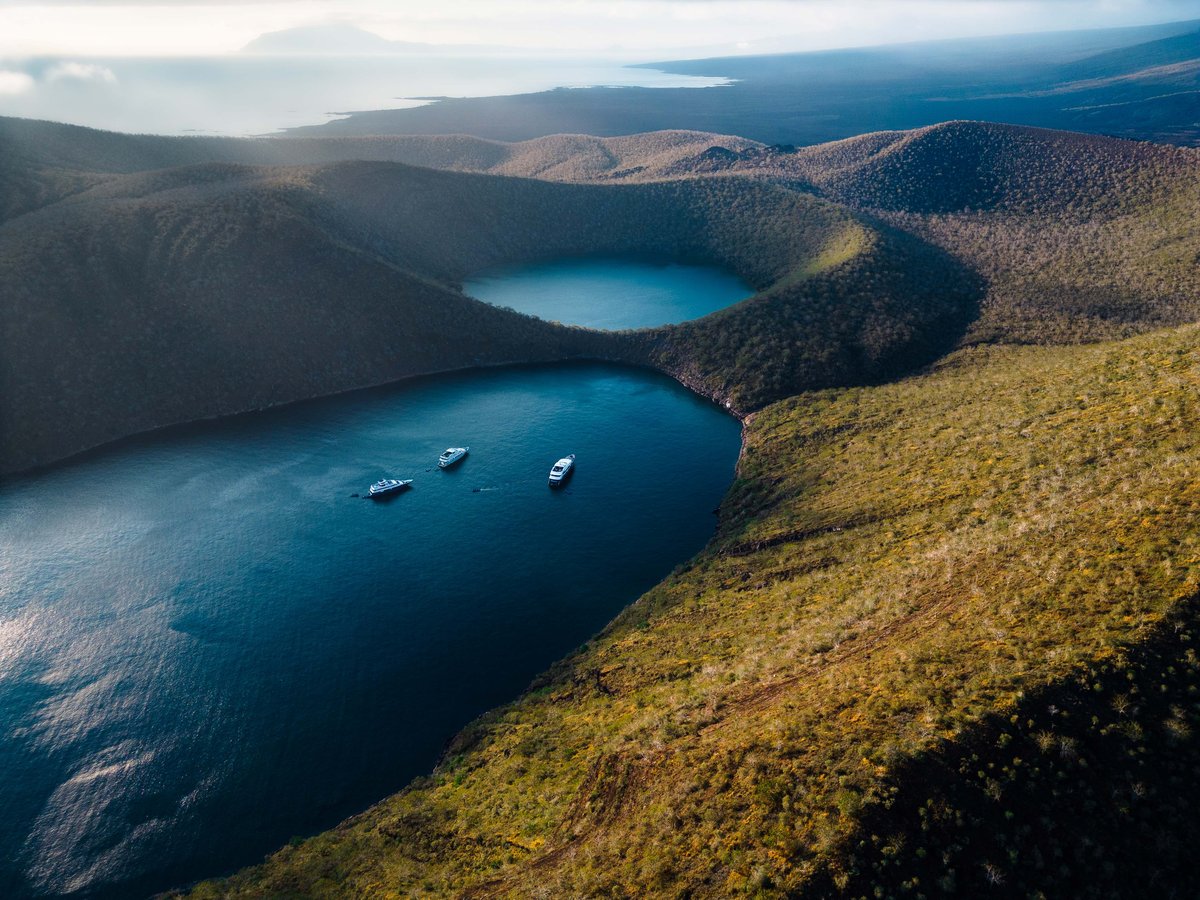
When night falls over the highlands of Floreana, the ocean seems to climb the mountain. From somewhere over the Pacific, Galápagos petrels (Pterodroma phaeopygia) return to the island. They fly through the darkness, cross the coastline, and head toward the humid slopes of Cerro Pajas, where their burrows lie hidden. For thousands of years, they made this journey without encountering rats, cats, pigs, goats, or donkeys.
But by the early 1980s, something was happening on the mountain: too many petrels were entering the forest, and too few young birds were making it out. The story of their conservation began with an effort to understand those absences.
Why Galápagos petrel numbers were falling
Studies conducted since the late 1960s had revealed extremely low breeding success in some colonies. Research by the Charles Darwin Research Station and the Galápagos National Park Service later confirmed troubling population declines. On Floreana, Malcolm C. Coulter and his colleagues identified Cerro Pajas as the largest known colony at the time and warned that it, too, could be experiencing a severe decline.
Archive CDF
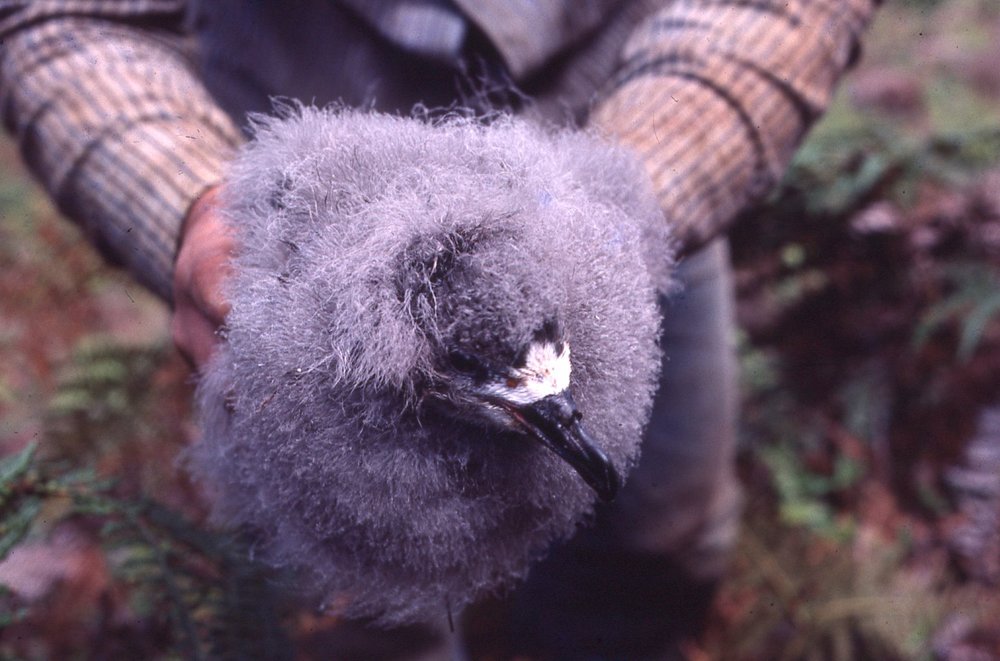
The threat was, quite literally, inside the nests. Black rats ate eggs and chicks, cats hunted the birds, and pigs destroyed nests. Goats, donkeys, and cattle altered vegetation and trampled burrows. Human activities in the islands’ highlands further reduced suitable habitat. Galápagos was confronting the cumulative consequences of two centuries of introduced species.
Then came a question that would change the history of the petrel: could conservationists intervene?
The people behind the first petrel conservation project
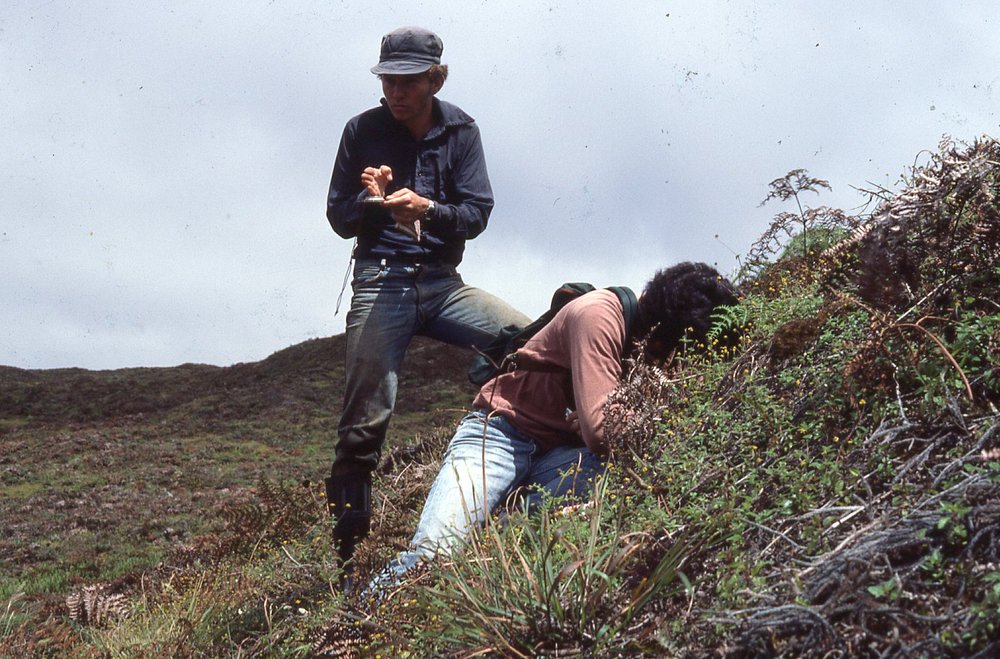
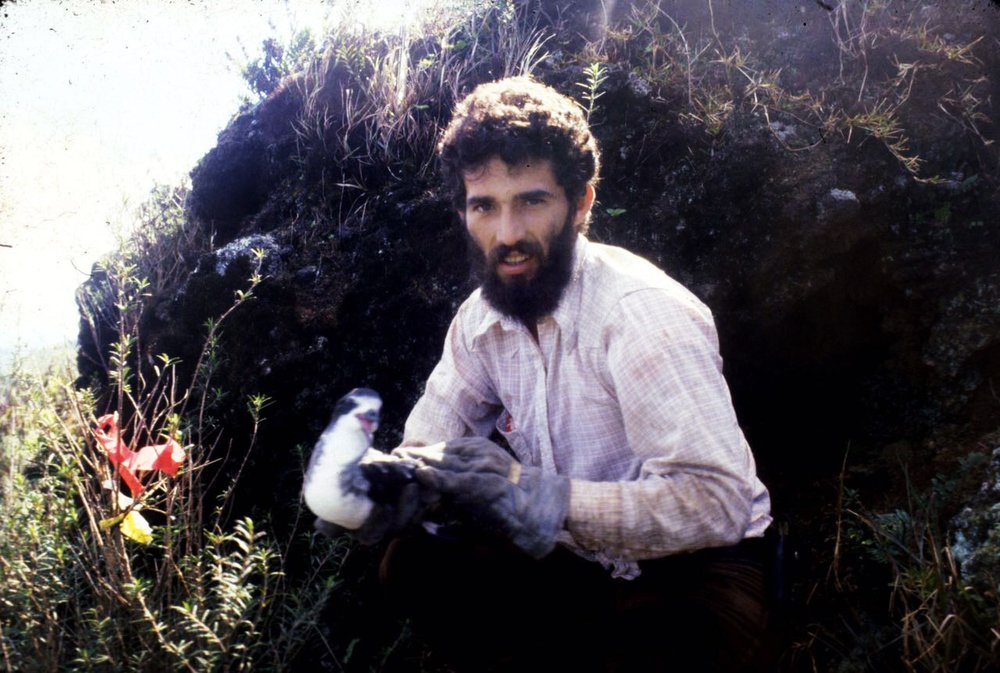
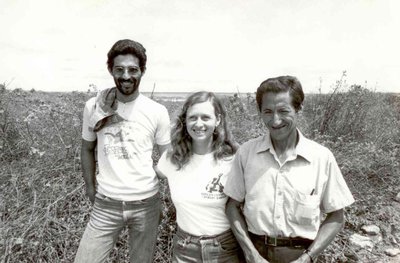
One of the central figures in this early effort was Malcolm C. Coulter, an ornithologist at the Charles Darwin Research Station. He worked alongside Felipe Cruz, a Floreana resident with intimate knowledge of Cerro Pajas. Researchers and conservation practitioners such as Justine B. Cruz also joined the effort, while international specialists helped design the conservation strategy.
Archive CDF
Archive CDF
Archive CDF
1982: a five-year plan to control invasive species on Floreana
In 1982, the World Wildlife Fund funded the Charles Darwin Research Station and the Galápagos National Park Service to launch a five-year conservation program. Its objective was ambitious for the time: control rats, cats, pigs, goats, and donkeys within Floreana’s petrel breeding colony.
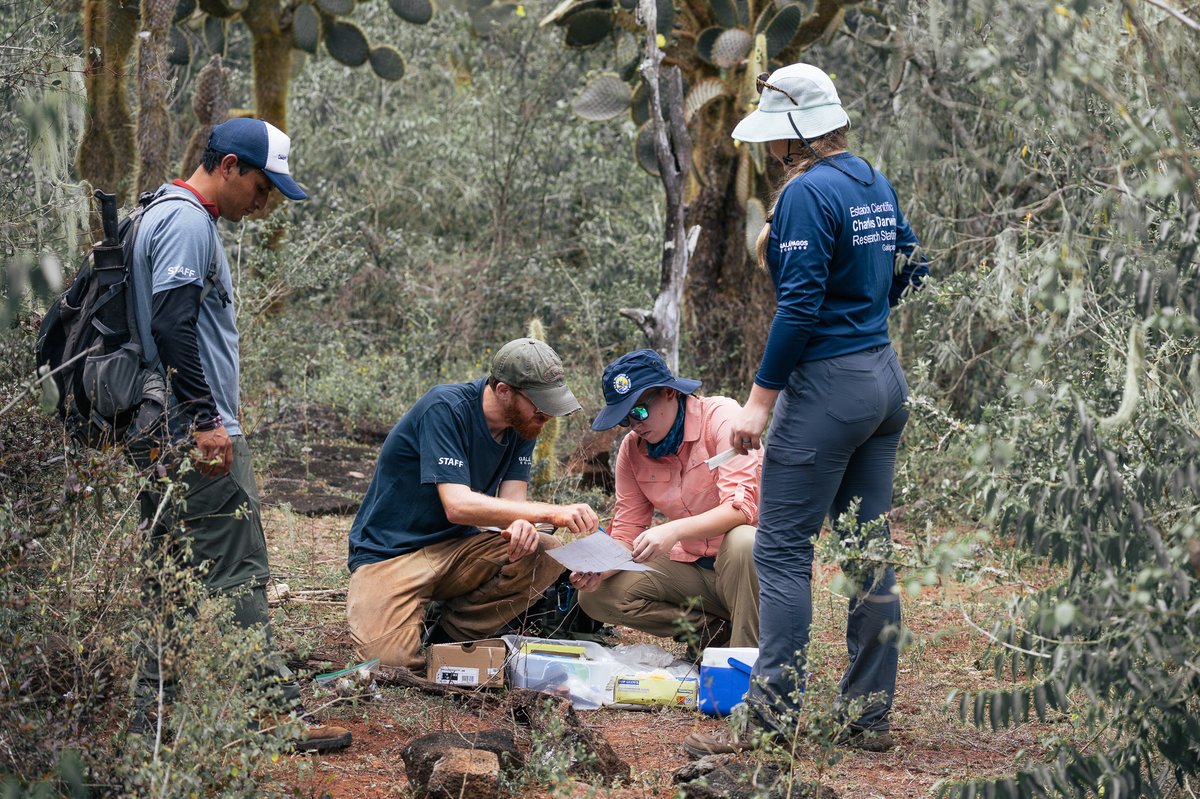
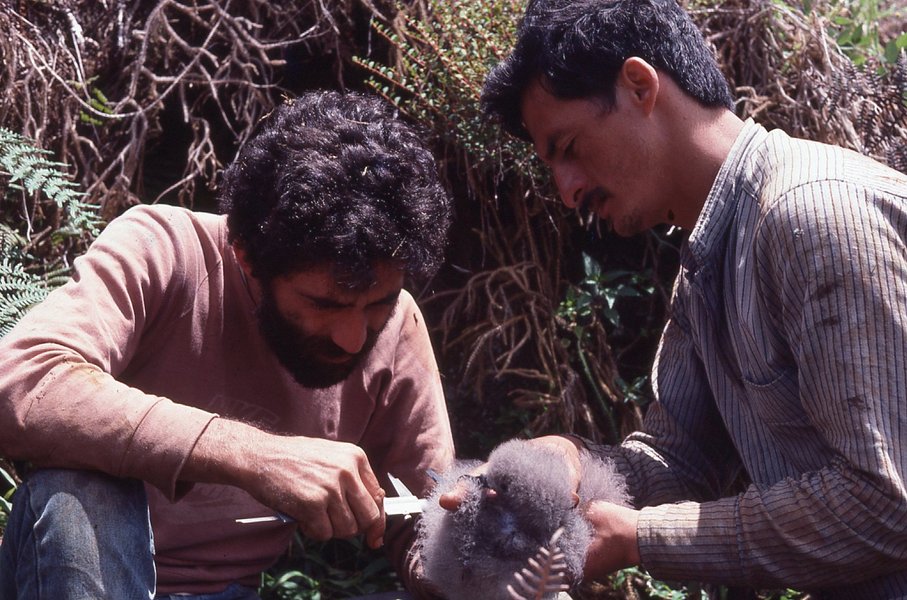
Conservation was no longer simply about observing what was happening. Teams had to climb the mountain, search for burrows among the vegetation, mark nests, check eggs, follow chicks, and return repeatedly to the same sites. They placed bait to control rats and targeted other introduced animals that threatened the colony.
Did predator control work?
Systematic predator control began in 1983. And it worked. The number of chicks successfully leaving the main breeding colony increased in eight of the nine years later evaluated. The evidence showed that reducing pressure from introduced mammals could alter the reproductive fate of the Galápagos petrel.
During those early years, scientists, technicians, field assistants, and park rangers gradually transformed research into day-to-day conservation management. Protecting the petrel was no longer solely a scientific experiment; it became part of the institutional work of the Galápagos National Park.
Artificial burrows and recorded calls
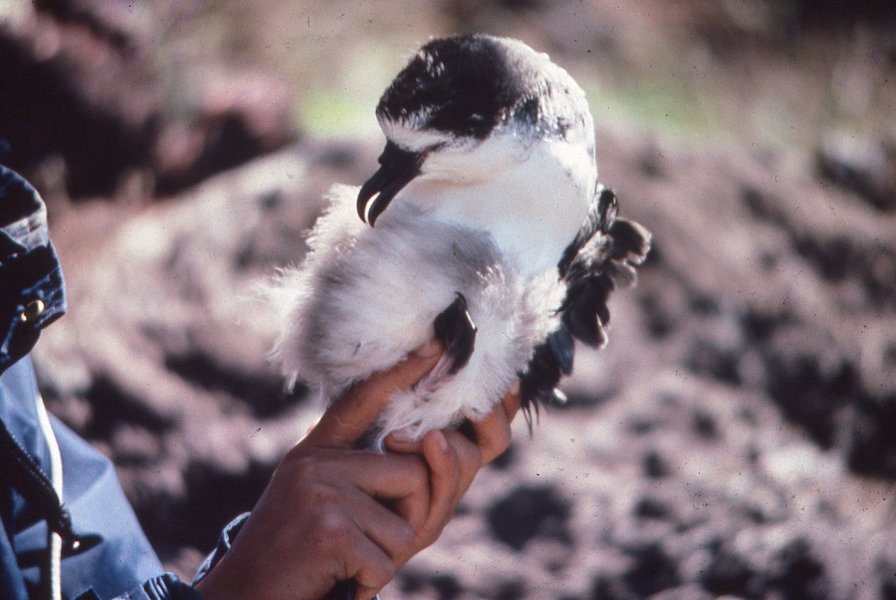
Felipe and Justine Cruz continued investigating the effects of rat control and measuring nesting success. They also explored approaches that were innovative at the time, including artificial burrows and recorded petrel calls designed to attract young birds to safer sites. Some of those birds eventually returned and bred there.
But the work revealed another crucial lesson: if predator control stopped, the threat could return. The petrel’s survival depended on sustaining conservation efforts year after year. Protecting an area, therefore, could only be the beginning. When people and introduced species have profoundly altered an ecosystem, conservation requires active management, restoration, monitoring, and, sometimes, decades of intervention.
Archive CDF
What Cerro Pajas taught conservation in Galapagos
Coulter helped establish the scale of the problem and launch the scientific response. Felipe Cruz brought detailed knowledge of the landscape and became a key figure in the project’s continuity. Justine Cruz helped turn years of fieldwork into scientific evidence. International specialists contributed their expertise. Park rangers and conservation practitioners ensured that decisions made in reports and meetings ultimately became action on the slopes of Cerro Pajas.
In 1996, Justine B. Cruz and Felipe Cruz published a review of the conservation work carried out between 1982 and 1991. They concluded that predator control had increased the number of chicks successfully reaching the fledgling stage. More than four decades later, that conservation experience allows us to see Cerro Pajas differently. It marks a shift in the history of conservation in Galápagos: from documenting ecological decline to actively trying to reverse it.
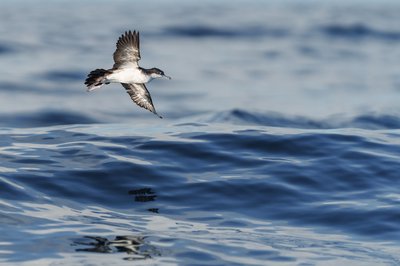
One morning, after months of incubation, rat control, field surveys, rain, notebooks, and vigilance, a young petrel emerges from its burrow. It has never seen the ocean. It moves through the vegetation, spreads its wings, and finally leaves its nest behind.
For the people who worked on that mountain, the flight represented more than another figure in a dataset. It was evidence that the effort had worked.
Joshua Vela
Archive CDF

Roberto Maldonado
Communications and Media Officer
Frequently asked questions
Is the Galápagos petrel endangered?
Yes. The Galápagos petrel (Pterodroma phaeopygia) is classified as Critically Endangered on the IUCN Red List, with an estimated 6,000–15,000 mature individuals and a declining population trend.
Where do Galápagos petrels nest?
They nest in burrows dug into the humid highlands of five islands: Floreana, Santa Cruz, San Cristóbal, Santiago and Isabela. Cerro Pajas, on Floreana, was identified in the early 1980s as the largest known colony at the time.
What threatens the Galápagos petrel?
Introduced rats, cats and pigs prey on eggs, chicks and adults. Goats, donkeys and cattle degrade nesting habitat, and agricultural expansion in the highlands has reduced the area available for burrows.
Why is Cerro Pajas important?
It was the site of the first sustained predator-control programme for the species, launched in 1982. The results showed that active management could reverse breeding failure, and helped shift conservation in Galapagos from documenting decline to intervening against it.