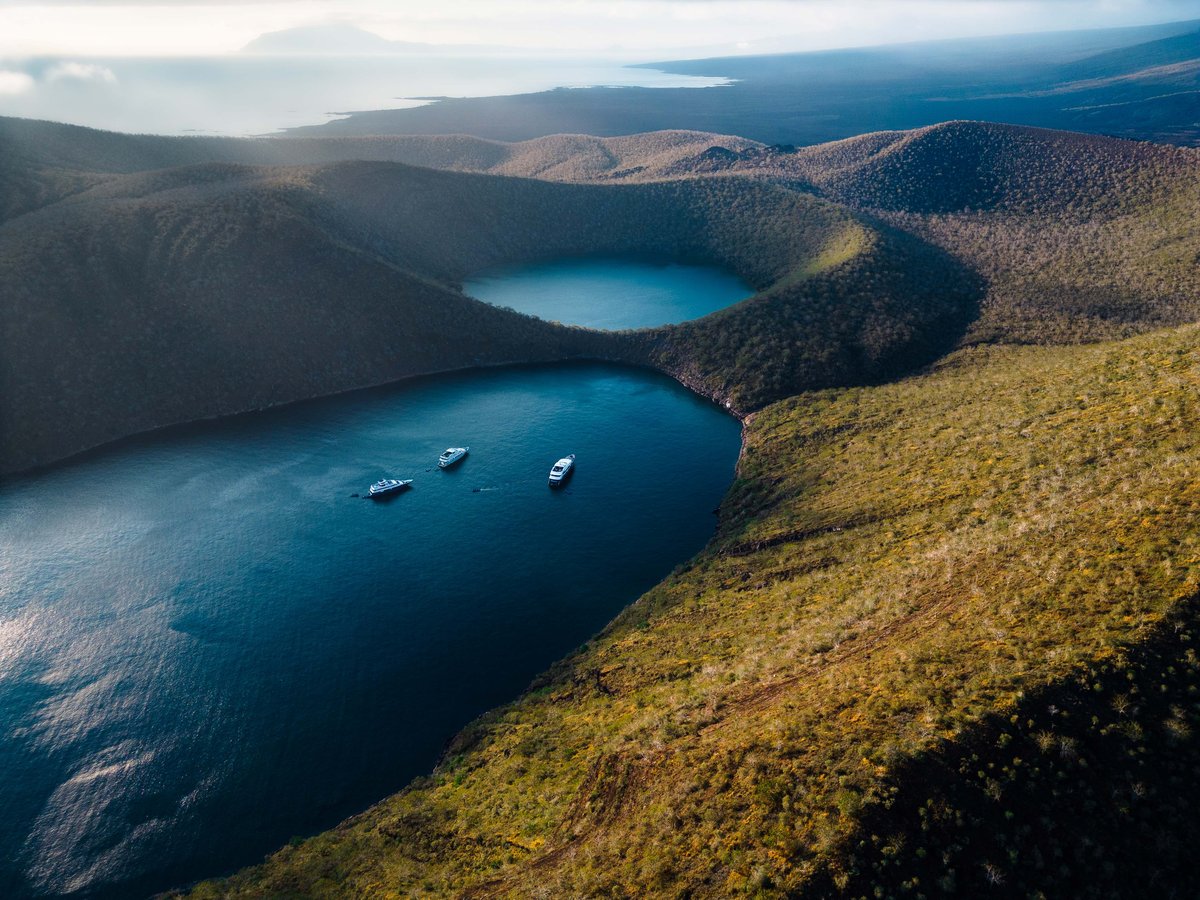

Galapagos Sea Turtles Unfiltered: Born Beneath The Tide
Only a handful of photographers have been sent to Quinta Playa in recent years, a site only available to researchers and park rangers. I was lucky enough to be one of them, as a volunteer photographer for the Charles Darwin Foundation. Over five days, I experienced its endless beaches and remote beauty while getting a rare, unfiltered insight into the world of sea turtle conservation.
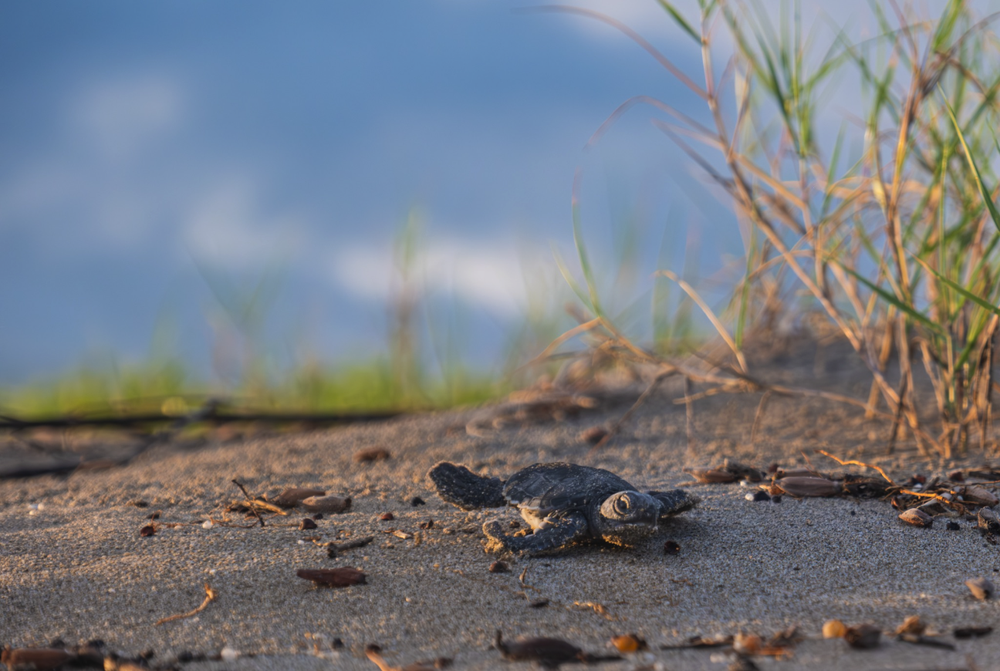
Indeed Quinta Playa is a protected national park site because it is one of the busiest nesting beaches for the vulnerable East Pacific green turtle (Chelonia mydas), the only sea turtle to nest in the archipelago.
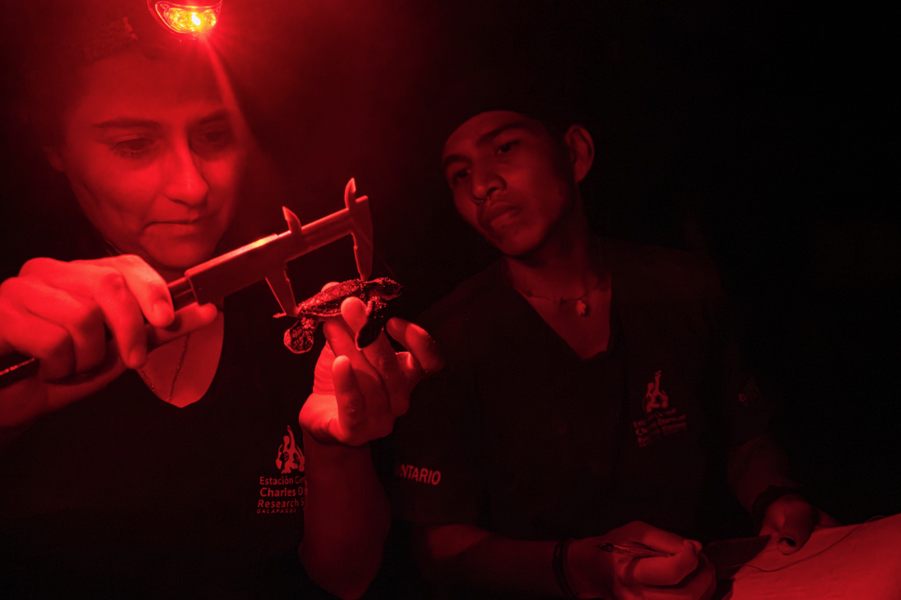
From collecting data and excavating nests to carefully measuring newborn hatchlings, every part of the process revealed just how much work goes into protecting these animals.
Einar Klum/ CDF
Einar Klum/ CDF
The Camp
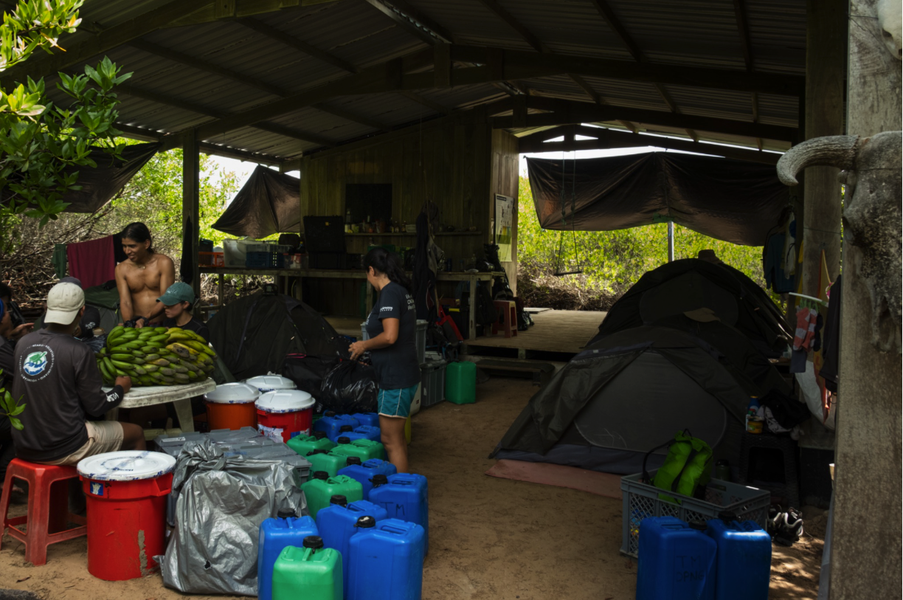
Arriving at camp with hundreds of kilos of food quickly became our first lesson in cooperation. Everyone grabbed what they could carry as we hauled supplies back together, instantly turning strangers into a team.
The photo shows the heart of the camp — the shared space where we cooked, gathered, and slept. Most volunteers live in tents for months at a time, embracing the camp’s simple and remote way of life, far removed from the distractions of everyday routines.
First life
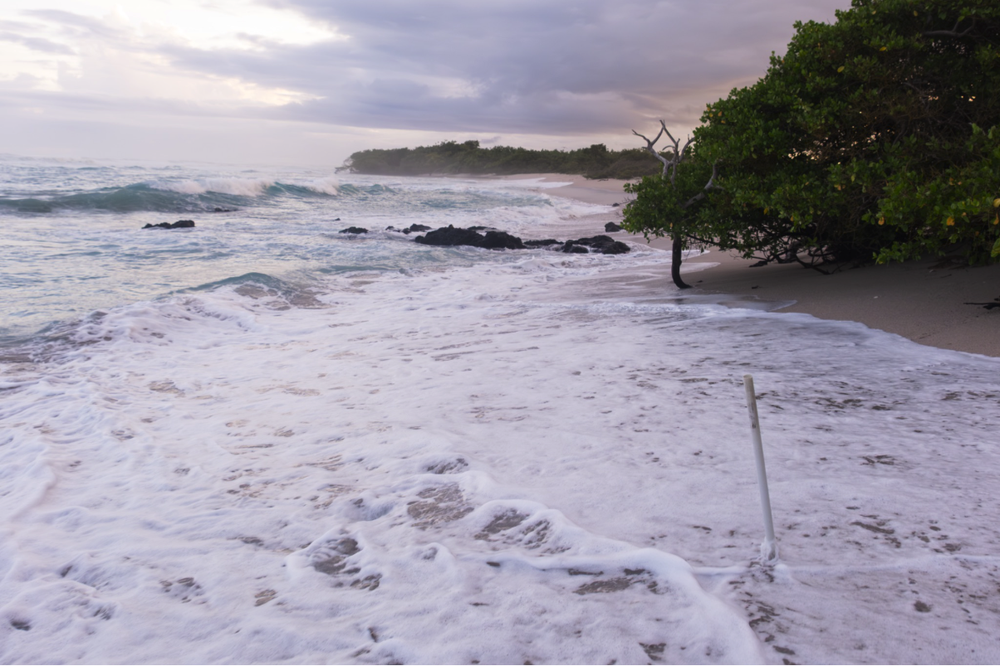
On my second evening at Quinta Playa, I went for a quiet walk along the beach, hoping to see what nature might reveal. By pure chance, I came across another volunteer checking one of the turtle nests. As he explained how hatchlings find their way to the surface, the nest came alive. I had somehow arrived at the exact moment the hatchlings decided it was time to emerge. Witnessing my first nest excavation felt incredibly special — one of those rare moments where luck, timing, and nature align perfectly.
.
Einar Klum/ CDF
Einar Klum/ CDF
Vulnerability
But things are not always that smooth for sea turtle hatchlings. Their nests are incredibly delicate ecosystems, holding anywhere from 50 to 90 eggs for our nesting colony. I learned that inside the nest, the turtles share air pockets and breathe through their eggs while developing underground — a fragile balance that can easily be disturbed.
Sometimes the mother places the nest too close to the water, but more often rising sea levels and unpredictable tides caused by climate change wash over the nests before the hatchlings are ready. When this happens, the chambers flood, drowning the turtles before they ever reach the surface and often leading to fungus spreading through the nest.
Excavation
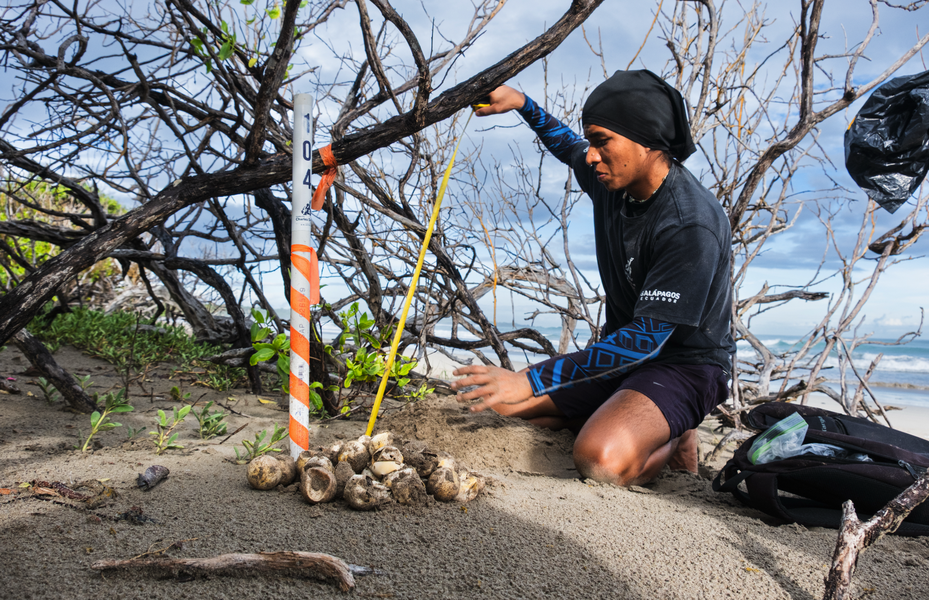
Excavating these nests gives the conservation team a clearer picture of how environmental changes affect the survival of baby sea turtles, and just how heavily climate change is impacting the process.
Another common danger happens when strong waves and tides push too much sand on top of a nest, burying the hatchlings too deep underground. This can block airflow into the chamber and make the sand too heavy for the tiny turtles to dig through, preventing them from ever reaching the surface
Einar Klum/ CDF
Einar Klum/ CDF
Life Trial
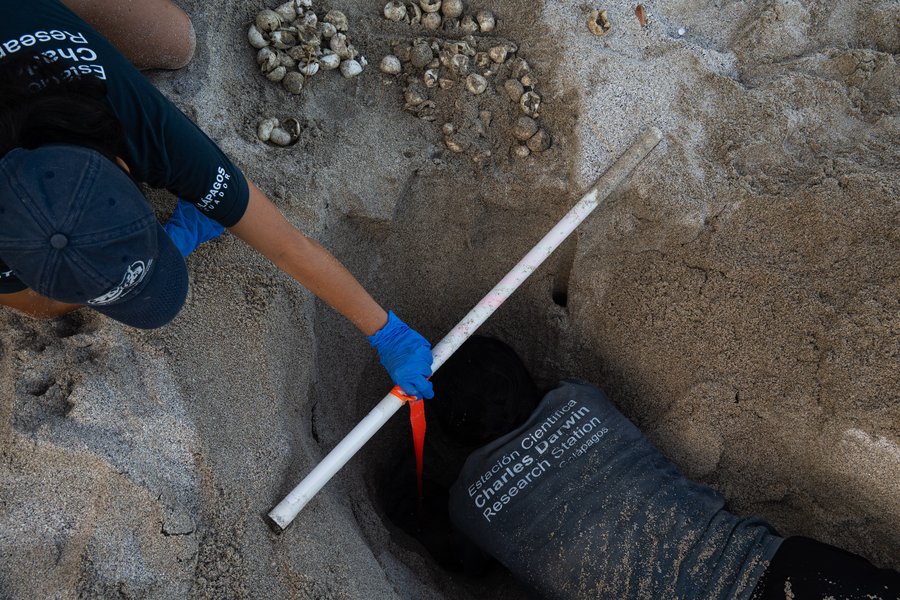
Even when a nest is known to have failed, the data is still carefully collected. The team continues the research by opening the eggs and documenting how far the embryos developed, along with other biological details. All of this helps build a clearer understanding of the current conditions affecting the population.
In this photo, you can see how deeply some of the eggs are buried beneath the sand, partly as a result of increasingly high tides. The eggs at the top of the frame did not survive. Researchers are now measuring the depth of the nest to monitor how rising tides and climate change are affecting how deeply the eggs become buried over time.
Natural Predators
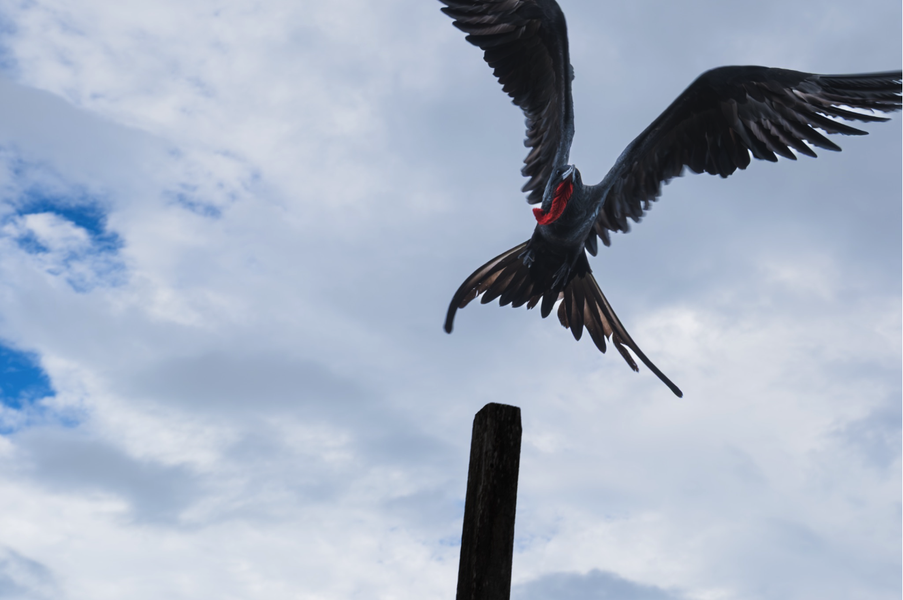
But it’s not only the climate these little ones have to worry about — they are also constantly surrounded by predators, both in and out of the water. Their first crawl toward the ocean is their first real challenge, where staying out of sight is key. Frigate birds are especially precise and fierce hunters, scanning the beach with sharp eyes, ready to swoop down on an easy meal.
In fact, I learned that only about 1 in 2,000 hatchlings survive to adulthood, even after reaching the sea.
Einar Klum/ CDF
First “Steps”
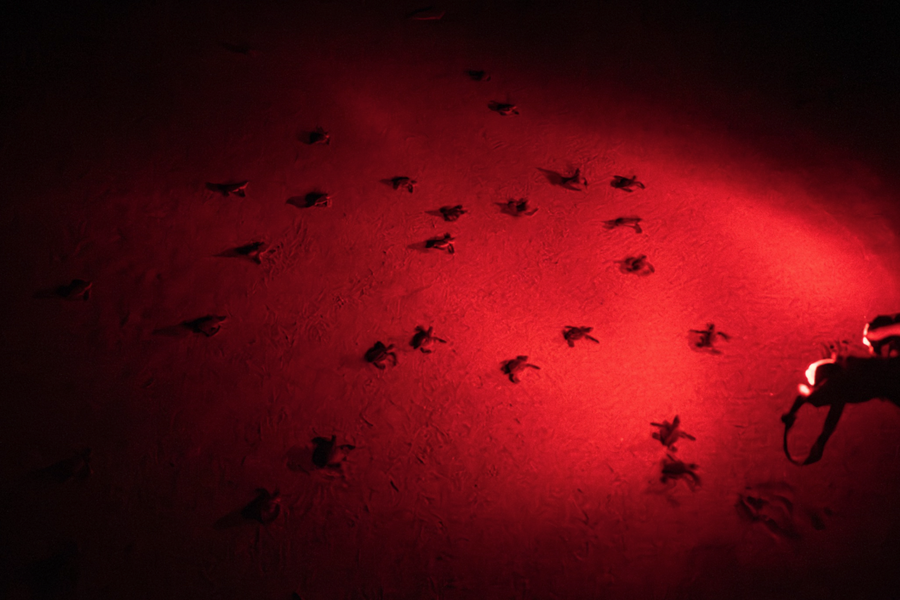
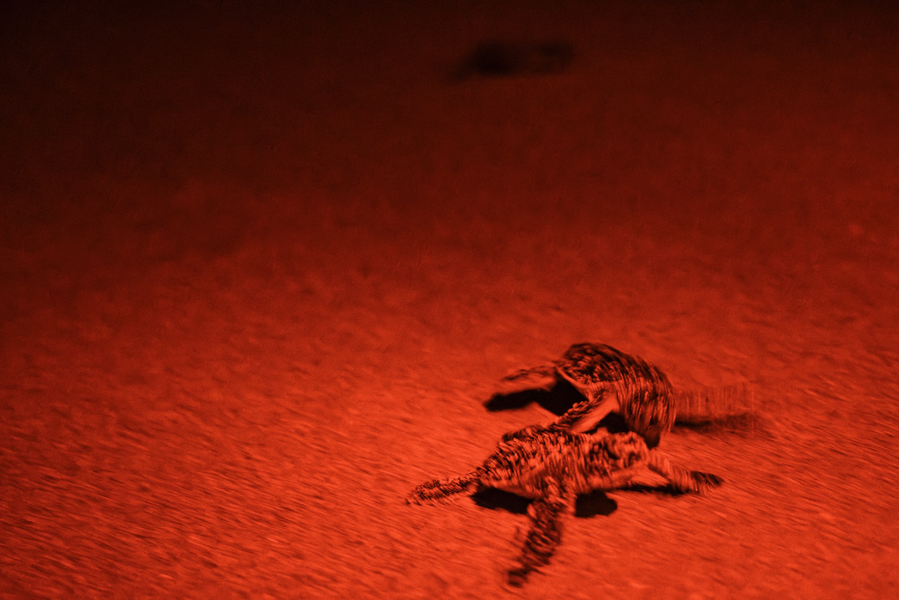
When the turtles finally begin to hatch, the whole nest slowly comes alive beneath the sand. One by one they break out of their eggshells, but it is their combined movement that really makes the difference. With dozens of tiny hatchlings pushing and digging at the same time, the tightly packed sand above them gradually softens and begins to flow around them. Little by little, together, they climb toward the surface.
Despite their tiny size, the hatchlings are surprisingly strong.
The moment they emerge, there is no pause. Instinct immediately takes over, and suddenly it becomes a race to the ocean. Every second matters.
For a long time, researchers did not fully understand what happened to sea turtles during the first years of their lives. It was almost like they disappeared. More recent discoveries now suggest that young turtles spend those years drifting far out at sea, living among floating seaweed and debris, surviving within the tiny micro-climates created around those floating rafts.
Einar Klum/ CDF
Einar Klum / CDF
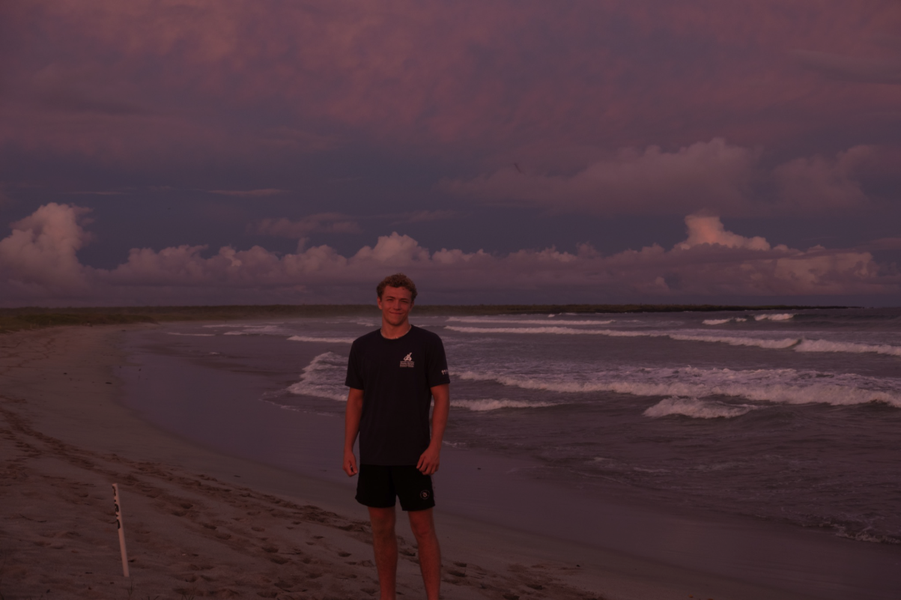
My experience at Quinta Playa was truly unforgettable. I learned so much and feel incredibly grateful to have participated in such an impactful project. Having the opportunity to witness these rare moments firsthand, capture them on camera to share with the world, and document these remarkable animals was an amazing experience. Seeing the level of care, dedication, and respect that the scientists and park rangers show toward the animals made it even more meaningful.
I would also like to give a special thanks to the Charles Darwin Foundation, as well as the Galápagos National Park Directorate, for making this experience possible.