The Unexpected Return of Lecocarpus lecocarpoides in Galápagos
Galápagos is home to only six endemic plant genera - evolutionary lineages found nowhere else on Earth. One of them is Lecocarpus, the genus that includes Lecocarpus lecocarpoides, one of the most threatened plant species on Española Island. Protecting it means safeguarding a unique branch of Galápagos’ evolutionary history.
Beyond its evolutionary significance, the species may also play an important ecological role through its interactions with pollinators, insects, and possibly Darwin’s finches. Yet much of its biology remains unknown.
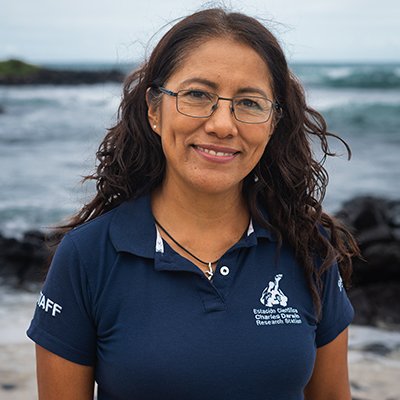
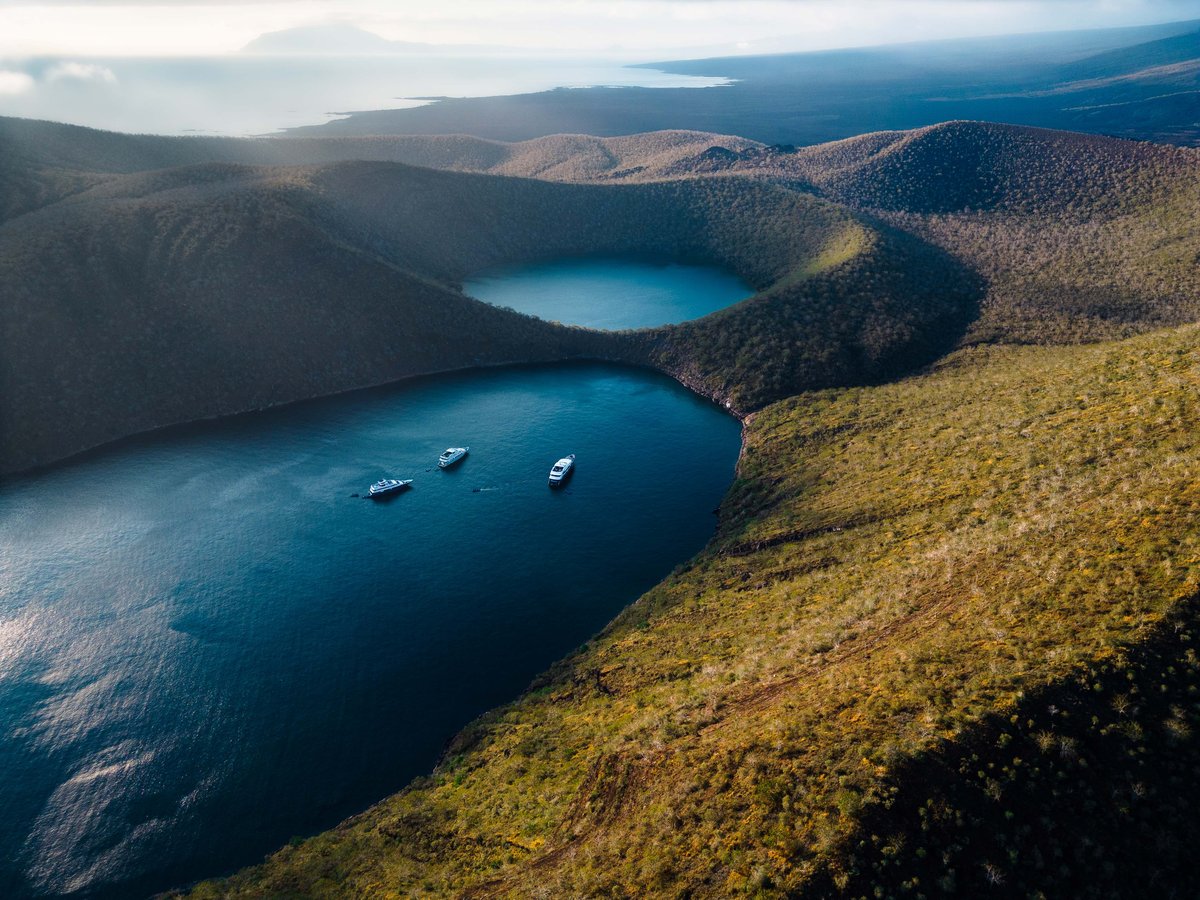
My story with Lecocarpus lecocarpoides began in 2008, during a botanical expedition to Punta Manzanillo. As I explored the site, I realized I was looking at one of the most vulnerable plants in Galápagos.
“I remember thinking that, if I ever had the opportunity, I would do everything I could to help conserve this species. I never imagined that promise would turn into nearly two decades of research.”
Over the years, that promise became science. We studied the species’ taxonomy, distribution, and conservation status. At the Charles Darwin Research Station, we developed the first ex situ propagation protocols for the species, learning how to germinate its seeds, grow new plants, and produce viable seeds to support its recovery.
Each advance answered one question, but the most important one remained: Could a restored population regenerate on its own?
Our records showed that the Lecocarpus lecocarpoides population at Punta Manzanillo had fluctuated for decades. But between 2012 and 2018, our monitoring surveys failed to record a single individual. We feared the species had disappeared from the site.
Then, in November 2020, we found a tiny population of just 24 plants still surviving at Punta Manzanillo. They represented a final opportunity to recover the population.
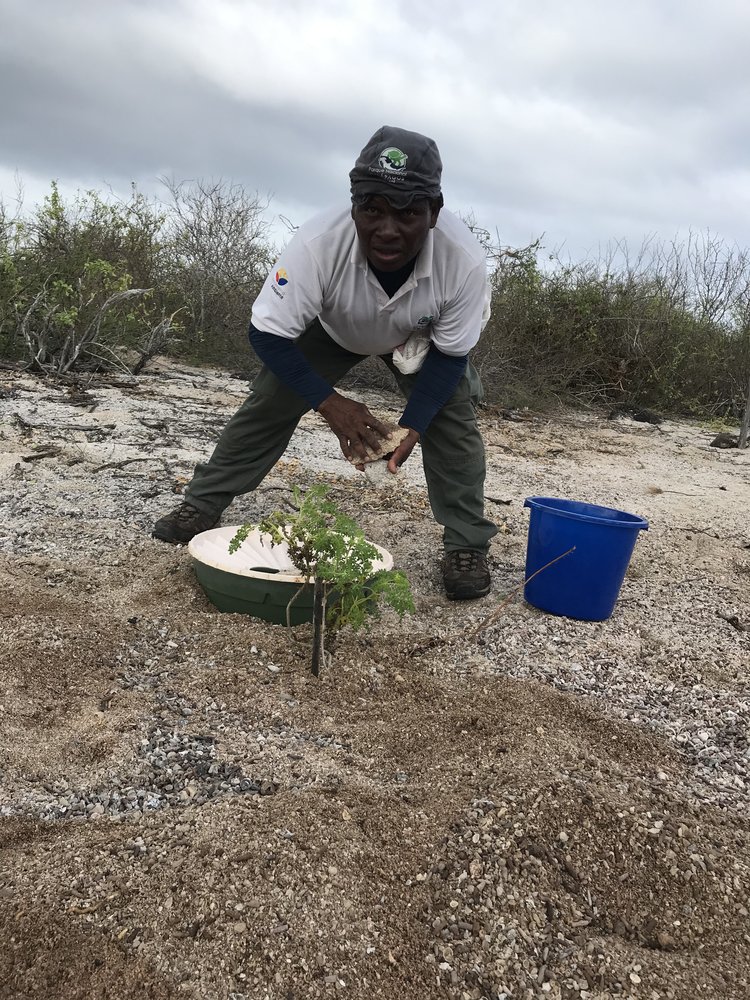
Starting with 50 seeds, we developed the first ex situ propagation protocols for the species. Between 2022 and 2024, we worked with the Galápagos National Park Directorate to establish a protected area and reintroduce new plants within the only site where this population still survives naturally.
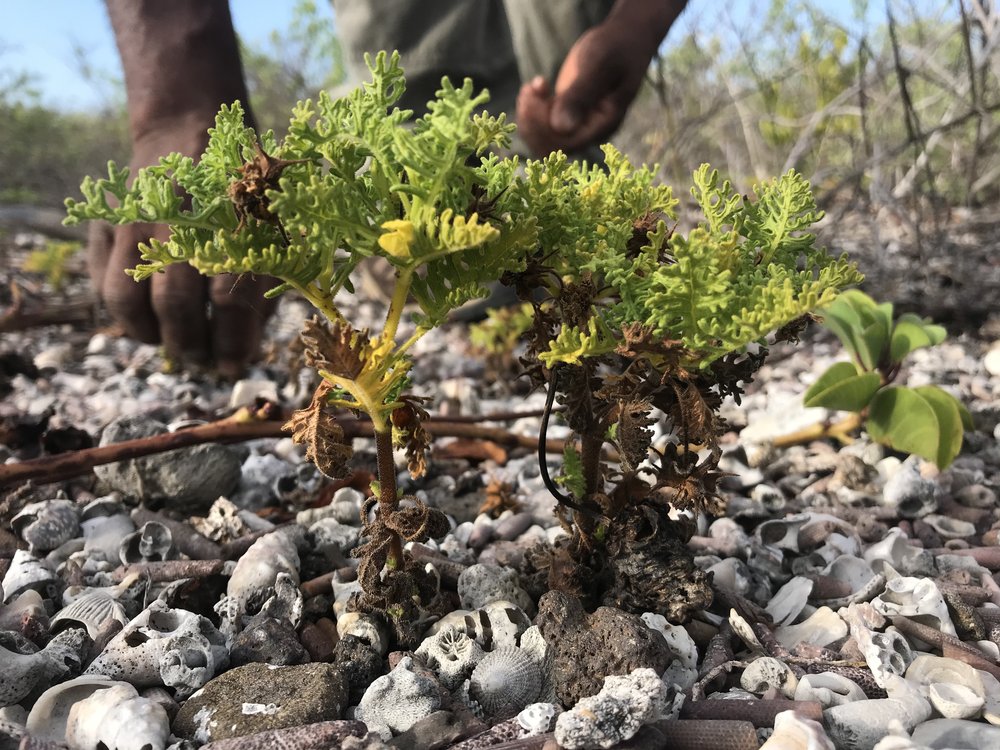
When we returned in January 2025, none of the reintroduced plants had survived. We found no new seedlings and no signs of natural regeneration. After years of research and fieldwork, we thought the entire effort had failed.
Patricia Jaramillo Díaz/CDF
An Unexpected Return
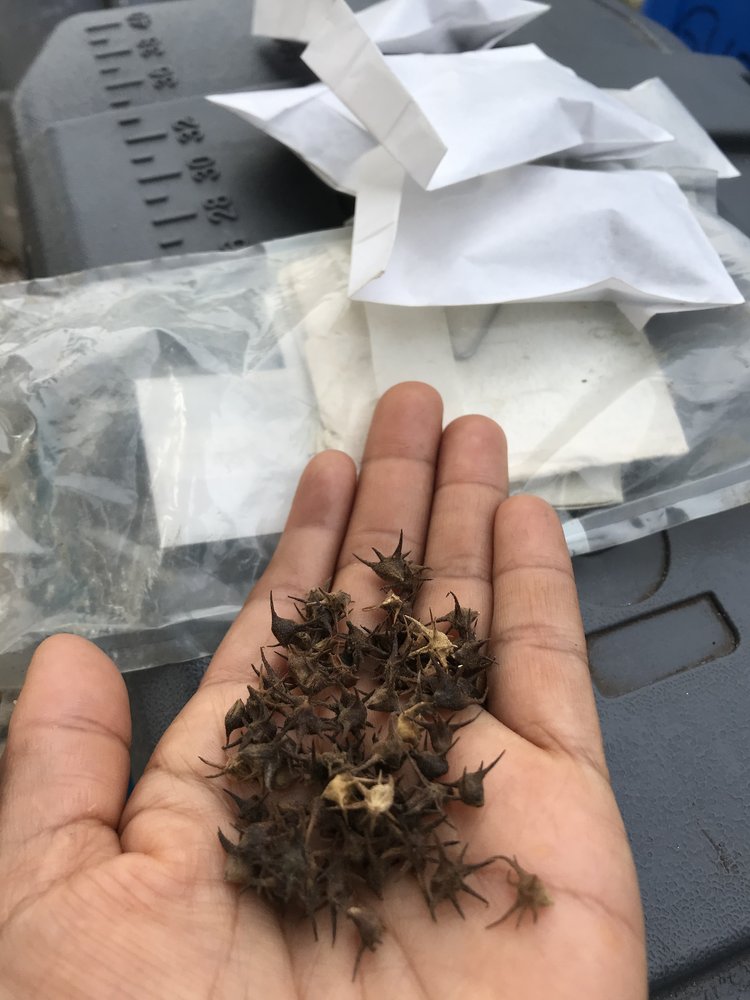
What we did not know was that, before dying, those plants had produced viable seeds. Hidden in the soil, the seeds were waiting for the right conditions to germinate.
"Nature was following its own rhythm. We simply could not see it yet.”
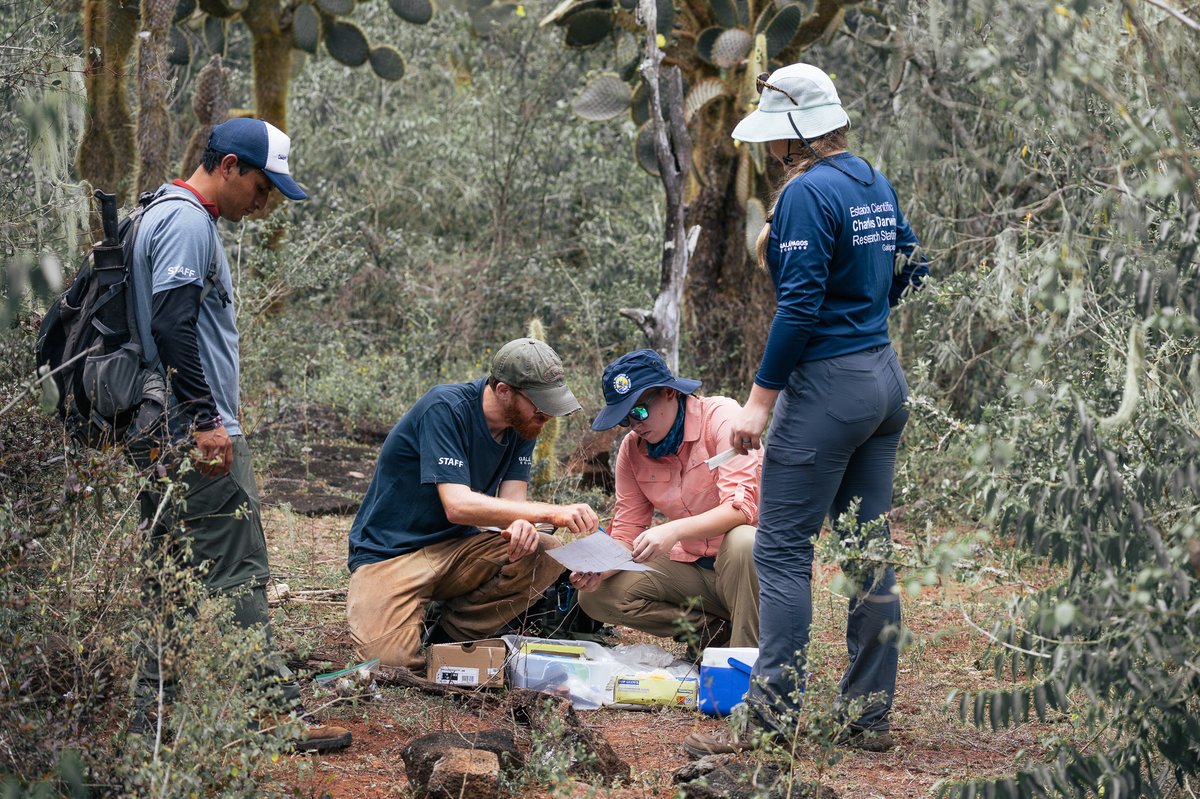
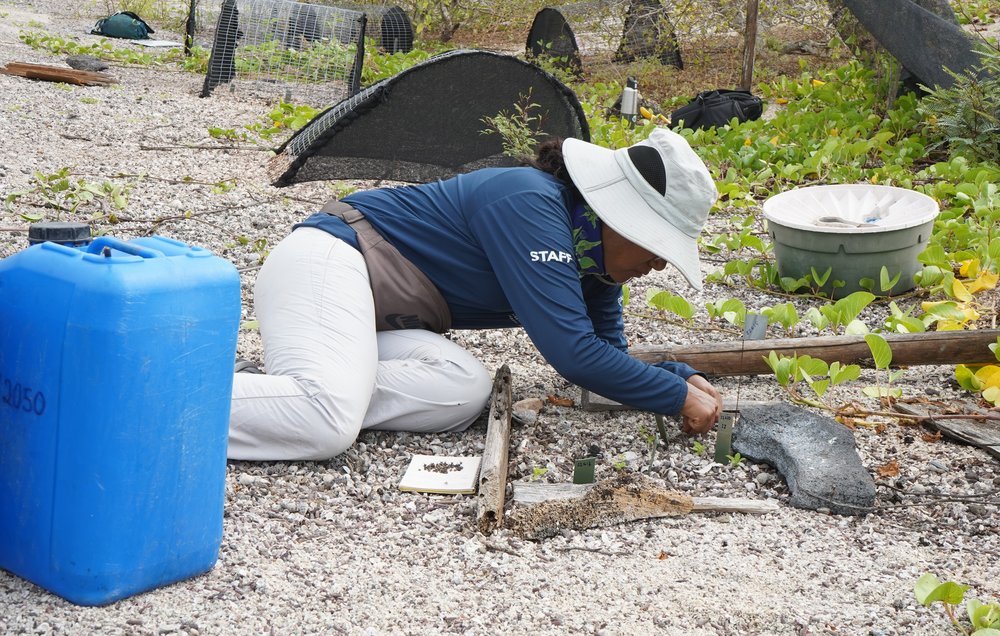
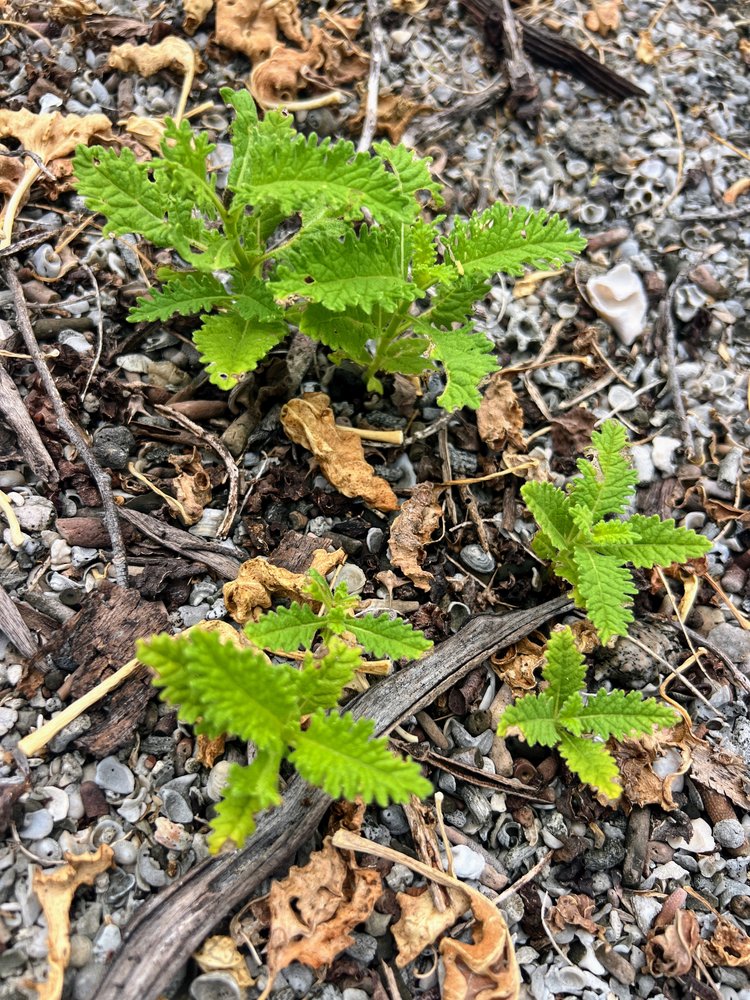
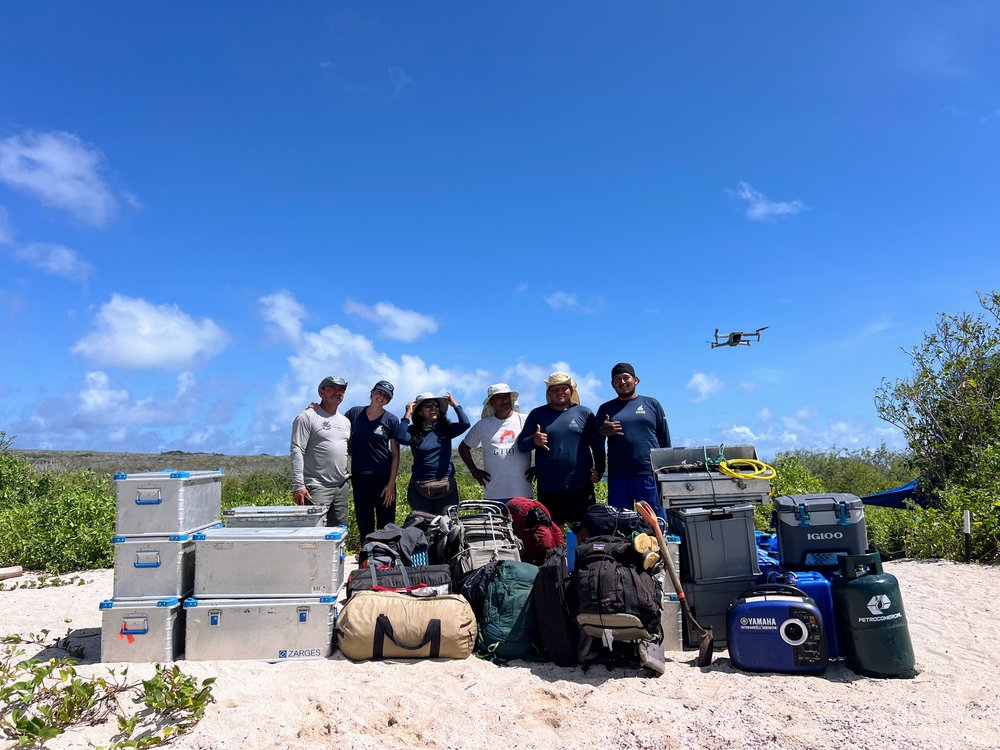
Seventeen months later, we returned to Punta Manzanillo. This time, the landscape told us a completely different story. As we surveyed the protected area, a tiny seedling suddenly appeared among the rocks. Then we found another. And another. Gradually, we stopped thinking in terms of isolated plants and began to realize that something extraordinary was happening. By the end of the survey, we had recorded 54 seedlings growing naturally and more than 200 seeds within the study area.
“I remember kneeling down to examine the first seedling. Those tiny plants were, in all likelihood, direct descendants of the plants we had propagated and reintroduced years earlier.”
At that moment, we understood that the parent plants had accomplished their mission: they had produced viable seeds capable of regenerating the population naturally.
Rocío López/CDF
Patricia Jaramillo Díaz/CDF
Patricia Jaramillo Díaz/CDF
A Sign of Hope for Conservation
This discovery changed the way we think about ecological restoration and the recovery of endangered species.
For years, we assumed that success depended on the survival of the plants we reintroduced. Lecocarpus lecocarpoides showed us something different. Although the parent plants died, they left behind a legacy of seeds that could restore the population’s ability to regenerate on its own.
For a species whose entire global distribution is restricted to a small area of Punta Manzanillo, finding a new generation growing without human intervention is one of the most encouraging signs yet for its recovery.
During this expedition, we also collected naturally produced seeds to continue our germination studies and introduced additional plants propagated at the Charles Darwin Research Station to further strengthen the population.
At the same time, we continue to investigate other aspects of the species’ ecology, including its possible interactions with moths and Darwin’s finches - relationships that may prove essential to understanding its long-term recovery.
“Seventeen years after that first visit, I continue to return to Punta Manzanillo with the same curiosity. The difference is that today I no longer see only a species on the brink of extinction. I see a new generation growing in a place where, for years, we thought no hope remained.”
The 54 seedlings now emerging among the rocks provide the first evidence that the plants we propagated and reintroduced successfully produced offspring, giving the species a chance to continue its story naturally.
After nearly two decades of research, I have come to understand that restoring a species means more than keeping individual plants alive. It means restoring its ability to reproduce, persist, and continue evolving on its own.
That is perhaps the greatest lesson Lecocarpus lecocarpoides has given us.
Patricia Jaramillo Díaz/CDF
Patricia Jaramillo Díaz/CDF