
Working with an Endangered Endemic Scalesia Tree
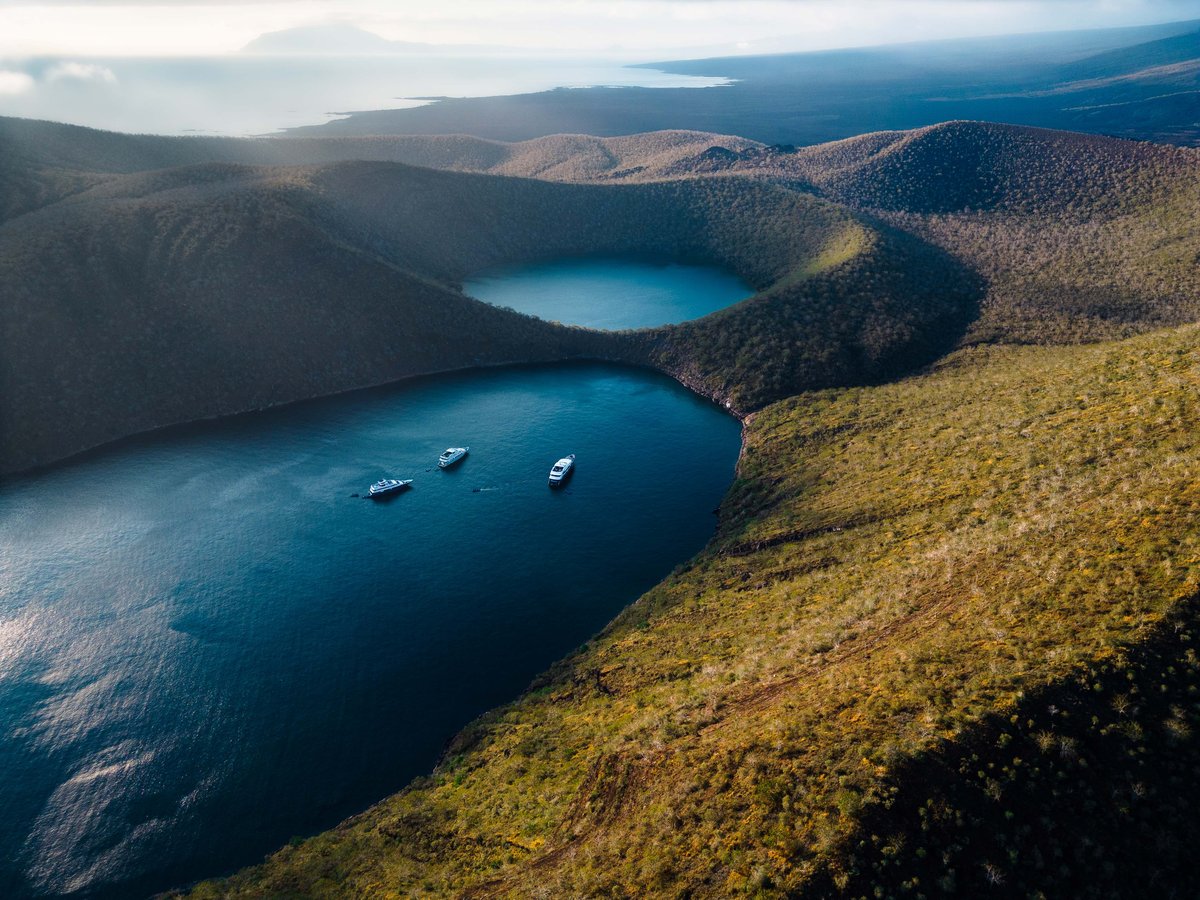
When people think of the Galápagos Islands, they often picture giant tortoises, marine iguanas, and blue-footed boobies. Before arriving here, that was my image too. But during the past six months, I discovered that some of the islands' greatest conservation challenges lie quietly within their forests.
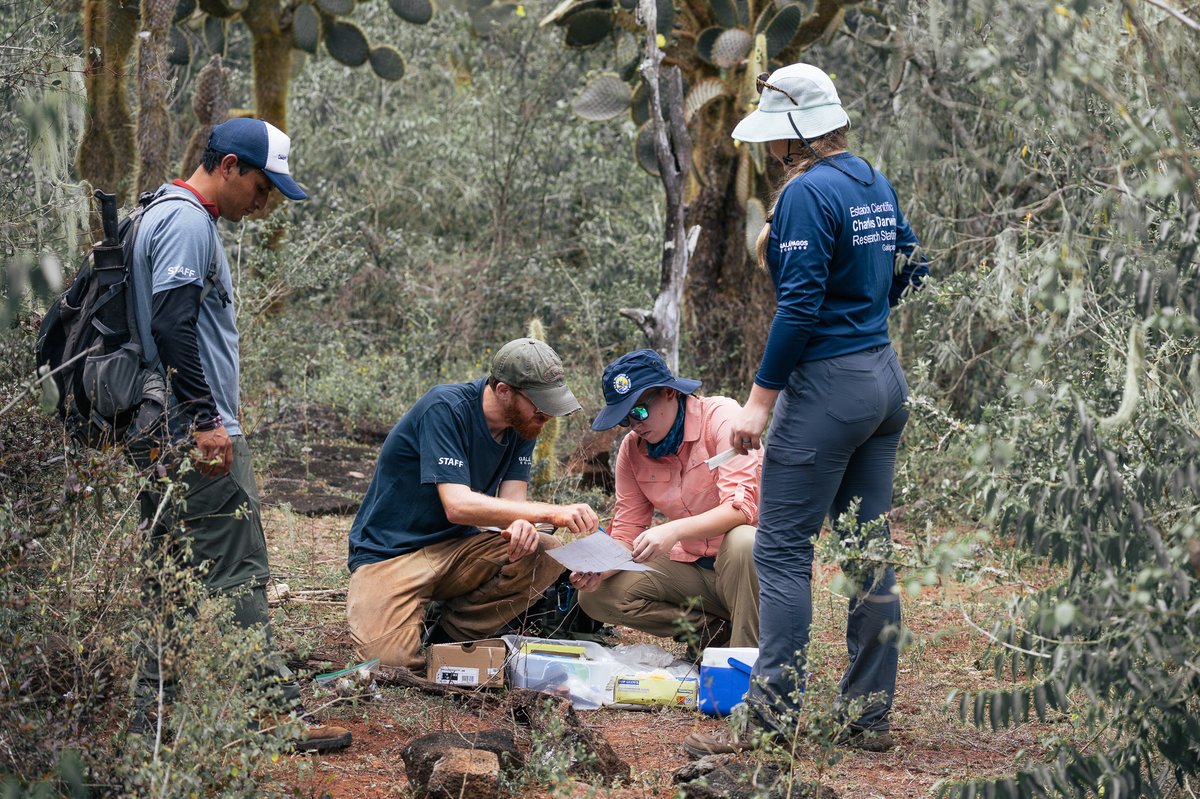
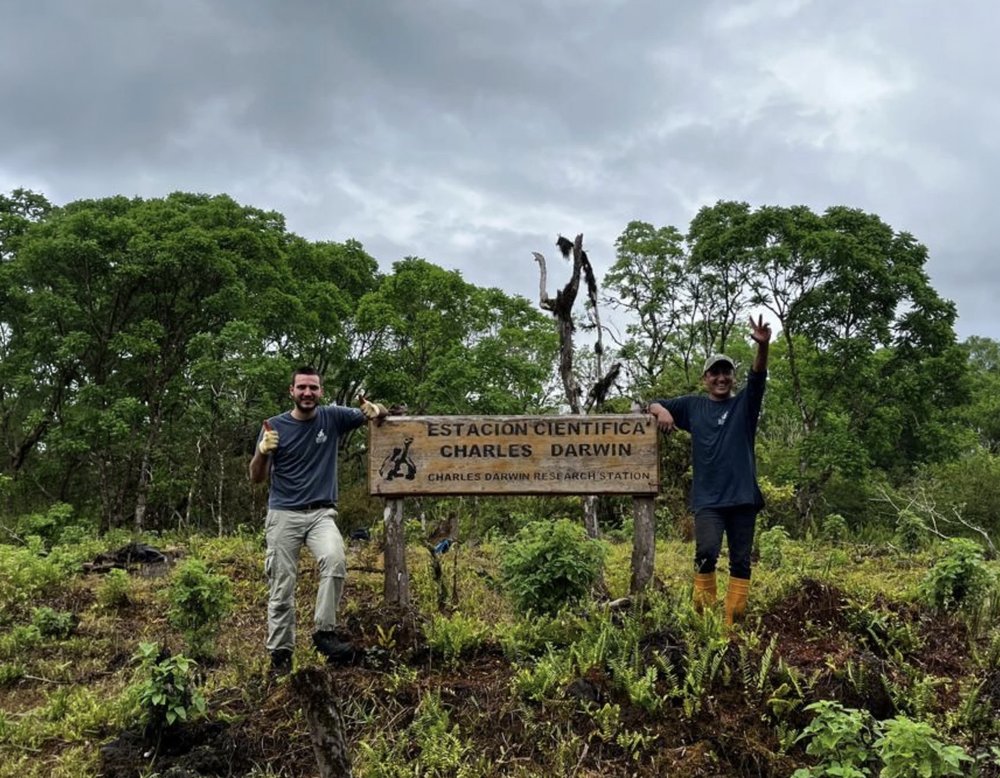
As a volunteer with the Charles Darwin Foundation, I had the unique opportunity to contribute to the Terrestrial Invasive Species and Restoration of the Scalesia forests project, one of the most important ecosystems in Galápagos. While most of the team is based on Santa Cruz, I was assigned to Isabela Island, to work alongside Pedro Gómez, born and raised on the island, and in charge of implementing the project there since 2021. On Isabela, I became the first long-term fieldwork volunteer dedicated to Scalesia cordata, the island endemic tree of Southern Isabela.
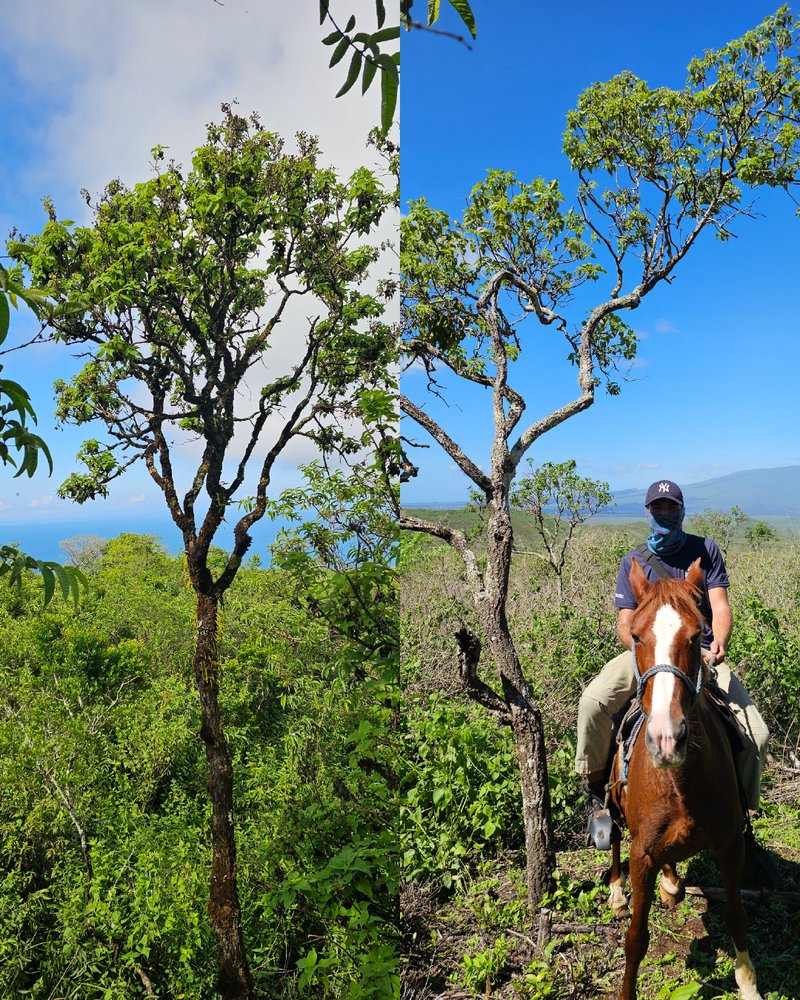
Out of the fifteen endemic Scalesia species found in Galápagos, only three grow into trees. Scalesia cordata is the rarest of these three, occurring naturally only at the foot of the Cerro Azul and Sierra Negra volcanoes. Today, only 0.1% of its original population remains, due to habitat degradation and the spread of invasive species. Knowing that this remarkable tree exists nowhere else on Earth gave every day of work a very deep sense of purpose.
Mario Winkler/CDF
The importance of Scalesia cordata extends far beyond the tree itself. Often called the "cloud forests" of Galápagos, Scalesia forests capture moisture from the seasonal “garúa” mist, helping regulate local water cycles and stabilize volcanic soils. They also provide habitat for a rich diversity of endemic and native plants, insects, fungi, birds, and other wildlife that depend on this unique ecosystem. Recovering Scalesia cordata means recovering an entire ecological community.
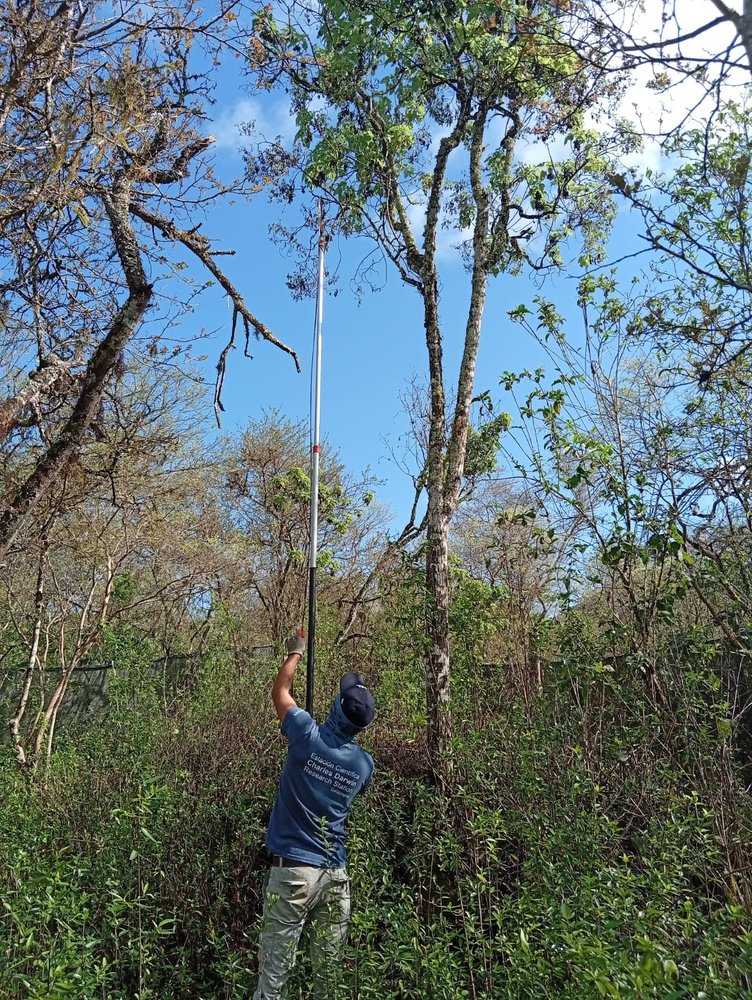
My work began with collecting flower heads from the seven known Scalesia cordata populations within protected areas. Back at the Galapagos National Park nursery, the flower heads were carefully dried before the tiny seeds were extracted by hand—a slow and delicate process requiring patience and precision. Although repetitive at times, every healthy seed represents an opportunity to save this species on the brink of extinction.
Mario Winkler/CDF
After months of preparation came my favorite part of the project: sowing the seeds. Watching them germinate and develop into healthy seedlings was incredibly rewarding because it reflected months of careful work and dedication. To see the seedlings growing in the nursery was a constant reminder that restoration is built through countless small as well as big efforts.
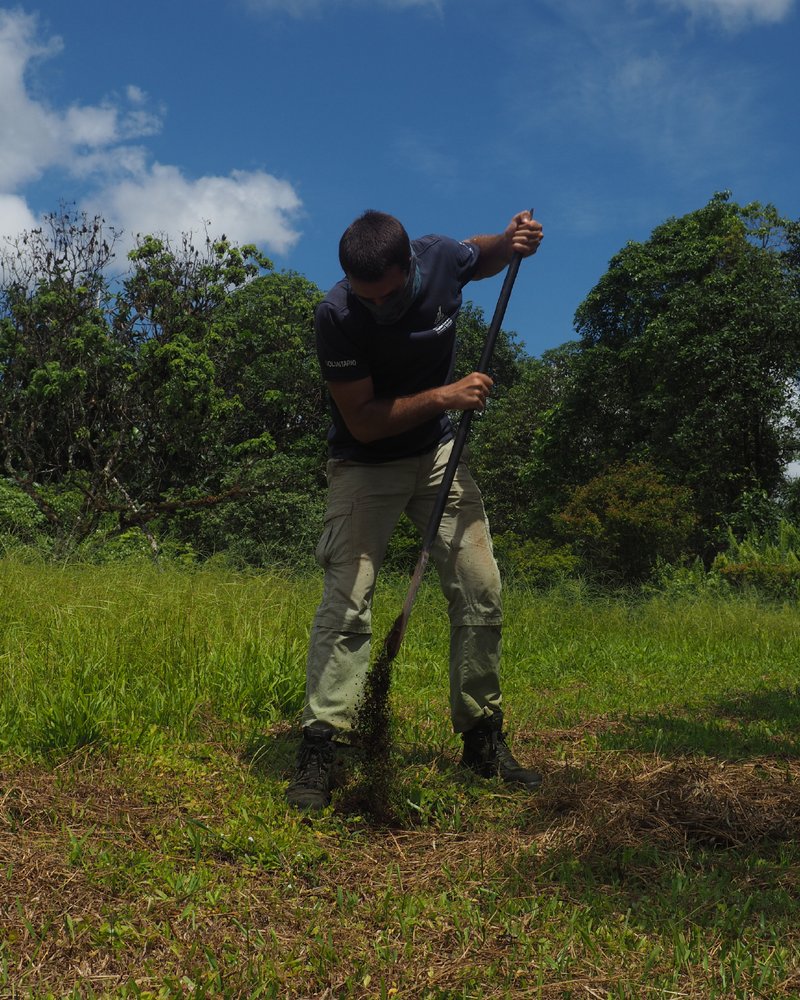
Not less important, much of our time, however, was spent removing invasive plant species that compete aggressively with native vegetation for light, water, and nutrients. It was often the most physically demanding part of the job, involving long days under the subtropical sun and hiking through dense vegetation. Yet it is also the most important step in restoring the forest. Without controlling invasive plant species, young Scalesia trees have little chance of surviving, and natural regeneration becomes nearly impossible.
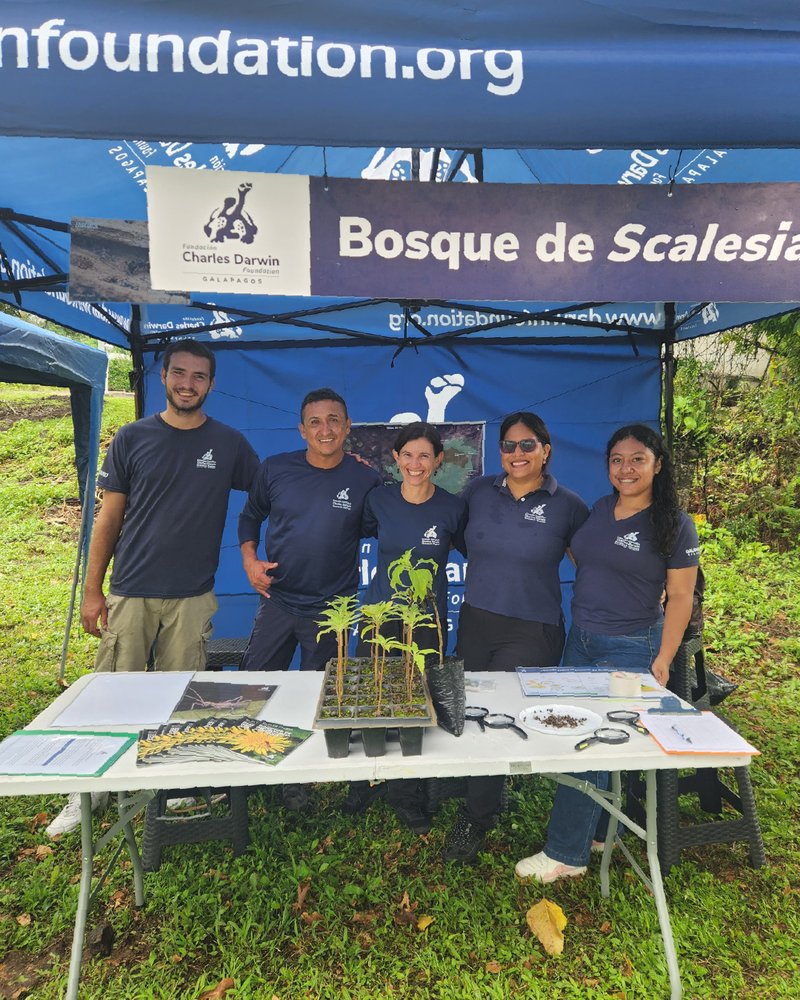
One of the aspects I appreciated most was seeing conservation extend beyond the boundaries of the Galápagos National Park. Together with local landowners, we planted Scalesia cordata on private properties while explaining the ecological importance of conserving this unique tree. Watching members of the community become actively involved in protecting a species found nowhere else in the world was truly inspiring. As Pedro explains, "Restoring these forests is only possible when scientists and the local community work together."
Living on Isabela for six months gave me a perspective that no book or classroom ever could. Some days were physically exhausting, carrying equipment through dense vegetation or spending hours processing tiny seeds, but those challenges made every success even more meaningful. Working alongside Charles Darwin Foundation scientists, Galápagos National Park rangers, and local residents showed me that successful conservation depends as much on collaboration, trust, and perseverance as it does on scientific knowledge.
As my time on Isabela ended, I left with unforgettable memories, invaluable field experience, lifelong friendships, and immense gratitude. Volunteering with the Charles Darwin Foundation has been one of the most meaningful experiences of my life, and I feel incredibly fortunate to have contributed to the recovery of one of Galápagos' rarest ecosystems.
Mario Winkler/CDF
Mario Winkler/CDF
Mario Winkler/CDF
Scalesia cordata remains critically threatened, but every invasive plant removed, every seed collected, and every young tree planted brings this unique tree one step further from extinction.
Continued scientific research, long-term restoration, and community involvement will be essential to ensure that future generations can experience these extraordinary forests and the biodiversity they support.
Protect Galapagos, Impact the World
The impact you make on this small ecosystem of enormous biodiversity is part of a larger footprint you are leaving for the world's future. Join us on our mission to safeguard one of our planet’s most important natural treasures through science and conservation action by making a donation today. Thank you for making an impact with us.