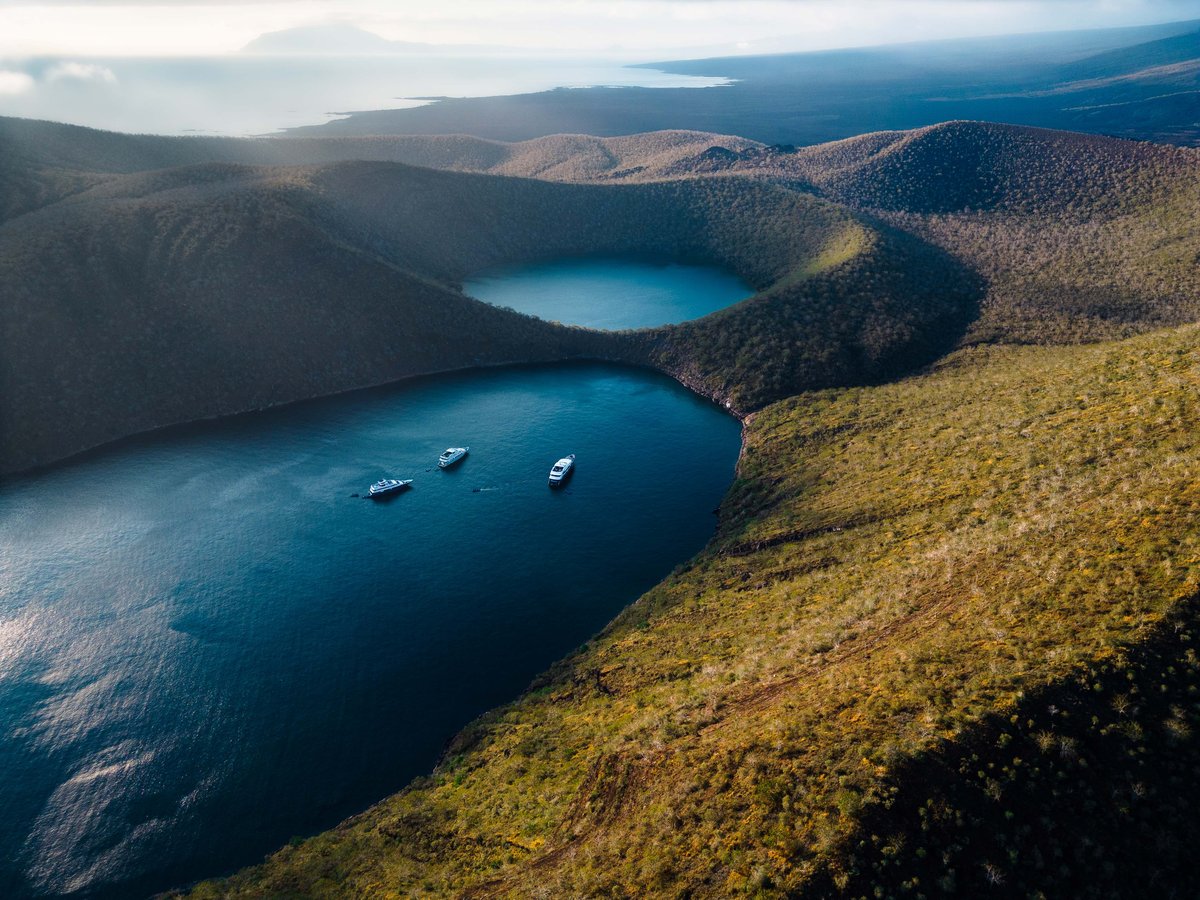

The Deep Ocean of the Eastern Tropical Pacific
An Extreme World We Are Only Beginning to Understand
The deep ocean is the largest and least understood part of the Eastern Tropical Pacific, containing seamounts, deep reefs, hydrothermal vents, and abyssal habitats that support life adapted to extreme conditions. Exploring these ecosystems is essential not only for scientific discovery, but also for strengthening long-term ocean conservation.
Using tools such as seafloor mapping, biological surveys, environmental DNA, imaging, and oceanography, researchers can better understand deep-ocean biodiversity and ecological connections across migratory corridors and national waters. Each expedition helps reveal new species, vulnerable habitats, and environmental processes that remain largely unknown.
This knowledge supports the design and management of marine protected areas, strengthens regional cooperation through initiatives like the Eastern Tropical Pacific Marine Corridor, and helps anticipate threats from climate change, pollution, fishing pressure, and future seabed disturbance.
Archivo CDF
An Underwater Landscape Full of Life
The seafloor of the Eastern Tropical Pacific has been shaped by intense geological and volcanic activity, forming seamounts and deep reefs that influence ocean currents and concentrate nutrients. These underwater structures support high biological productivity and sustain diverse marine communities from surface waters to the deep ocean.
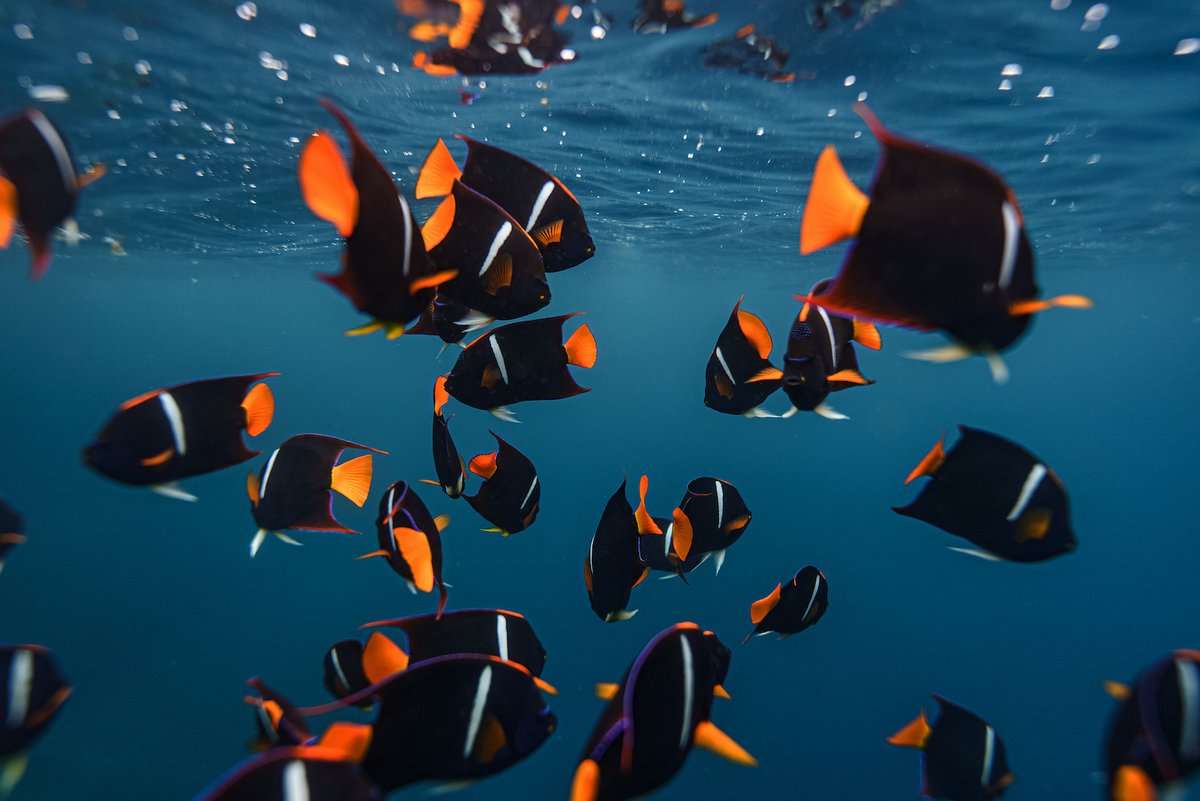
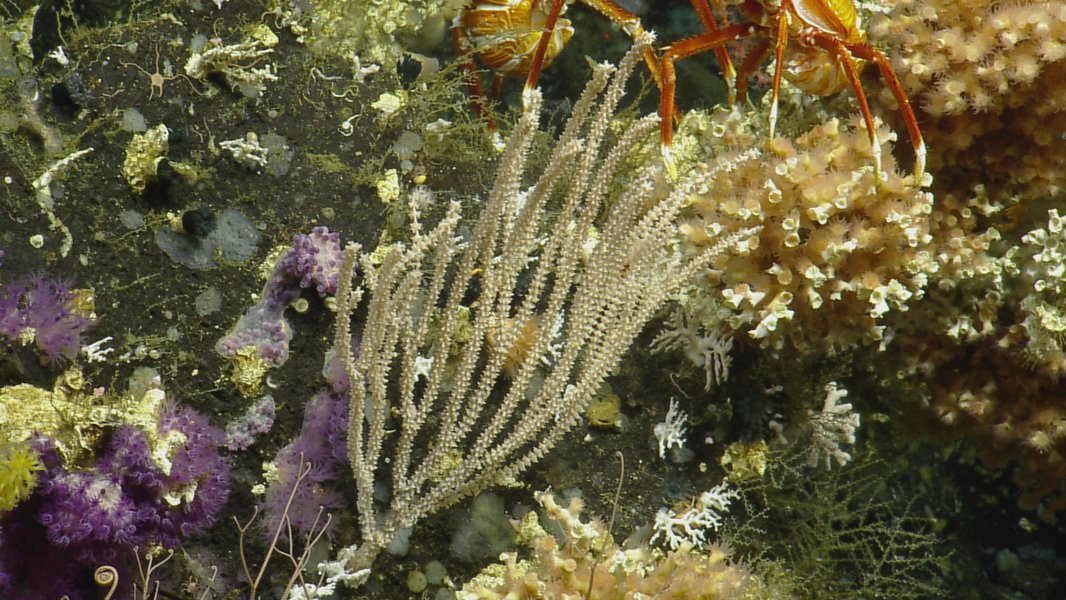
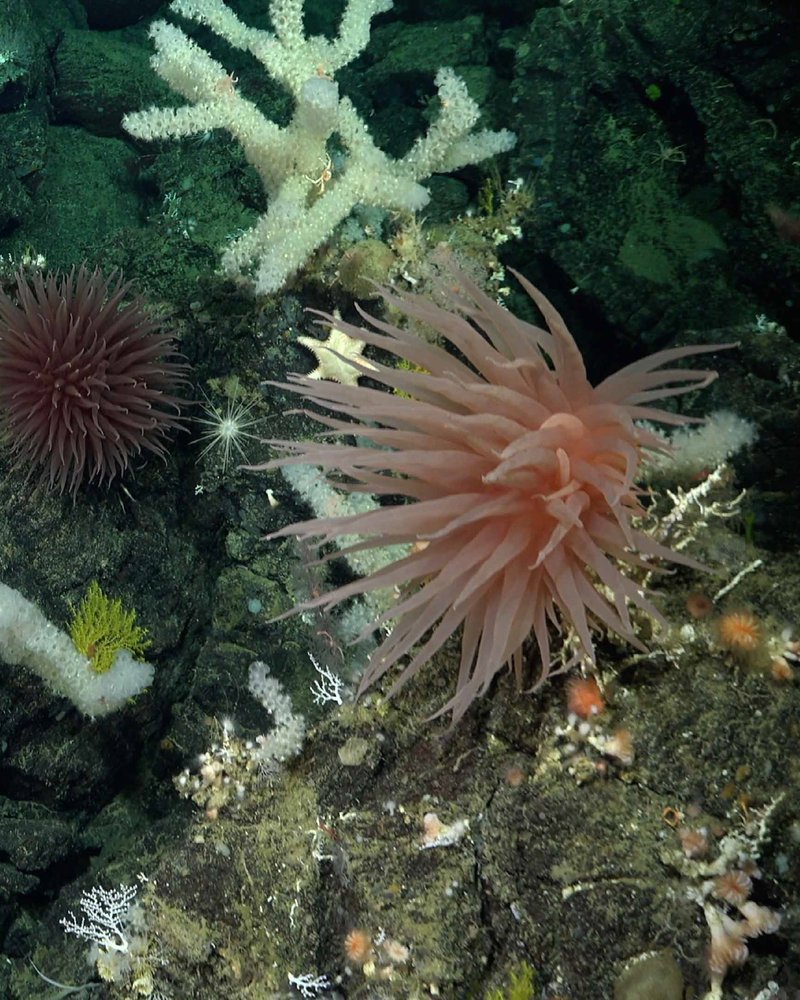
Seamounts and deep reefs act as biological oases in the open ocean. They provide habitat for deep-sea corals, giant sponges, crustaceans, mollusks, sea stars, and fishes adapted to extreme environments. Many of these organisms grow slowly and may live for decades or even centuries.
Deep-sea corals play a critical ecological role by creating complex three-dimensional habitats that offer shelter, feeding grounds, and nursery areas for numerous species. Unlike tropical shallow-water corals, they survive without sunlight, feeding instead on organic particles and small organisms carried by ocean currents.
Life in the deep ocean has evolved remarkable adaptations, including bioluminescence, highly sensitive vision, and the ability to withstand immense pressure and low-light conditions. Scientific expeditions in the region continue to discover previously unrecorded species and habitats, highlighting how much of the deep ocean remains unexplored and still unknown to science.
Marine Connectivity in the Eastern Pacific
The deep ocean is closely connected to surface ecosystems and plays a key role in the movement of migratory marine species. Seamounts and deep-ocean currents act as ecological corridors linking major marine protected areas such as the Galápagos, Cocos, Coiba, and Malpelo. These underwater pathways connect ecosystems across the Eastern Tropical Pacific and support species during different stages of their life cycles.
Hammerhead sharks, whale sharks, tuna, and oceanic rays travel through this region as part of extensive migratory routes. Understanding how these species use deep habitats and oceanographic features is essential for improving regional conservation strategies.
Seamounts can also function as productive hotspots and ecological stepping stones, helping species move between isolated areas, a role that may become increasingly important under climate change.
The region also contains oxygen minimum zones, where oxygen levels are naturally very low. Studying organisms adapted to these extreme conditions helps scientists better understand marine resilience to environmental stress.
Why Is It Important to Study the Deep Ocean?
The deep ocean plays fundamental roles in maintaining the health of the planet. It regulates climate, stores carbon, cycles nutrients, and absorbs much of the excess heat generated by climate change.
At the same time, deep-ocean ecosystems face growing threats. Ocean warming is altering temperature, oxygen levels, and circulation patterns, while deep-sea fishing, plastic pollution, and increasing interest in seabed mining could affect habitats that are highly vulnerable and slow to recover.
One of the greatest challenges is that decisions about the use and protection of the deep ocean are often made with limited scientific information. In some cases, fragile ecosystems may be damaged before they have even been studied or understood.
Scientific research is therefore essential. Remotely operated vehicles, oceanographic sensors, underwater cameras, environmental DNA, and seafloor mapping technologies now allow scientists to explore areas that were previously inaccessible and to better understand the ecological dynamics of the deep sea.
Archivo CDF
For institutions such as the Charles Darwin Foundation, strengthening deep-ocean research is an opportunity to expand knowledge of marine biodiversity, improve understanding of climate resilience, and support more effective conservation across Galápagos and the wider Eastern Tropical Pacific.
A Critical Frontier for Marine Conservation
The deep ocean is the largest and least understood part of the Eastern Tropical Pacific. Beneath the surface lies a hidden world of seamounts, ridges, deep reefs, hydrothermal vents, and abyssal habitats that support species adapted to extreme conditions.
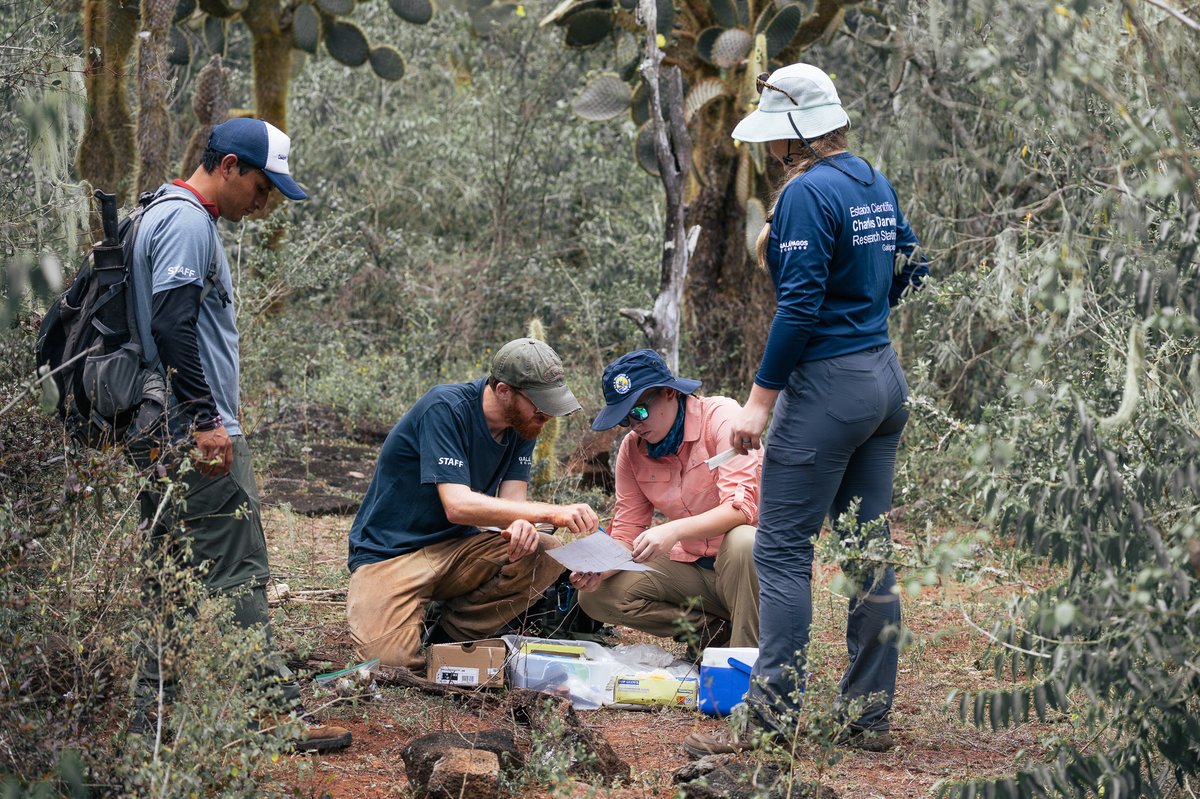
Exploring these environments is not only about discovery, but also about building the scientific evidence needed for long-term ocean conservation. Through seafloor mapping, biological surveys, environmental DNA, imaging, oceanography, and regional collaboration, researchers can make deep-ocean ecosystems visible to science, decision-makers, and the public.
Deep-ocean research helps reveal new species, vulnerable habitats, ecological connections, and environmental processes that shape biodiversity across national waters and migratory corridors. This knowledge can improve the design and management of marine protected areas, strengthen regional cooperation through initiatives such as the Eastern Tropical Pacific Marine Corridor, and help anticipate threats from climate change, pollution, fishing, and future seabed disturbance.