Home

Results

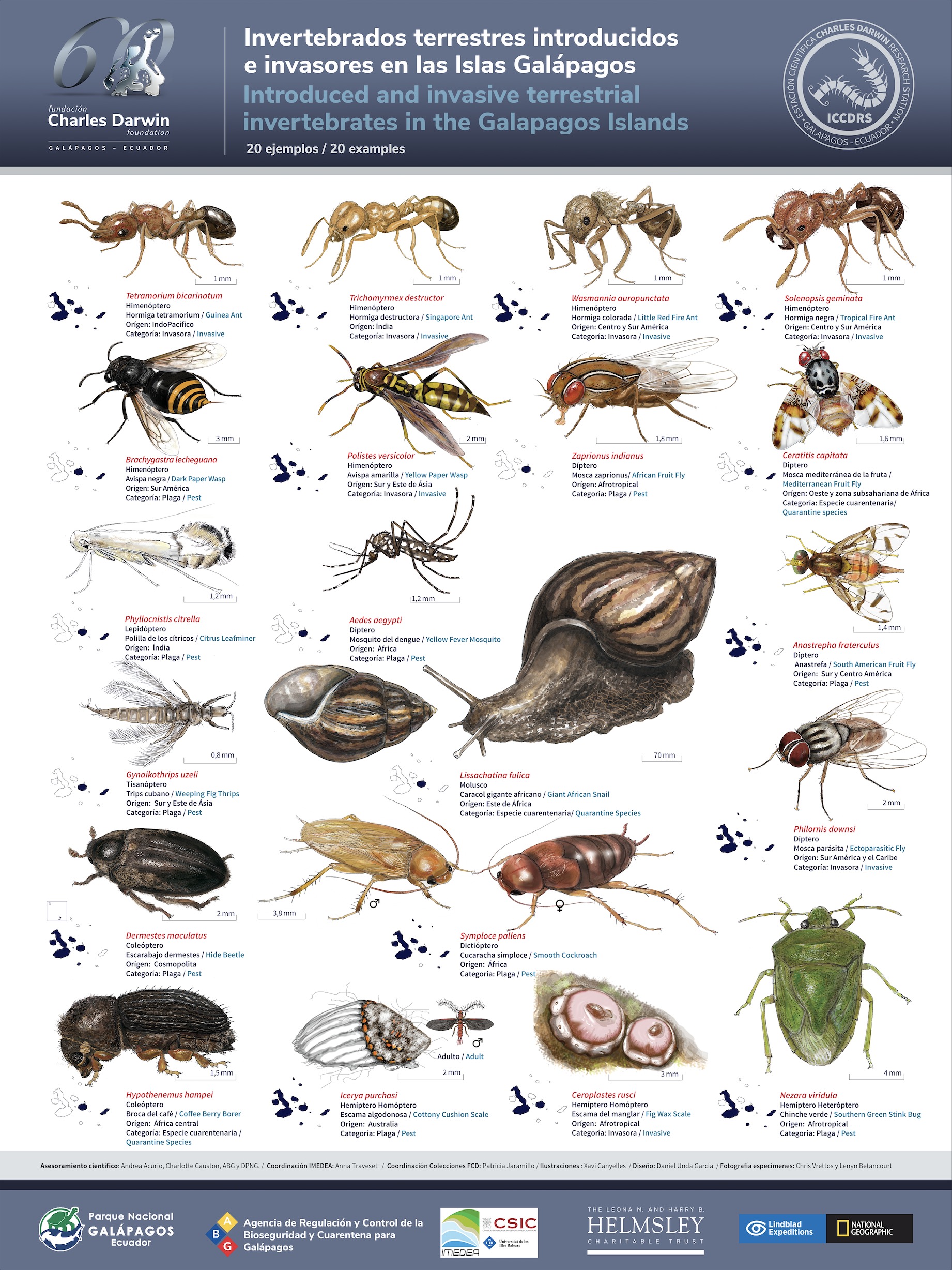
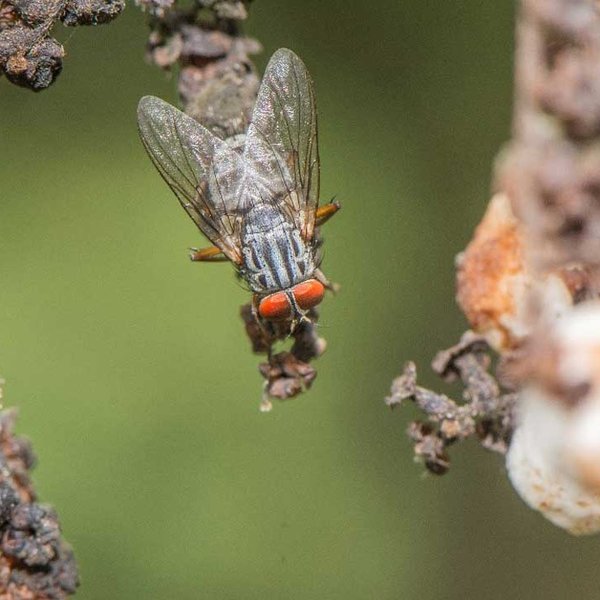
Philornis downsi, an invasive fly.
Introduced Species Dashboard Galapagos Introduced Species Dashboard
Joshua Vela
CDF Launches First Digital Dashboard of Introduced Species in the Galapagos Islands

The Charles Darwin Foundation (CDF) is pleased to unveil the Galapagos Introduced Species Dashboard, the first open-access digital repository of information about species introduced to the Galapagos Islands.
El Niño en las islas Galápagos

This landmark volume documents the 1982–1983 El Niño, one of the most severe events in Galapagos history.

Date:
2026
Language:
Bilingual
Mara Speece CDF
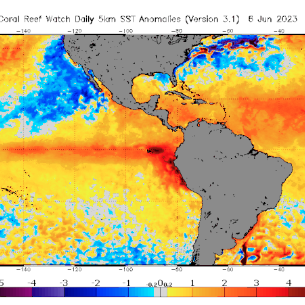
El Niño 2026 in Galápagos

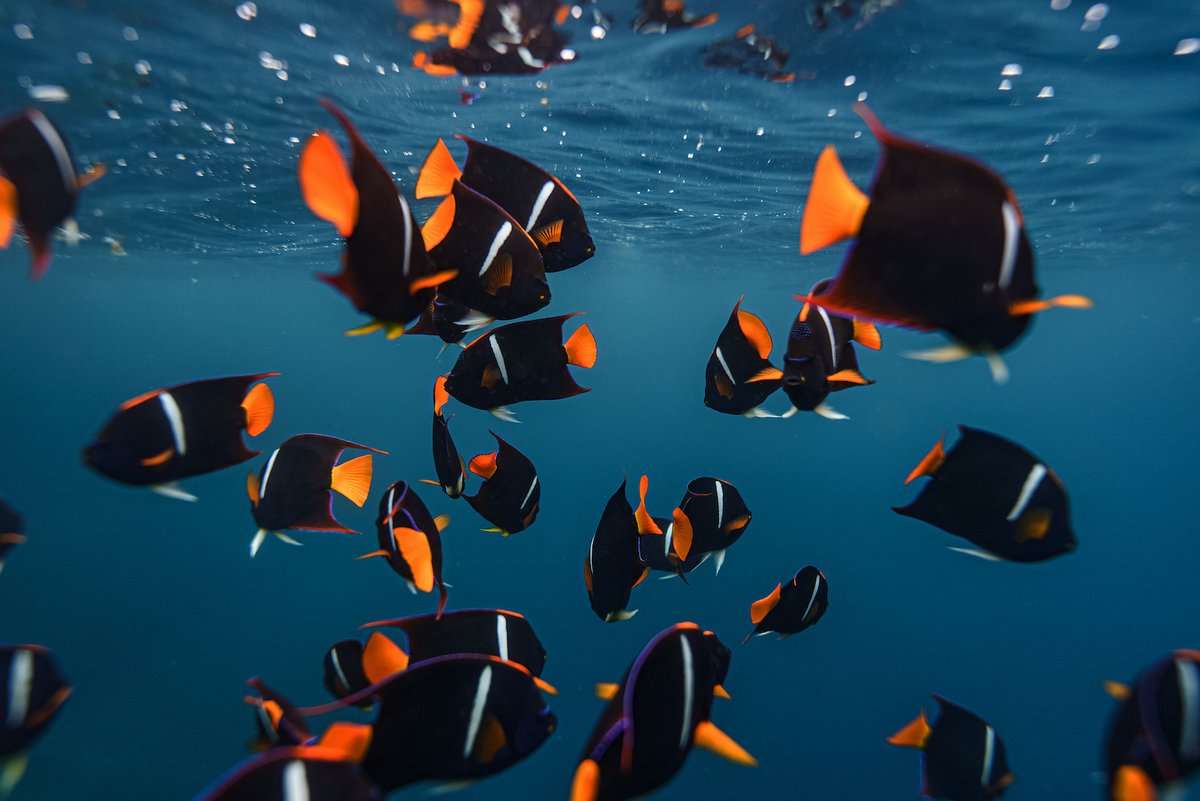
El Niño 2026 is transforming ocean conditions around Galápagos, with potential effects on food availability, reproduction, and survival across many species. Penguins, marine iguanas, sea lions, and corals are among the most vulnerable. Decades of scientific monitoring will help measure impacts and guide future conservation decisions across the archipelago effectively.

"El Niño" Climate Pattern in the Galapagos Islands

Learn more about the effects of El Niño in the Galapagos Islands.
Luis Ortiz Catedral
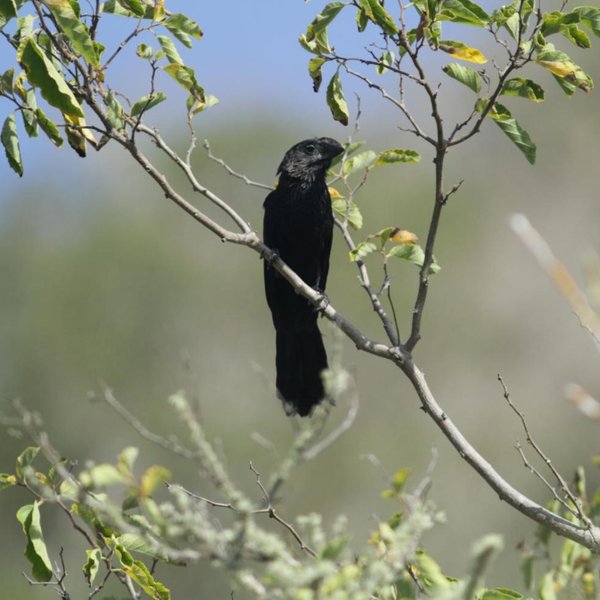
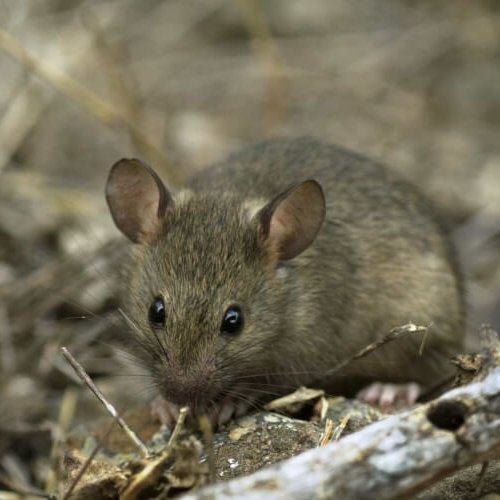
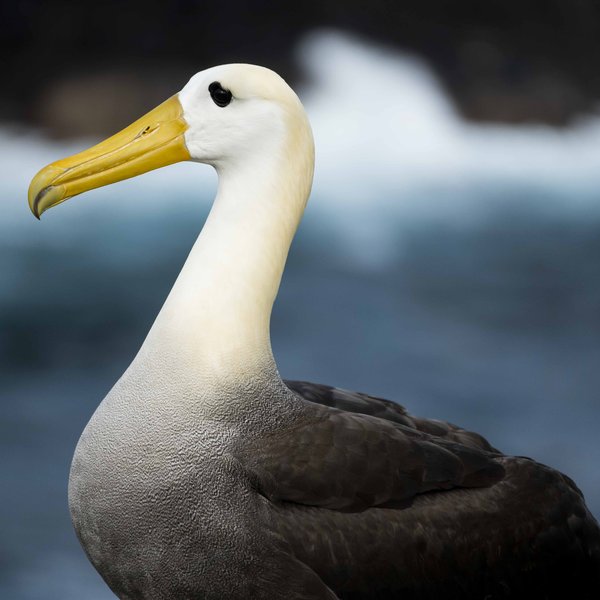
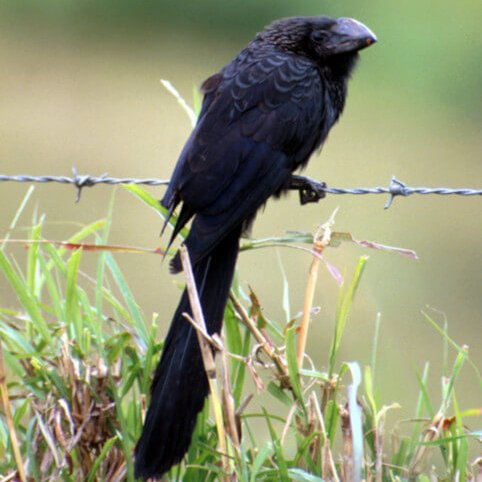
The Smooth-Billed Ani’s Impact

The smooth-billed ani is considered to be the most damaging introduced bird species in Galapagos. Hannah Rickets, at Galapagos Conservation Trust, spoke to PhD student Cristian Poveda about his research into this challenging species.
Luis Ortiz Catedral
The Smooth-Billed Ani’s Impact

The smooth-billed ani is considered to be the most damaging introduced bird species in Galapagos. Hannah Rickets, at Galapagos Conservation Trust, spoke to PhD student Cristian Poveda about his research into this challenging species.
Carlos Espinosa/CDF
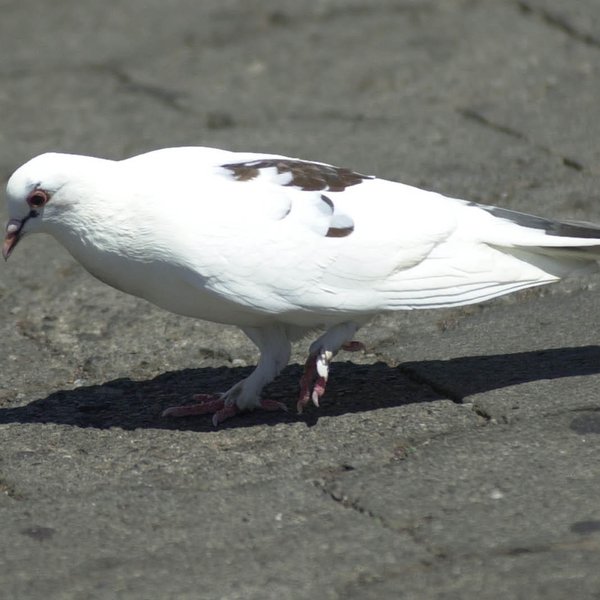
Columba livia Gmelin, 1789
Species Database Columba livia Gmelin, 1789
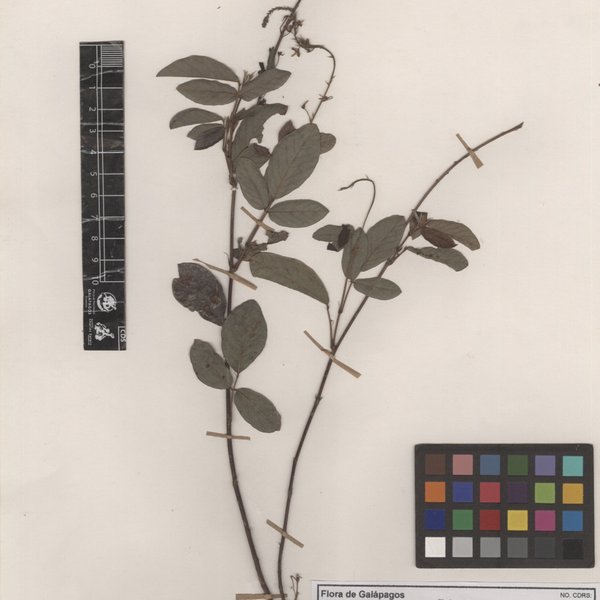
Desmodium incanum DC.
Species Database Desmodium incanum DC.
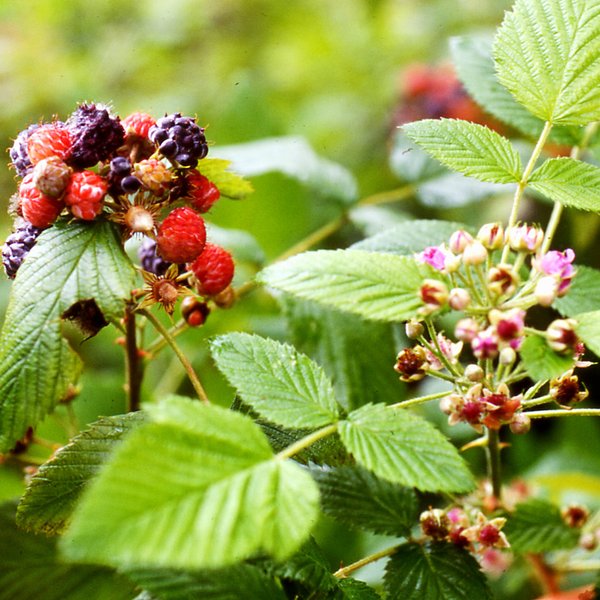
Rubus niveus Thunb.
Species Database Rubus niveus Thunb.
CDF Archive
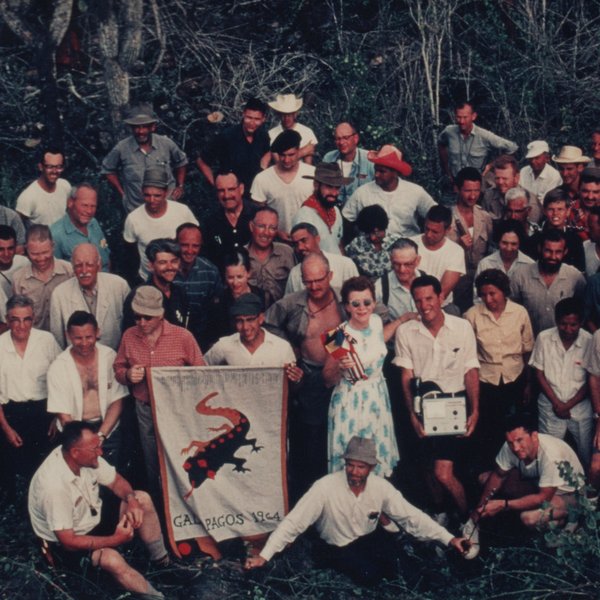
Our History

Discover the Charles Darwin Foundation, established in 1959 to protect the Galapagos Islands' fragile ecosystem. As the oldest and largest science and conservation organization in the archipelago, our Research Station leads efforts to preserve this unique environment through groundbreaking research and conservation milestones.