Results
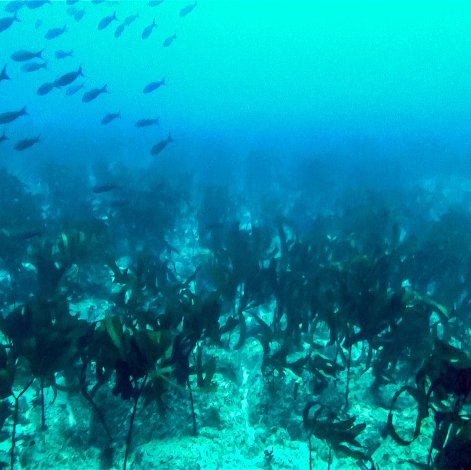
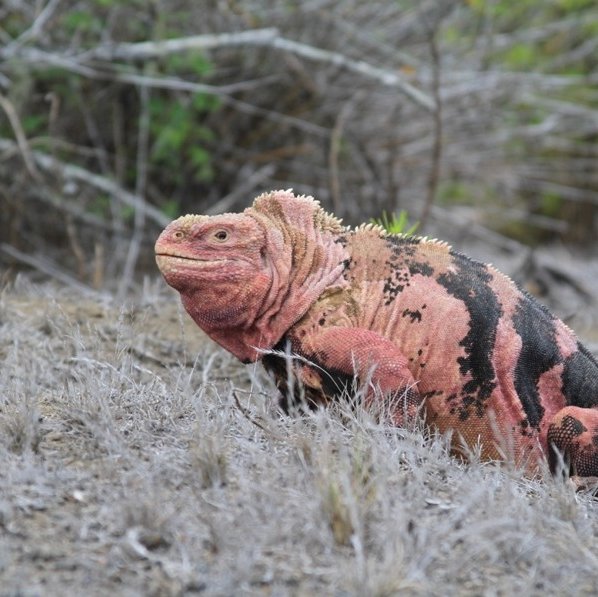
Scientists Discover a Novel Herpesvirus in Galapagos Pink Land Iguana
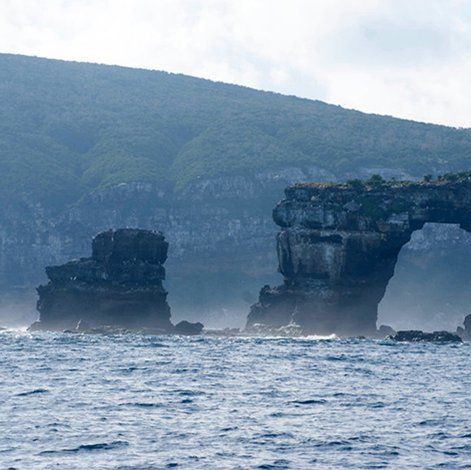

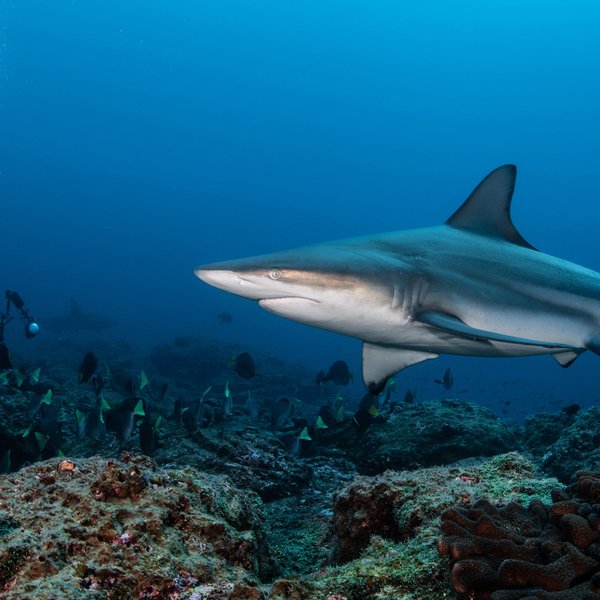
The Ministry of Environment of Panama and the Charles Darwin Foundation signed a Memorandum of Understanding to strengthen the transboundary protection of the migratory scalloped hammerhead shark and advance the recovery of their populations within the Eastern Tropical Pacific.

The Charles Darwin Foundation (CDF) is excited to launch its Ambassador Program, a platform for passionate advocates who share our vision of protecting the Galapagos Islands—one of our planet’s most extraordinary natural treasures—through science and conservation action.
The Charles Darwin Foundation (CDF) is excited to launch its Ambassador Program, a platform for passionate advocates who share our vision of protecting the Galapagos Islands—one of our planet’s most extraordinary natural treasures—through science and conservation action.
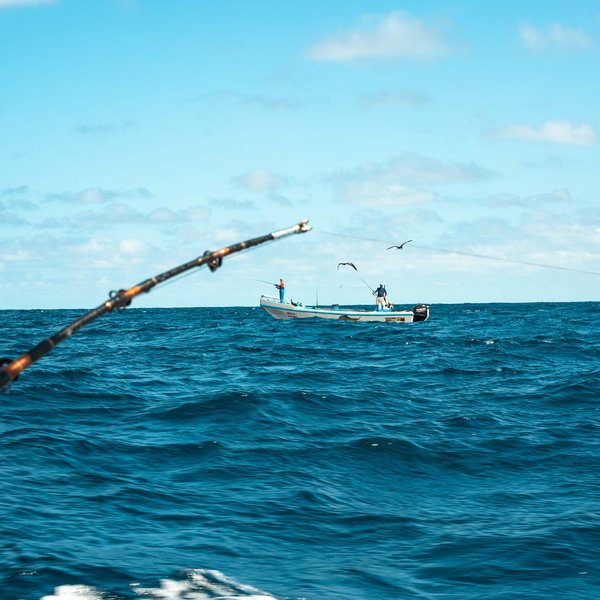
Discover how Galápagos waters fuel Ecuador’s economy and fight climate change. A groundbreaking study by CDF and partners reveals the immense value of marine ecosystems—from carbon-storing mangroves to booming tourism and fishing industries. Learn why protecting these waters is essential for sustainable development and global conservation efforts.
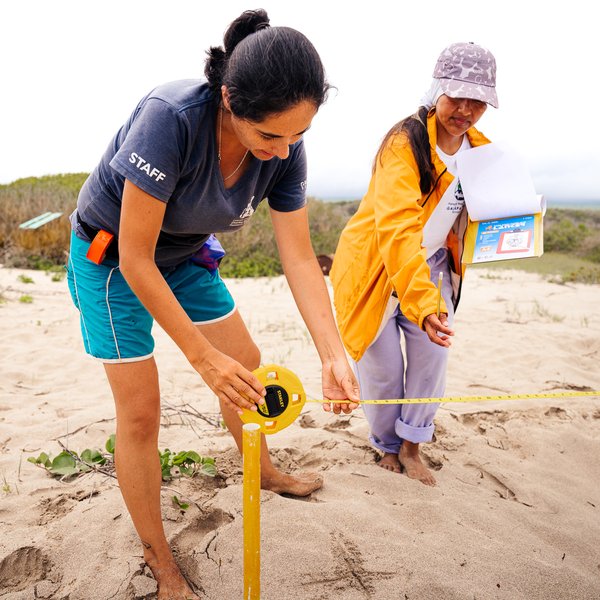
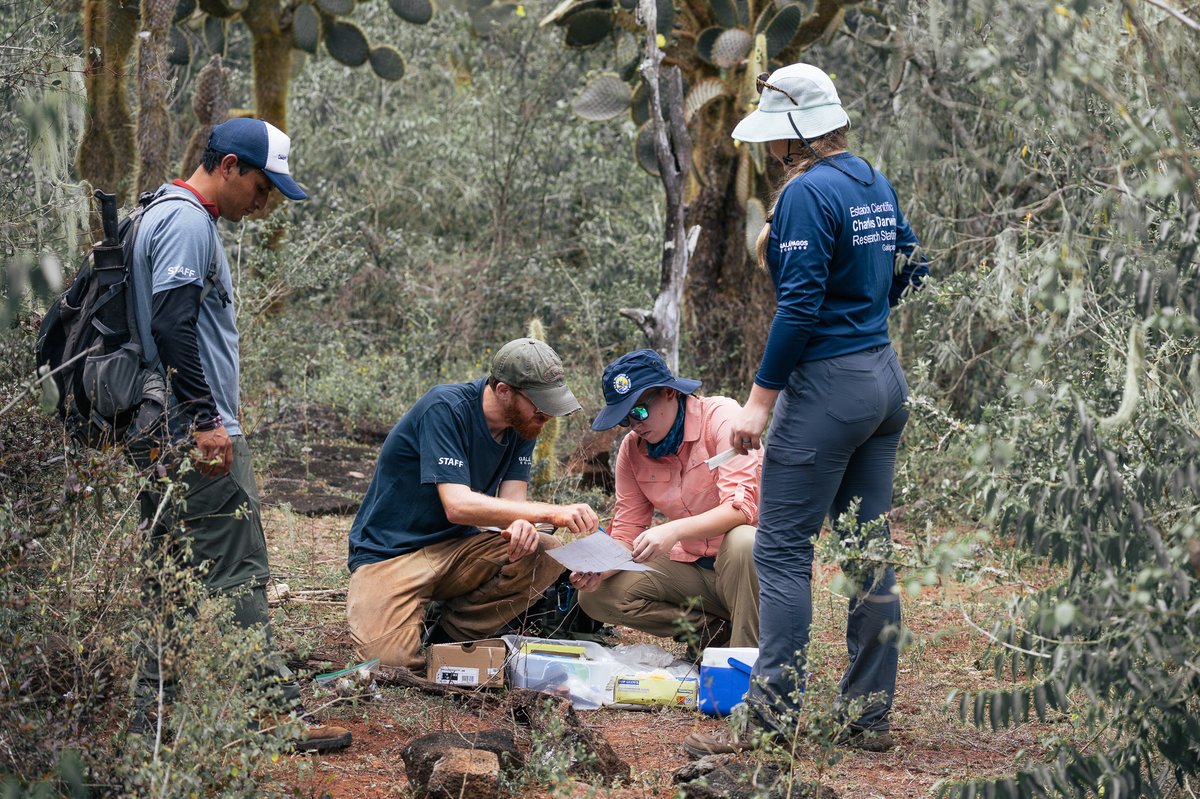
On February 11, we celebrate the International Day of Women and Girls in Science, a day to recognize the importance of strengthening female participation in science, especially in places like the Galapagos Islands. This archipelago, iconic for global conservation, has become a living laboratory where women and men work together to protect this unique ecosystem. The women of Galapagos, with their talent and dedication, demonstrate that conservation is stronger when everyone joins forces.
On February 11, we celebrate the International Day of Women and Girls in Science, a day to recognize the importance of strengthening female participation in science, especially in places like the Galapagos Islands. This archipelago, iconic for global conservation, has become a living laboratory where women and men work together to protect this unique ecosystem. The women of Galapagos, with their talent and dedication, demonstrate that conservation is stronger when everyone joins forces.
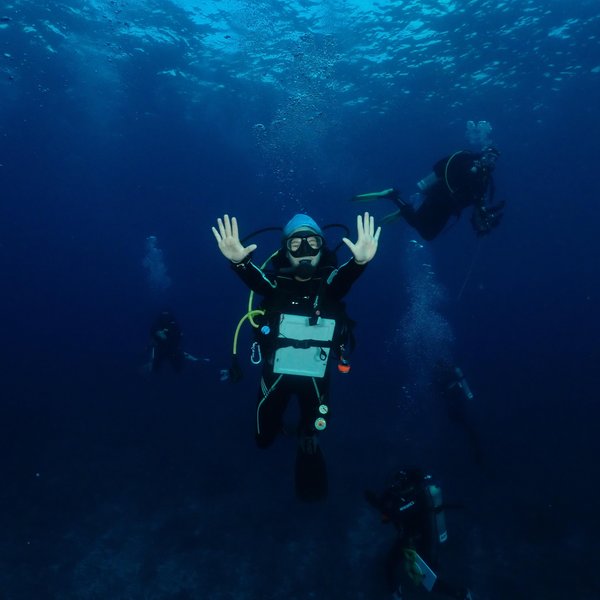
In the remote northern islands of Darwin and Wolf, science reveals a dramatic seasonal pulse beneath the waves. A new Charles Darwin Foundation study shows fish biomass triples in the cold season—driven by migrating scalloped hammerhead sharks. Discover how ocean currents shape one of Earth’s richest marine refuges.
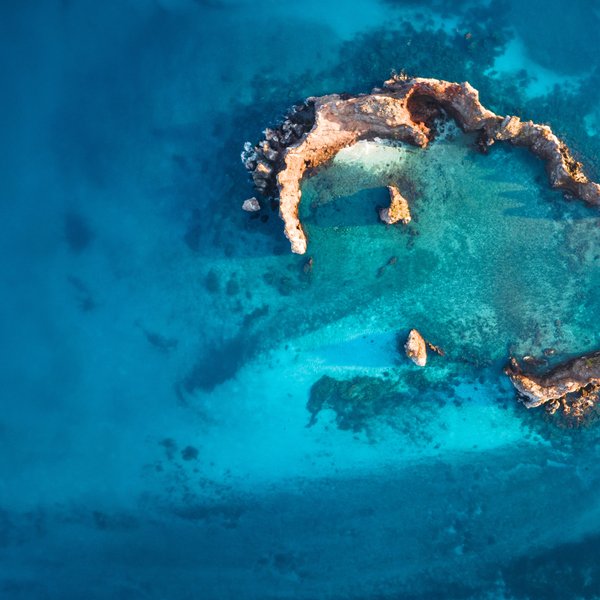
The Charles Darwin Foundation will attend the third UN Ocean Conference and the One Ocean Science Congress in Nice, co-hosting and speaking at events across the Blue and Green Zones. Join us as we highlight marine science, regional collaboration, and urgent action for ocean conservation.
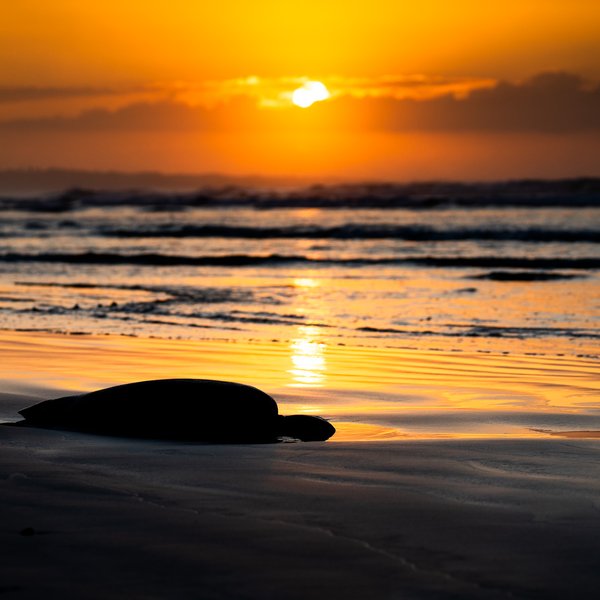
The Charles Darwin Foundation and Oceans Finance Company are delighted to announce a strategic partnership aimed at advancing crucial long-term conservation initiatives to enhance resilience to climate change in the archipelago and surrounding areas.
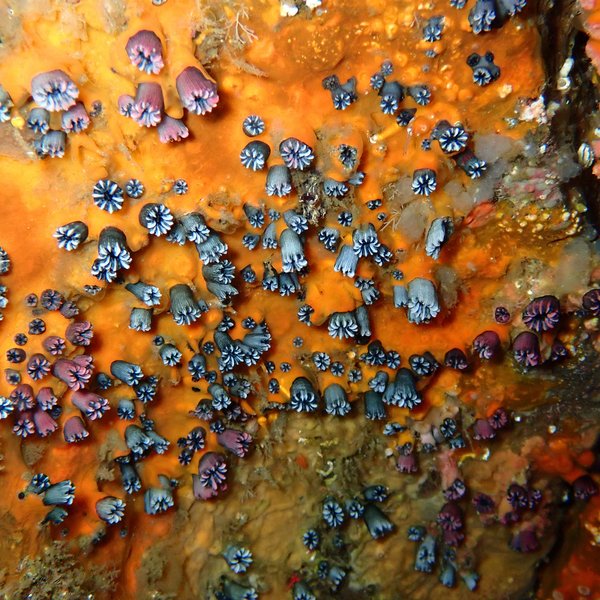
A scientific team led by the Charles Darwin Foundation (CDF) and the California Academy of Sciences (CAS), in collaboration with the Galapagos National Park Directorate (GNPD) has confirmed that Rhizopsammia wellingtoni—a solitary coral thought to be lost for a generation— is alive and clinging to Galapagos’ underwater cliffs.
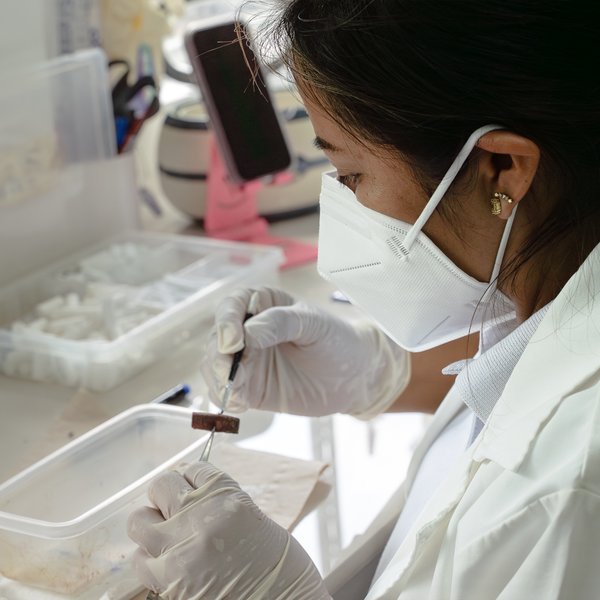
Researchers at the Charles Darwin Research Station study the invasive fly Philornis downsi to protect Galápagos birds. Through controlled rearing, data recording, and experiments on reproduction and behavior, they develop biological control methods. Despite challenges like low mating success, steady laboratory work supports conservation efforts and the survival of endemic species.
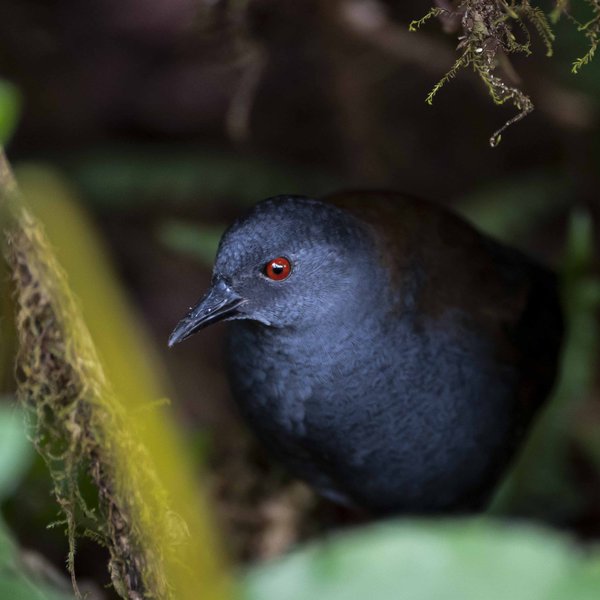
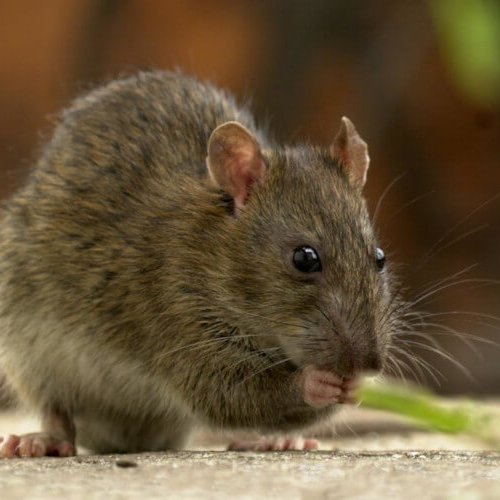
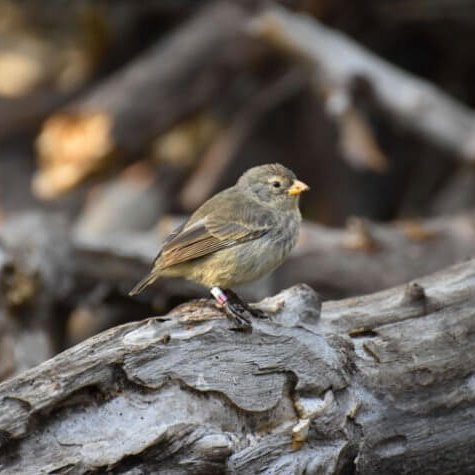
The Galapagos Rail (Laterallus spilonota) has been confirmed on Floreana Island for the first time in 190 years. This follows a 2023 eradication campaign that removed most invasive cats and rats, likely aiding its survival. Researchers will conduct genetic testing to determine if the species recolonized or persisted undetected.