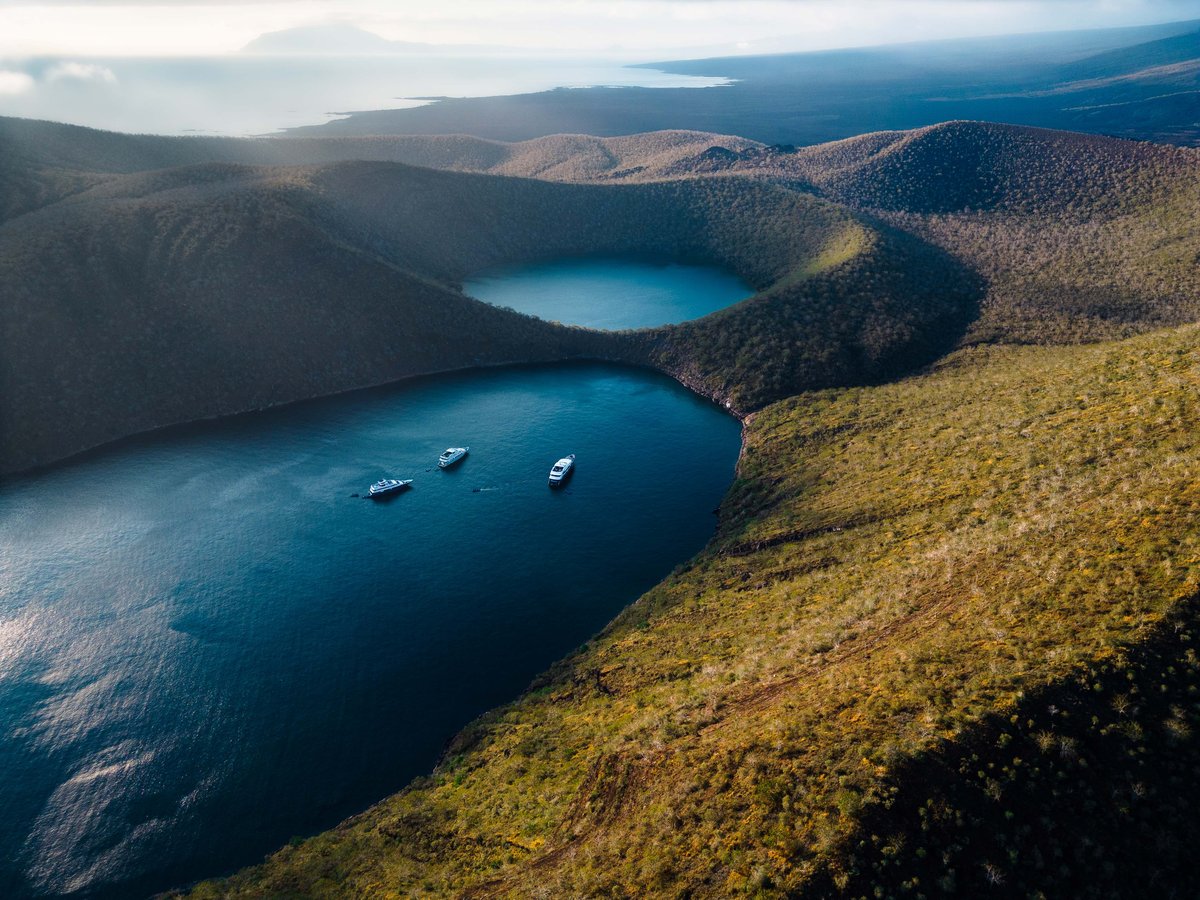
Results
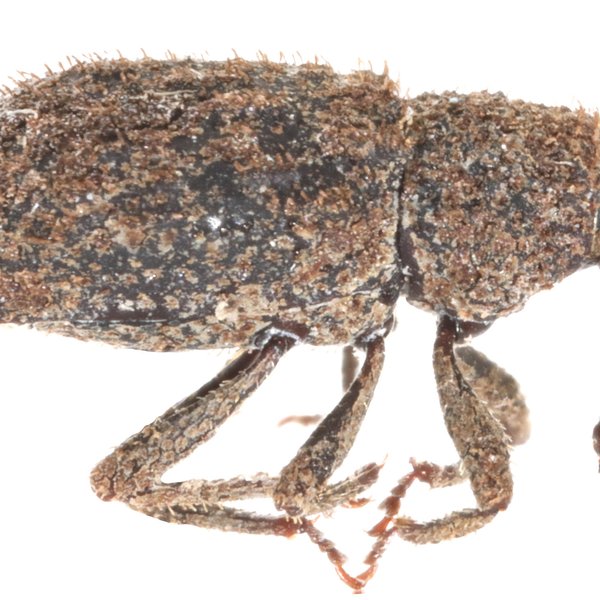
The Galápagos Islands face a growing threat from invasive species that endanger native biodiversity. Classical biological control, using natural enemies to regulate these species, offers a sustainable and safe way to restore ecological balance and protect this unique ecosystem.
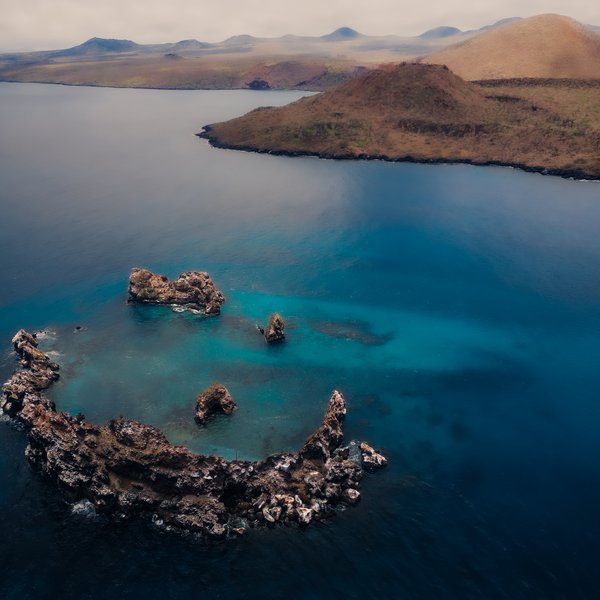
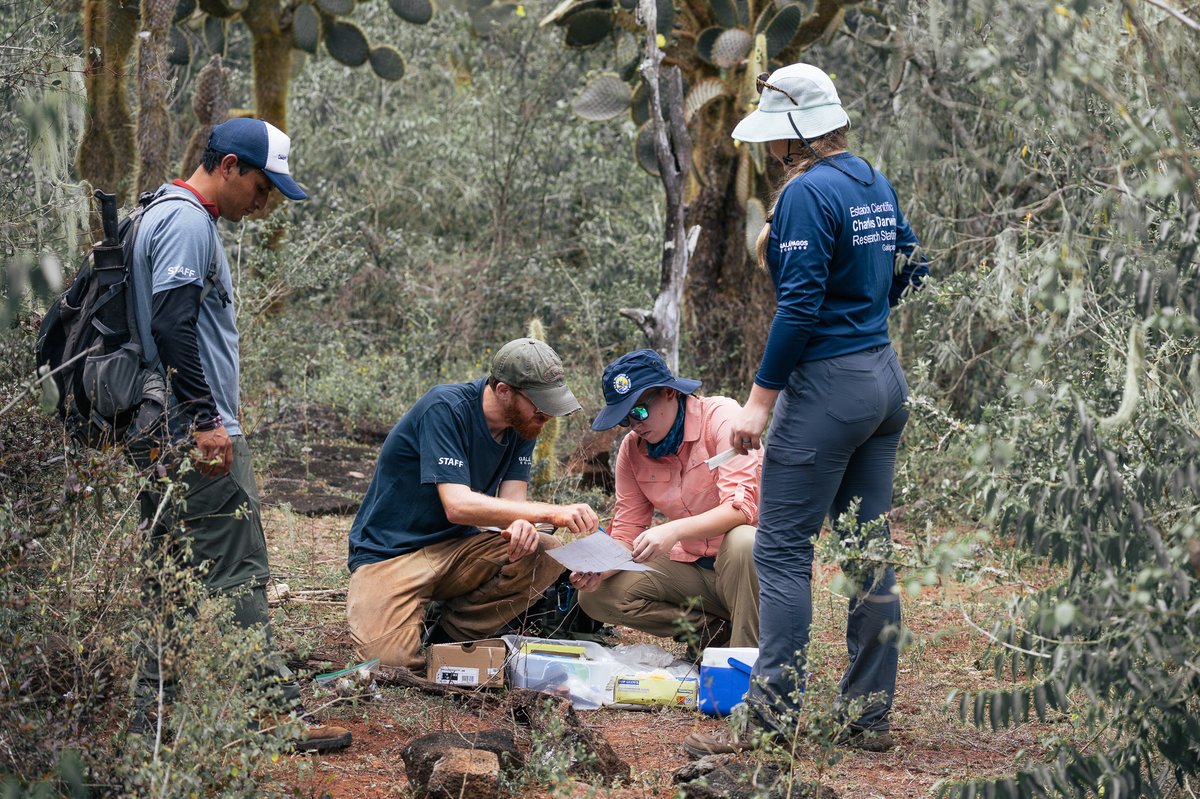
Floreana Island, heavily impacted by introduced species and biodiversity loss, now hosts one of Galápagos’ most ambitious restoration efforts. With a small community and 54 species still threatened, the Floreana Ecological Restoration Project aims to recover the island’s ecological balance through the removal of invasive species and the return of native wildlife.
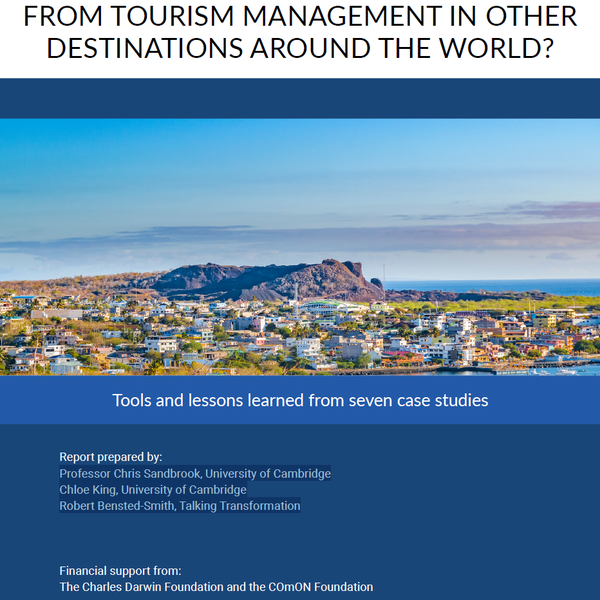
Galápagos faces increasing tourism pressures that threaten its unique ecosystems. This report reviews seven international case studies to identify effective visitor-management tools—such as quotas, zoning, monitoring, and community engagement—and evaluates their relevance for Galápagos.
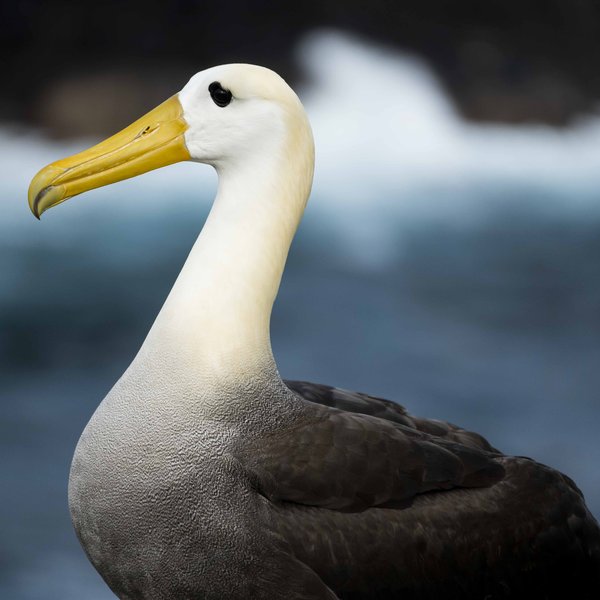
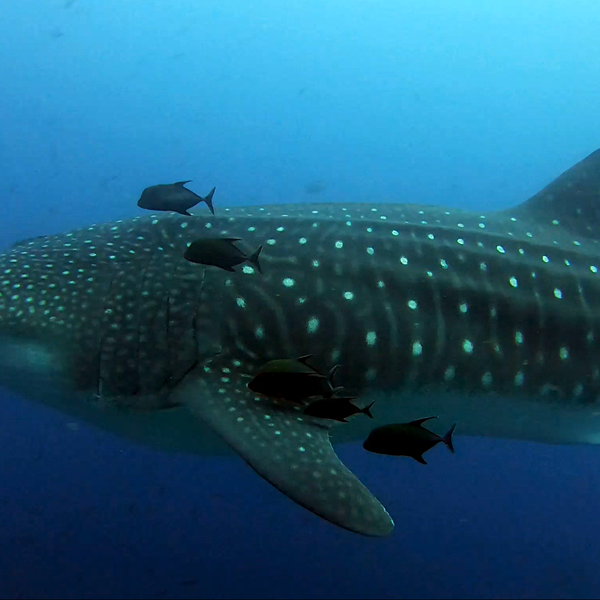
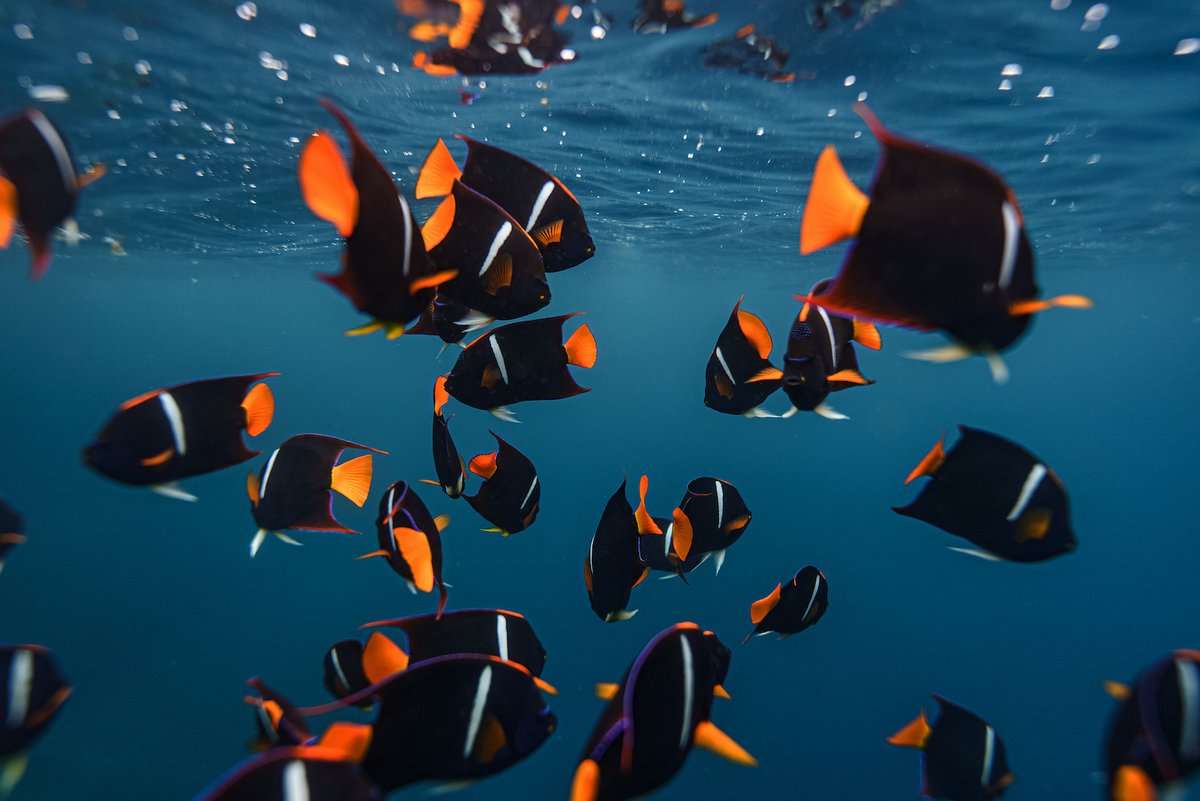
For the first time, international trade of a commercially important shark was banned, and protections expanded to 70+ shark & ray species.
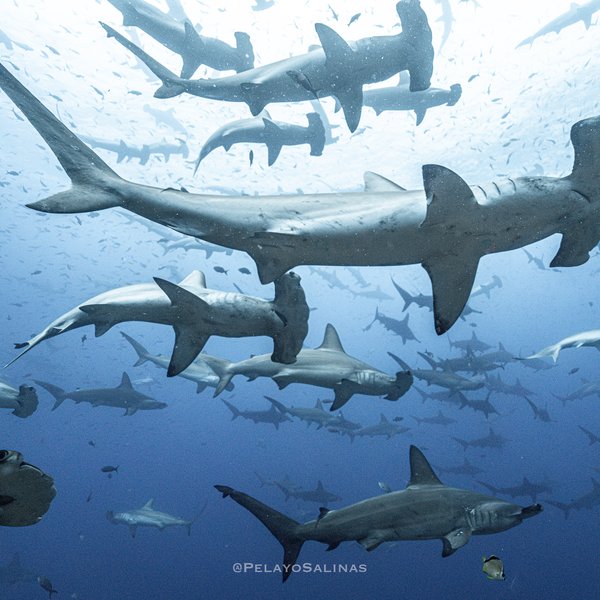
As threats to oceans intensify, bridging science and policy is key to protecting migratory species. This piece explores how UN conventions like CMS translate research into action, spotlighting efforts to uplist the Critically Endangered scalloped hammerhead shark and strengthen international conservation through collaboration, evidence, and policy innovation.
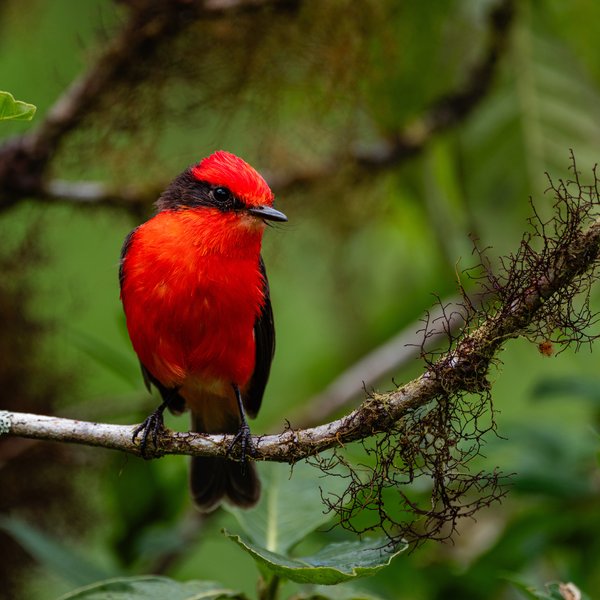
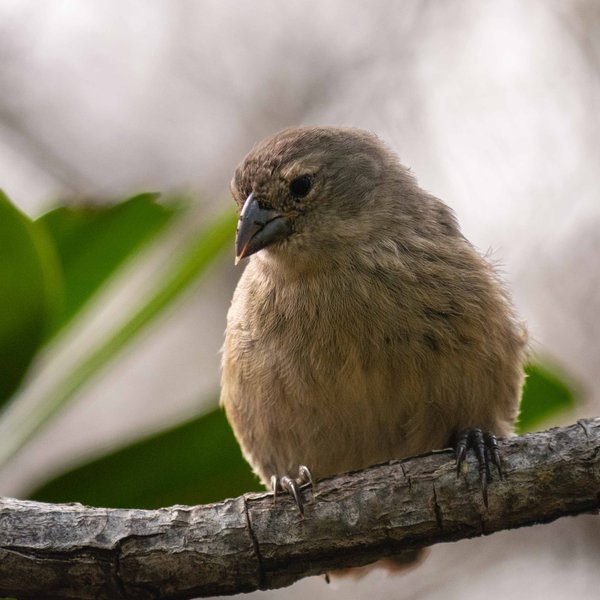
The Galápagos landbird breeding season (January–April) is critical for conservation. Monitoring and adaptive management, including innovative control of Philornis downsi, are improving nesting success. Early results show population recovery in key species, supported by habitat restoration. Ongoing data collection will determine long-term effectiveness and guide future conservation strategies.
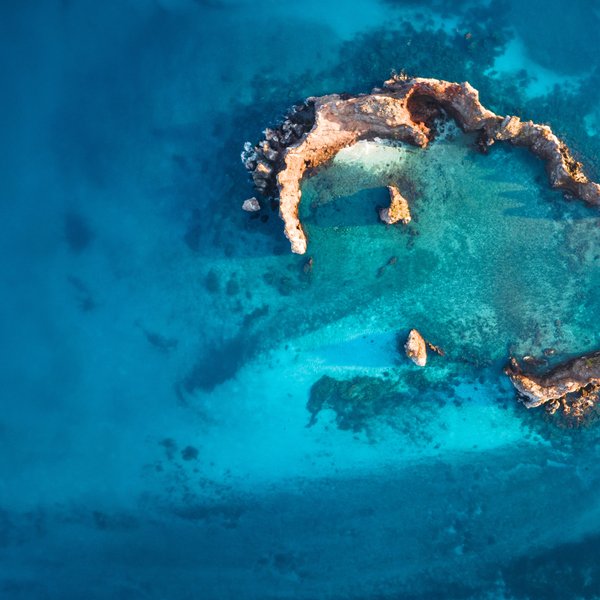
Welcome to The Station
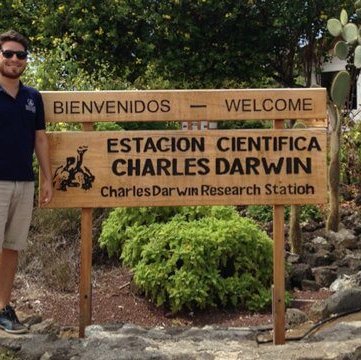
A podcast series, coming to you directly from the Charles Darwin Research Station, where we dive into stories of science and wonder from the Galápagos Islands.
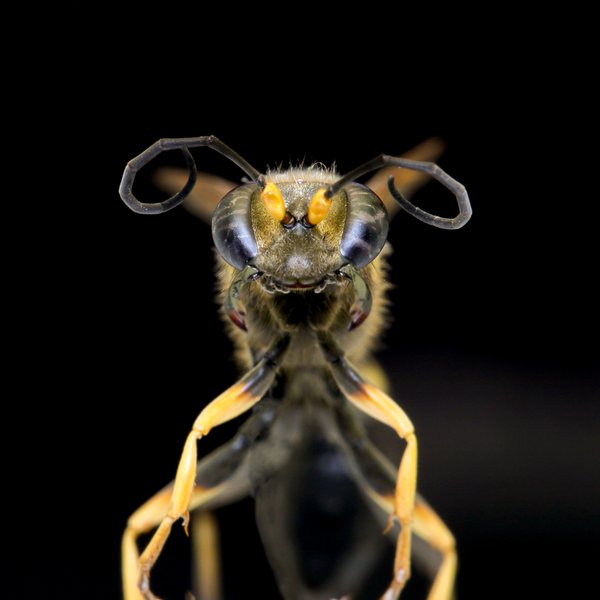
Research in the Scalesia forest on Santa Cruz Island revealed more than 200 taxa of parasitoid wasps, compared with only 30 species previously reported for Galapagos. These tiny insects play essential ecological roles and highlight how much remains unknown about the archipelago’s biodiversity and fragile ecosystems in the Pacific Ocean.