Results
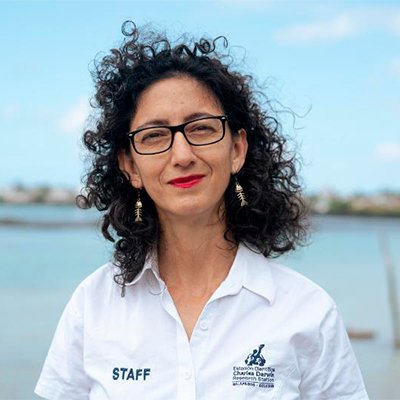
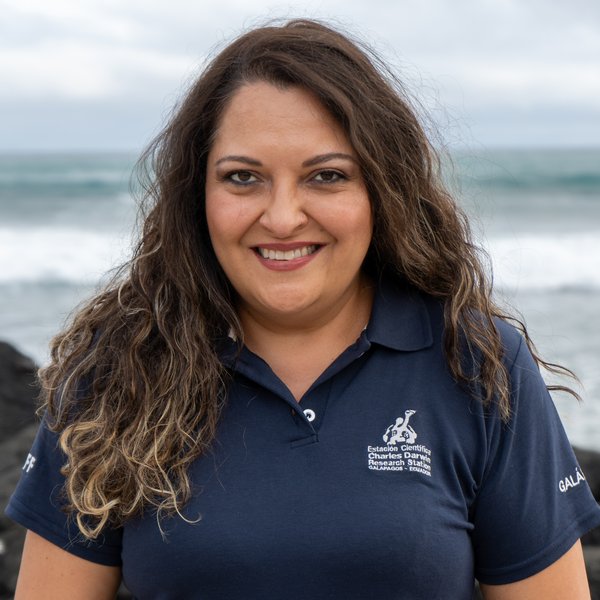
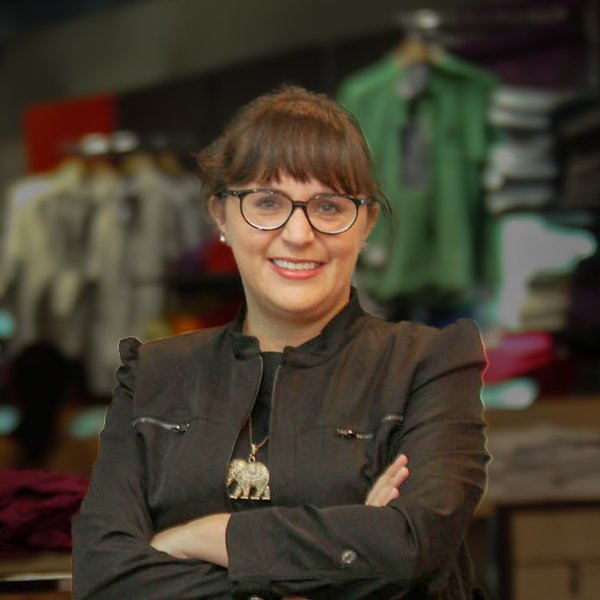
María Cristina believes in supportive leadership as a driver of collaborative behaviors within organizations. Her passion is to drive human development as a key factor in creating better outcomes and achieving strategic goals.
An Industrial Psychologist, María Cristina has more than 25 years of experience working in Human Resources departments across various organizations. At the executive level, she has supported strategic decision-making and the implementation of best practices with a people-centered approach. She has international experience in multiethnic and multicultural environments, as well as in non-profit organizations, including the IUCN.
Before joining CDF, she worked for 8 years as an independent consultant in Human Resources Management, advising organizations in various fields, both locally and regionally. Additionally, she has volunteered as a facilitator providing psychological support and crisis intervention in disasters.
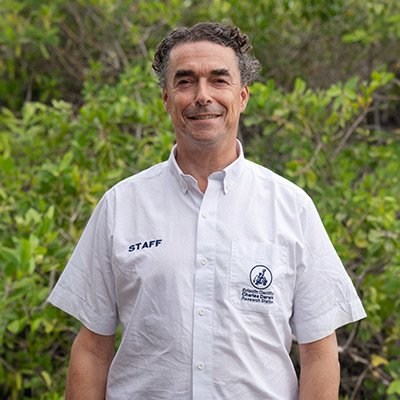
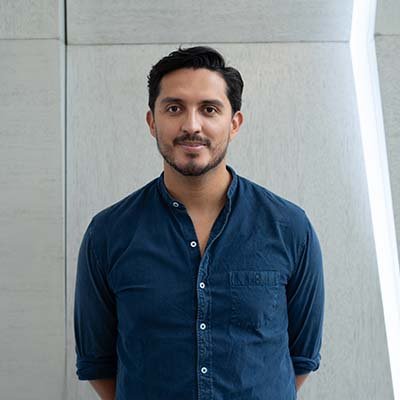
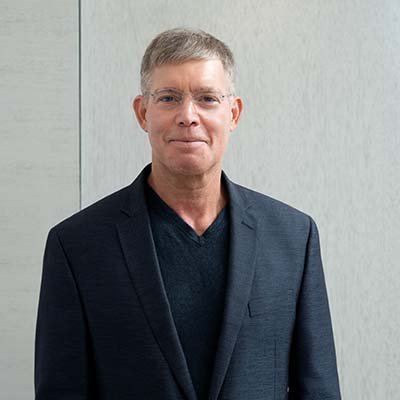
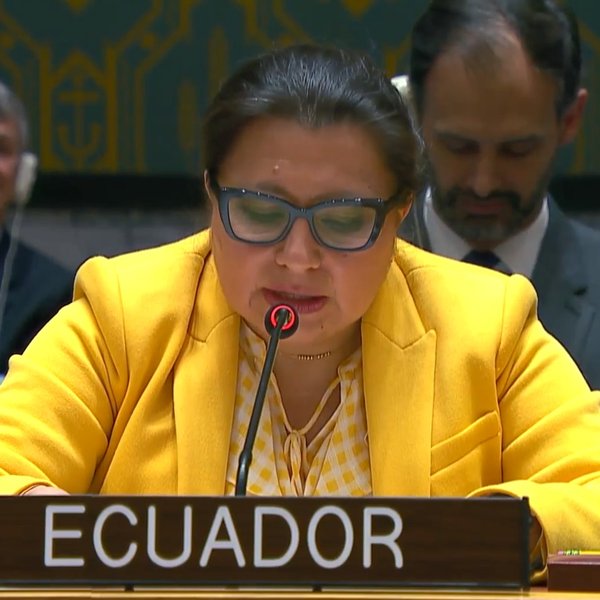
Irina Barba is Minister of the Foreign Service and currently serves as Director of Environment and Sustainable Development at Ecuador’s Ministry of Foreign Affairs and Human Mobility. She is the political focal point for several multilateral environmental agreements.
Her diplomatic career includes postings in Japan, Turkey, Paraguay, and most recently at Ecuador’s Permanent Mission to the United Nations in New York, where she led on legal issues, ocean and maritime law, sustainable development, environmental matters, peacebuilding, and African dossiers on the Security Council agenda. From April to December 2025, she was Ecuador’s Political Coordinator during the country’s non-permanent membership on the UN Security Council (2023–2024).
She also represented Latin America and the Caribbean (GRULAC) in 2020–2021 on the Facilitative Working Group of the Local Communities and Indigenous Peoples Platform under the UNFCCC.
Since 1999, she has held various positions at the Ministry in Quito, including in Passport Services, Protocol, Multilateral Policy, Human Resources, Asia and Oceania, and Environment and Sustainable Development.
She holds a bachelor’s degree in Multilingual International Business from the Pontificia Universidad Católica del Ecuador and a master’s in Diplomacy and European and International Relations from the University of Auvergne in France.
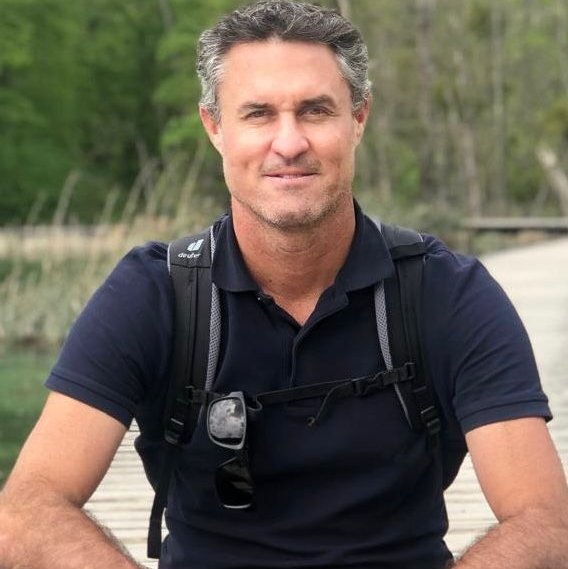
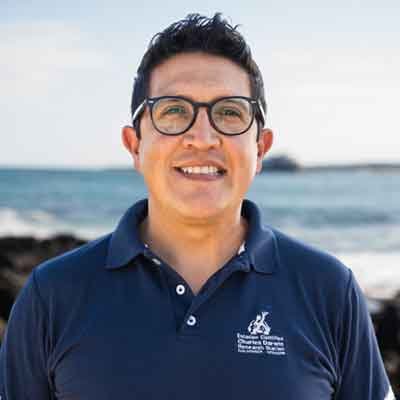
Andrew Balfour is an entrepreneur and business manager from the Galapagos Islands, with over 15 years of experience in the luxury hospitality sector. As the General Manager of Pikaia Lodge, he has assembled a dedicated team focused on delivering exceptional guest experiences while prioritizing sustainable practices to minimize environmental impact. Under his leadership, Pikaia Lodge has garnered recognition for its unwavering commitment to sustainability and excellence in hospitality.
In addition to his role at Pikaia Lodge, Andrew is the founder of Galadis Del Ecuador, where he oversees a diverse portfolio of small businesses in hospitality, retail, and yachting operations, showcasing the unique natural wonders of the Galapagos to visitors. Andrew also serves as the President of the Galapagos Chamber of Tourism, collaborating closely with local government entities to foster a tourism model that enhances service quality while maintaining a strong commitment to sustainability. Furthermore, he holds the position of Honorary British Consul for the Galapagos Islands.
Having spent the majority of his life in the Galapagos, Andrew is deeply passionate about developing a balanced approach that harmonizes conservation, sustainable business practices, and community well-being.
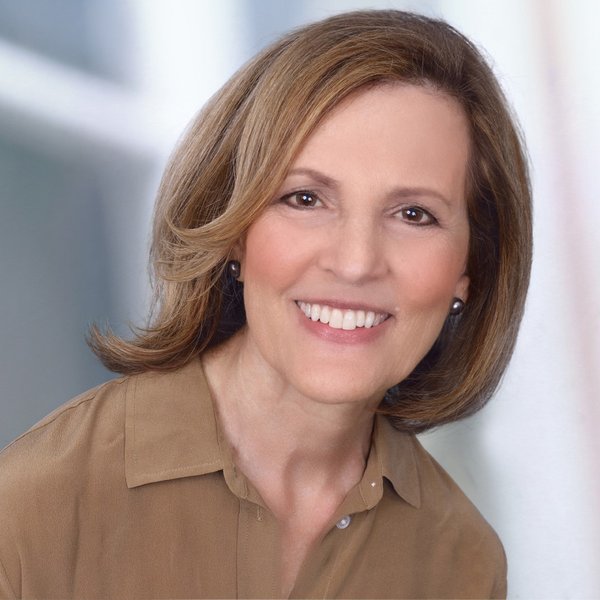
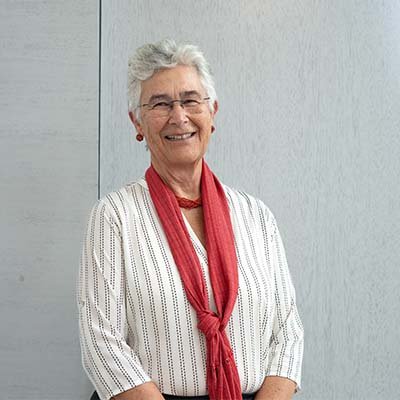
Dr. Mary C. Pearl is an internationally recognized scientist, conservationist, and educator with a distinguished career in environmental and academic leadership. A Yale graduate with a Ph.D. in physical anthropology and evolutionary biology, Mary began her career at the World Wildlife Fund and the Wildlife Conservation Society, laying the foundation for her lifelong commitment to conservation. She later served as President of Wildlife Trust (now EcoHealth Alliance), where she developed conservation programs across 20 biodiverse countries. As the Founding Dean of Stony Brook Southampton, a campus dedicated to sustainability, and later as Dean of Macaulay Honors College at CUNY, Mary pioneered innovative environmental programs and secured major funding to expand educational opportunities. Currently, she coordinates the International Biodiversity Network, linking conservation scientists globally, and chairs the Center for Large Landscape Conservation. Widely regarded as a pioneer in conservation medicine, Mary’s work bridges environmental, health, and social sciences to address complex global challenges. Her career reflects a profound dedication to biodiversity protection and conservation education.
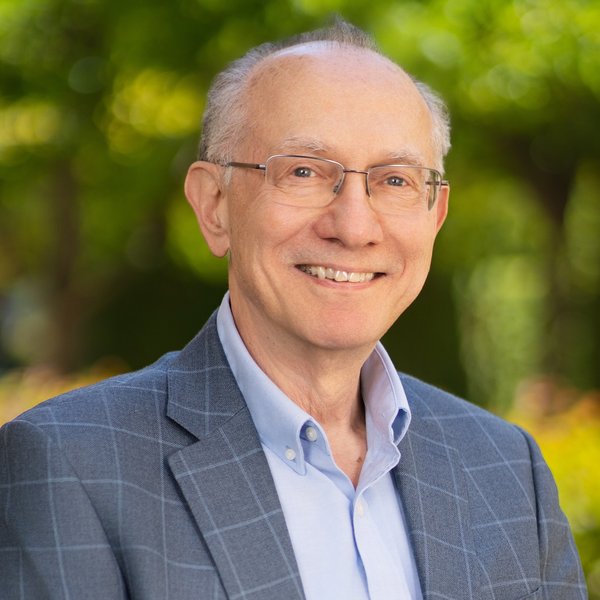
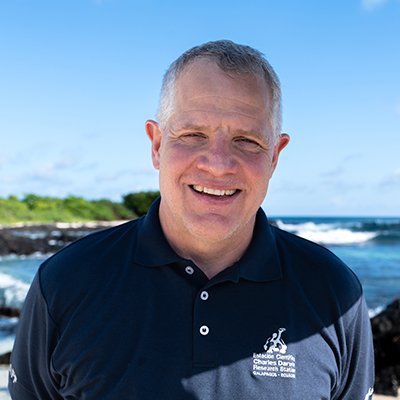
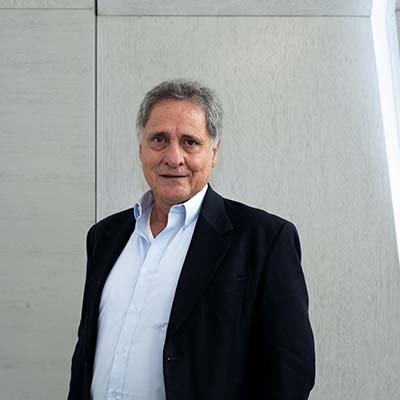
Dr. Harvey V. Fineberg is a distinguished leader in global health, science, and philanthropy. He stepped down as president of the Gordon and Betty Moore Foundation at the end of 2025 after 11 years of strategic leadership and previously served as president of the U.S. National Academy of Medicine, provost of Harvard University, and dean of the Harvard T. H. Chan School of Public Health.
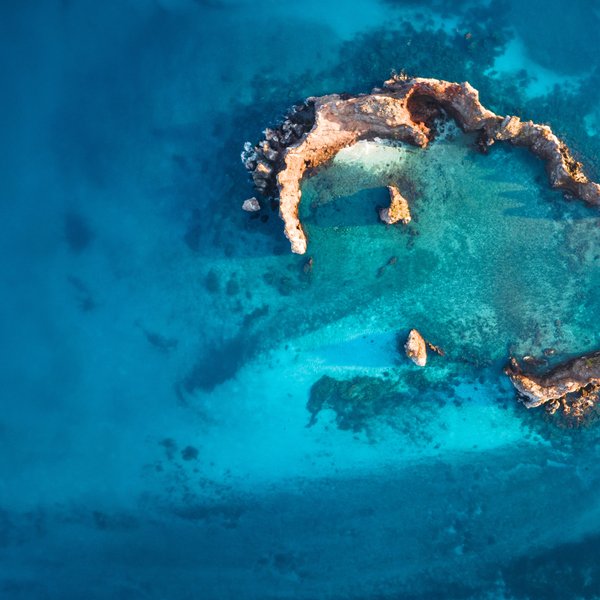
Our Ambassadors are passionate advocates that volunteer their time to enact lasting change for Galapagos and the world. Like us, they are united in their vision that if we can protect Galapagos, we can impact the world – inspiring others around the world to protect our planet’s fragile biodiversity, and ultimately protect our home. They do so by raising awareness and rallying support for our mission, while tailoring their involvement to their unique passions and skillsets.
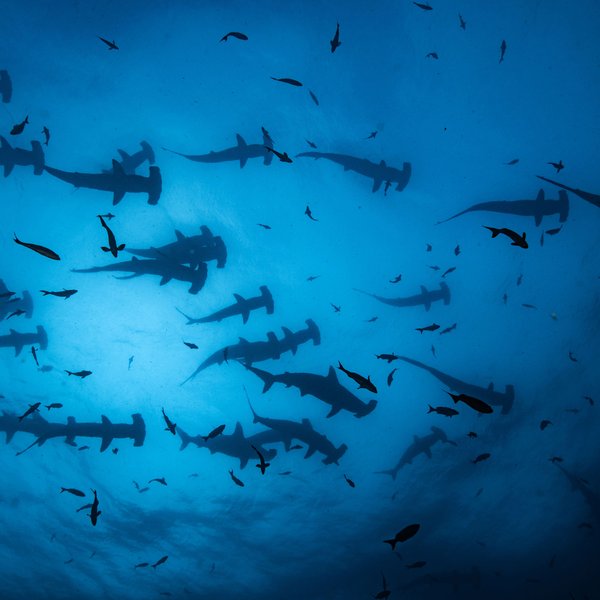
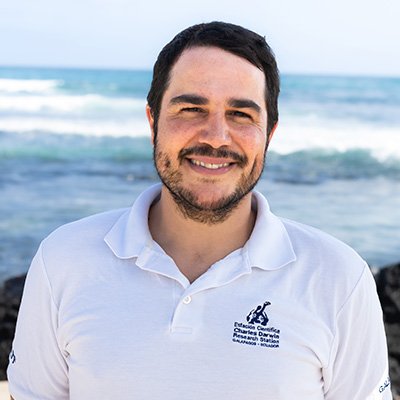
Pelayo is a biologist, explorer, and underwater photographer committed to ocean protection and shark conservation. He has been a senior marine ecologist with CDF since 2012, and from 2016 to 2021 he was part of National Geographic Pristine Seas, contributing to its mission of helping to protect our ocean’s last wild places. He is currently combining his role as Principal Investigator of CDF’s shark ecology project with his work with several international foundations.
Pelayo earned a Master's degree inhttps://ec.linkedin.com/in/pelayo-salinas-de-le%C3%B3n-884b9512 environmental management in 2007 and a Doctorate in marine biology in 2010 from Victoria University of Wellington, New Zealand. Before fulfilling his dream of working in the Galapagos, he worked in Indonesia, New Zealand, and Cuba.
Author of over 70 scientific publications, Pelayo explores the biodiversity and beauty of some of the most remote places on the planet during his international expeditions, contributing to their protection. Some of his recent expeditions include the Ogasawara Islands and the Marshall Islands.
Pelayo is a passionate advocate for ocean conservation and science communicator. His scientific work has been featured in documentaries and articles in international magazines, including ‘NatGeo Wild Galápagos’, ‘BBC Galápagos’, or ‘The Shark Side of the Moon’.
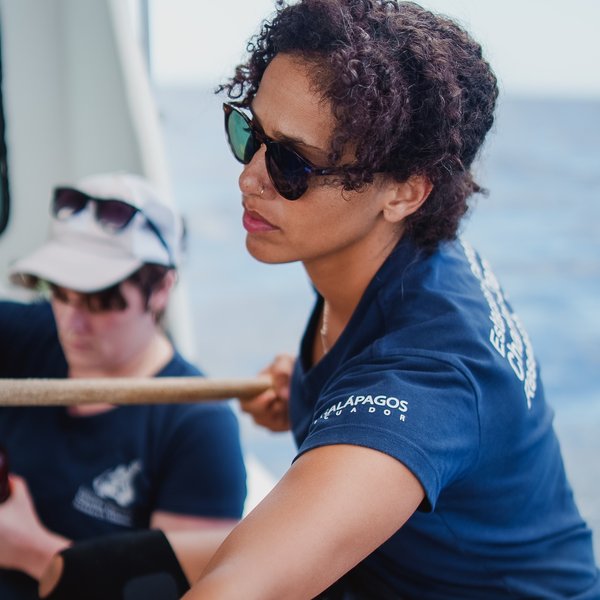
Come work for the Charles Darwin Foundation in Galapagos! Explore our current vacancies and find your place in protecting this extraordinary archipelago.