Results
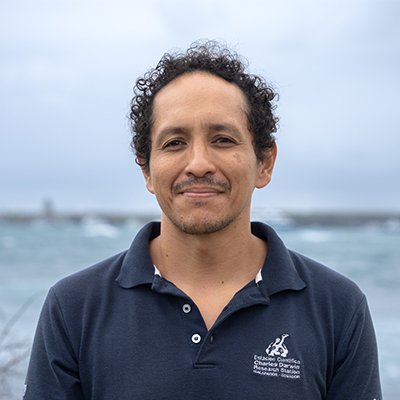

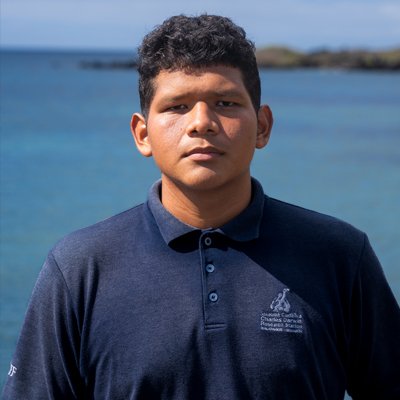
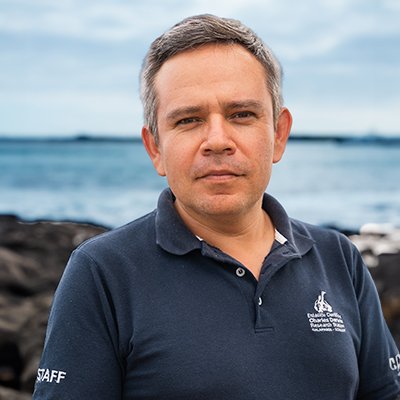

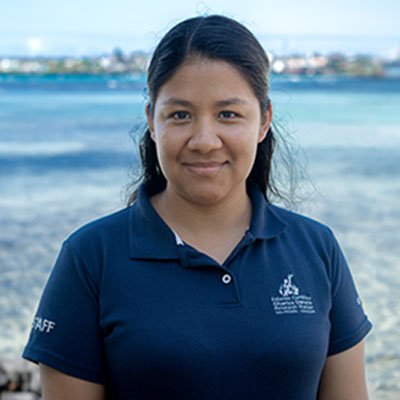
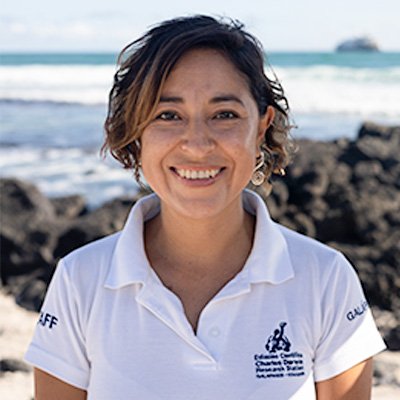
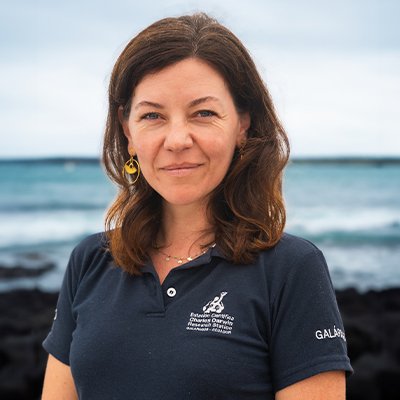
Jacqueline is an entomologist working on different projects related to insect diversity, ecology, taxonomy and conservation. She has been working at the Charles Darwin Foundation since 2014, first as acting head of the Terrestrial Invertebrate Collection (ICCDRS) for 3 years. She is currently leading terrestrial invertebrate monitorings in different habitats, such as the threatened Scalesia (giant daisy) forests and the agricultural zone. In addition, Jacqueline is working on a project to find an effective control method for the yellow paper wasp (Polistes versicolor), an invasive species in Galapagos. She is also in charge of the identification of insects intercepted in cargo, airports, tourist boats, urban areas and protected areas. She has a degree in Biological Sciences from the Pontificia Universidad Católica del Ecuador (PUCE) and a Master's degree in Sustainability and Conservation Planning, also from PUCE.
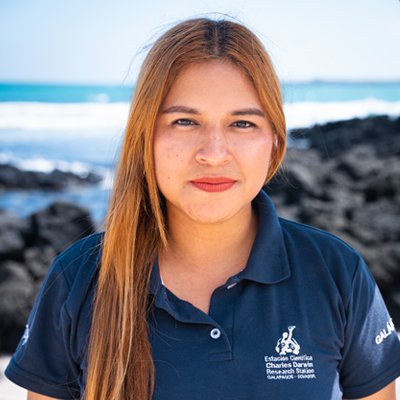
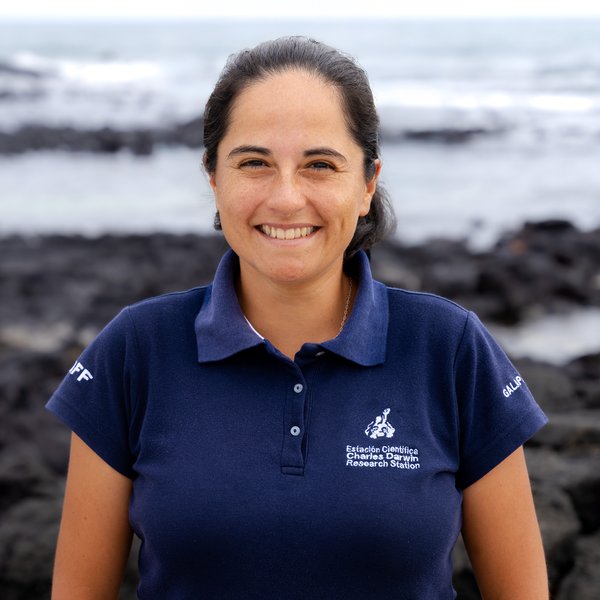
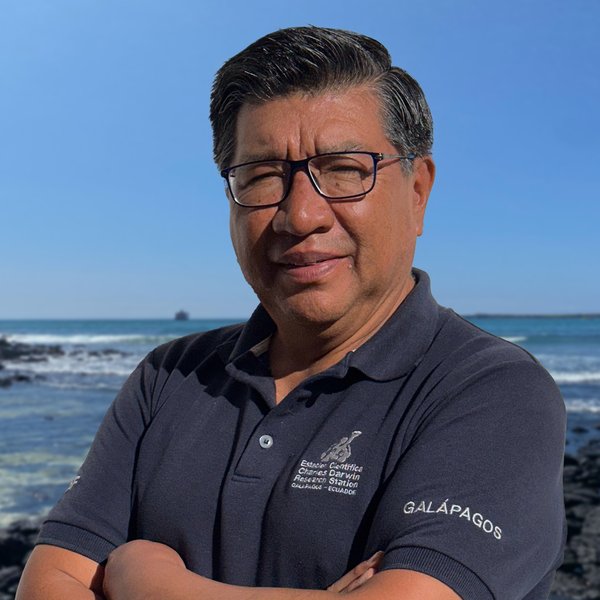
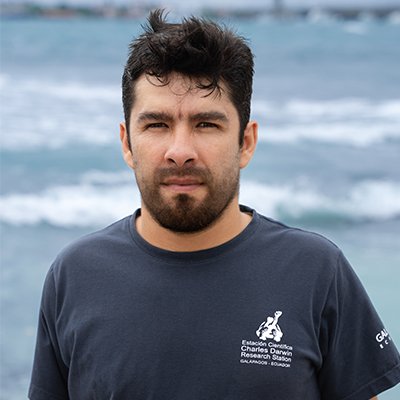
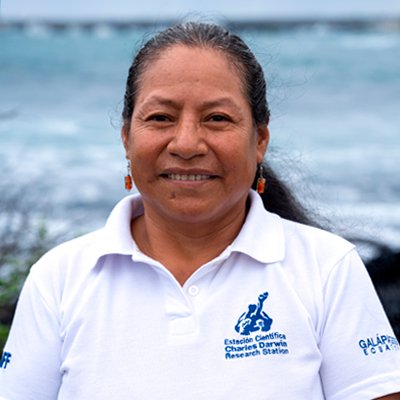
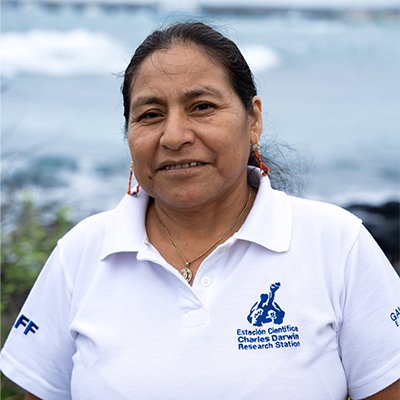
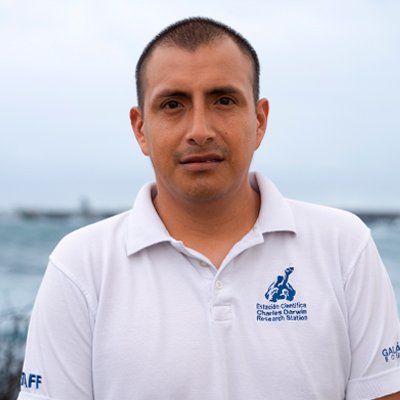
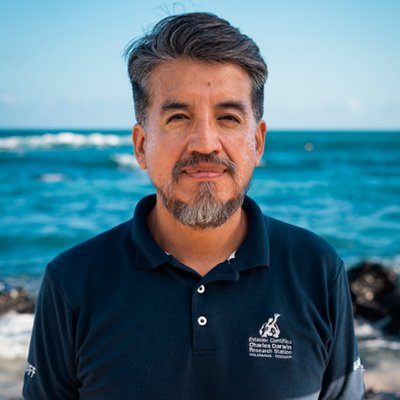
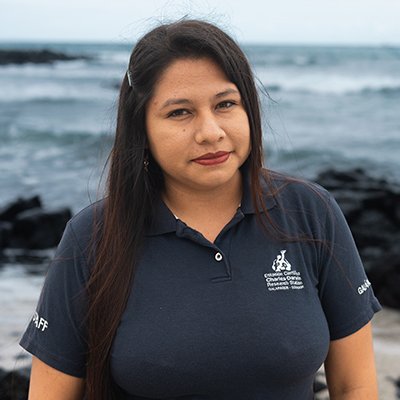
Diana, a permanent resident of the Galapagos, grew up in this Enchanted Islands surrounded by nature, which motivated her to contribute to the conservation of this beautiful natural laboratory. He studied his bachelor's degree in Biology at the Central University of Ecuador. Since she began her university career, she has been linked to science and conservation, being part of the Charles Darwin Research Station.
In May 2011 she became part of the CDF family, as a local volunteer for the marine collection, in 2012 she was a field and office assistant for the project “Monitoring green turtle nesting in Galapagos” and the project “Evaluation of the impact of vessels and movement and distribution of the green turtle within the Galapagos Marine Reserve”, in 2014 she was part of the STAFF and served as technical assistant of the Natural History Collections in the Herbarium (CDS).
He is currently pursuing a master's degree in Environmental Management and Audit in Marine Science and Technology.
Since 2019, she has served as Coordinator of the laboratories of the Charles Darwin Research Station, and is happy to be part of this prestigious institution.