Results
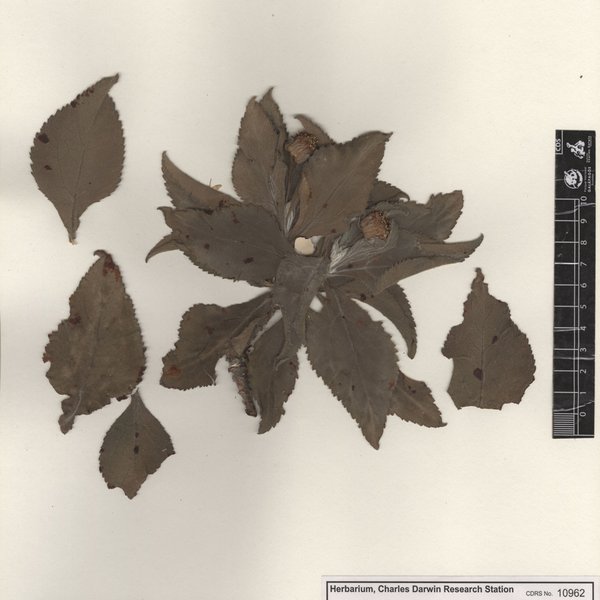
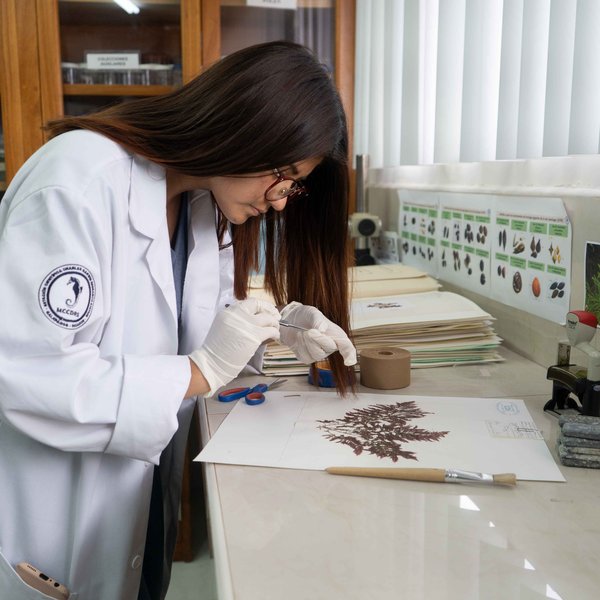
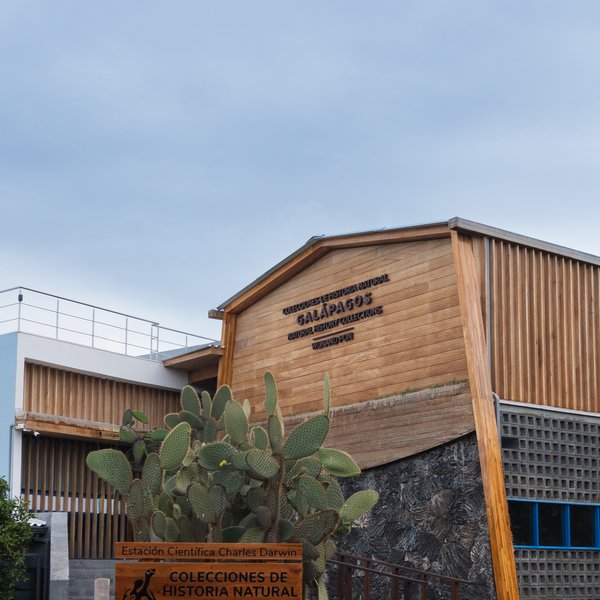
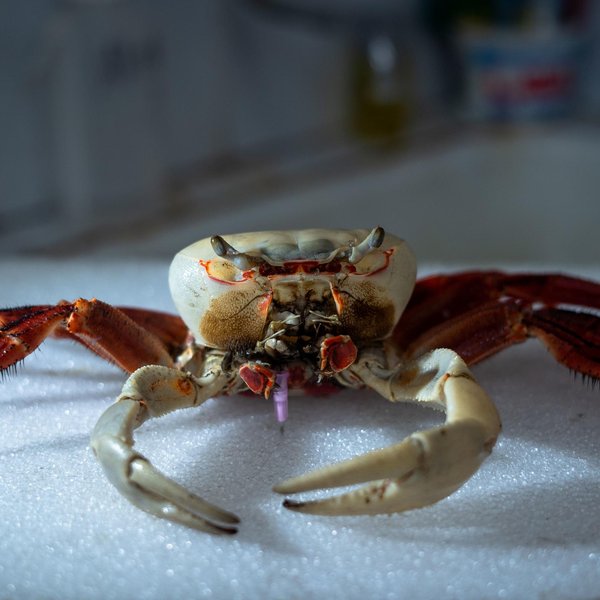
For the first time, the Charles Darwin Foundation opens Galápagos’ largest scientific collections to the public. Housing over 137,000 specimens, this new facility offers a rare glimpse into the science shaping conservation decisions and safeguarding one of the planet’s most extraordinary ecosystems.

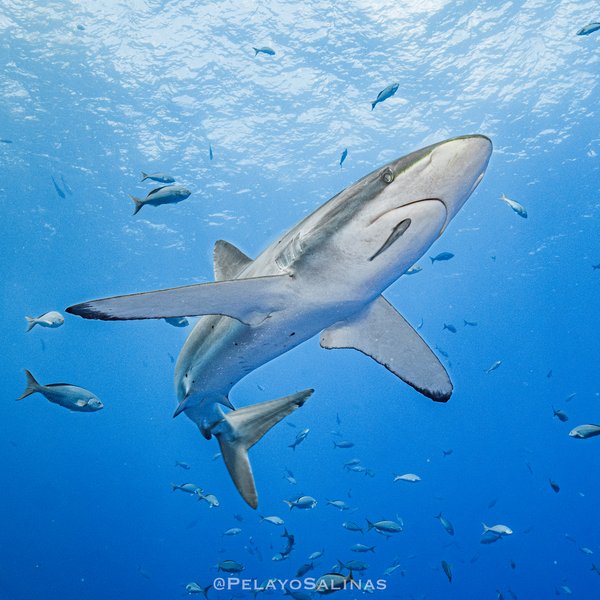
Silky shark's record-breaking migration of more than 27,000 km on the Tropical Eastern Pacific sheds light on urgent conservation need

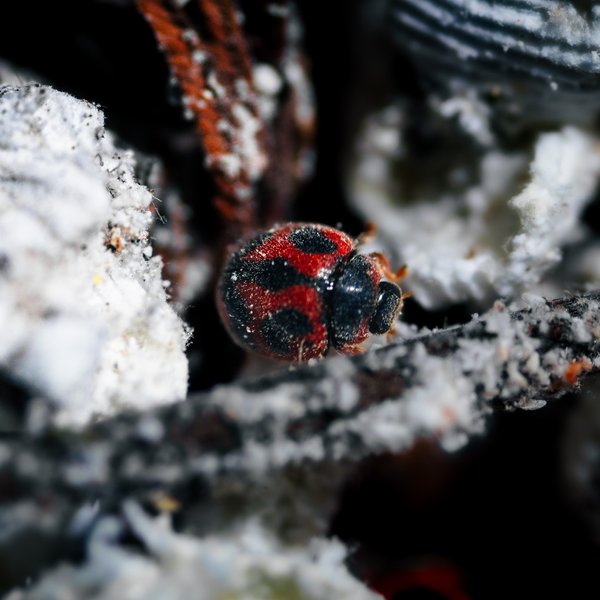
In the heart of the Galapagos Islands, a tiny, unexpected hero emerged in 2002 that would change the course of conservation. The Australian ladybug (Novius cardinalis), small in size but immensely effective, became a crucial ally in the fight against an invasive insect that threatened to devastate the endemic flora of these islands. This is the story of how science, innovation, and nature itself came together to help preserve one of the most valuable biological treasures on the planet.
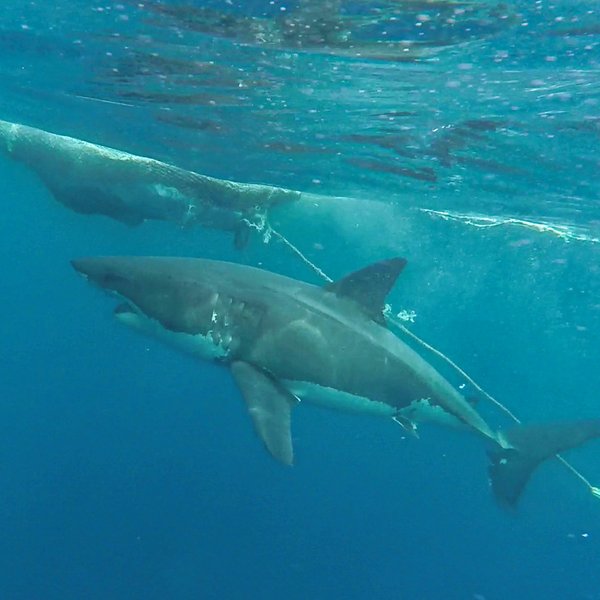
Researchers from the Charles Darwin Foundation and the Galapagos National Park have published the first confirmed record of a white shark in Ecuadorian waters. The encounter, roughly ninety kilometers west of Wolf Island and outside the Galapagos Marine Reserve (GMR), marks an unusual sighting of this species in the Eastern Tropical Pacific, where sightings south of Mexico's coastline are exceptionally rare.