Results
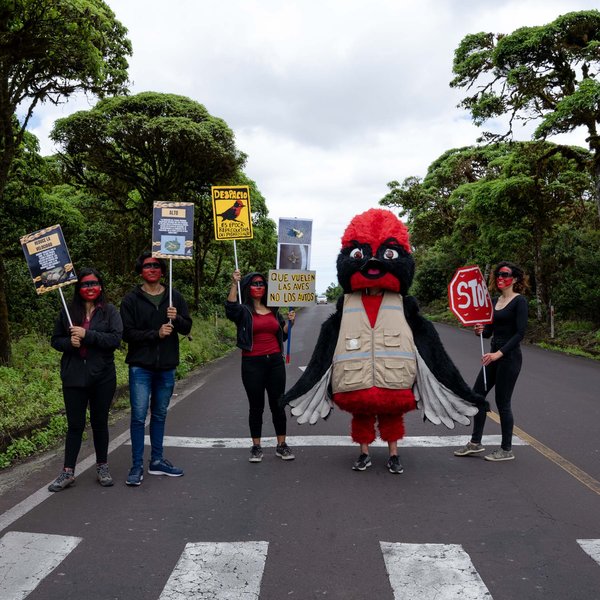
At the Charles Darwin Foundation, we believe that sustainable conservation depends on the involvement of the local community. Our goal is to inspire future generations of local conservation leaders, and embed conservation and sustainable development in the local culture.
The Scalesia forest on Santa Cruz Island hosts 150 endemic insect species, representing 21% of those recorded in Galápagos within six studied groups. The research highlights their ecological importance and warns about threats from habitat loss and invasive species, reinforcing the urgent need for restoration and long-term conservation efforts.
The Galápagos Responsible Fishing Network brings together artisanal fishers, conservation organizations, scientists, and private-sector partners to promote sustainable fishing practices, traceability, and responsible markets. Through technology, collaboration, and transparency, the initiative strengthens local capacities while supporting marine conservation, sustainable fisheries, and community well-being.
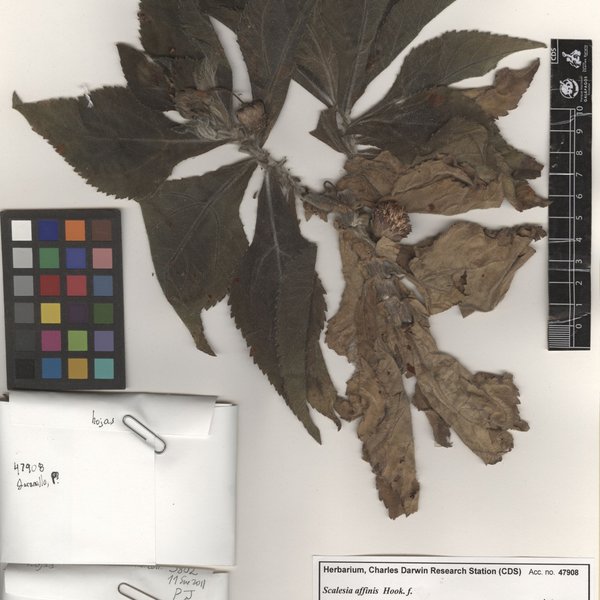
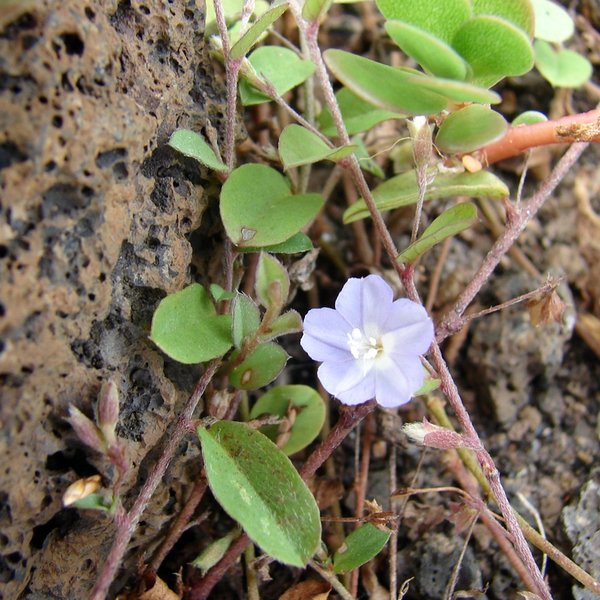
Park rangers from the Galapagos National Park Directorate (GNPD), in collaboration with scientists from the Charles Darwin Foundation (CDF), have discovered two new areas of Scalesia cordata on Sierra Negra volcano, located in southern Isabela Island. This discovery marks a significant milestone in the ongoing efforts to preserve this critically endangered species, which has seen its natural habitat severely reduced.
Working in Galápagos is more than just a job—it’s a mission, a deep connection to a fragile and unique ecosystem. With 12 years of experience in communication, I’ve had the privilege of witnessing how the collaboration between science and communication is one of the most powerful strategies for conserving this paradise.
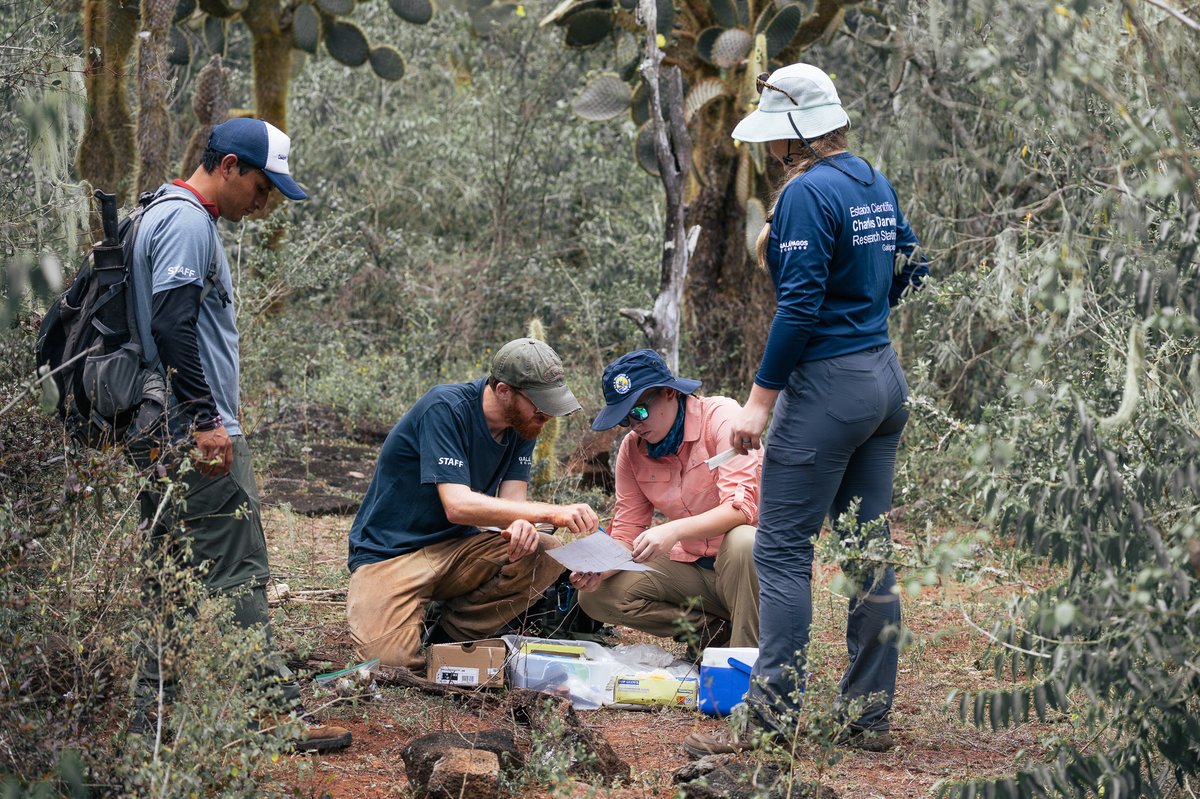
In this story, I’ll share one of my most recent field experiences in the Scalesia forest at Los Gemelos, where nature and human effort come together to protect our home.
Working in Galápagos is more than just a job—it’s a mission, a deep connection to a fragile and unique ecosystem. With 12 years of experience in communication, I’ve had the privilege of witnessing how the collaboration between science and communication is one of the most powerful strategies for conserving this paradise.
In this story, I’ll share one of my most recent field experiences in the Scalesia forest at Los Gemelos, where nature and human effort come together to protect our home.
The dataZone is a collection of applications, accesible online or inside the Charles Darwin Research Station, providing access to all the scientific information stored in several databases, product of almost 60 years of research in the Galapagos Islands.