Results
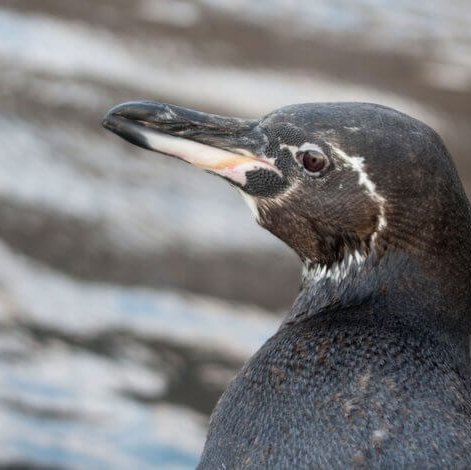
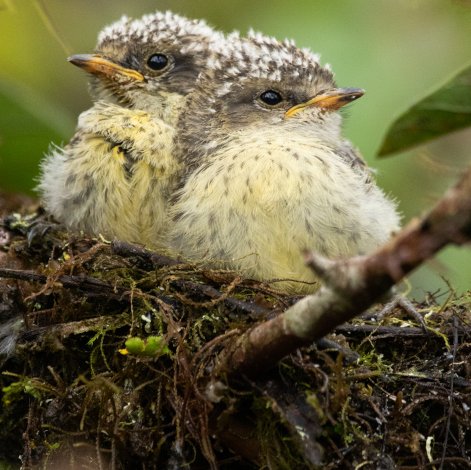
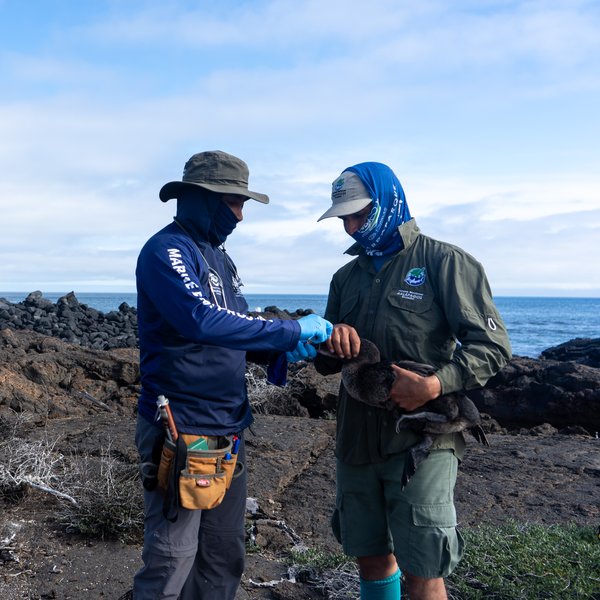
The Charles Darwin Foundation shared the main achievements of its 2025 work through a public accountability event. The initiative highlighted how scientific research supports Galapagos conservation, encouraged dialogue with the local community, and reaffirmed that transparency strengthens institutional trust, collaboration, and long-term commitment to protecting the archipelago.
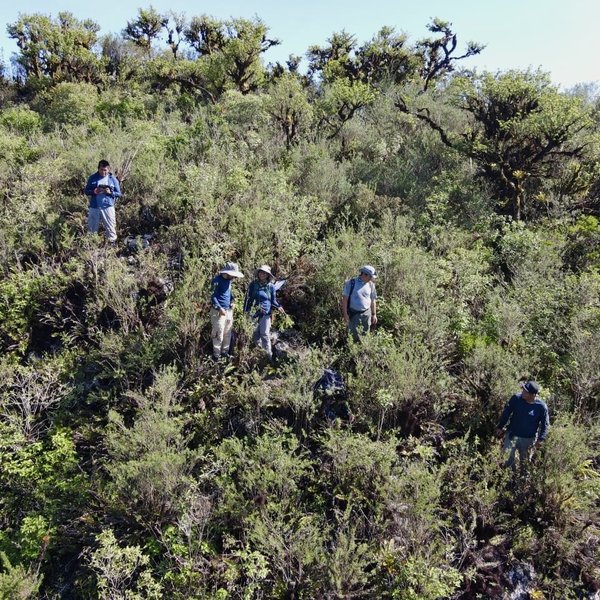
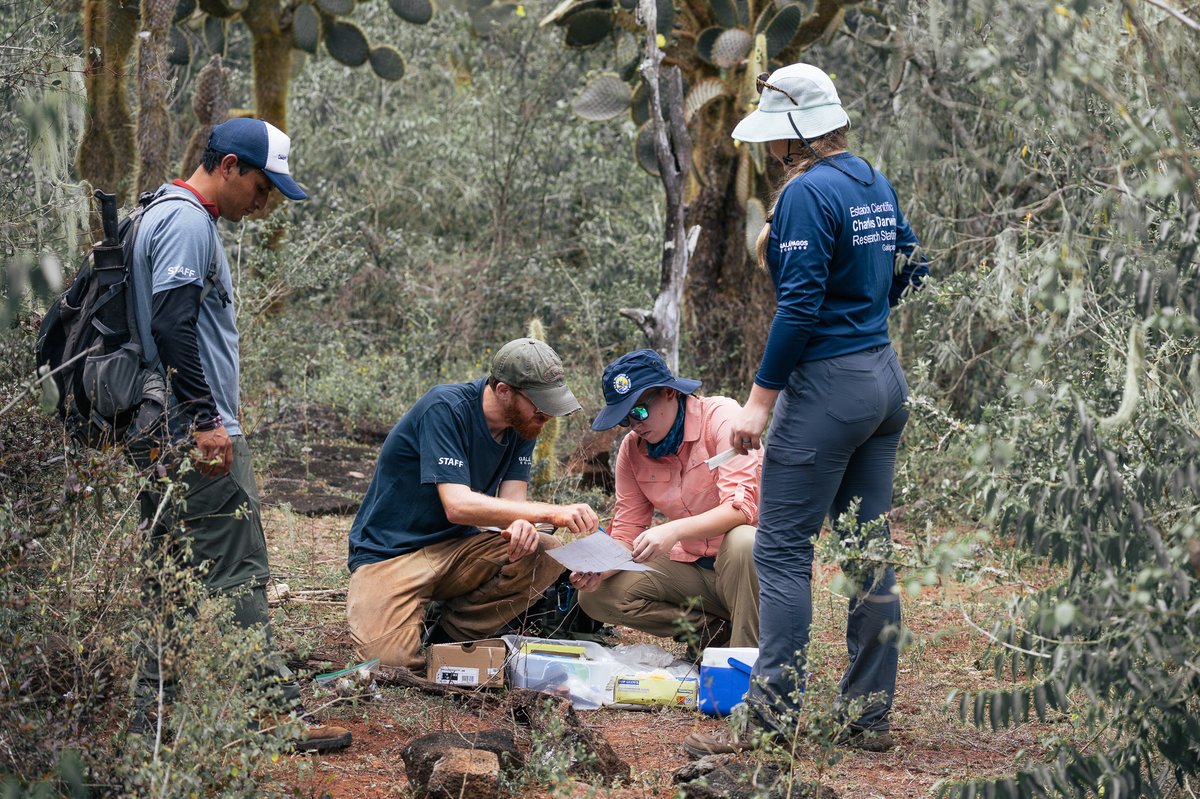
More than half of the endemic plant species in Galapagos are currently classified as threatened. The potential loss of these imperiled species not only disrupts ecosystem integrity, but also jeopardizes the survival of iconic native fauna that depend on it. We are updating the IUCN Red List of endangered plant species of Galapagos in order to enable targeted species conservation actions.
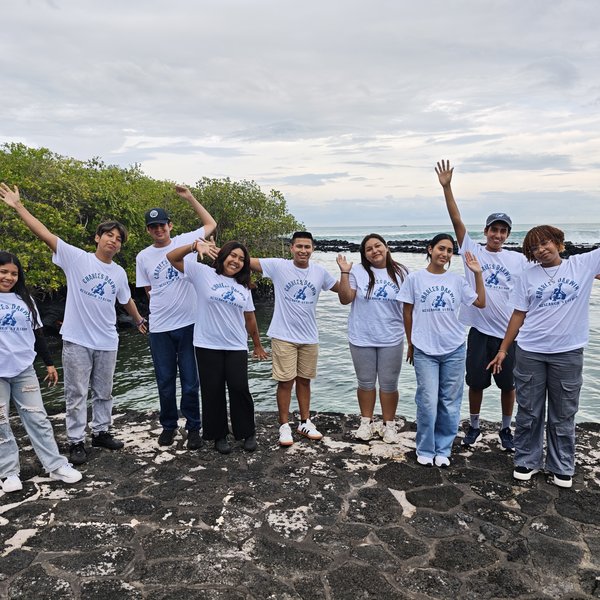
The Charles Darwin Foundation Leadership Club brought together young people from Santa Cruz and Isabela in a journey of learning, leadership, and conservation. Through workshops, community activities, and exchanges, participants strengthened their skills, promoted environmental education, and reinforced their commitment to a sustainable future for Galápagos.
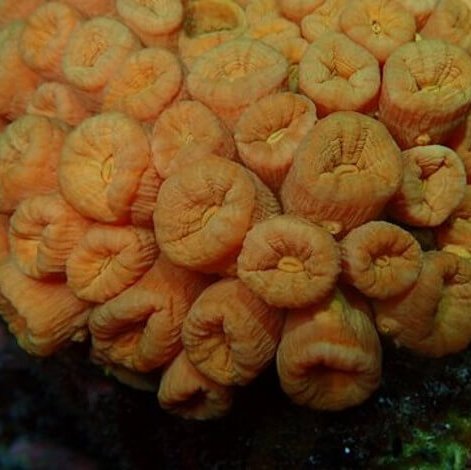
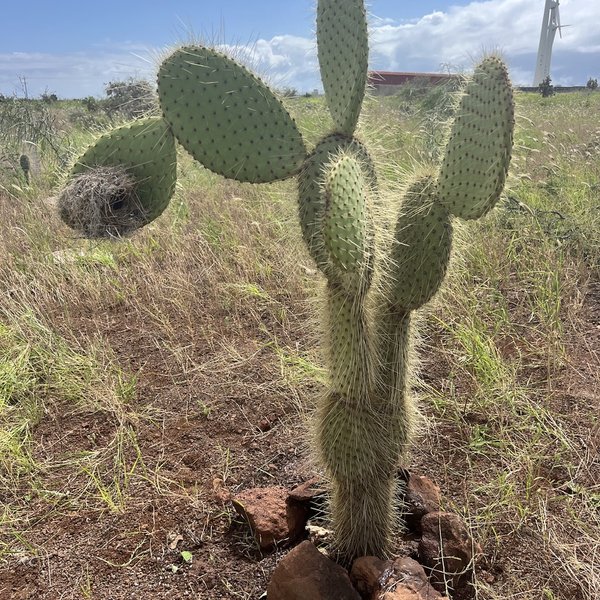
Baltra Island is coming back to life after more than a decade of restoration. Thanks to over 8,000 native plants introduced by the Charles Darwin Foundation and partners, ecosystems are regenerating naturally, offering new hope for Galápagos conservation.
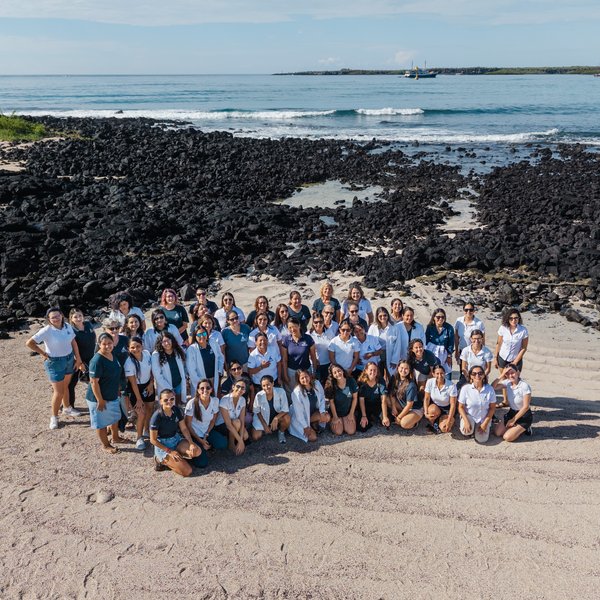
This International Women’s Day, discover how an equity lens is shaping conservation in the Galápagos. From the legacy of pioneering women in science to new research on gender roles in fisheries, the Charles Darwin Foundation highlights why inclusive leadership and gender equity are essential for stronger communities and more effective conservation.
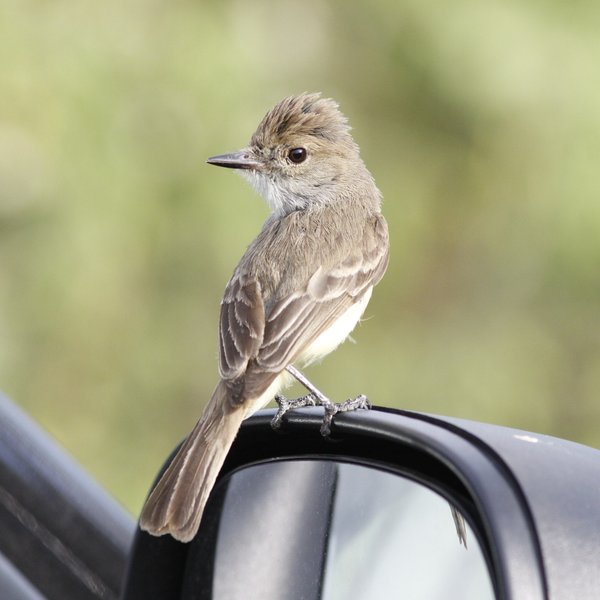
December marks the start of one of the most exciting activities of the year in Galápagos: the Christmas Bird Count. Now in its ninth consecutive year, this event, organized by the Charles Darwin Foundation (CDF) in collaboration with key partners, combines science, community, and fun to celebrate and protect the incredible diversity of birds on our islands.
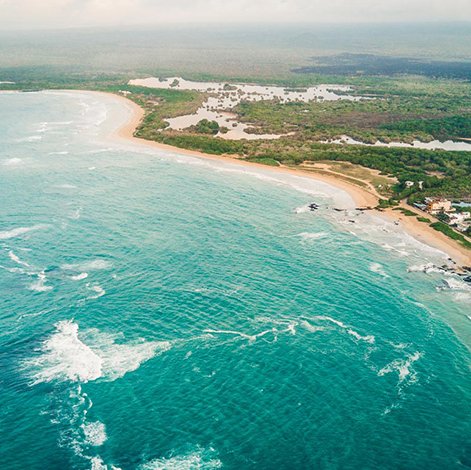
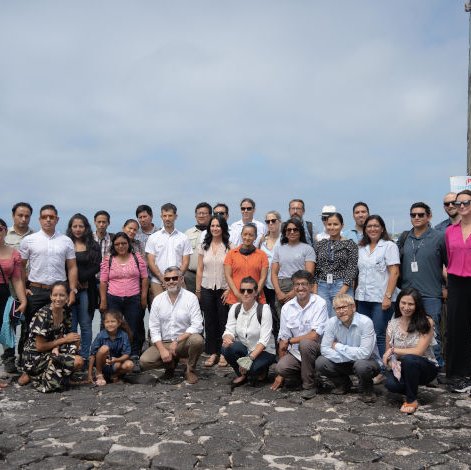
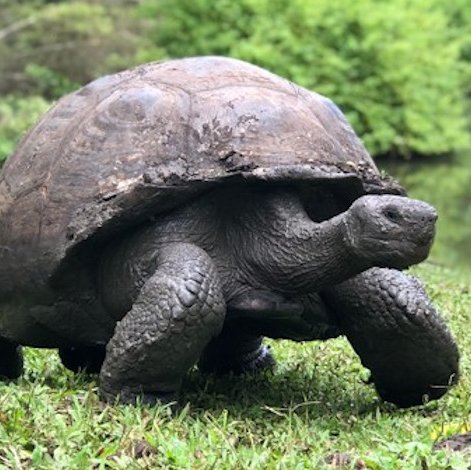
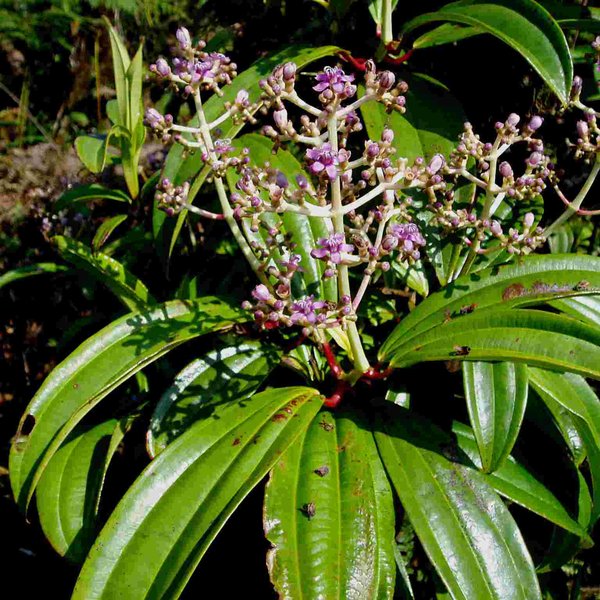
For 26 years, scientists have returned to the misty highlands of Santa Cruz to track the impacts of the invasive quinine and of the management actions. The continuous control of invasive plants resulted in the remarkable recovery of endemic plant species, especially that of the iconic Miconia robinsoniana. This is the story of endurance, restoration, and how a long-term commitment can strengthen conservation actions to protect the Galapagos ecosystems.
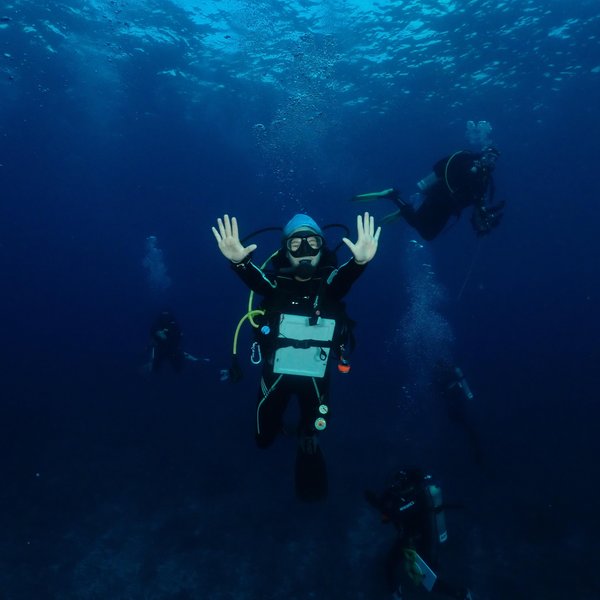
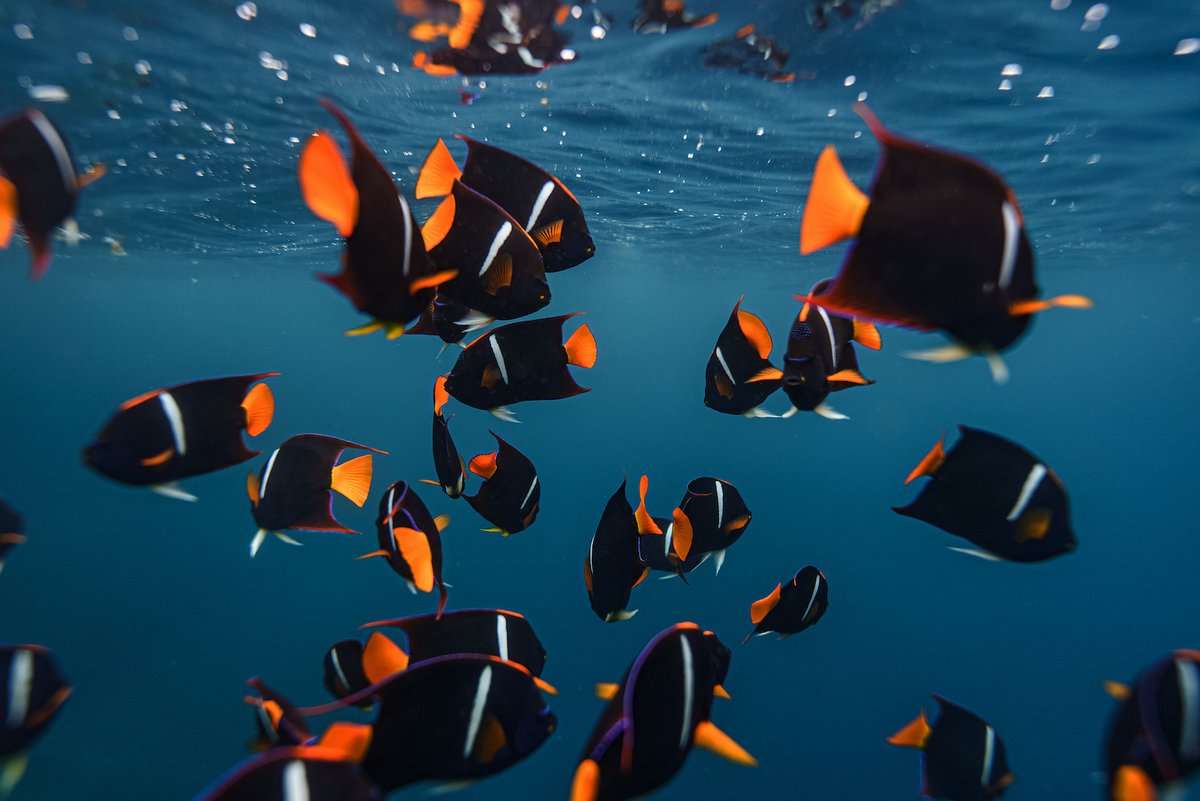
In the remote northern islands of Darwin and Wolf, science reveals a dramatic seasonal pulse beneath the waves. A new Charles Darwin Foundation study shows fish biomass triples in the cold season—driven by migrating scalloped hammerhead sharks. Discover how ocean currents shape one of Earth’s richest marine refuges.
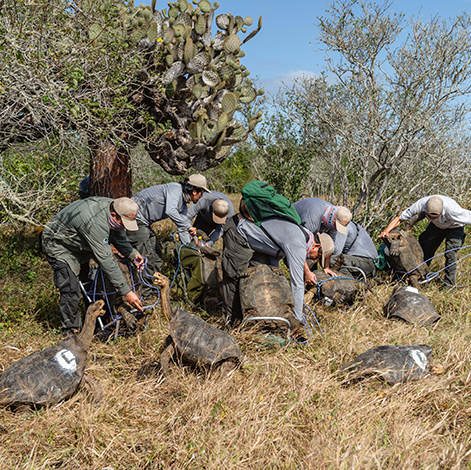
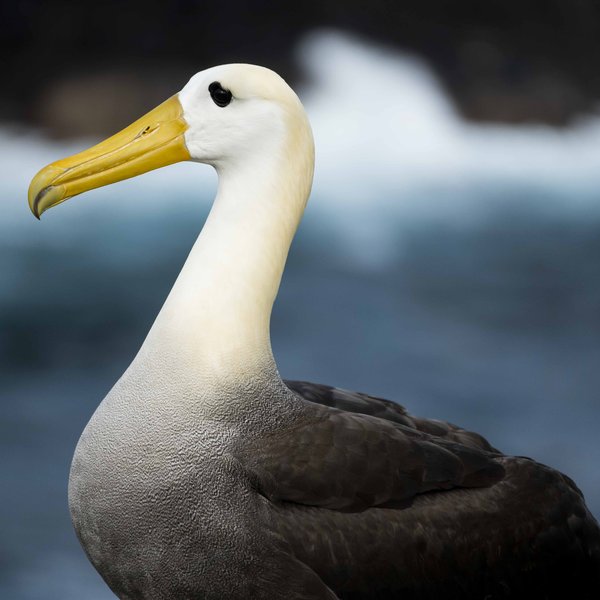
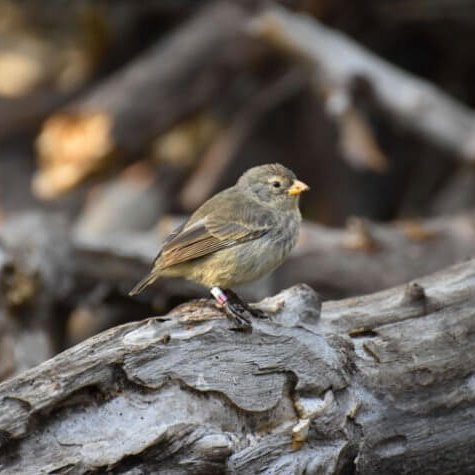

Travel to the Galapagos Islands and help protect these iconic places. Discover the Charles Darwin Foundation's essential travel tips for responsible tourism.
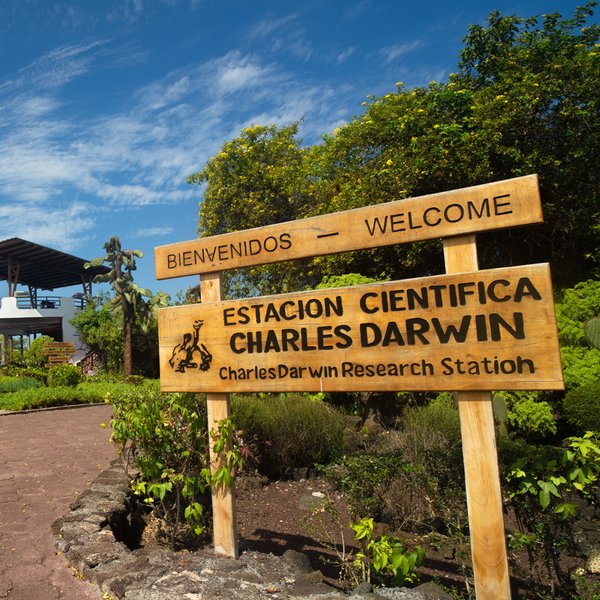
The Charles Darwin Research Station is open Monday-Sunday, from 08:00 to 18:00 (including public holidays). Come visit us in the heart of Galapagos!