Results
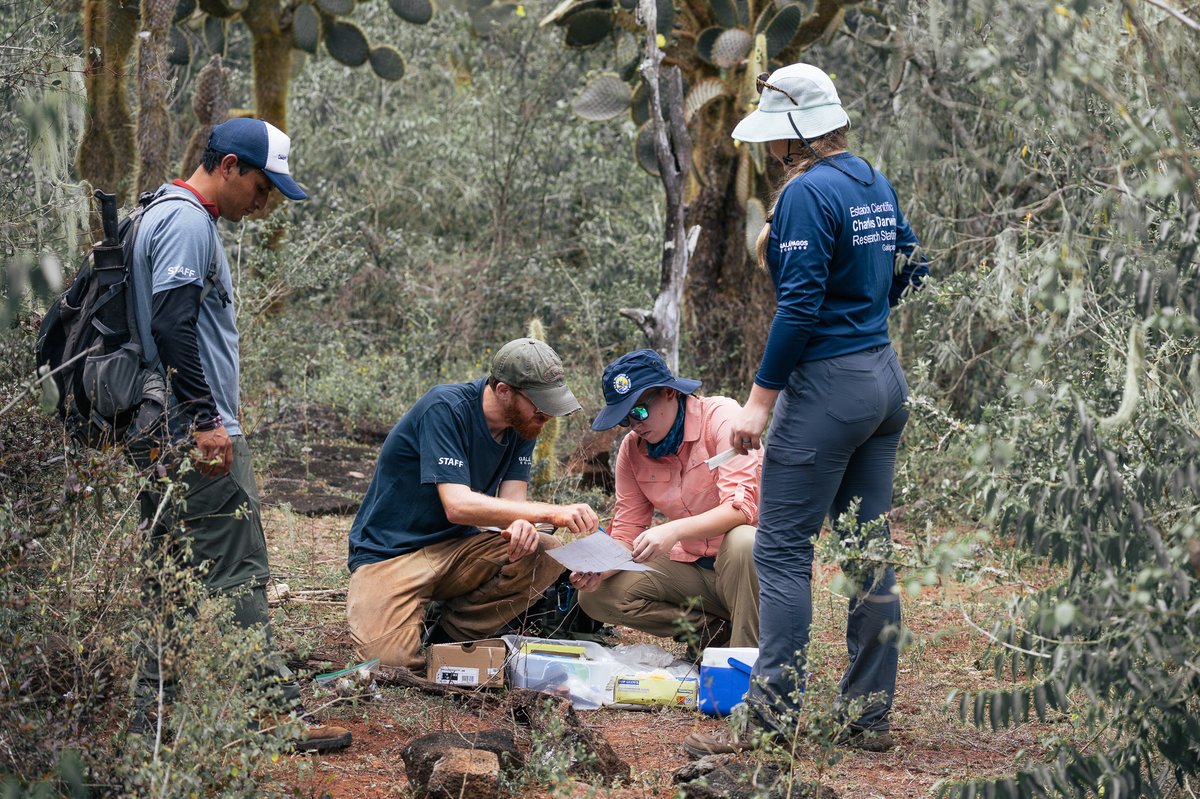
December marks the start of one of the most exciting activities of the year in Galápagos: the Christmas Bird Count. Now in its ninth consecutive year, this event, organized by the Charles Darwin Foundation (CDF) in collaboration with key partners, combines science, community, and fun to celebrate and protect the incredible diversity of birds on our islands.
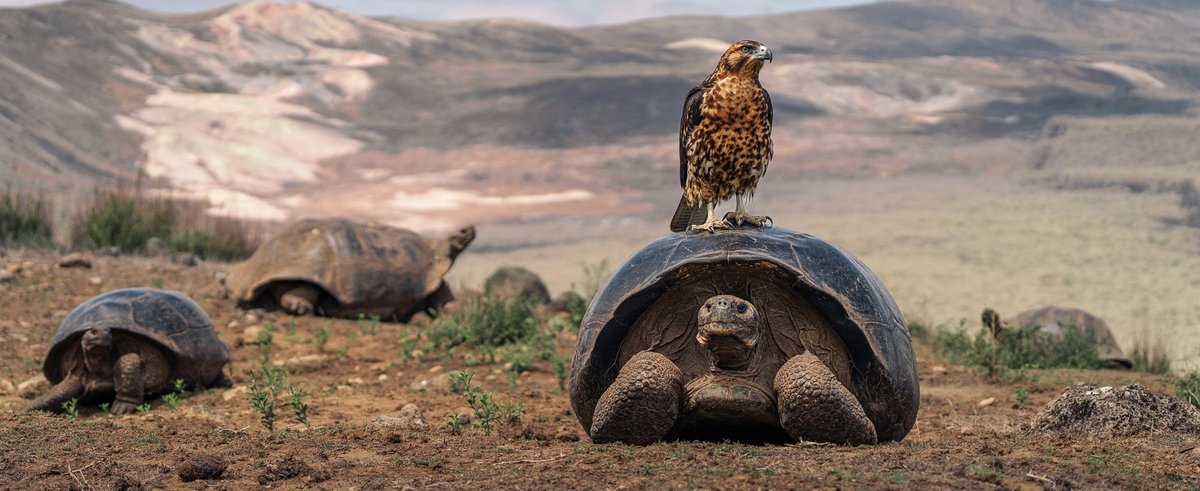
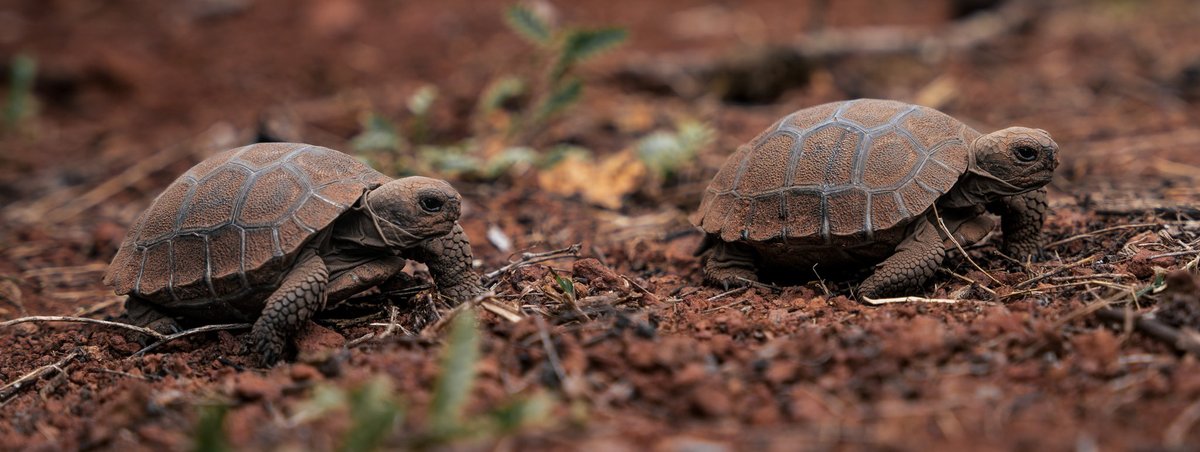
Cristian Peñafiel, our field assistant for the giant tortoise conservation program, was interviewed by our donor, Galapagos Conservation Trust, to share his experience studying these iconic animals.
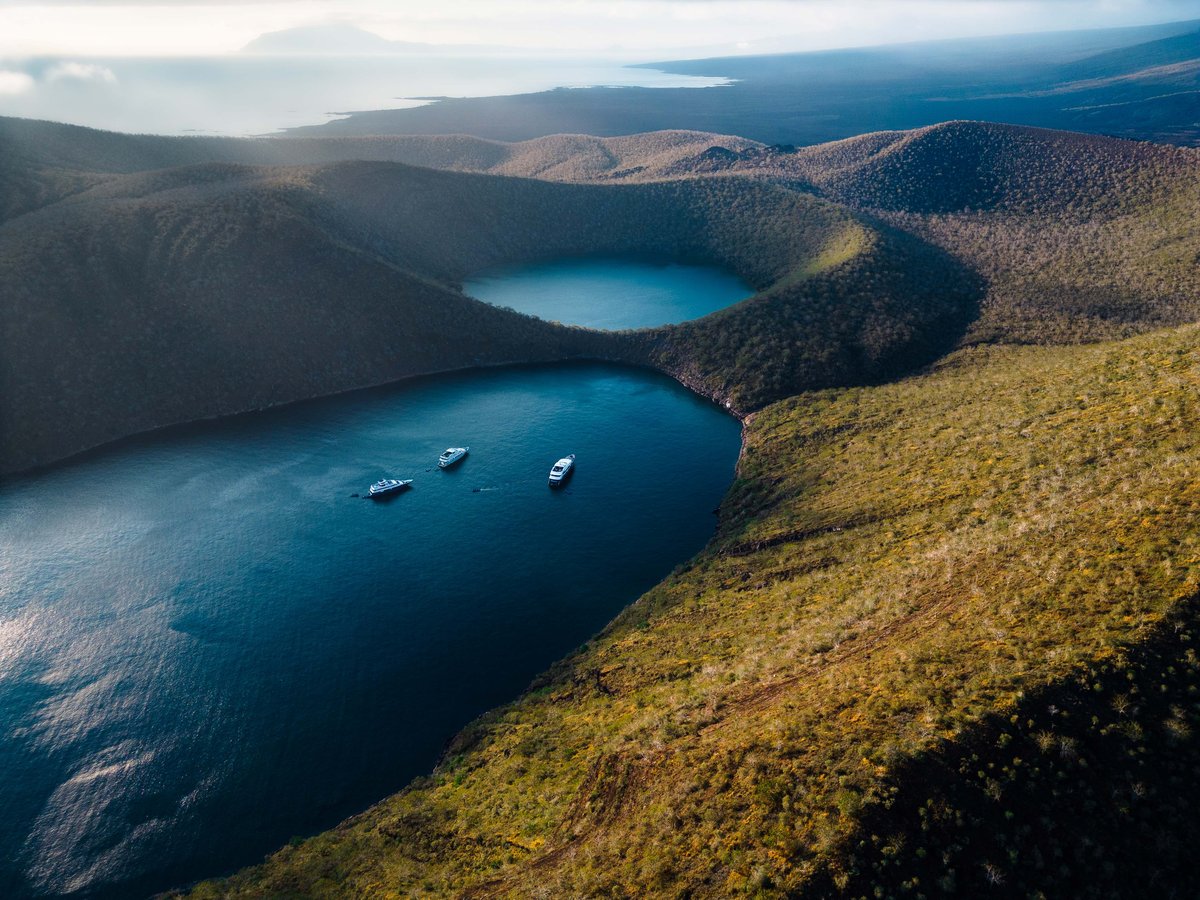
Floreana, the first inhabited island in Galapagos, faces significant environmental challenges due to both direct and indirect human impacts. However, thanks to the coordinated efforts of its community, research groups, local and international conservation organizations, authorities, protected area managers, and donors, it has become a symbol of collective action and hope for the restoration of the archipelago’s biodiversity.
Scientists from the Charles Darwin Foundation’s shark ecology and conservation program and collaborators, have published what is likely the first-ever scientifically recorded birthing migration for the critically endangered scalloped hammerhead shark (Sphyrna lewini).
A look back at the origins of the Charles Darwin Foundation and the key role of Cristóbal Bonifaz in shaping science and conservation in Galápagos, and how the recovery of his archives reconnects us with that shared legacy.
Collected more than 130 years ago, some of the oldest marine specimens from Galápagos are preserved at the Marine Organisms Collection of the Charles Darwin Research Station. These historic corals, gathered during the 1888 Albatross expedition, continue to provide valuable insights into the past and present of Galápagos marine biodiversity, highlighting the importance of scientific collections for research and conservation.