Results

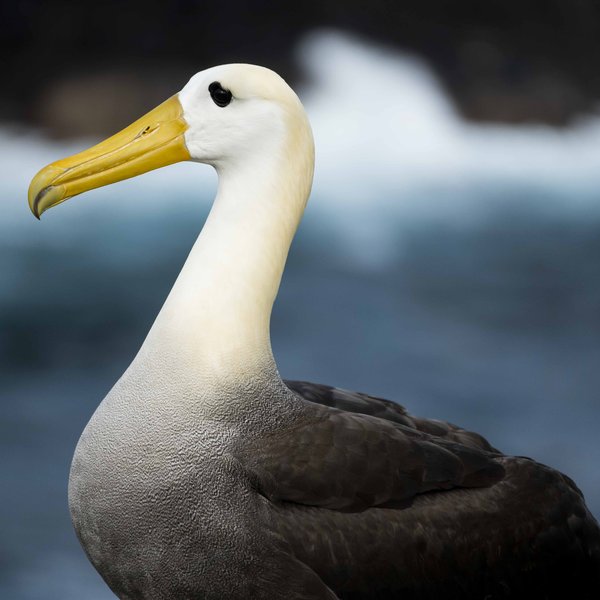
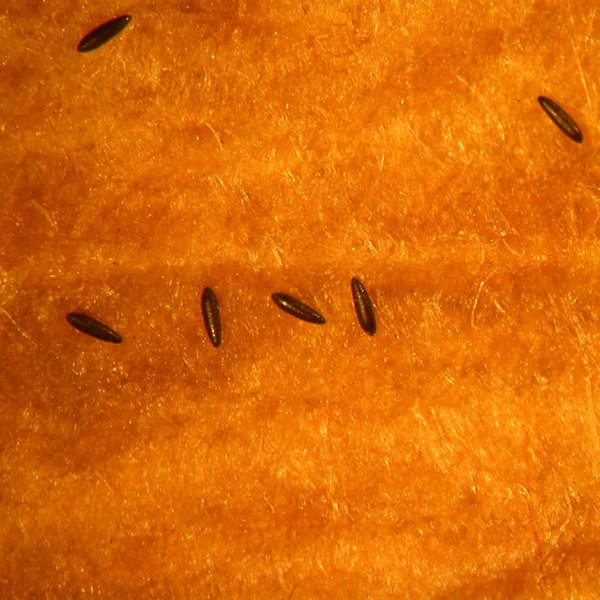

The woodpecker finch of San Cristobal has been identified as a potential new species (Camarhynchus striatipecta), according to groundbreaking research just published in the Zoological Journal of the Linnean Society. Previously considered one of three subspecies of the woodpecker finch (Camarhynchus pallidus), this population is now identified as a genetically distinct lineage. These findings mark a significant revision to the taxonomy of Darwin’s tree finches and scientists propose C. striatipecta as a newly recognized species.
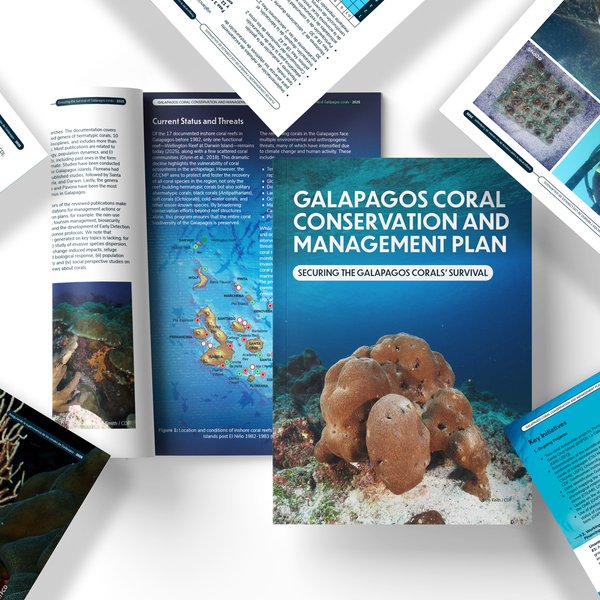
The Galapagos Coral Conservation and
Management Plan (GCCMP) is the outcome
of a participatory and collaborative process
involving key stakeholders, including scientists,
conservation experts, and representatives
from governmental and non-governmental
organizations. The process of building this
document included different phases: a review of
available literature, preliminary meetings among
organizing committee members, and a workshop
held in February 2023 in Puerto Ayora.
The primary objective of the GCCMP is to
promote the protection, recovery and persistence
of corals in the Galapagos Archipelago, through
the implementation of the management plan
by 2030 that will articulate lasting research
and prioritized management actions. This plan
recognizes the crucial importance of corals for
marine ecosystems, coastal protection, tourism,
fisheries and scientific research in Galapagos.

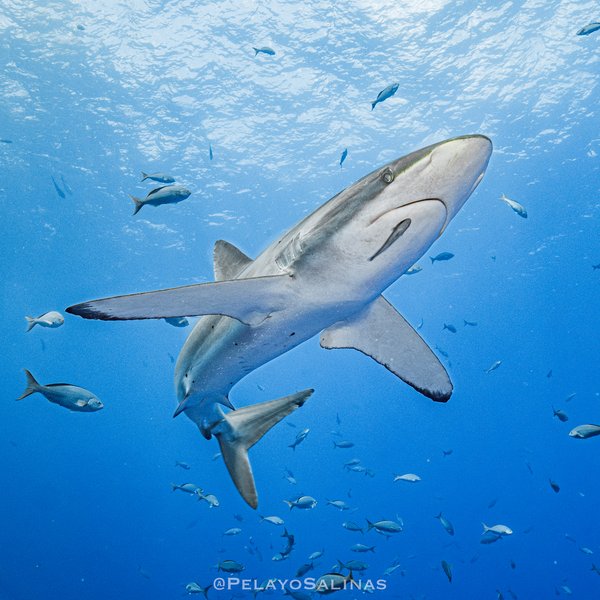
Satellite tagging reveals that silky sharks spend nearly half their time outside Eastern Tropical Pacific marine reserves, exposing them to intense industrial fishing. Tracking 40 sharks from Galápagos, researchers uncover critical gaps in MPA networks and call for expanded protections to better safeguard this vulnerable, wide-ranging species in the region.