Results
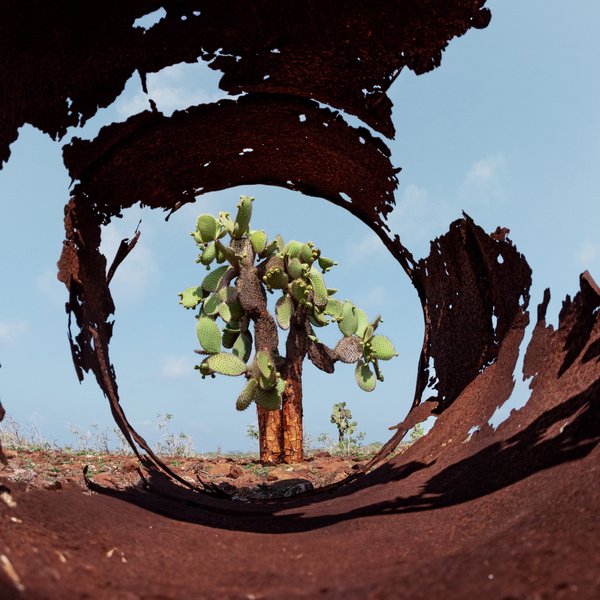
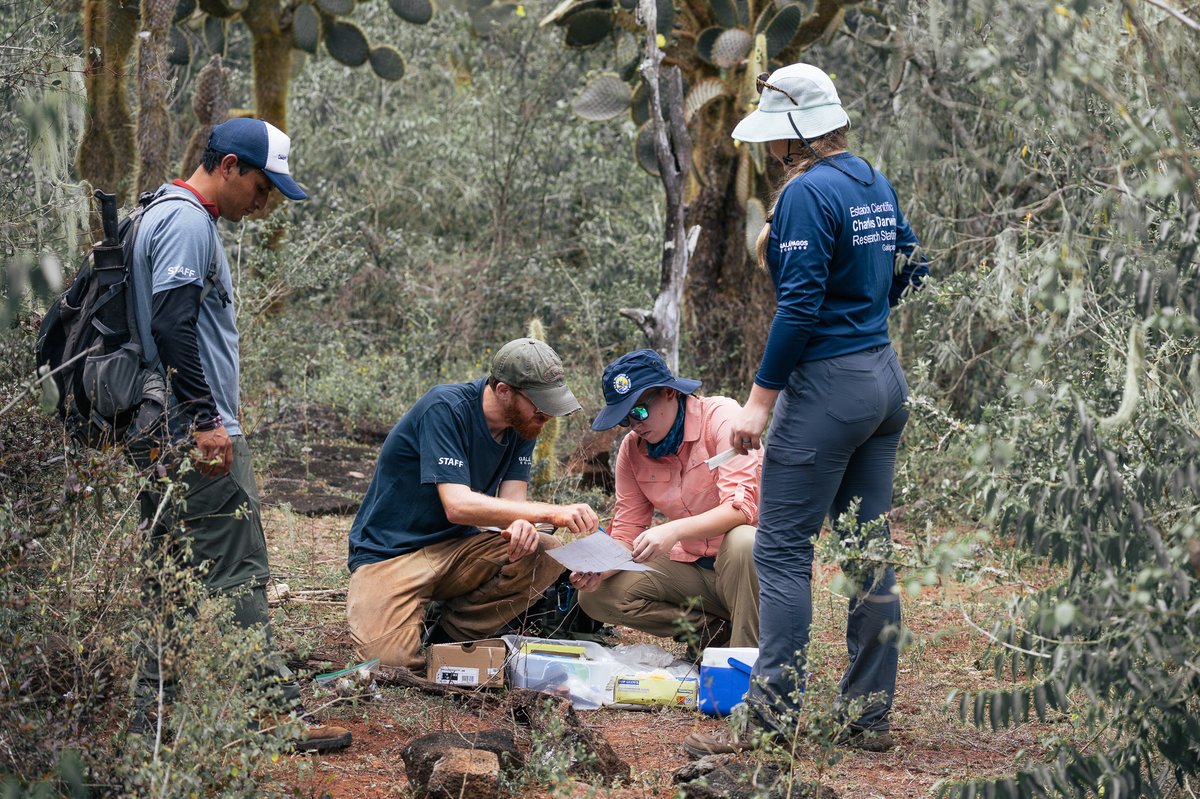
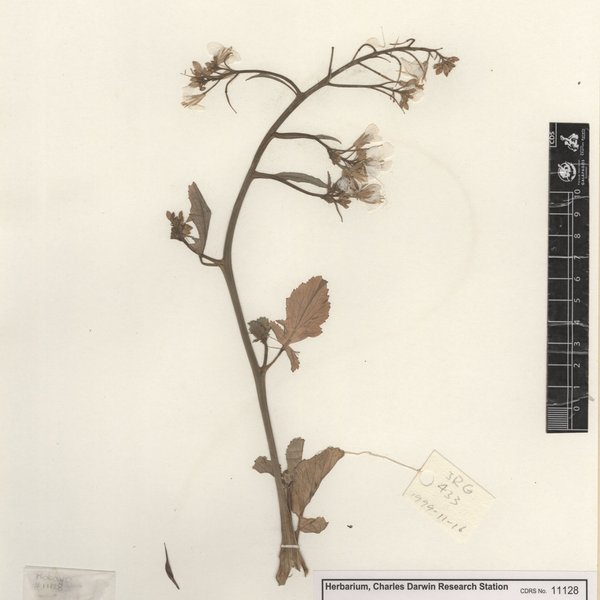
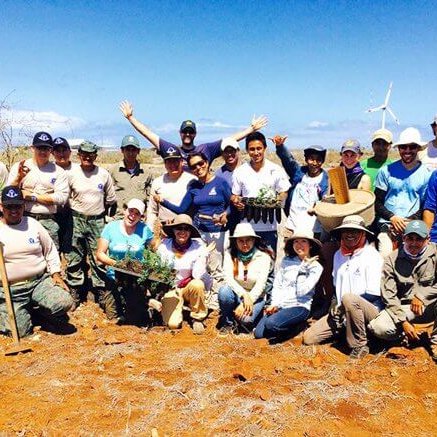
In Galapagos, 83% of the landmass falls within the arid zone. Restoring plant communities in this zone is challenging and slow, and natural regeneration in severely degraded areas is very limiting. Our scientists work to restore the arid habitat across various islands in the archipelago, notably Baltra Island, which has undergone significant human alteration, and special use sites such as garbage dumps and quarries on inhabited islands.
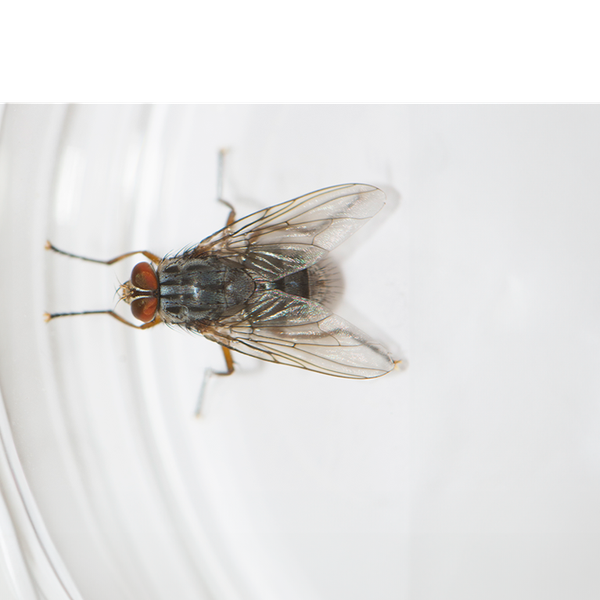
In a race against time, our scientists are working hard to find ways to control the avian vampire fly (Philornis downsi), an invasive parasitic fly that is affecting the survival of the unique small landbirds of the Galapagos Islands, including the iconic Darwin’s finches.
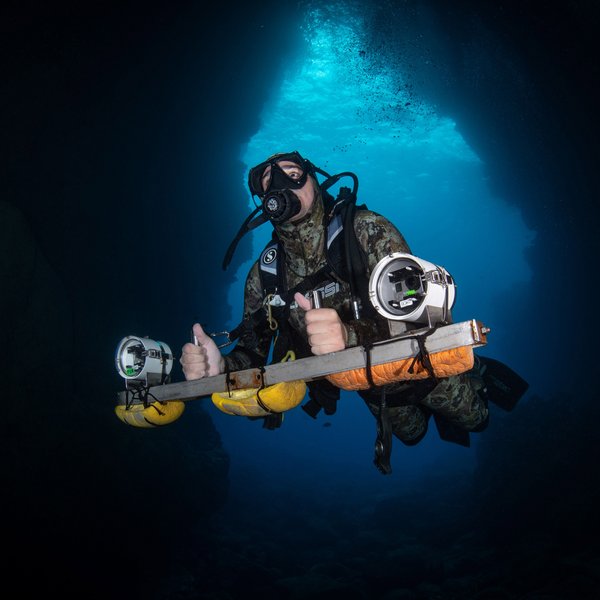
Sharks have thrived on our planet for over 400 million years. Yet overfishing has drastically reduced global shark populations, with many shark species now threatened with extinction. Our scientific work seeks to inform conservation measures, so sharks are better protected in Galapagos and the Eastern Tropical Pacific.