Results
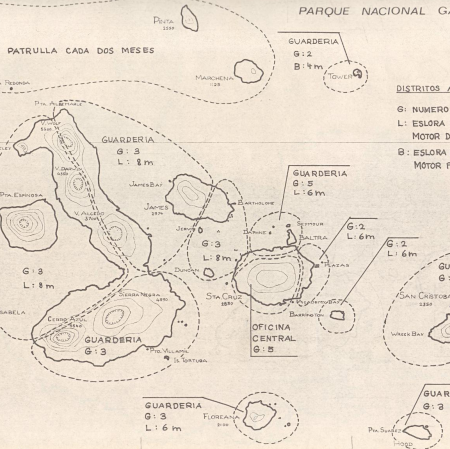
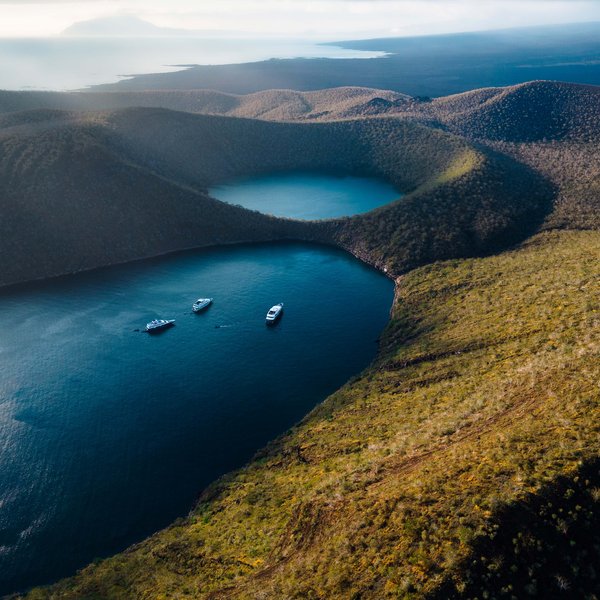
The 1973 Master Plan for the Protection and Use of Galapagos National Park was the first comprehensive planning framework for managing the archipelago. It introduced zoning, strengthened scientific research, and formalized collaboration with the Charles Darwin Research Station, laying the foundations for modern conservation in the Galapagos Islands.

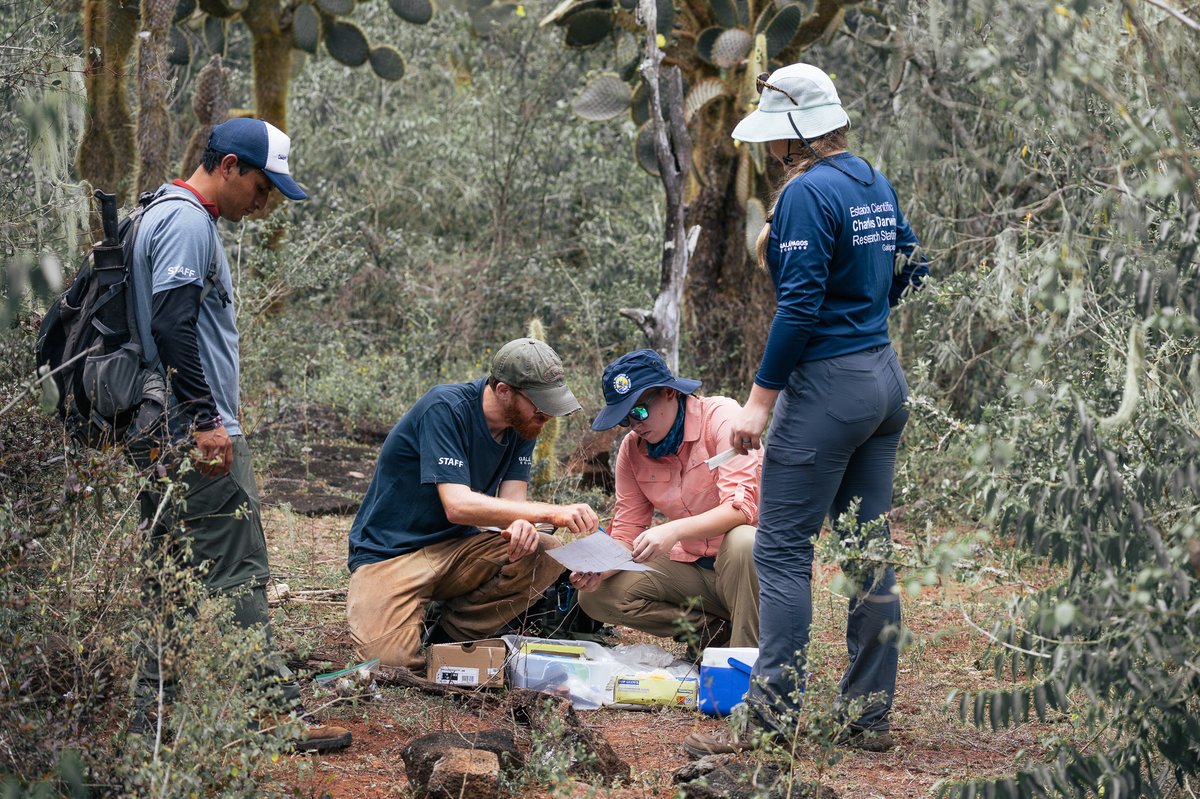
Working in Galápagos is more than just a job—it’s a mission, a deep connection to a fragile and unique ecosystem. With 12 years of experience in communication, I’ve had the privilege of witnessing how the collaboration between science and communication is one of the most powerful strategies for conserving this paradise.
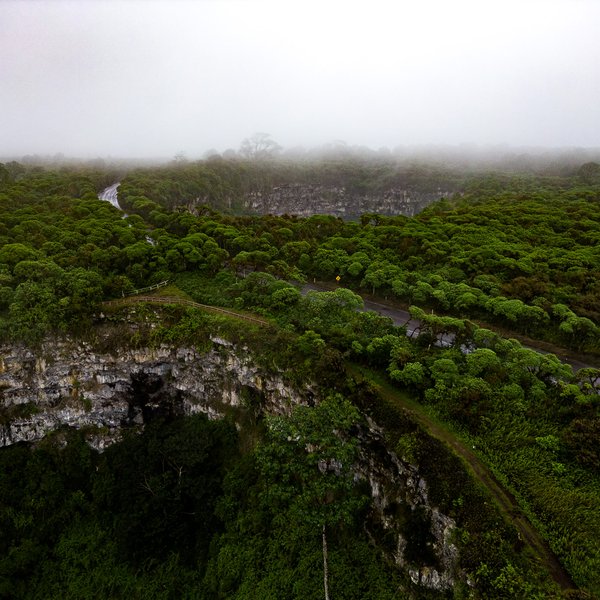
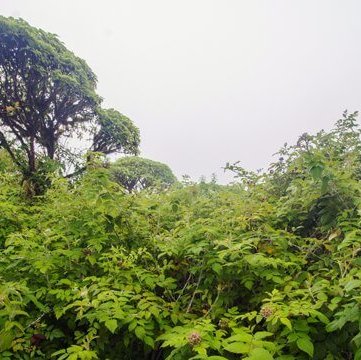
In this story, I’ll share one of my most recent field experiences in the Scalesia forest at Los Gemelos, where nature and human effort come together to protect our home.
Working in Galápagos is more than just a job—it’s a mission, a deep connection to a fragile and unique ecosystem. With 12 years of experience in communication, I’ve had the privilege of witnessing how the collaboration between science and communication is one of the most powerful strategies for conserving this paradise.
In this story, I’ll share one of my most recent field experiences in the Scalesia forest at Los Gemelos, where nature and human effort come together to protect our home.

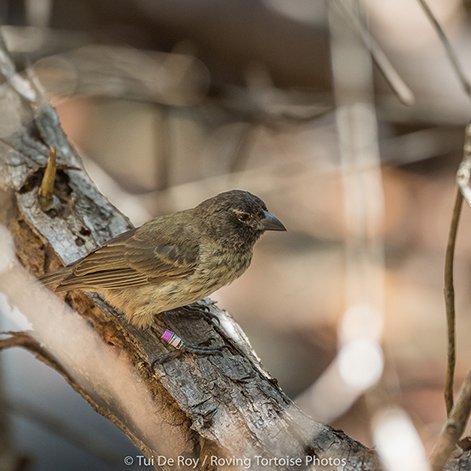
The woodpecker finch of San Cristobal has been identified as a potential new species (Camarhynchus striatipecta), according to groundbreaking research just published in the Zoological Journal of the Linnean Society. Previously considered one of three subspecies of the woodpecker finch (Camarhynchus pallidus), this population is now identified as a genetically distinct lineage. These findings mark a significant revision to the taxonomy of Darwin’s tree finches and scientists propose C. striatipecta as a newly recognized species.