Results
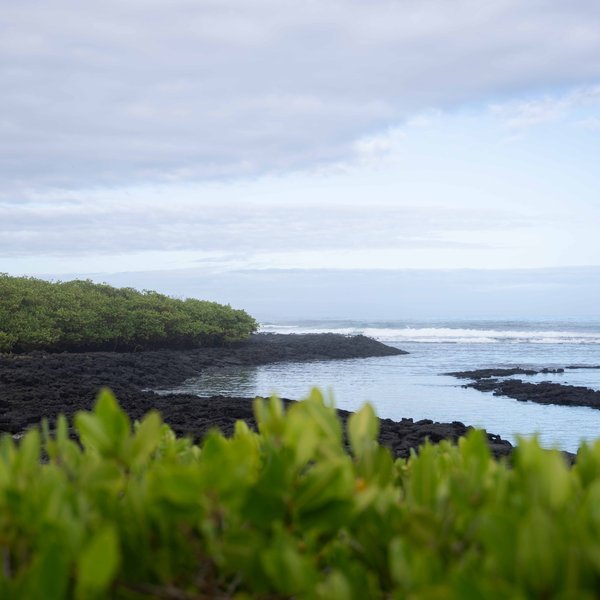
Scientists from the Charles Darwin Foundation (CDF) have, for the first time, assessed the conservation status of mangrove ecosystems in the Galápagos Islands using the Red List of Ecosystems methodology developed by the International Union for Conservation of Nature (IUCN). The study concludes that this ecosystem is classified as Vulnerable, underscoring the urgency of its conservation. The full report is available in the EcoEvoRxiv repository.
Scientists from the Charles Darwin Foundation (CDF) have, for the first time, assessed the conservation status of mangrove ecosystems in the Galápagos Islands using the Red List of Ecosystems methodology developed by the International Union for Conservation of Nature (IUCN). The study concludes that this ecosystem is classified as Vulnerable, underscoring the urgency of its conservation. The full report is available in the EcoEvoRxiv repository.
Artisanal fishing within the Galápagos Marine Reserve (GMR) is more than just a source of income—it is the livelihood of more than 500 families and an essential part of the islands' culture including hotels, cruise ships, restaurants and feeding local people. Yet, this vital tradition is under increasing pressure from the combined impacts of El Niño and climate change, which threaten marine biodiversity and the local economy. Drawing on insights from the recent scientific publication “An Overview of the Socioecological Impacts of the El Niño-Southern Oscillation and Climate Change on Artisanal Fisheries in the Galápagos”, co-authored by our Principal Investigator Jorge Ramírez, we explore how these threats affect local fisheries and what actions are needed to secure a more sustainable future.
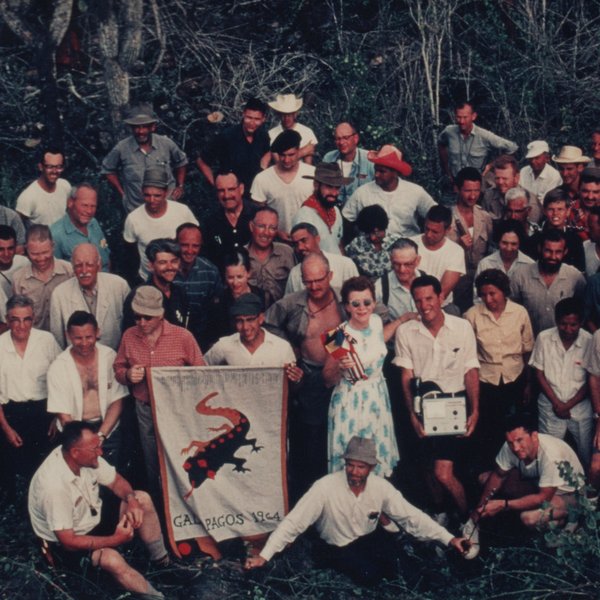
Discover the Charles Darwin Foundation, established in 1959 to protect the Galapagos Islands' fragile ecosystem. As the oldest and largest science and conservation organization in the archipelago, our Research Station leads efforts to preserve this unique environment through groundbreaking research and conservation milestones.
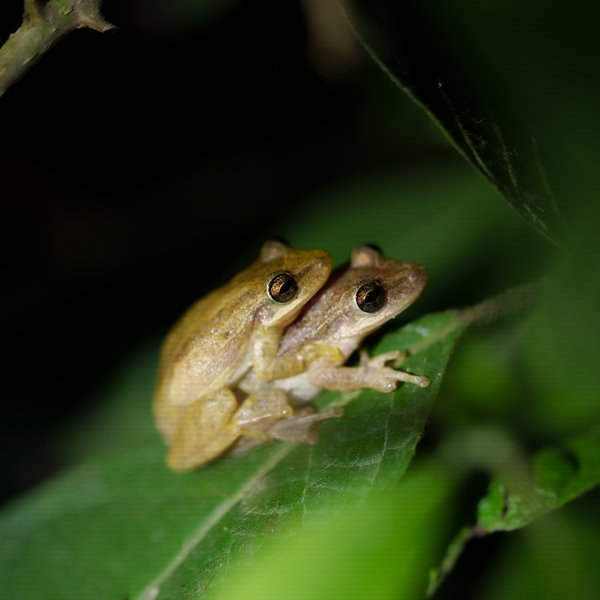
The Charles Darwin Foundation (CDF) is pleased to unveil the Galapagos Introduced Species Dashboard, the first open-access digital repository of information about species introduced to the Galapagos Islands.
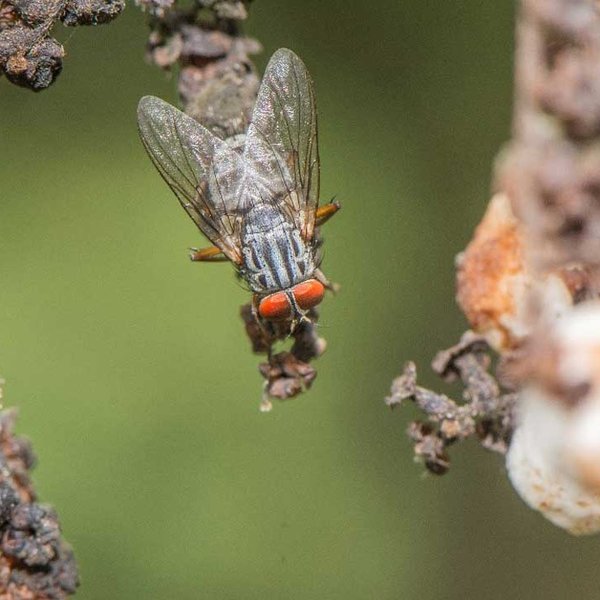
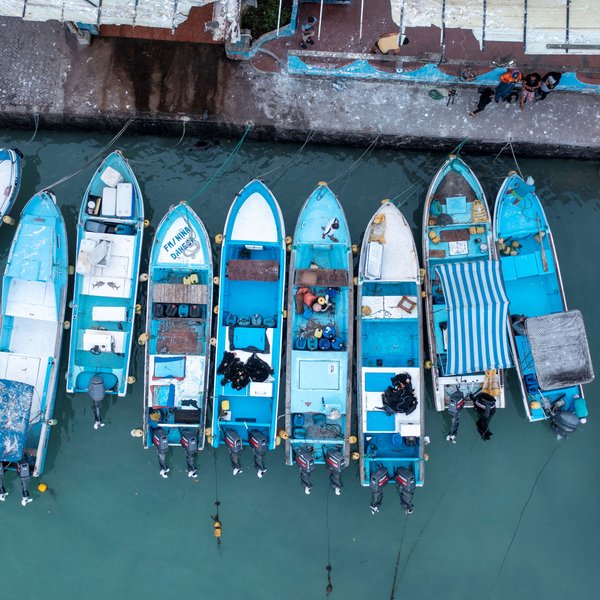
The artisanal fishing sector is vital to the Galapagos Islands, but it is facing increasing challenges such as climate change, unfair value chains, and over-exploitation. Our program seeks to create a more prosperous, autonomous, and fair seafood system that is respectful of the natural environment, and fosters resilience against environmental, socio-economic, and climate change.
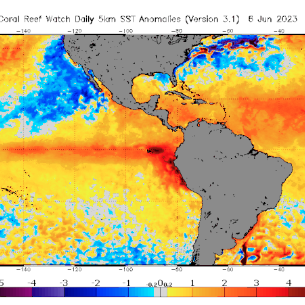
Learn more about the effects of El Niño in the Galapagos Islands.
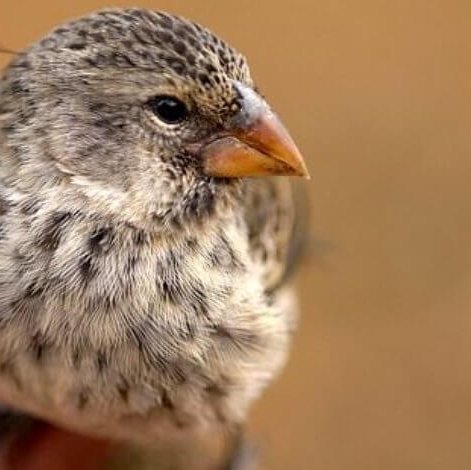
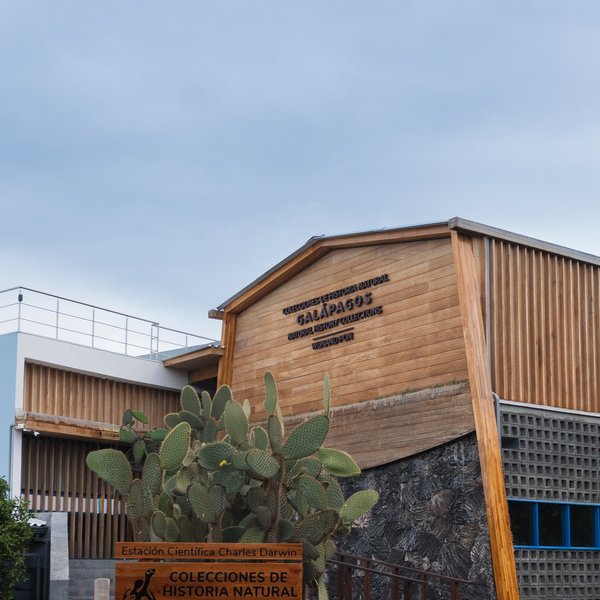
For the first time, the Charles Darwin Foundation opens Galápagos’ largest scientific collections to the public. Housing over 137,000 specimens, this new facility offers a rare glimpse into the science shaping conservation decisions and safeguarding one of the planet’s most extraordinary ecosystems.

The woodpecker finch of San Cristobal has been identified as a potential new species (Camarhynchus striatipecta), according to groundbreaking research just published in the Zoological Journal of the Linnean Society. Previously considered one of three subspecies of the woodpecker finch (Camarhynchus pallidus), this population is now identified as a genetically distinct lineage. These findings mark a significant revision to the taxonomy of Darwin’s tree finches and scientists propose C. striatipecta as a newly recognized species.