Results
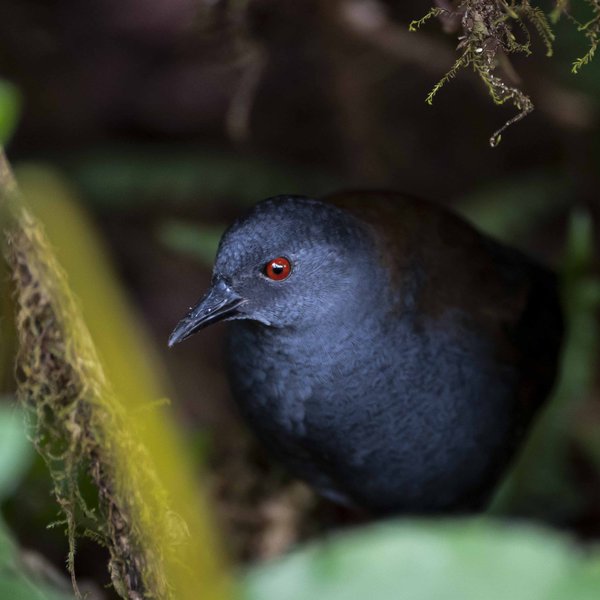
The Galapagos Rail (Laterallus spilonota) has been confirmed on Floreana Island for the first time in 190 years. This follows a 2023 eradication campaign that removed most invasive cats and rats, likely aiding its survival. Researchers will conduct genetic testing to determine if the species recolonized or persisted undetected.
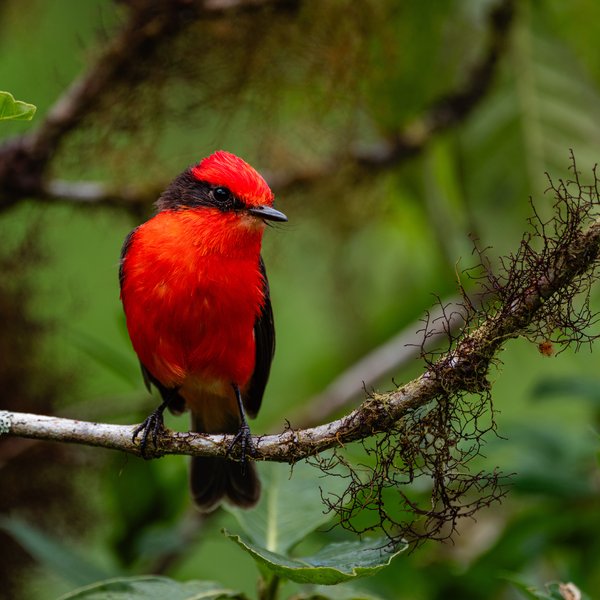
New DNA research reveals that Galápagos Vermilion Flycatchers are not one species, but a mosaic of long-isolated island lineages. By uncovering hidden genetic diversity, scientists are reshaping conservation priorities and taxonomic understanding—find out how evolution, extinction, and restoration efforts intersect across the archipelago.
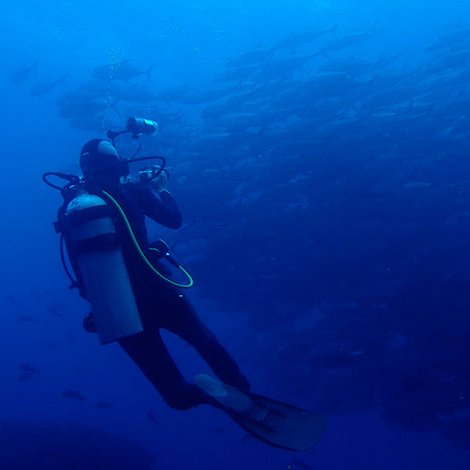
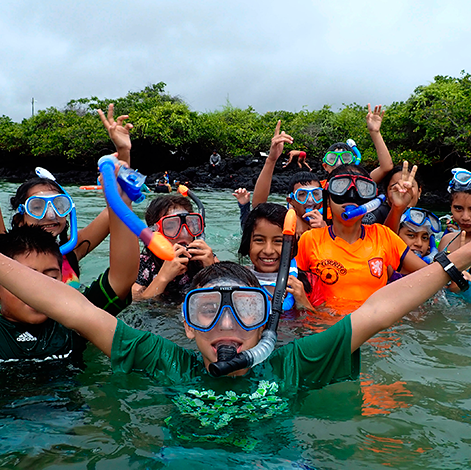
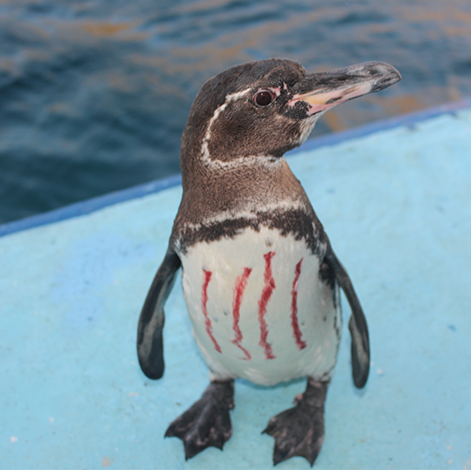
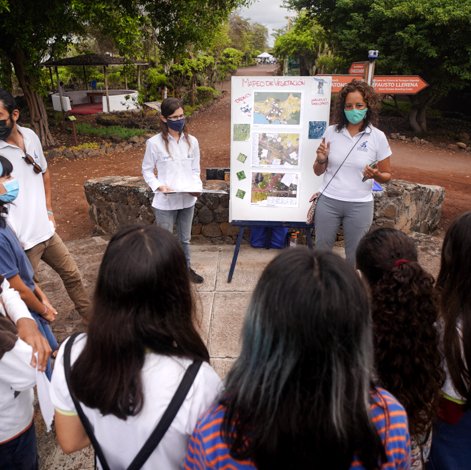
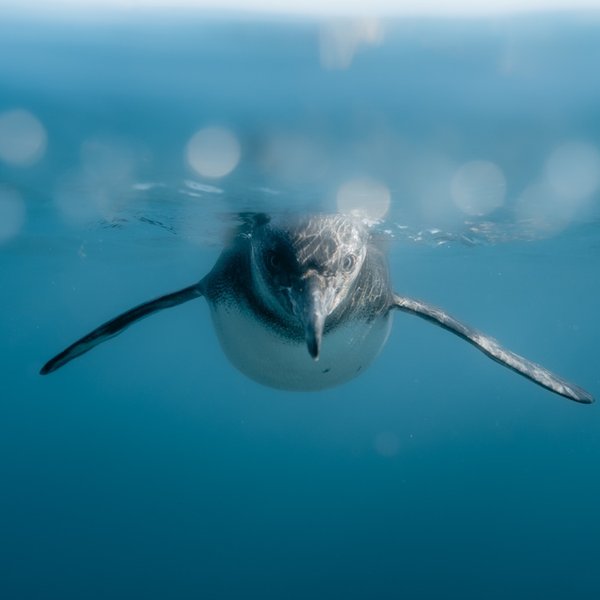
Together, we can ensure that the Galapagos Islands remain a beacon of biodiversity and scientific inspiration. Donate today!
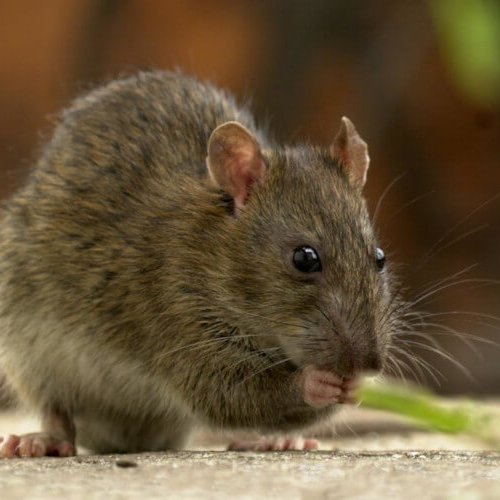
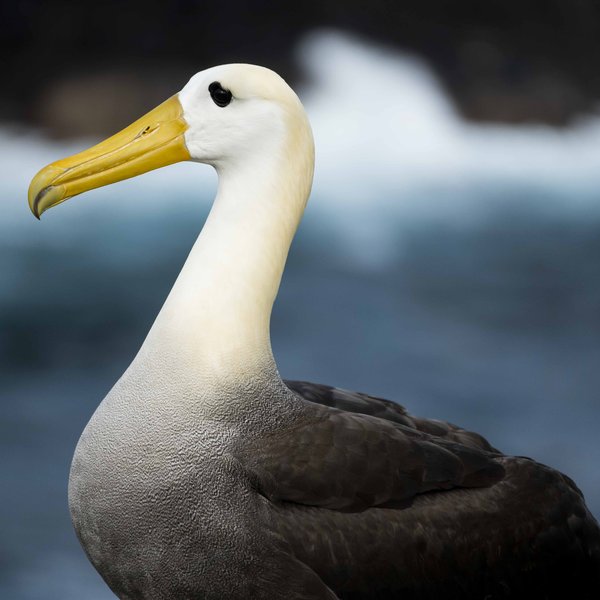
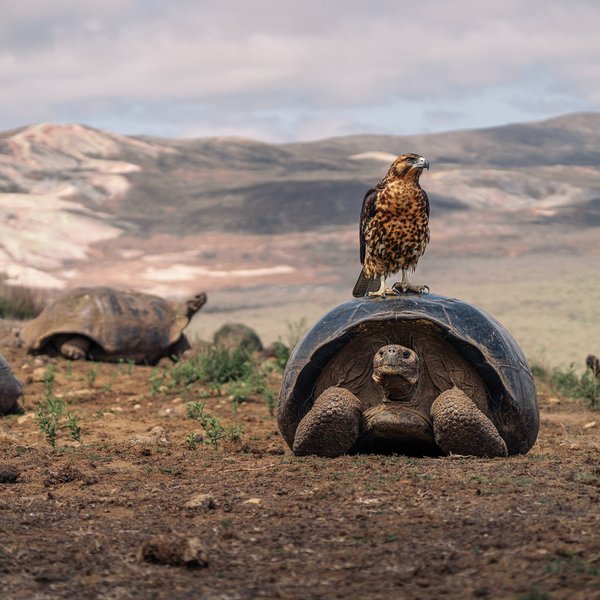
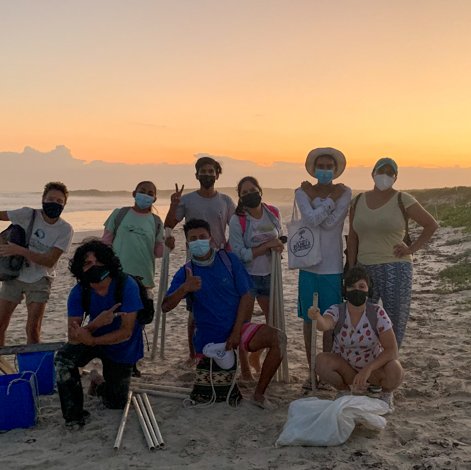
By donating to the Charles Darwin Foundation and its Research Station, you are helping our scientists continue their research in order to better protect the unique animals and ecosystems of the Galapagos Islands.
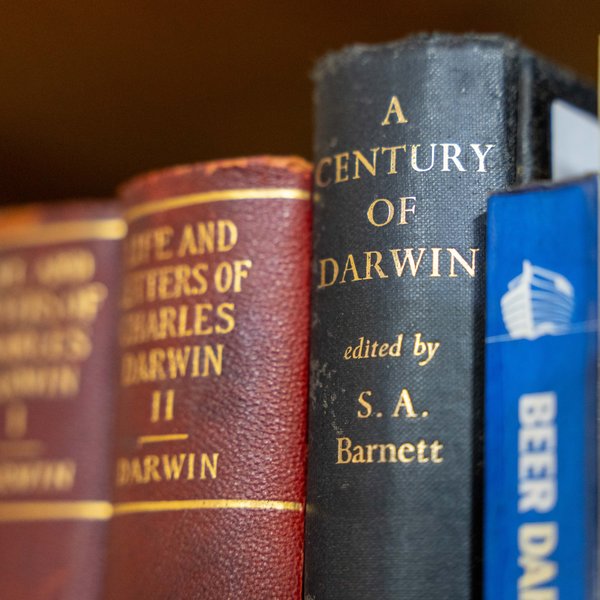
The G.T. Corley Smith Library at the Charles Darwin Foundation holds the world’s most comprehensive collection of publications on the Galápagos Islands. Its “Galápagos Collection” includes both scientific and grey literature, making it an invaluable resource for research and conservation. A digitization effort is underway to expand global access to this knowledge.