Home

Results

Carlos Espinosa/CDF
Carlos Espinosa/CDF
Carlos Espinosa/CDF
Carlos Espinosa/CDF
Carlos Espinosa/CDF
Rashid Cruz-CDF
Research Data Repository FKt230918 Cruise Report
Esther Marcayata/CDF
The Islands, Inspiration for Science and Gratitude

Today, I find myself here, by the sea, writing about my experience living on an island. It all started when I was searching for an opportunity, and I found a living dream instead: volunteering in the Galápagos. I applied to the Landbird Conservation Program of the Charles Darwin Foundation and had the privilege of becoming part of their team.Today, I find myself here, by the sea, writing about my experience living on an island. It all started when I was searching for an opportunity, and I found a living dream instead: volunteering in the Galápagos. I applied to the Landbird Conservation Program of the Charles Darwin Foundation and had the privilege of becoming part of their team.

Carlos Espinosa-CDF
Travel tips for Galapagos

Planning your trip to the Galapagos Islands? Here are our top travel tips to help you prepare for an unforgettable and responsible journey to this unique destination.

Esther Marcayata/CDF
The Islands, Inspiration for Science and Gratitude

Today, I find myself here, by the sea, writing about my experience living on an island. It all started when I was searching for an opportunity, and I found a living dream instead: volunteering in the Galápagos. I applied to the Landbird Conservation Program of the Charles Darwin Foundation and had the privilege of becoming part of their team.Today, I find myself here, by the sea, writing about my experience living on an island. It all started when I was searching for an opportunity, and I found a living dream instead: volunteering in the Galápagos. I applied to the Landbird Conservation Program of the Charles Darwin Foundation and had the privilege of becoming part of their team.

Carlos Espinosa/CDF
CDF Joins Floreana Ecological Restoration Project as Co-Executor

The Charles Darwin Foundation (CDF) has joined the Floreana Ecological Restoration Project as a co-executor, alongside other key organizations. This project aims to restore Floreana Island's ecosystem by eradicating invasive species and reintroducing native animals. CDF will lead habitat restoration efforts and support species reintroductions and monitoring. The initiative focuses on holistic restoration, serving as a model for future conservation projects across the Galapagos and beyond.

Carlos Espinosa/CDF
Carlos Espinosa/CDF
Carlos Espinosa/CDF
A Quito Photographer's Chronicles in the Enchanted Islands

A Quito Photographer's Chronicles in the Enchanted Islands

Pelayo Salinas de León/CDF
Silky shark's record-breaking migration of more than 27,000 km on the Tropical Eastern Pacific sheds light on urgent conservation need

Silky shark's record-breaking migration of more than 27,000 km on the Tropical Eastern Pacific sheds light on urgent conservation need

Celebrating the life of Phil van Haarlem

Phil van Haarlem was truly a force of nature. In celebration of his life, and to honour his time with us over the last 10 years, we have asked colleagues and friends to tell us their unique experience with Phil, whom we miss dearly.

Rashid Cruz/CDF
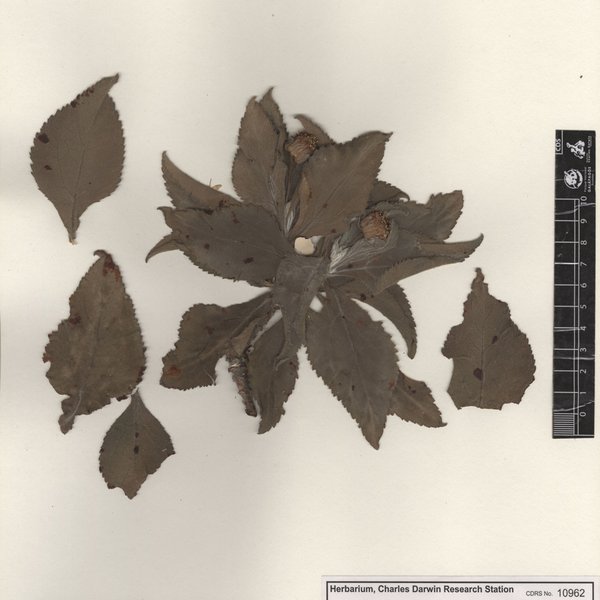
New Populations of Scalesia cordata Found in Southern Isabela Island, Galapagos

Park rangers from the Galapagos National Park Directorate (GNPD), in collaboration with scientists from the Charles Darwin Foundation (CDF), have discovered two new areas of Scalesia cordata on Sierra Negra volcano, located in southern Isabela Island. This discovery marks a significant milestone in the ongoing efforts to preserve this critically endangered species, which has seen its natural habitat severely reduced.

Rashid Cruz/CDF
New Populations of Scalesia cordata Found in Southern Isabela Island, Galapagos

Park rangers from the Galapagos National Park Directorate (GNPD), in collaboration with scientists from the Charles Darwin Foundation (CDF), have discovered two new areas of Scalesia cordata on Sierra Negra volcano, located in southern Isabela Island. This discovery marks a significant milestone in the ongoing efforts to preserve this critically endangered species, which has seen its natural habitat severely reduced.