Results
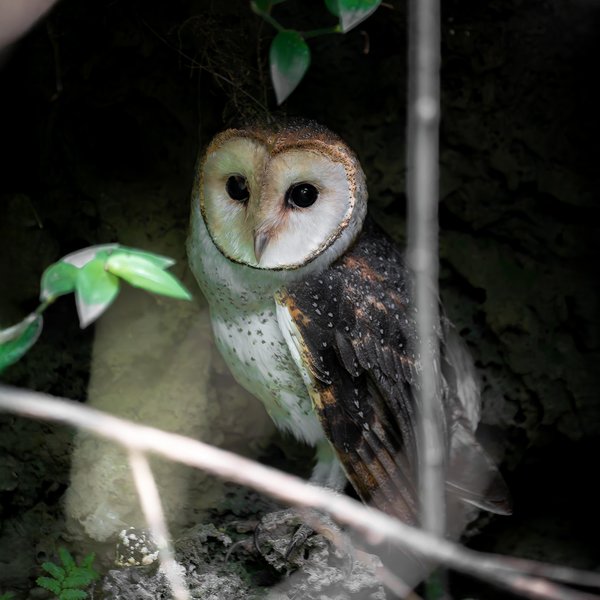
With a heart-shaped face and silent wings, the Galapagos barn owl is a quiet force of balance in the archipelago’s ecosystems. Endemic to the Islands, this elusive predator controls invasive rodent populations, supporting the survival of critically endangered species and ongoing ecological restoration. In the shadows of lava tunnels and forest canopies, it hunts with precision—and reminds us that even the smallest wings can carry the weight of conservation.
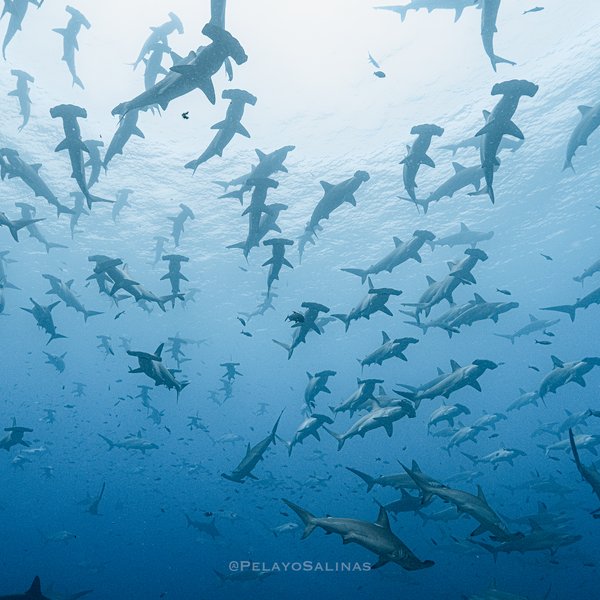
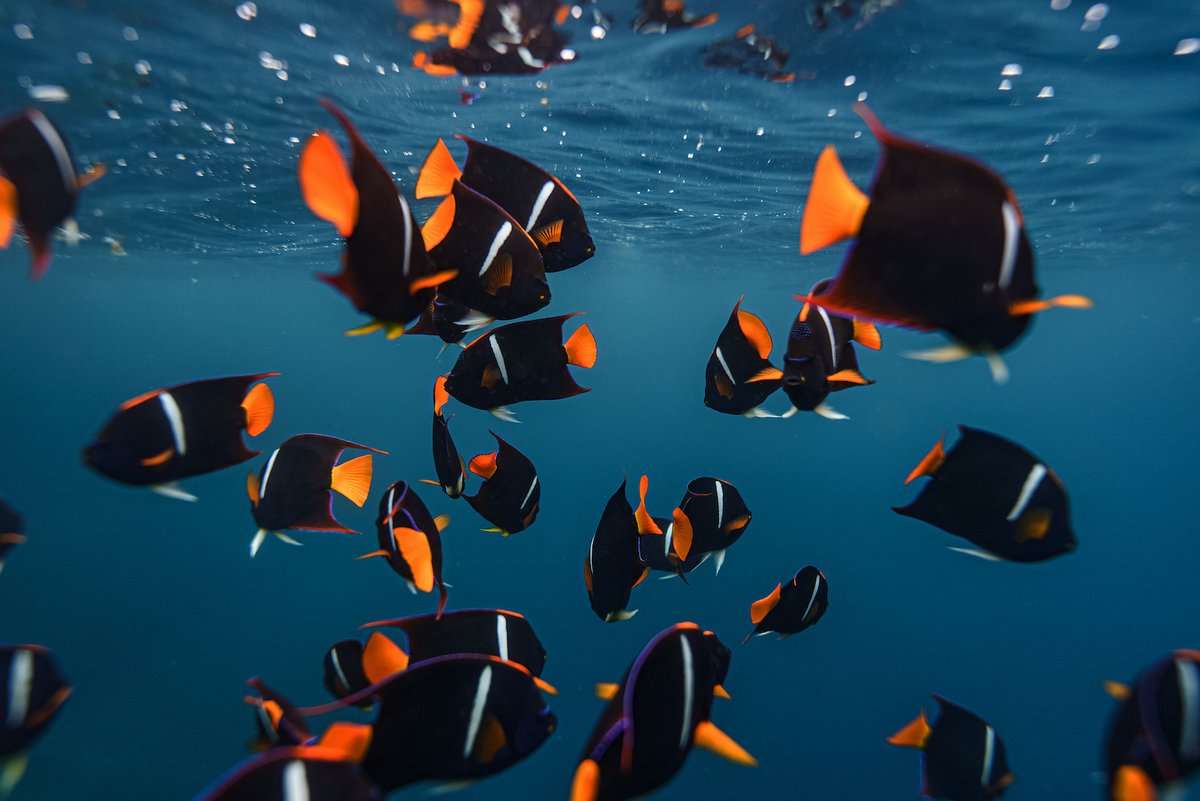
A groundbreaking study across seven marine protected areas in the Eastern Tropical Pacific reveals thriving shark and predator populations in remote island MPAs like Galapagos and Malpelo, while coastal reserves are severely depleted. Discover what this means for ocean protection, why it matters, and the urgent actions scientists recommend.
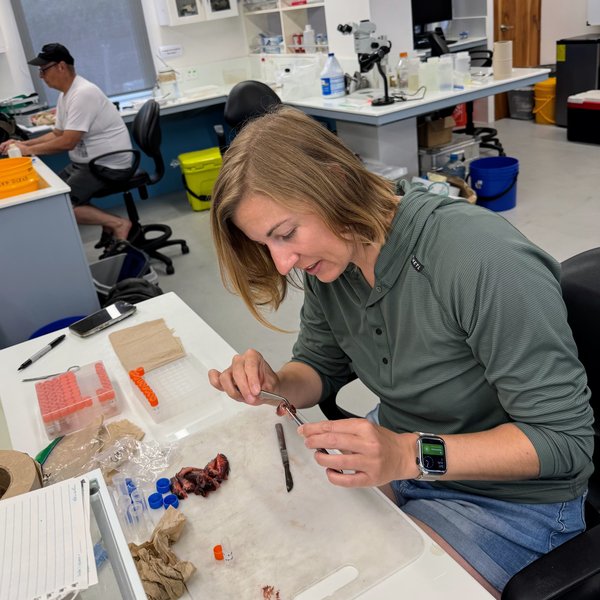
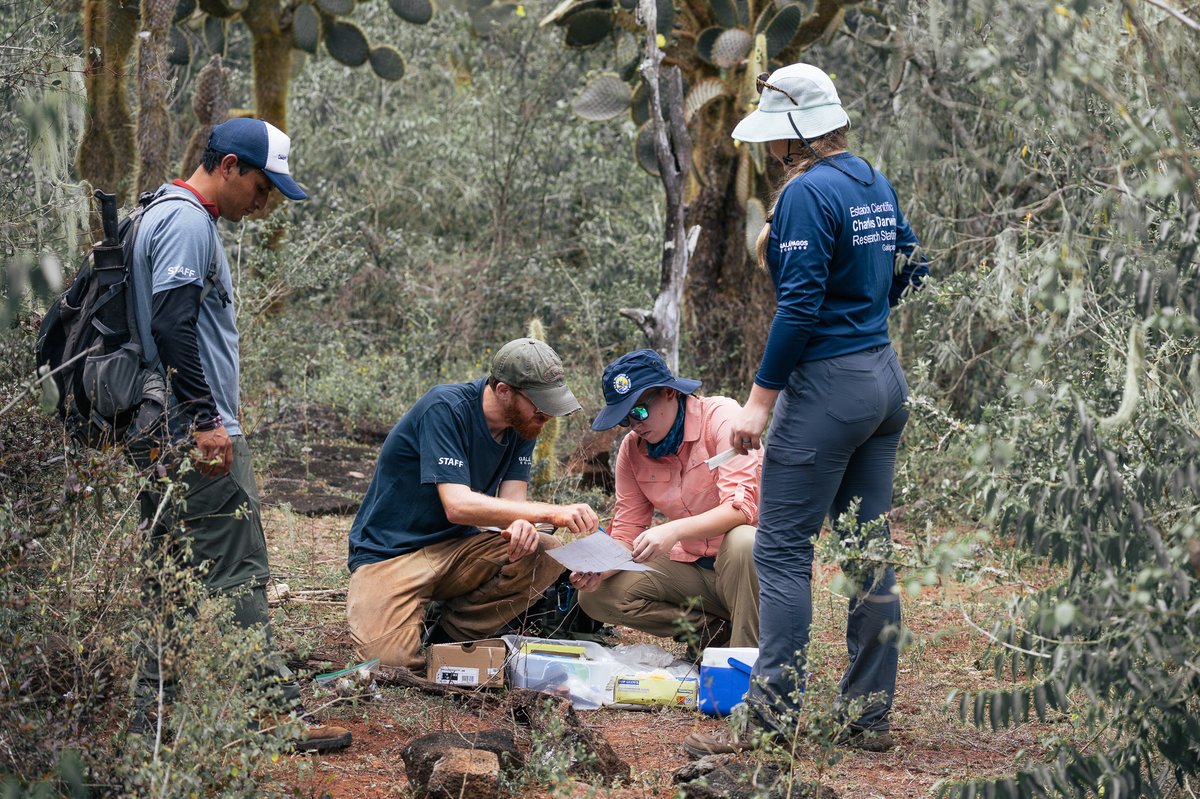
Savanna Barry, a collaborating scientist joined the Charles Darwin Foundation to study invasive frogs, restore endangered Scalesia forests, and dive into coral reef research. From field transects to fish dissections, these field notes reveal the science, mentorship, and conservation challenges shaping the future of the Galápagos.
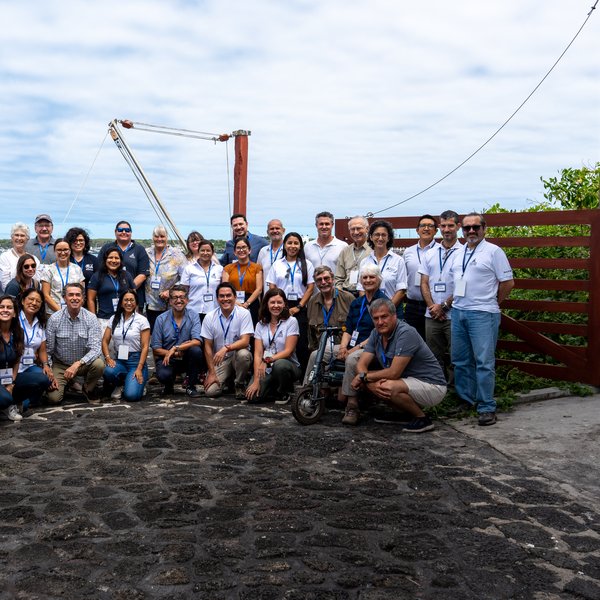
The Charles Darwin Foundation’s 2025 Impact Report highlights a year of scientific discoveries, conservation milestones, ecological restoration, and institutional growth across Galápagos. From species recoveries to new research infrastructure and large-scale restoration efforts, discover how science, collaboration, and local capacity are shaping a more resilient future for the archipelago.
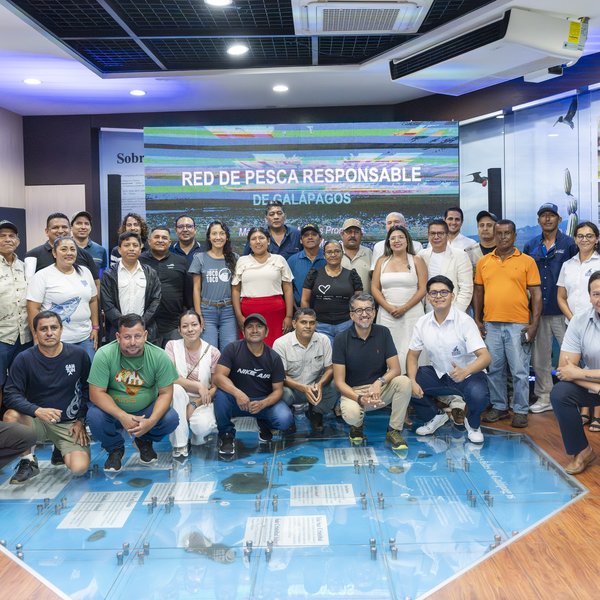
The Galápagos Responsible Fishing Network brings together artisanal fishers, conservation organizations, scientists, and private-sector partners to promote sustainable fishing practices, traceability, and responsible markets. Through technology, collaboration, and transparency, the initiative strengthens local capacities while supporting marine conservation, sustainable fisheries, and community well-being.
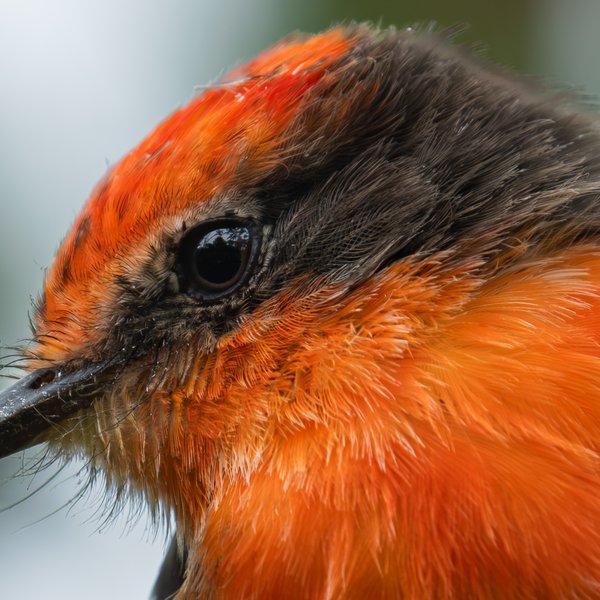
After more than a decade of conservation work, researchers have documented 56 fledglings so far in 2026 — with more nests still active
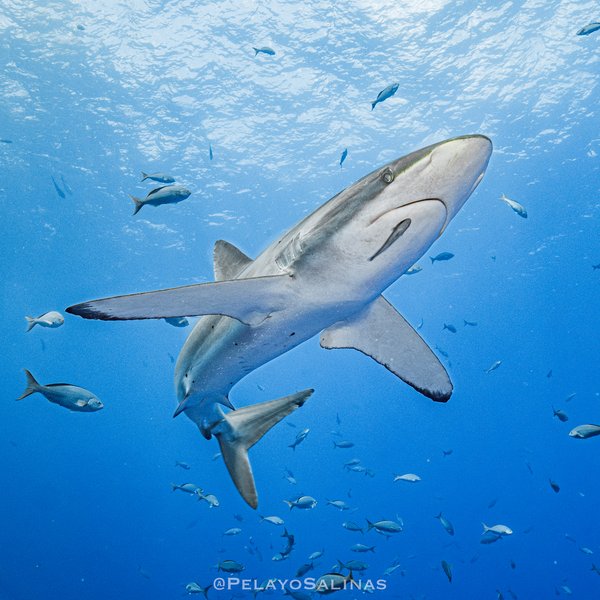
Silky shark's record-breaking migration of more than 27,000 km on the Tropical Eastern Pacific sheds light on urgent conservation need
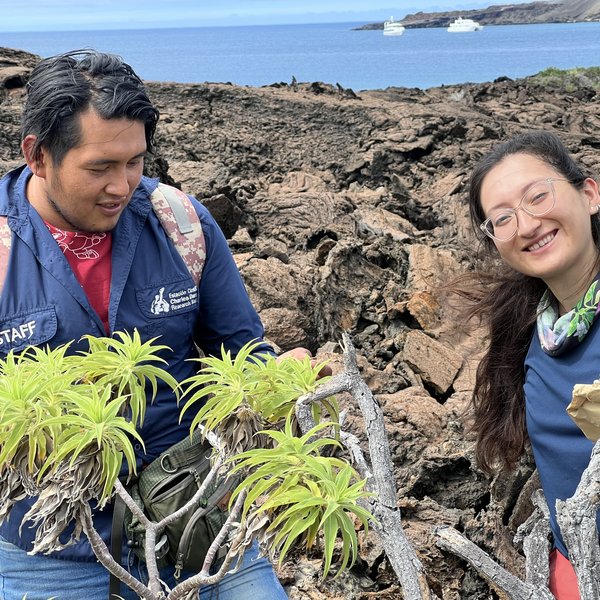
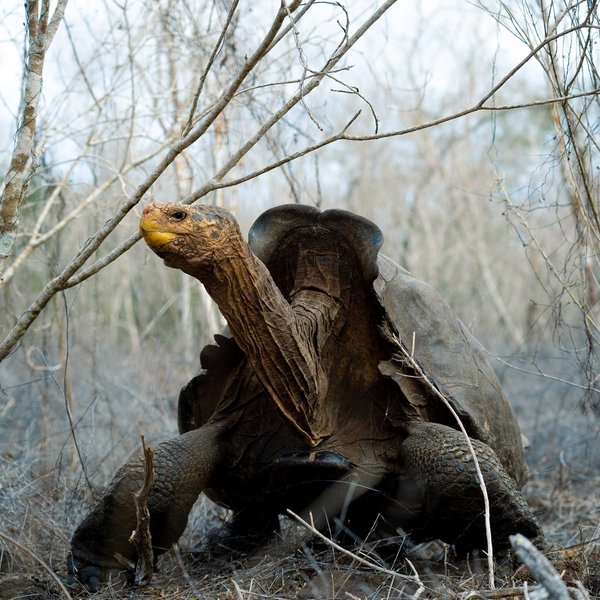
Leave a lasting legacy for Galapagos. Include the Charles Darwin Foundation in your will--free and in your control. Join the Pristine Society.
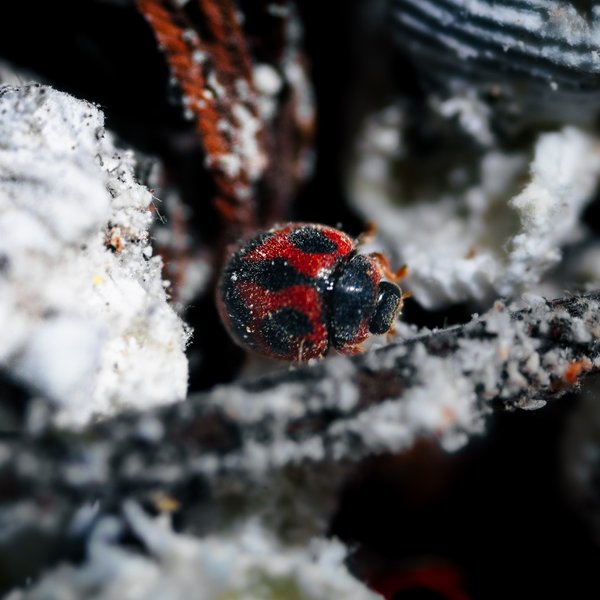
In the heart of the Galapagos Islands, a tiny, unexpected hero emerged in 2002 that would change the course of conservation. The Australian ladybug (Novius cardinalis), small in size but immensely effective, became a crucial ally in the fight against an invasive insect that threatened to devastate the endemic flora of these islands. This is the story of how science, innovation, and nature itself came together to help preserve one of the most valuable biological treasures on the planet.