Results
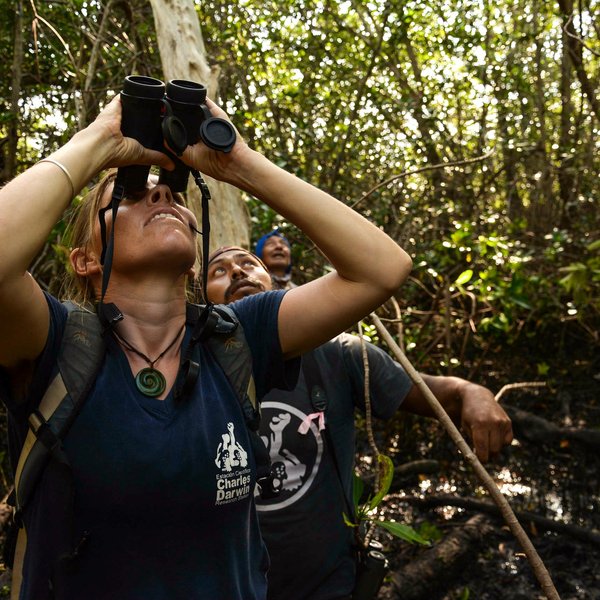
It is estimated that 20% of the populations of small landbirds found on the Galapagos Islands are declining or have gone locally extinct. Our scientists work to ensure the long-term conservation of small Galapagos landbird populations for the health of the islands’ ecosystems at large.
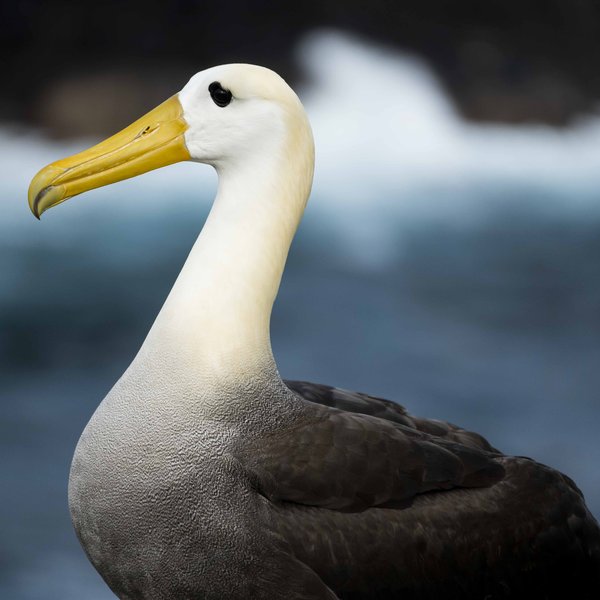
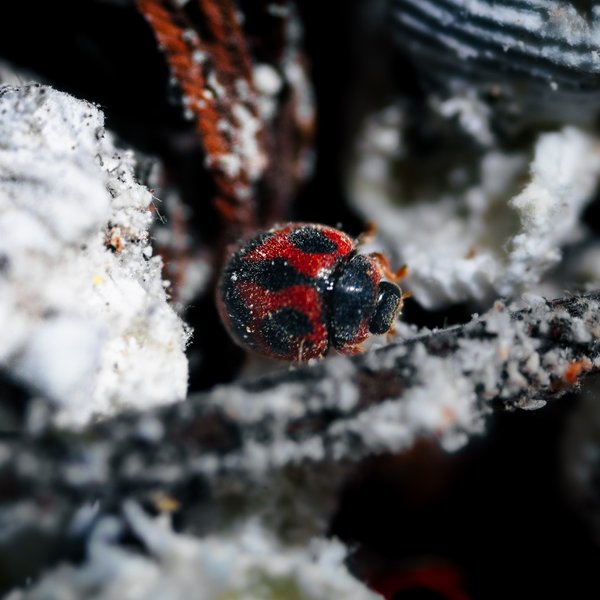
In the heart of the Galapagos Islands, a tiny, unexpected hero emerged in 2002 that would change the course of conservation. The Australian ladybug (Novius cardinalis), small in size but immensely effective, became a crucial ally in the fight against an invasive insect that threatened to devastate the endemic flora of these islands. This is the story of how science, innovation, and nature itself came together to help preserve one of the most valuable biological treasures on the planet.
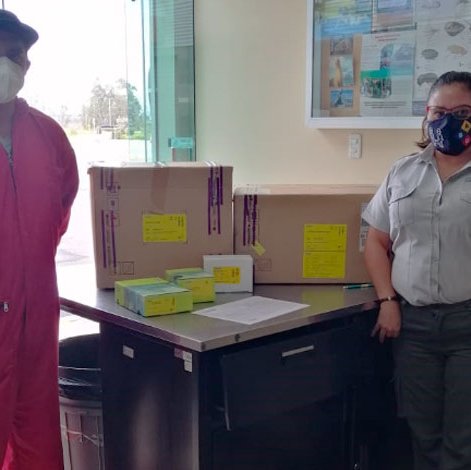
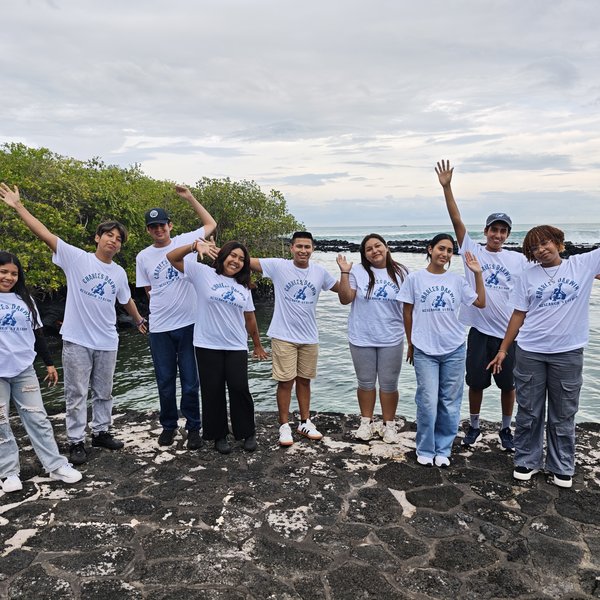
The Charles Darwin Foundation Leadership Club brought together young people from Santa Cruz and Isabela in a journey of learning, leadership, and conservation. Through workshops, community activities, and exchanges, participants strengthened their skills, promoted environmental education, and reinforced their commitment to a sustainable future for Galápagos.
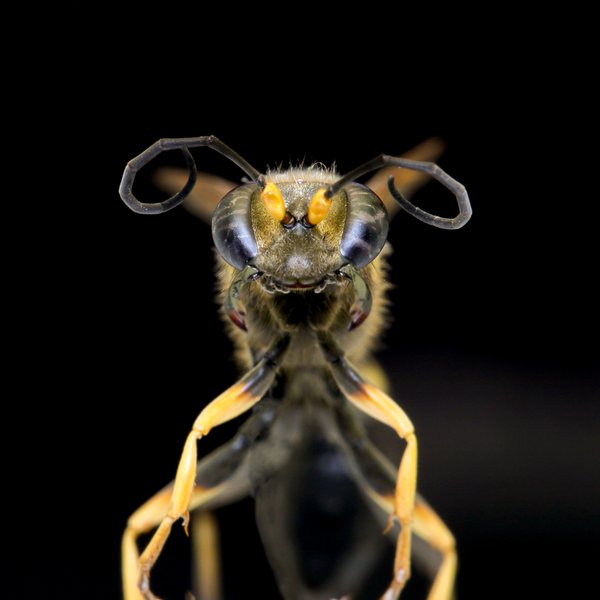
Research in the Scalesia forest on Santa Cruz Island revealed more than 200 taxa of parasitoid wasps, compared with only 30 species previously reported for Galapagos. These tiny insects play essential ecological roles and highlight how much remains unknown about the archipelago’s biodiversity and fragile ecosystems in the Pacific Ocean.