Results
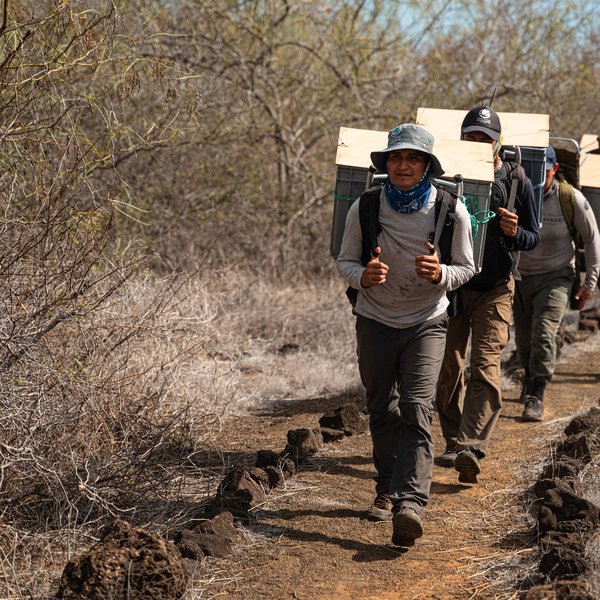
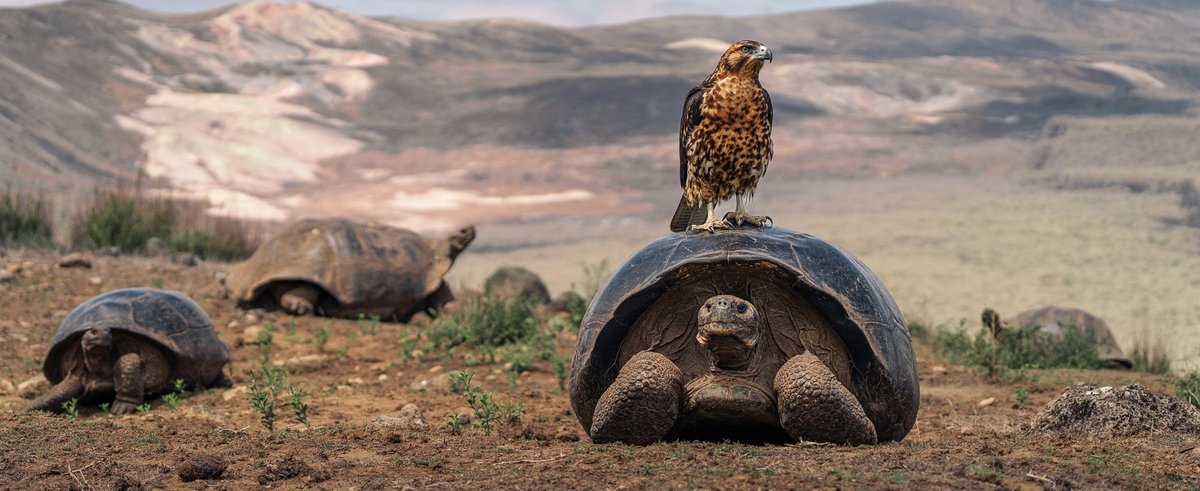
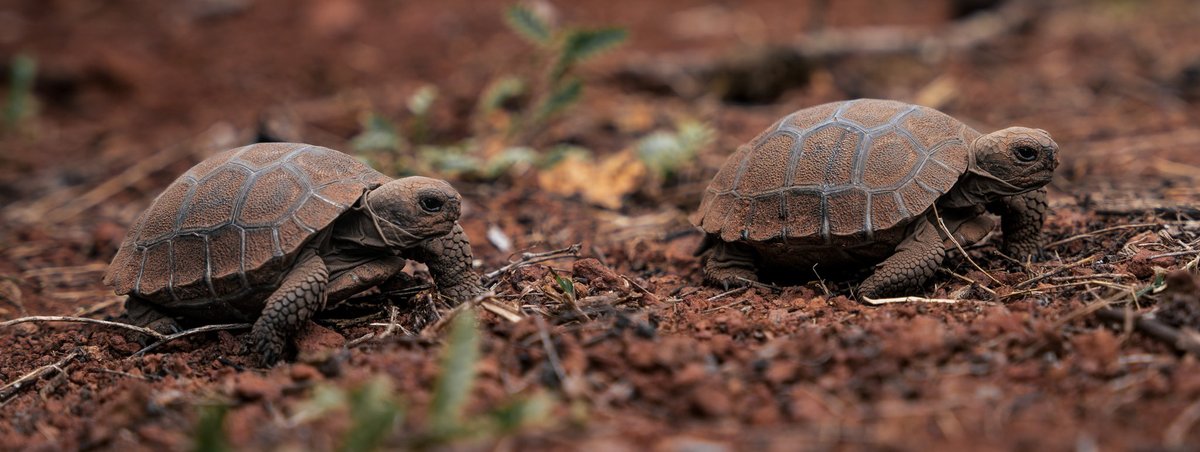
After more than 180 years, giant tortoises have returned to Floreana Island—reviving a lineage once thought extinct. Discover how hybrid tortoises were identified, bred, and carefully reintroduced, and why their comeback marks a turning point for island restoration, ecosystem recovery, and one of Galápagos’ most ambitious conservation efforts.
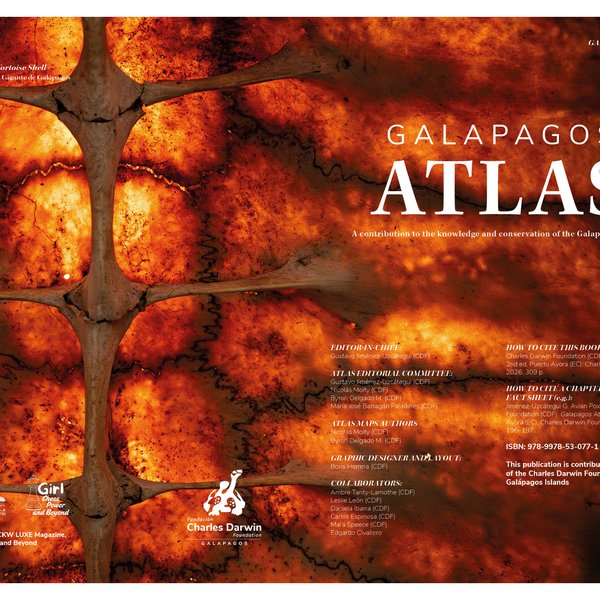
The new Galápagos Atlas 2026 offers a 309-page look at 68 species and species groups, combining purpose-built distribution maps with something rarely found in a reference guide: a clear record of what scientists still don’t know. Free to explore online, it highlights critical knowledge gaps and invites future research to strengthen conservation.
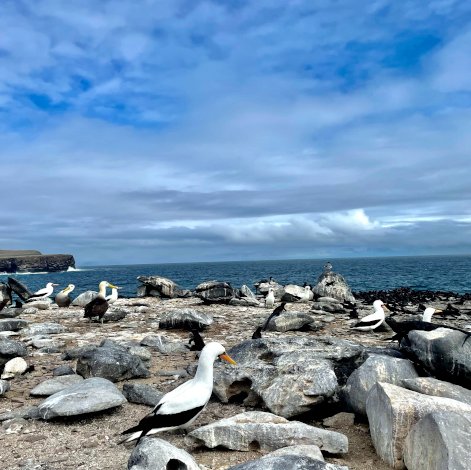
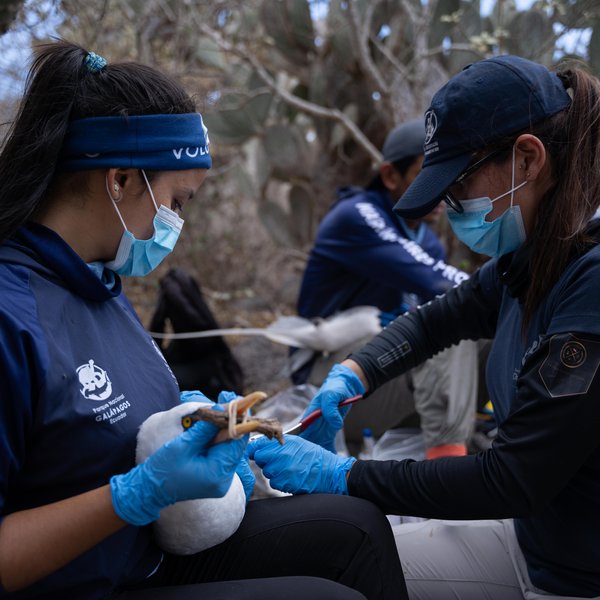
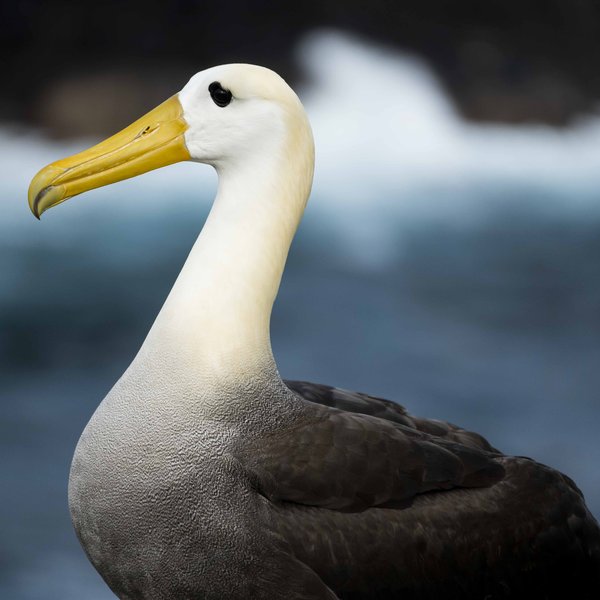
Andrea Daniela Coloma is a marine bird researcher and devoted mother of two, proving that science and motherhood can thrive side by side. Discover how her passion for conservation, rooted in the Galapagos, intersects with family life—and how the Charles Darwin Foundation supports this meaningful balance. Read her story.