Results
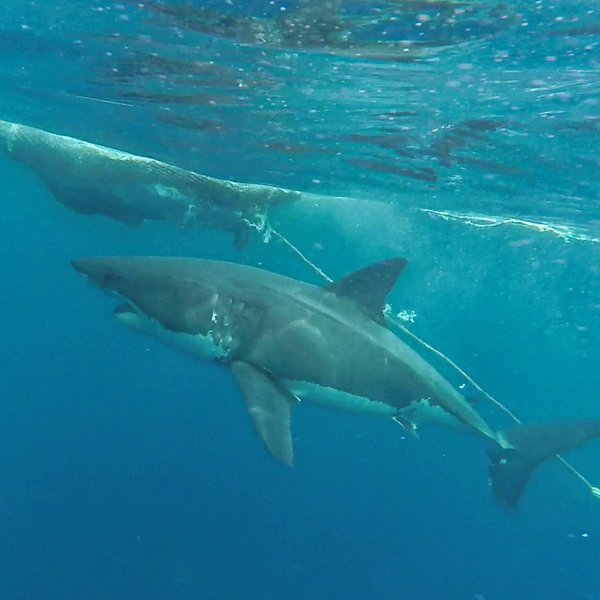
Researchers from the Charles Darwin Foundation and the Galapagos National Park have published the first confirmed record of a white shark in Ecuadorian waters. The encounter, roughly ninety kilometers west of Wolf Island and outside the Galapagos Marine Reserve (GMR), marks an unusual sighting of this species in the Eastern Tropical Pacific, where sightings south of Mexico's coastline are exceptionally rare.
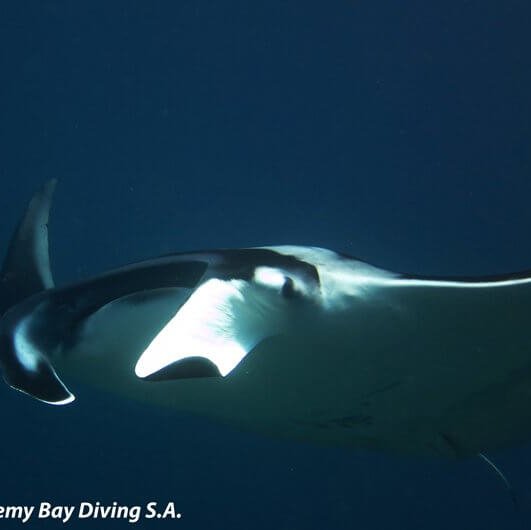
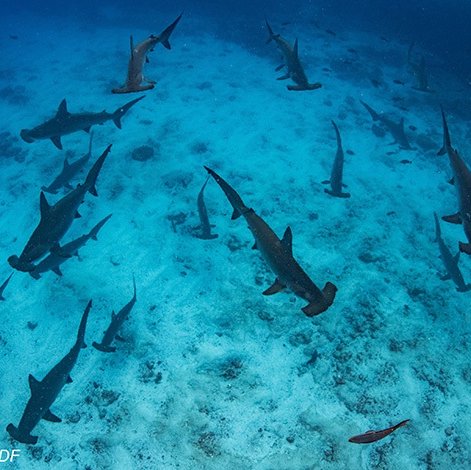
While diving in Galapagos, Erika De la Cruz encountered a hammerhead shark unlike any she’d seen before—one with a curved spine. What began as a routine dive turned into a groundbreaking scientific discovery. Read her story of wonder, resilience, and the power of observation beneath the waves.
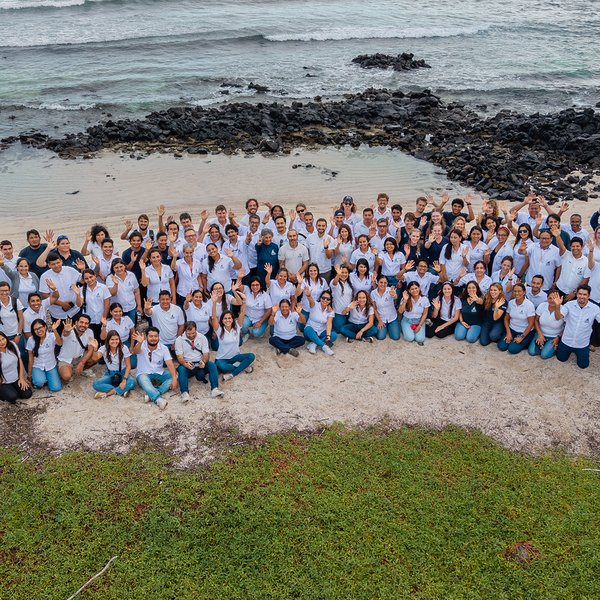
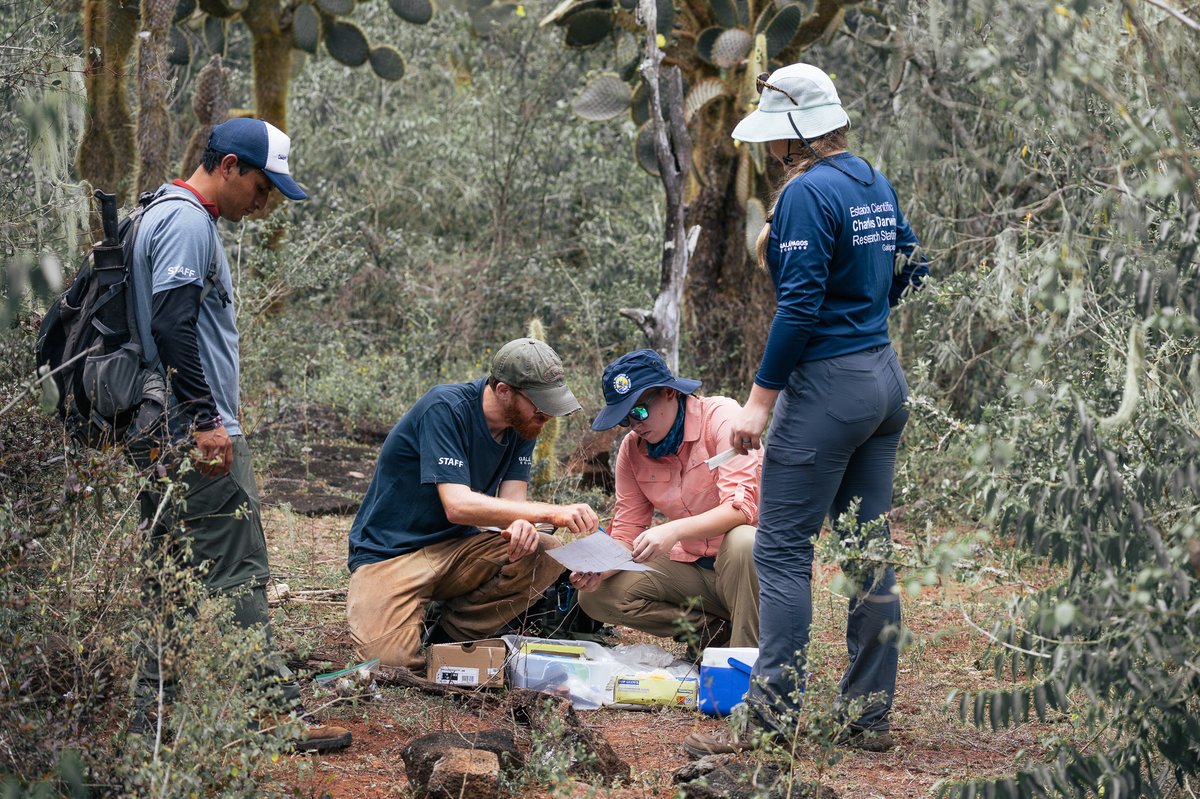
At the Charles Darwin Foundation, our success hinges on the dedication and expertise of our remarkable team. Our people share a deep passion for conservation and a commitment to safeguarding the extraordinary biodiversity of the Galápagos Islands.
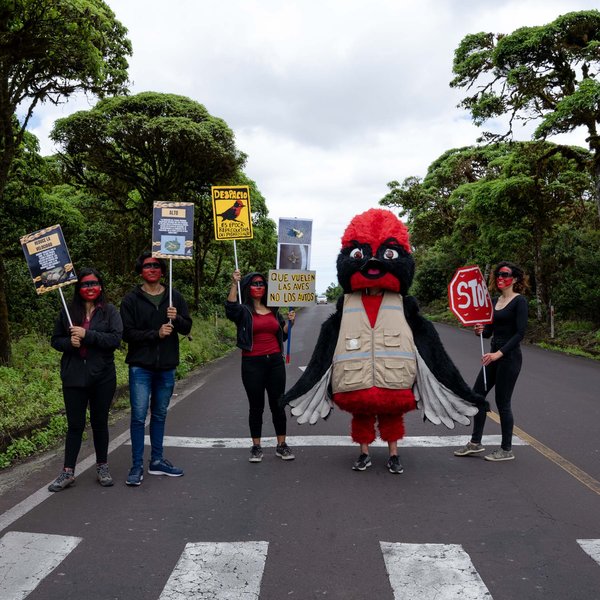
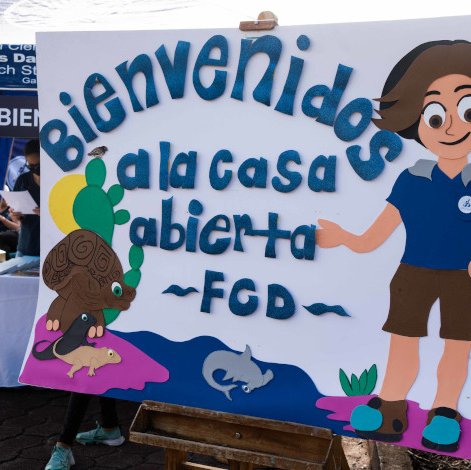
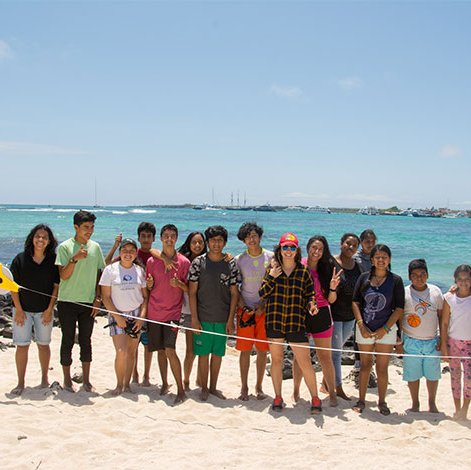
At the Charles Darwin Foundation, we believe that sustainable conservation depends on the involvement of the local community. Our goal is to inspire future generations of local conservation leaders, and embed conservation and sustainable development in the local culture.
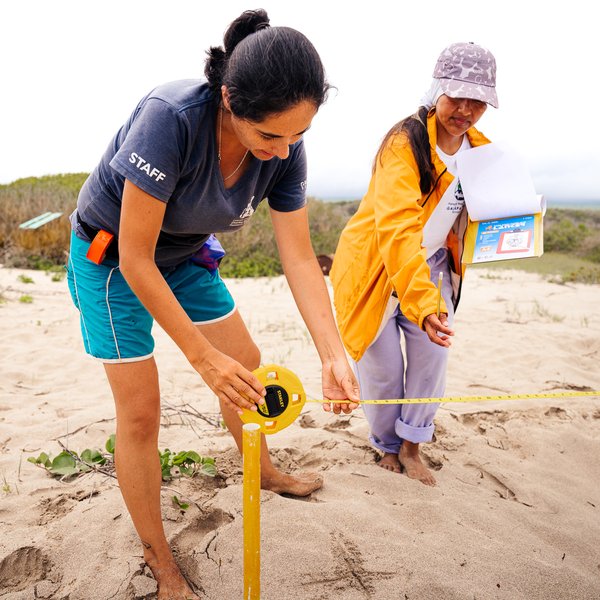
On February 11, we celebrate the International Day of Women and Girls in Science, a day to recognize the importance of strengthening female participation in science, especially in places like the Galapagos Islands. This archipelago, iconic for global conservation, has become a living laboratory where women and men work together to protect this unique ecosystem. The women of Galapagos, with their talent and dedication, demonstrate that conservation is stronger when everyone joins forces.
On February 11, we celebrate the International Day of Women and Girls in Science, a day to recognize the importance of strengthening female participation in science, especially in places like the Galapagos Islands. This archipelago, iconic for global conservation, has become a living laboratory where women and men work together to protect this unique ecosystem. The women of Galapagos, with their talent and dedication, demonstrate that conservation is stronger when everyone joins forces.
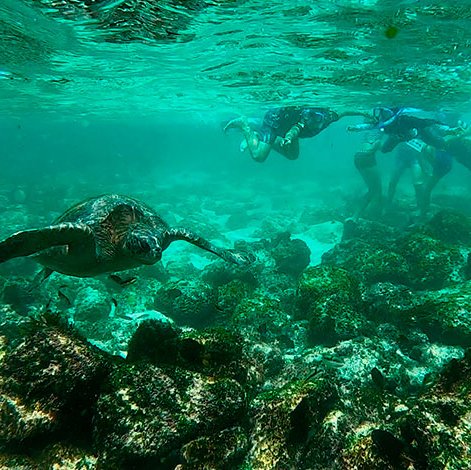

Join our Wild Club today! By scheduling a recurring monthly gift, you will increase your impact on Galapagos conservation.
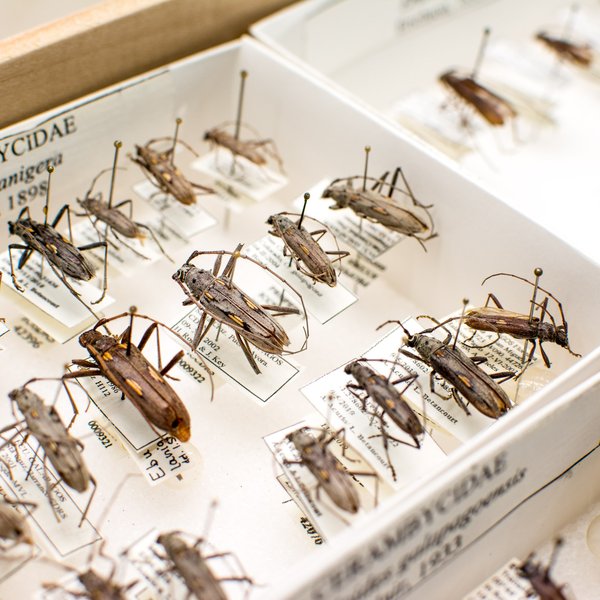
The Charles Darwin Research Station is home to the largest Natural History Collections of endemic, native and introduced species of the Galapagos Islands in Ecuador. It is also one of the largest in the world with over 135,000 specimens from more than 7,500 species.
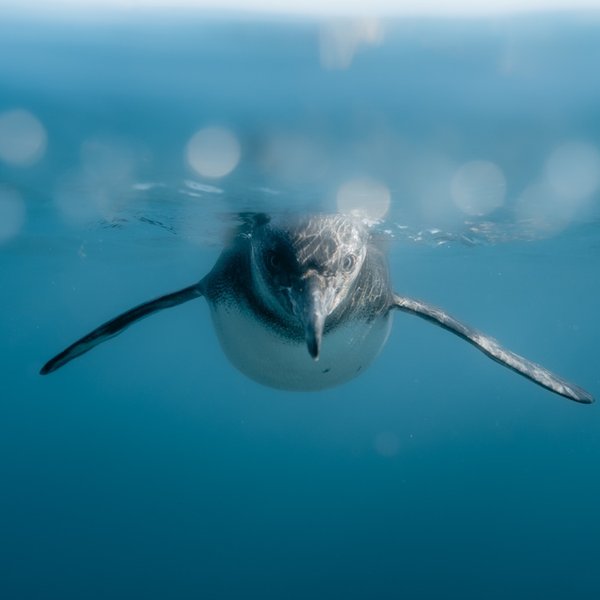
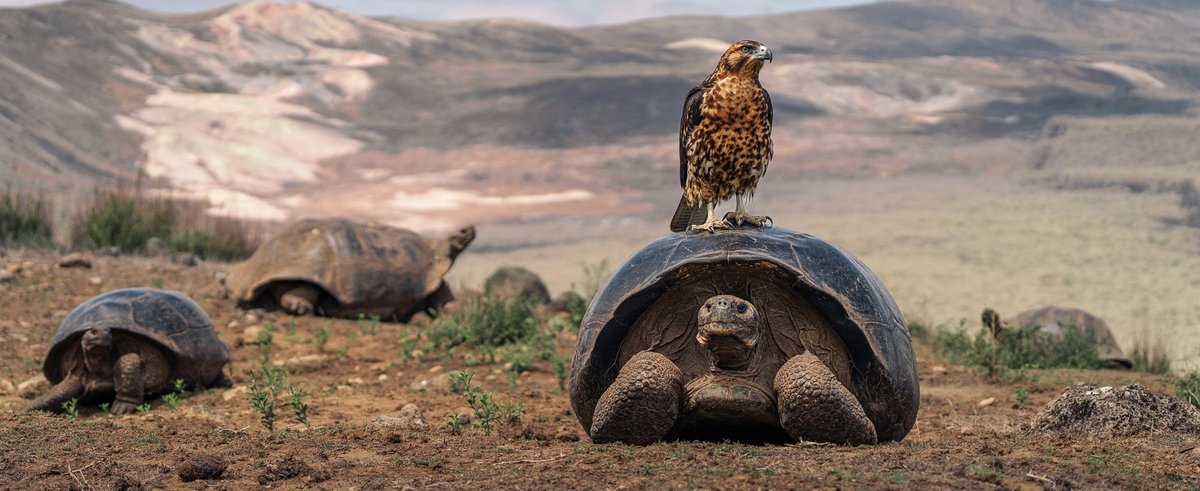
Together, we can ensure that the Galapagos Islands remain a beacon of biodiversity and scientific inspiration. Donate today!
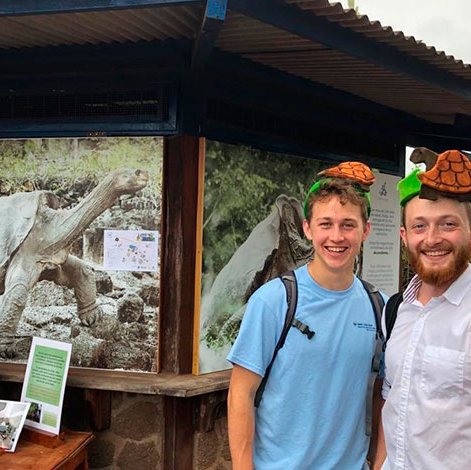
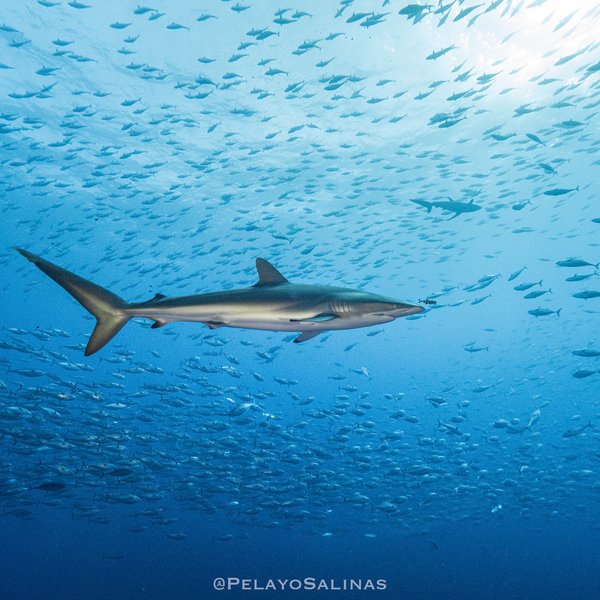
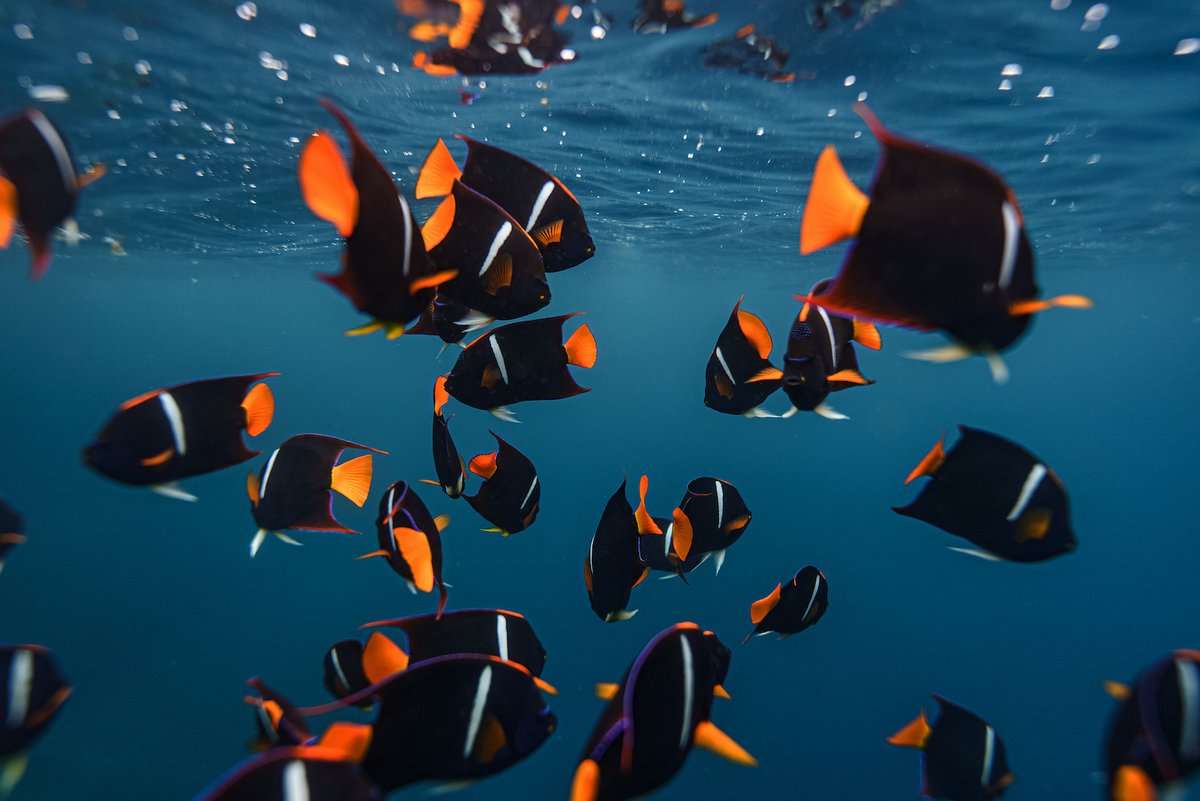
Dive into a powerful reflection on ocean decline—and the surprising places where hope still thrives. This story journeys from centuries-old seas teeming with life to today’s threatened oceans, revealing why Galápagos remains a living window into the past. Discover why witnessing these wonders fuels the fight to protect our blue planet.