Results
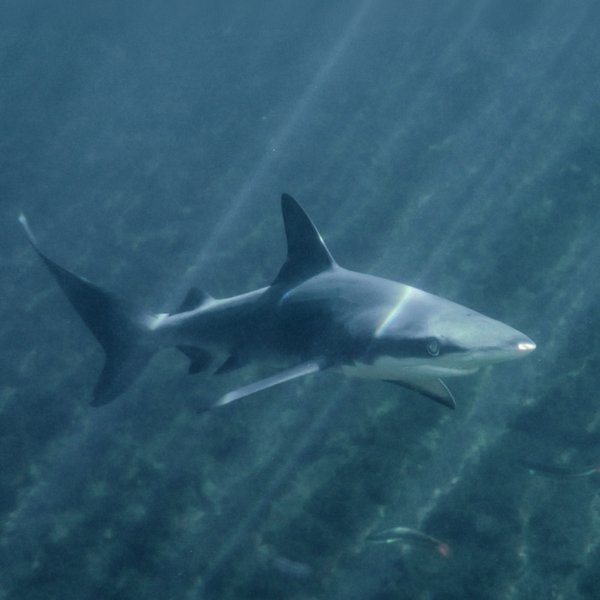
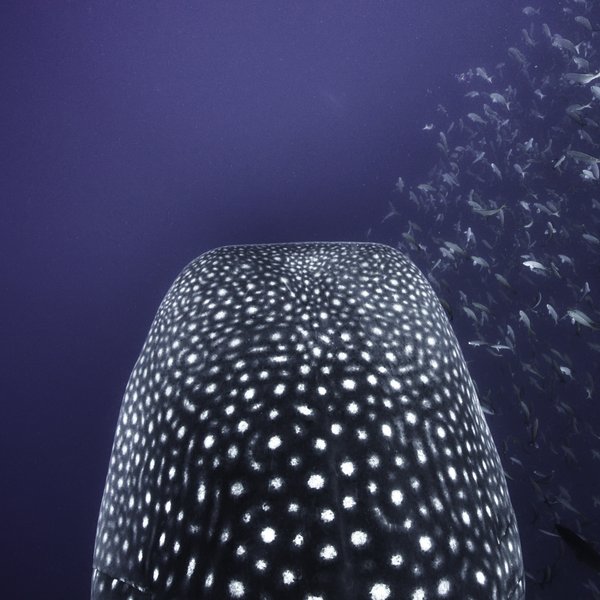
Galápagos sharks do not all behave the same. Hammerheads form large schools, whitetip reef sharks rest on reefs, tiger sharks repeatedly return to key feeding areas, and whale sharks undertake long migrations. Understanding these different behaviors helps protect critical habitats, migration routes, and supports more effective conservation strategies for each species.
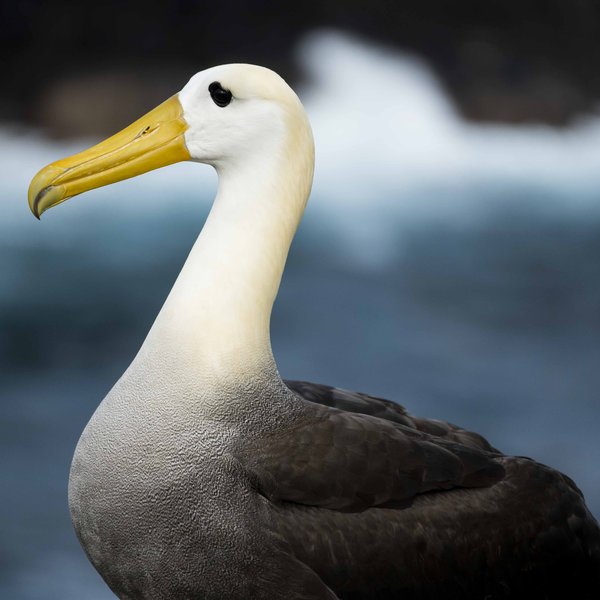

The deep ocean of the Eastern Tropical Pacific hosts unique ecosystems, including seamounts, deep reefs, and abyssal habitats. These environments support remarkable biodiversity, regulate climate, and connect migratory species. Scientific research is essential to discover new species, understand ecological processes, and strengthen conservation against growing environmental threats.
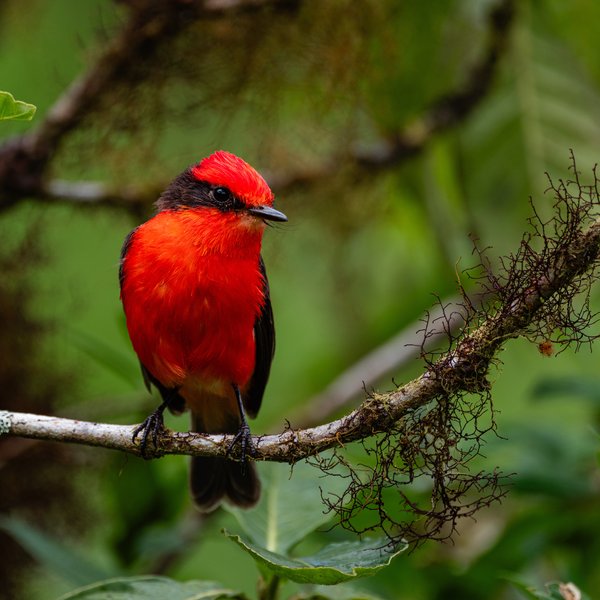
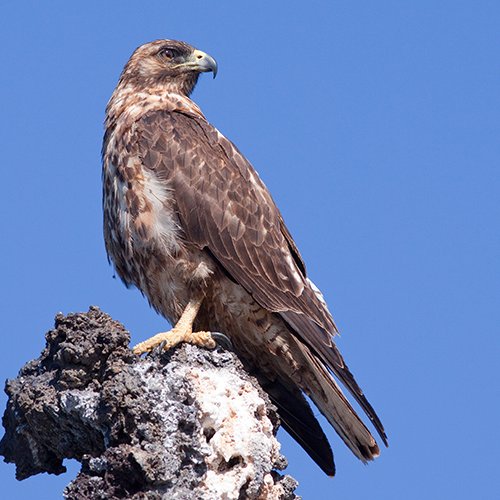
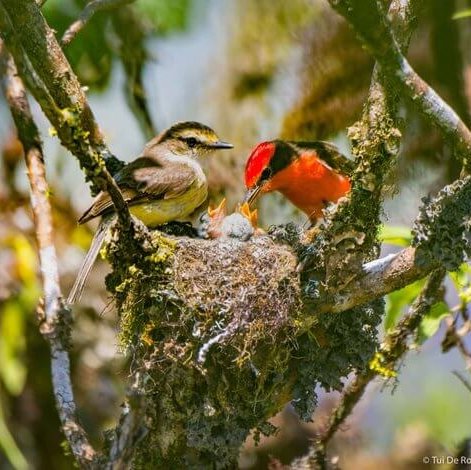
The Galápagos landbird breeding season (January–April) is critical for conservation. Monitoring and adaptive management, including innovative control of Philornis downsi, are improving nesting success. Early results show population recovery in key species, supported by habitat restoration. Ongoing data collection will determine long-term effectiveness and guide future conservation strategies.
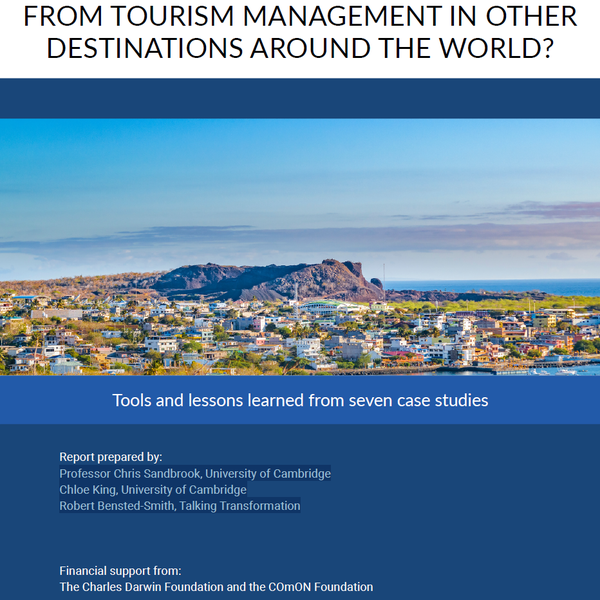
Galápagos faces increasing tourism pressures that threaten its unique ecosystems. This report reviews seven international case studies to identify effective visitor-management tools—such as quotas, zoning, monitoring, and community engagement—and evaluates their relevance for Galápagos.
Ushering in a new chapter for ocean governance ratification of the BBNJ agreement.
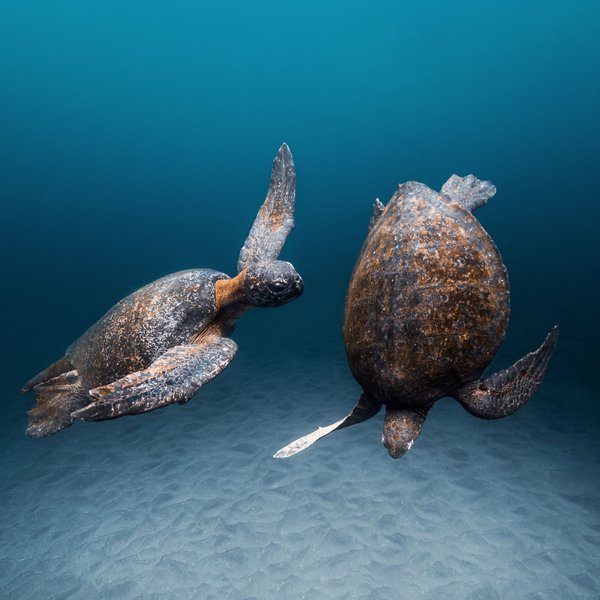
Important feeding and nesting sites for the endangered East Pacific green turtle in Galapagos are increasingly threatened by tourism, marine traffic and climate change. Our research is helping to identify the key areas where sea turtles are most vulnerable, and to develop solutions to protect them in the long term.

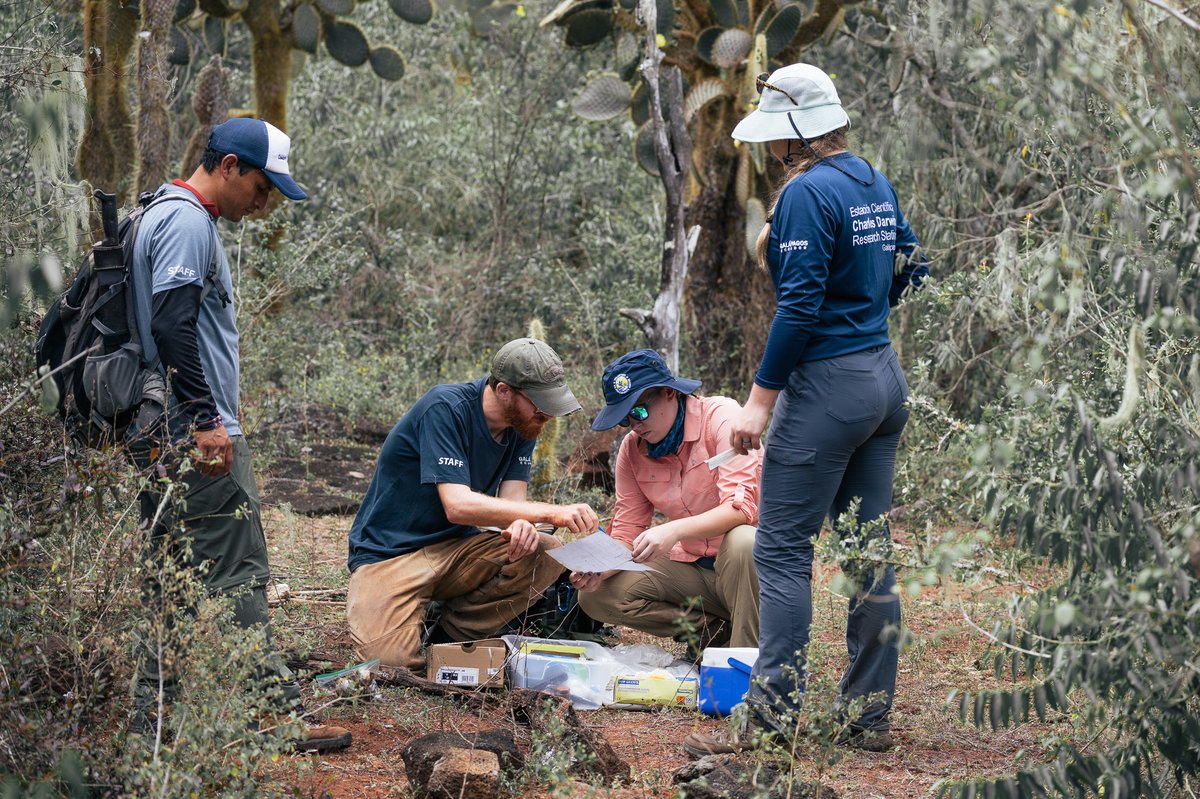
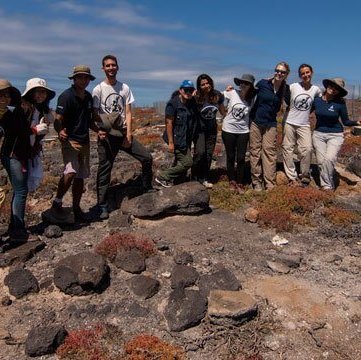
Embarking on a trip to the Galapagos Islands is an unforgettable experience, but packing for it requires some special consideration. To help you prepare, the researchers at the Charles Darwin Foundation have curated the ultimate packing list.