Results
Carlos Espinosa/CDF
Patricia Jaramillo Díaz/CDF
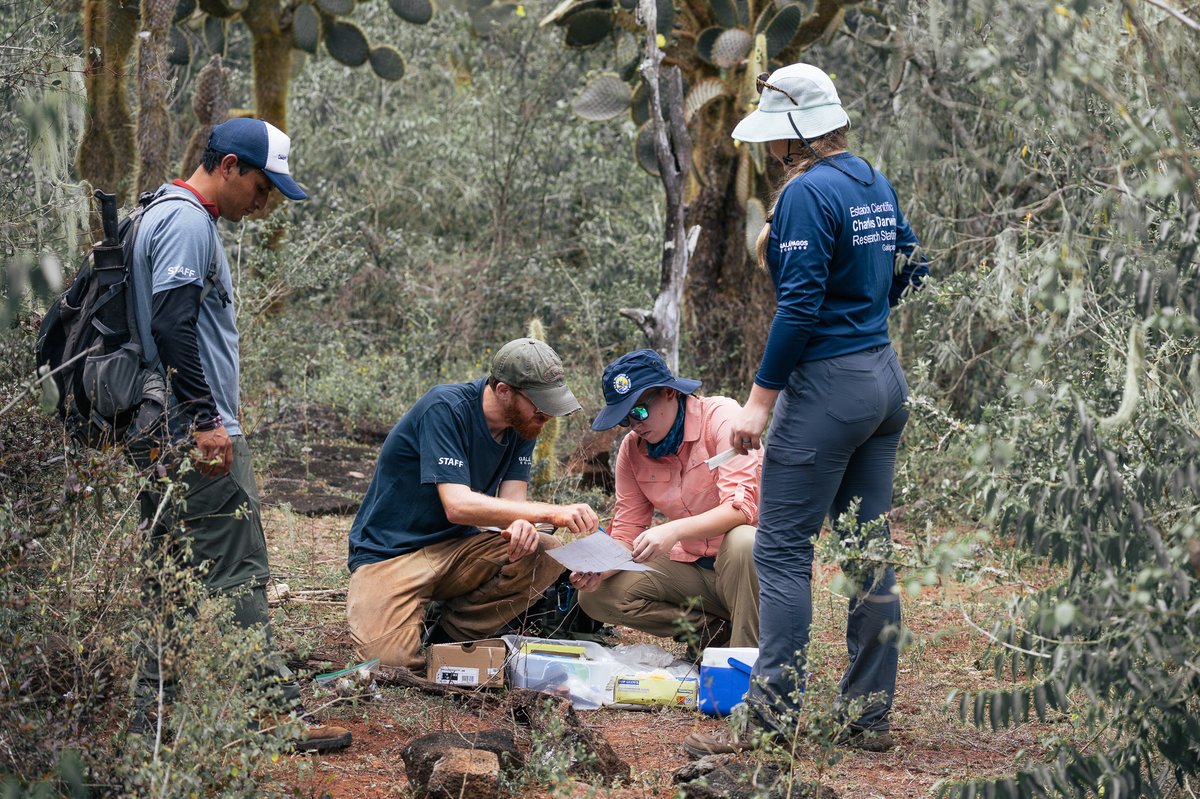
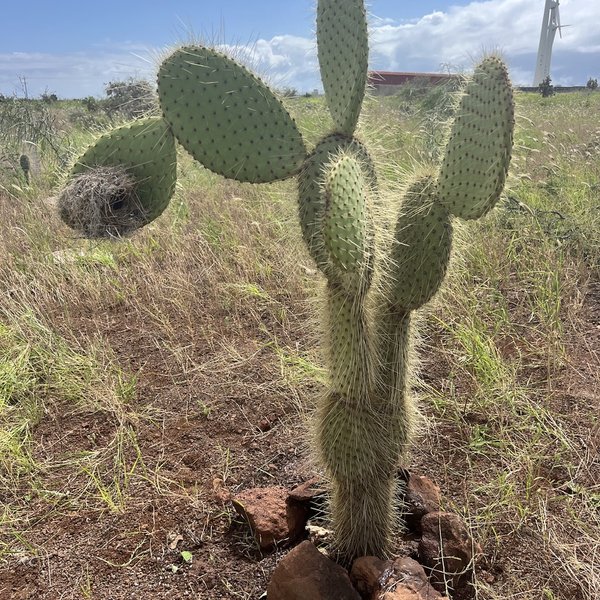
Baltra regenerates: a decade restoring an island in the heart of the archipelago
Baltra Island is coming back to life after more than a decade of restoration. Thanks to over 8,000 native plants introduced by the Charles Darwin Foundation and partners, ecosystems are regenerating naturally, offering new hope for Galápagos conservation.
Carlos Espinosa/CDF
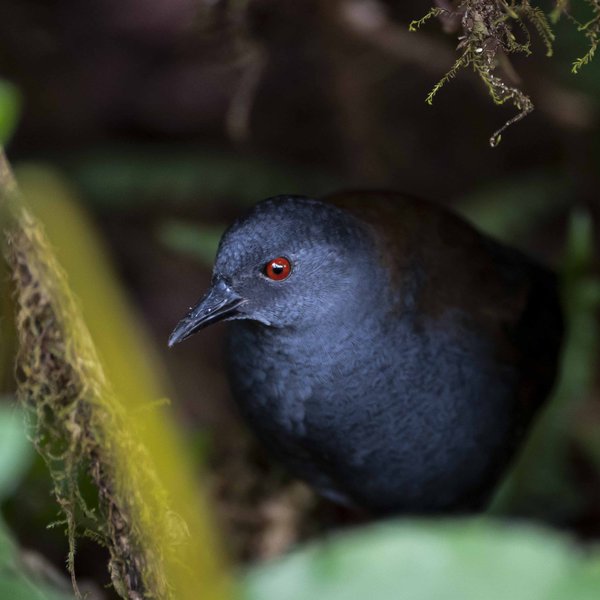
Galapagos Rail Rediscovered on Floreana
The Galapagos Rail (Laterallus spilonota) has been confirmed on Floreana Island for the first time in 190 years. This follows a 2023 eradication campaign that removed most invasive cats and rats, likely aiding its survival. Researchers will conduct genetic testing to determine if the species recolonized or persisted undetected.
Carlos Espinosa/CDF
Carlos Espinosa/CDF
Rashid Cruz-CDF
Rashid Cruz-CDF
Carlos Espinosa/CDF
Carlos Espinosa/CDF
Carlos Espinosa/CDF
Carlos Espinosa/CDF
Carlos Espinosa/CDF
Carlos Espinosa/CDF
Carlos Espinosa/CDF
Carlos Espinosa/CDF
Carlos Espinosa/CDF
Carlos Espinosa/CDF
Carlos Espinosa/CDF
Carlos Espinosa/CDF
Carlos Espinosa/CDF