Results
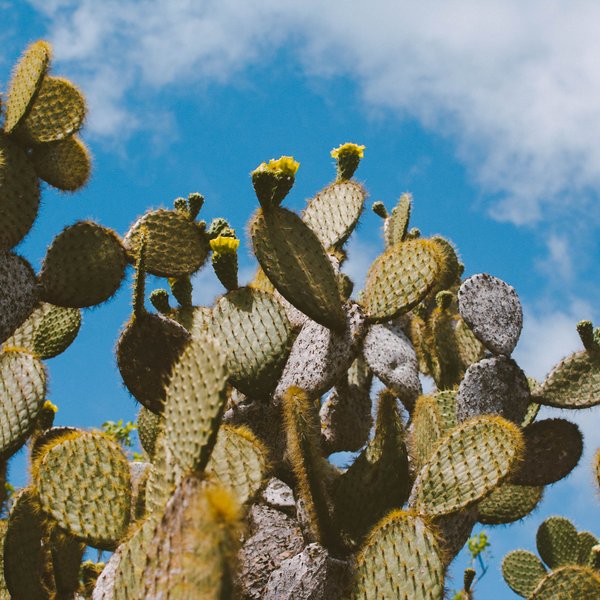
The population of the Galapagos pricky pear cactus declined during the 1960s and 1970s due to the impact of invasive species and human activities. By adopting a Galapagos prickly pear cactus you will support the Charles Darwin Foundation’s Galapagos Verde 2050 program, which works to restore the populations and enhance the conservation process of the Galapagos ecosystems by using ecological restoration tools.

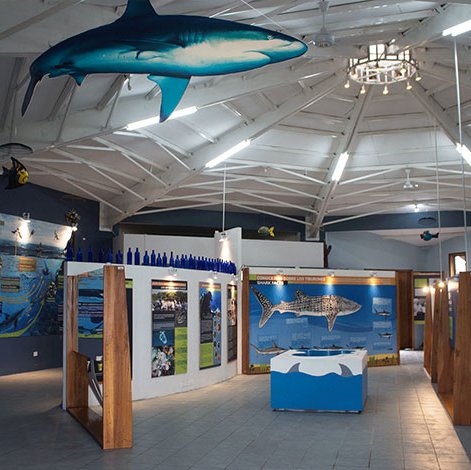
Not just your average library, the CDF Library, Archive and Museum at our campus features three unique spaces dedicated to the management of knowledge and memory: written and audiovisual documents, archival materials, and archaeological and historical artifacts. There is something for everyone - from scientific to fictional, for the scientist or a student.
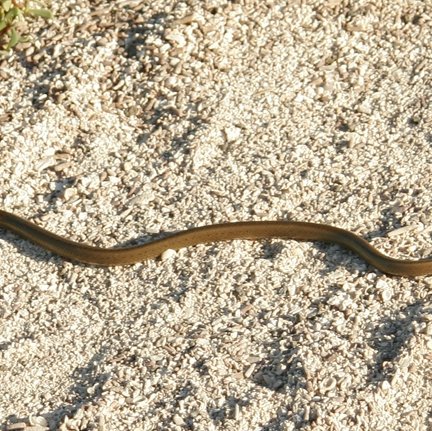
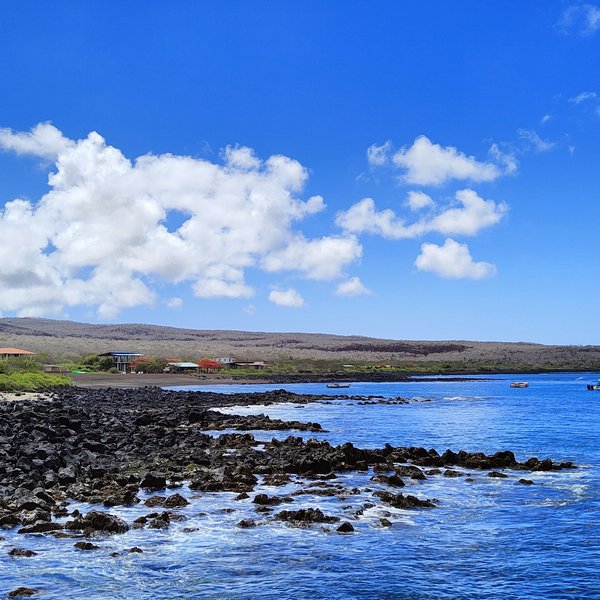
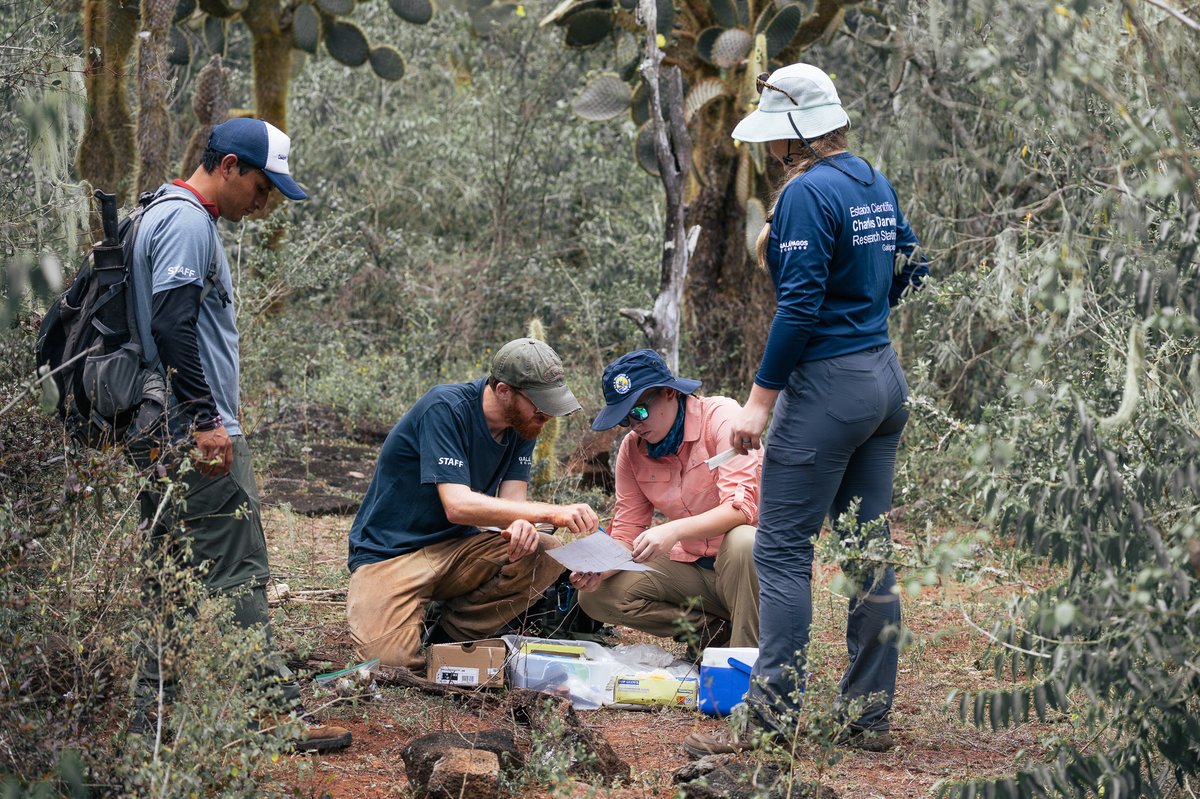
Meet CDF entemologist Karen Vera who talks about her work in the field and how it contributes to the restoration of Galapagos ecosystems.
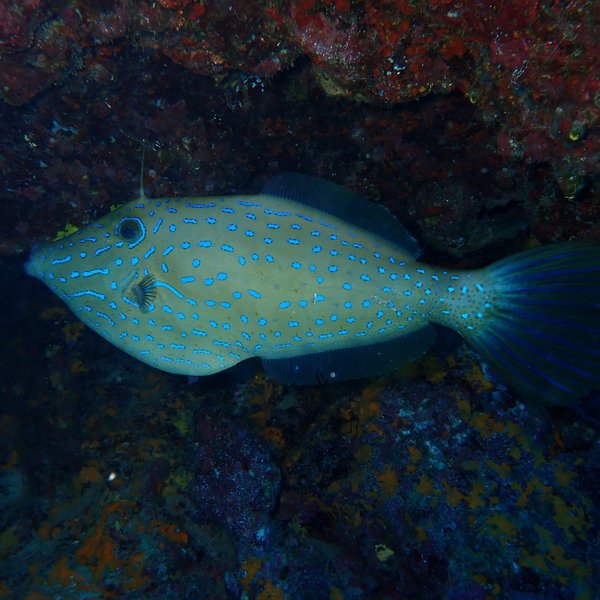
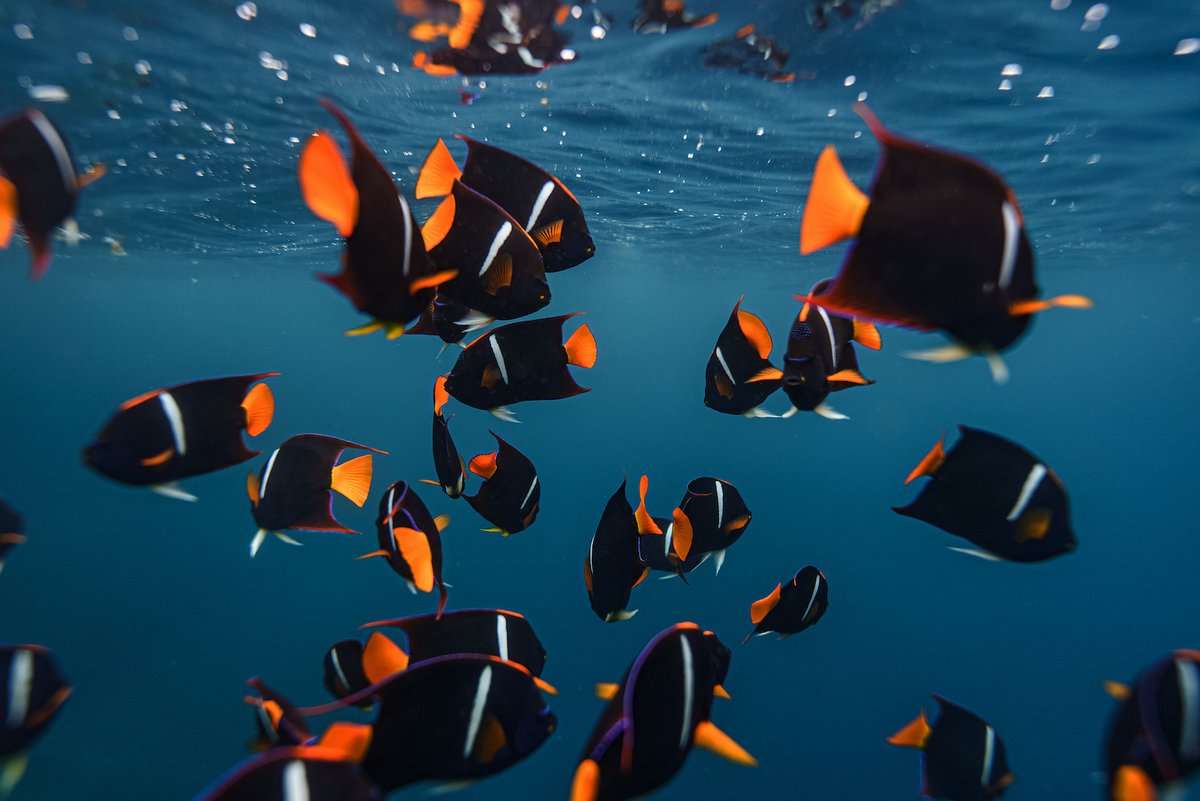
Imagine being able to peek into the past and witness how the underwater world of Galapagos has changed over time. Now you can, thansk to more than 20 years of biodiversity data collected by Charles Darwin Foundation scientists made available online.
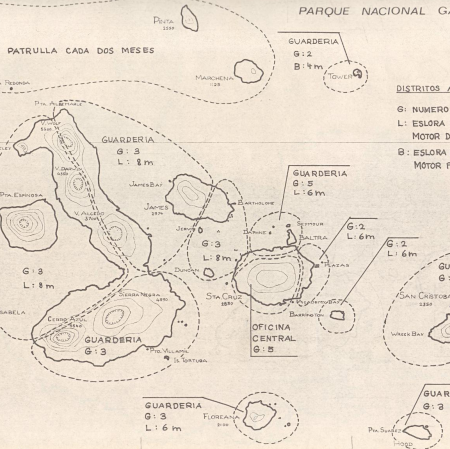
The 1973 Master Plan for the Protection and Use of Galapagos National Park was the first comprehensive planning framework for managing the archipelago. It introduced zoning, strengthened scientific research, and formalized collaboration with the Charles Darwin Research Station, laying the foundations for modern conservation in the Galapagos Islands.