Results
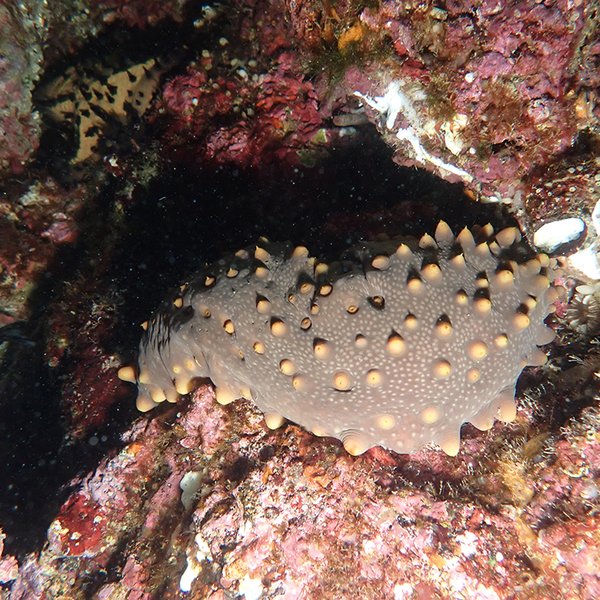
Local expertise meets global science: the first complete genome of endangered sea cucumber advances marine conservation in Galápagos
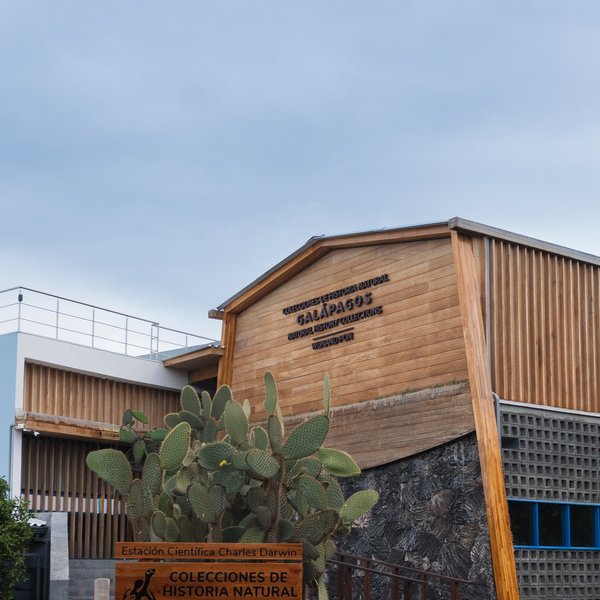
For the first time, the Charles Darwin Foundation opens Galápagos’ largest scientific collections to the public. Housing over 137,000 specimens, this new facility offers a rare glimpse into the science shaping conservation decisions and safeguarding one of the planet’s most extraordinary ecosystems.
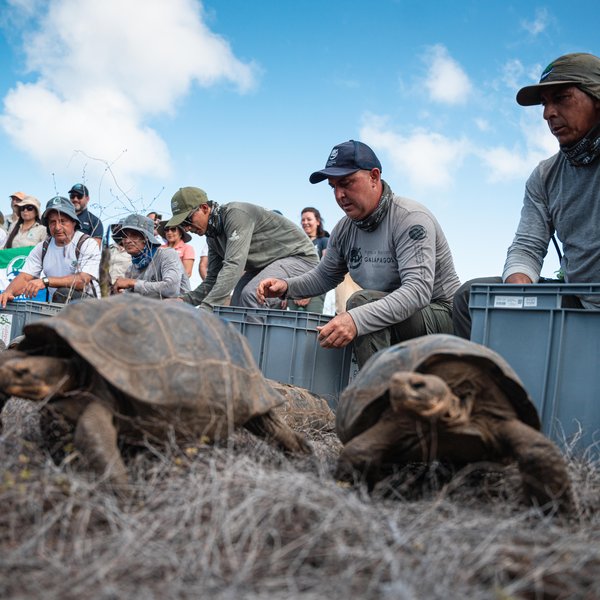
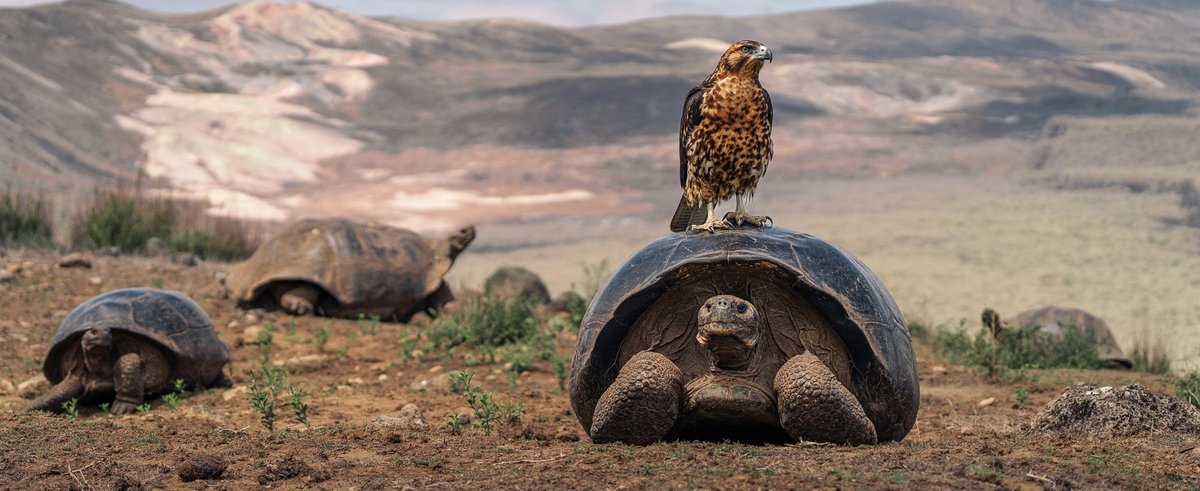
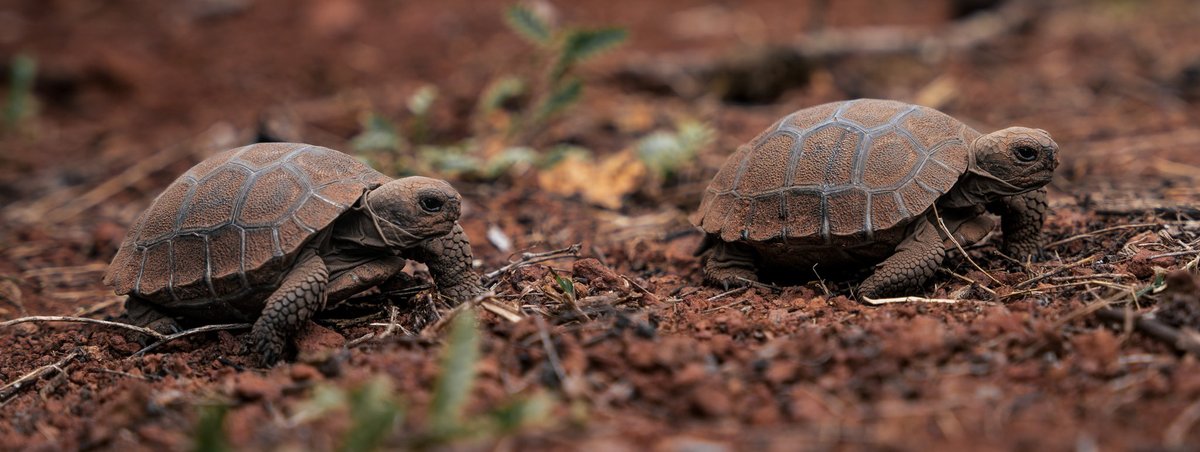
After more than 180 years, 158 endangered giant tortoises have returned to Floreana Island, marking a historic milestone in the Galápagos’ largest restoration effort. Discover how science, community leadership, and global collaboration are bringing back a lost lineage—and rebuilding an entire ecosystem from the ground up.
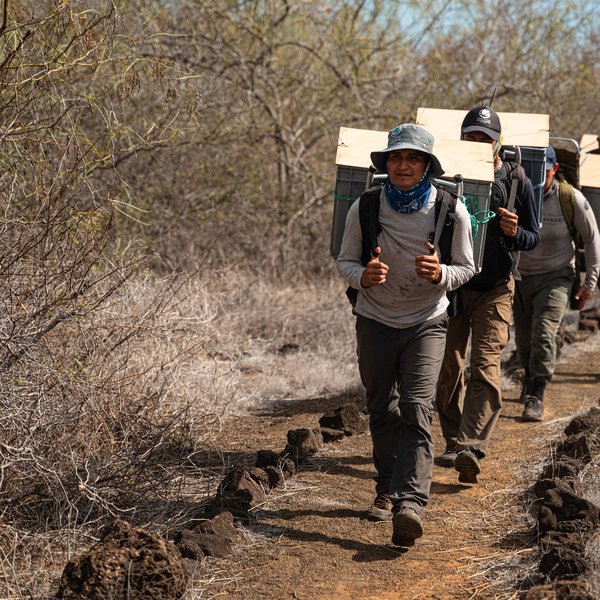
After more than 180 years, giant tortoises have returned to Floreana Island—reviving a lineage once thought extinct. Discover how hybrid tortoises were identified, bred, and carefully reintroduced, and why their comeback marks a turning point for island restoration, ecosystem recovery, and one of Galápagos’ most ambitious conservation efforts.
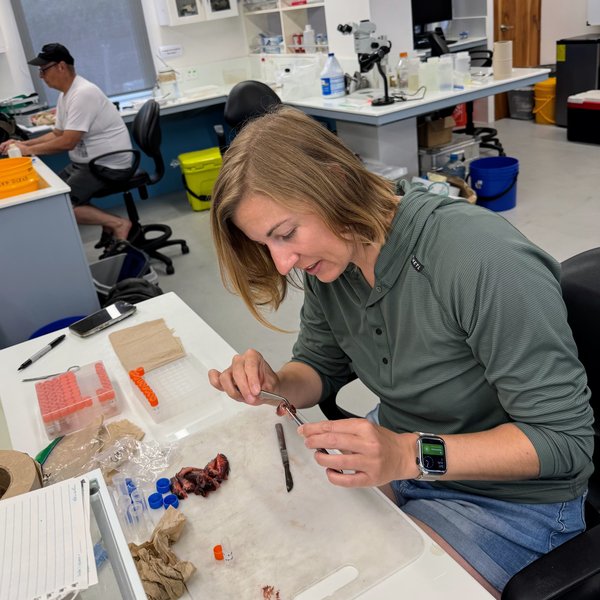
Savanna Barry, a collaborating scientist joined the Charles Darwin Foundation to study invasive frogs, restore endangered Scalesia forests, and dive into coral reef research. From field transects to fish dissections, these field notes reveal the science, mentorship, and conservation challenges shaping the future of the Galápagos.
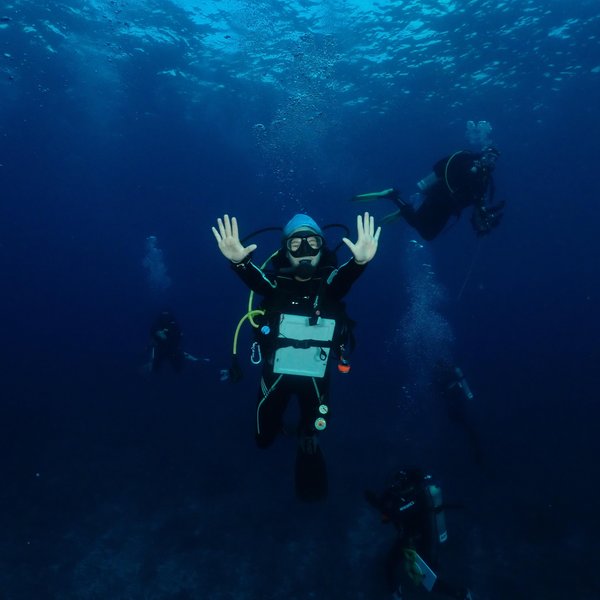
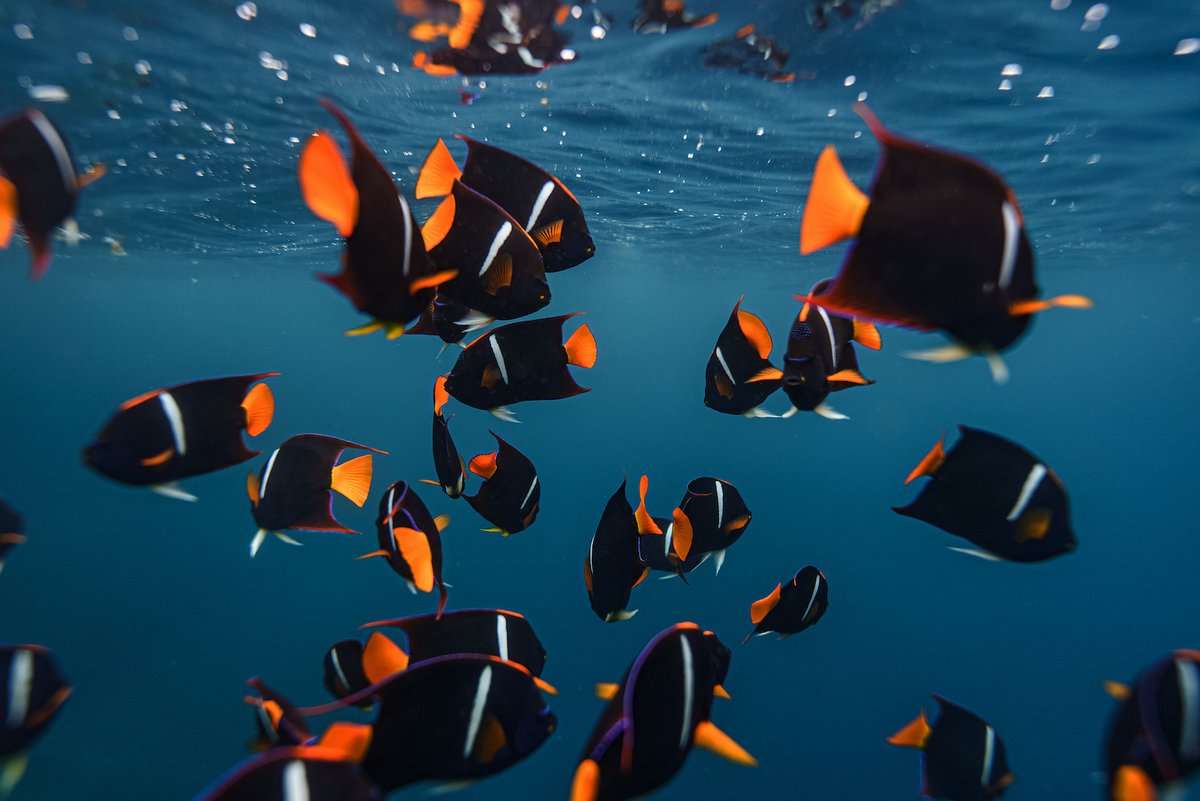
In the remote northern islands of Darwin and Wolf, science reveals a dramatic seasonal pulse beneath the waves. A new Charles Darwin Foundation study shows fish biomass triples in the cold season—driven by migrating scalloped hammerhead sharks. Discover how ocean currents shape one of Earth’s richest marine refuges.
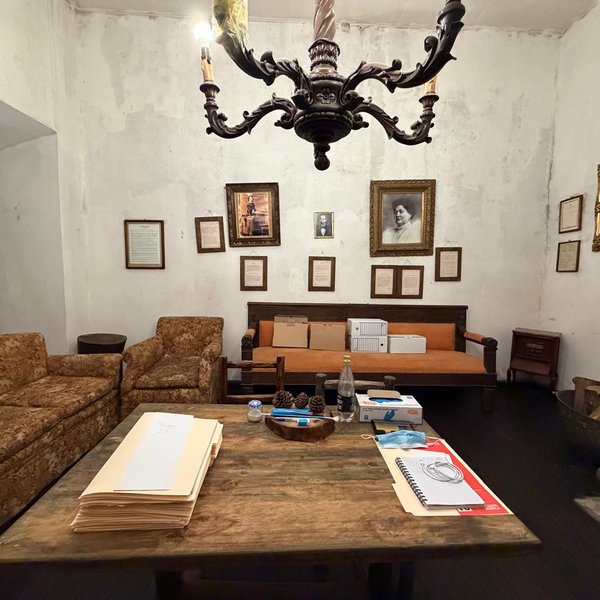
A look back at the origins of the Charles Darwin Foundation and the key role of Cristóbal Bonifaz in shaping science and conservation in Galápagos, and how the recovery of his archives reconnects us with that shared legacy.
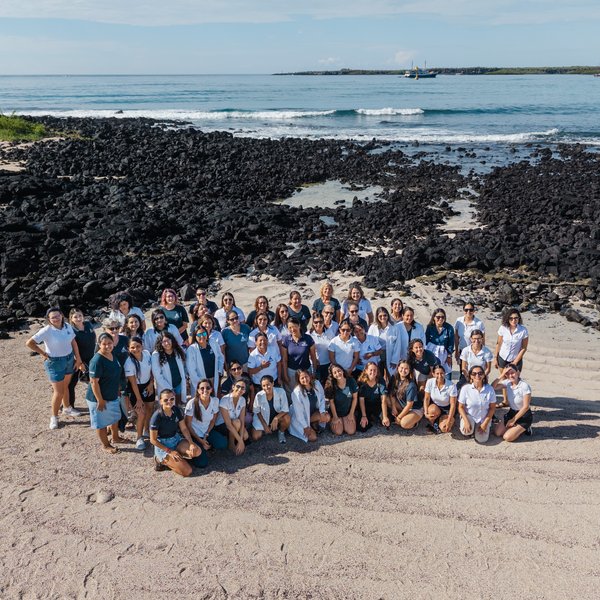
This International Women’s Day, discover how an equity lens is shaping conservation in the Galápagos. From the legacy of pioneering women in science to new research on gender roles in fisheries, the Charles Darwin Foundation highlights why inclusive leadership and gender equity are essential for stronger communities and more effective conservation.
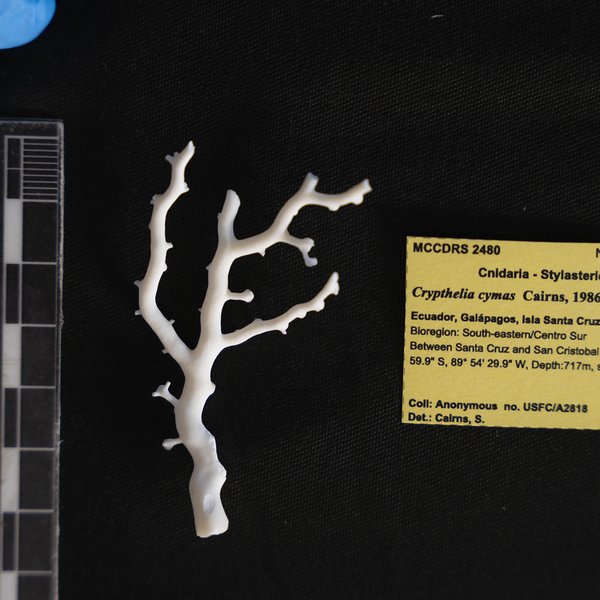
Collected more than 130 years ago, some of the oldest marine specimens from Galápagos are preserved at the Marine Organisms Collection of the Charles Darwin Research Station. These historic corals, gathered during the 1888 Albatross expedition, continue to provide valuable insights into the past and present of Galápagos marine biodiversity, highlighting the importance of scientific collections for research and conservation.
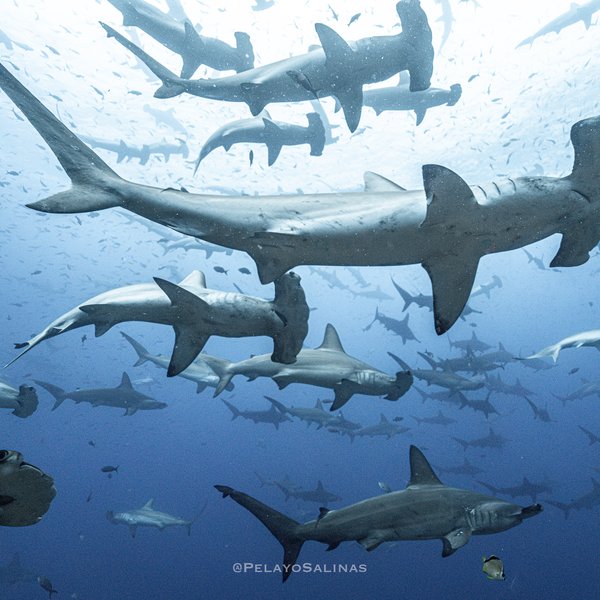
Sharks that migrate across oceans need global cooperation to survive. The Charles Darwin Foundation has joined the CMS Sharks Memorandum of Understanding as a Cooperating Partner, strengthening science-based conservation from Galápagos to the Eastern Tropical Pacific. Discover how this partnership advances research, policy, and collaboration to protect migratory sharks worldwide.
As threats to oceans intensify, bridging science and policy is key to protecting migratory species. This piece explores how UN conventions like CMS translate research into action, spotlighting efforts to uplist the Critically Endangered scalloped hammerhead shark and strengthen international conservation through collaboration, evidence, and policy innovation.
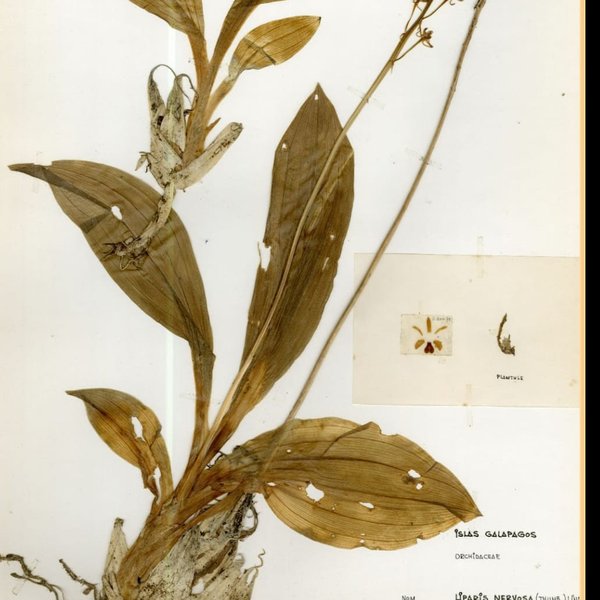
Orchids, art, and perseverance intertwine in this remarkable story of Daniel Weber, a Swiss architect whose passion for botany left a hidden legacy in Galápagos. Decades later, a near-lost orchid collection is rescued against the odds—revealing a powerful journey of science, memory, and the people determined to bring it back.
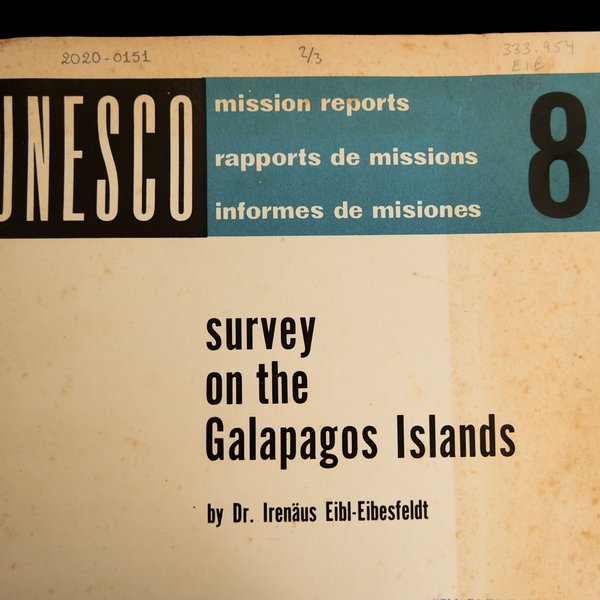
The conservation of Galápagos began in the 1950s, when scientists first raised concerns about threats to the islands’ unique biodiversity. This period led to the creation of the Charles Darwin Foundation and the Galápagos National Park in 1959.
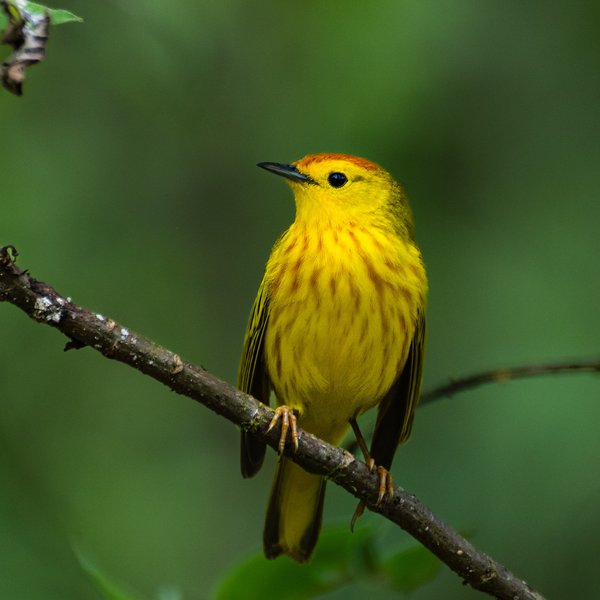
Beneath Galápagos’ iconic birds lies a hidden story of health and survival. A new study reveals the presence of viruses in landbird populations, offering the first baseline of disease risk in these unique species. Discover why monitoring “invisible diseases” is essential to protecting the future of Galápagos biodiversity.
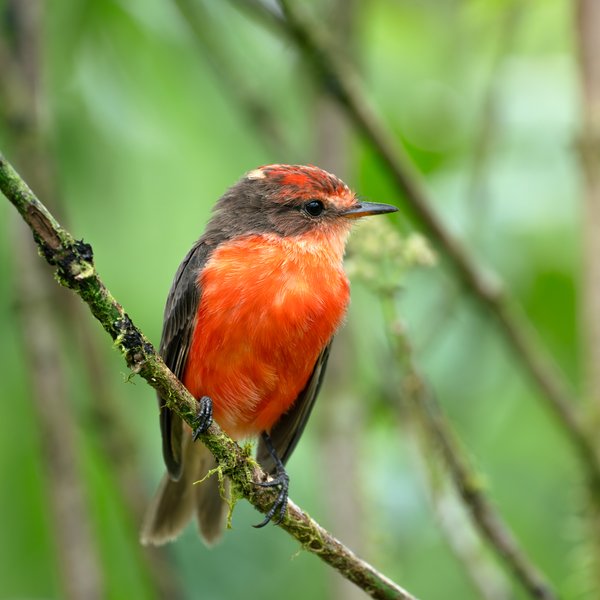
In Santa Cruz highlands, restoring Scalesia forests at Granillo Rojo supports biodiversity recovery, bringing back native plants and birds like the Little Vermilion Flycatcher through sustained, hands-on conservation efforts.
Explore a wealth of resources from the Charles Darwin Foundation available for download. From annual reports to research journals, species identification guides to educational texts like the Galapagos Atlas, our publications provide valuable insights into conservation efforts and biodiversity in the Galapagos Islands. Dive into our comprehensive collection today!
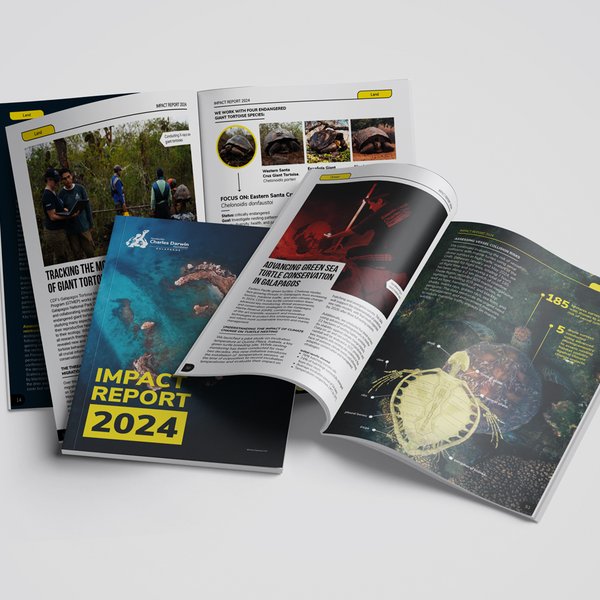
Discover how the Charles Darwin Foundation makes a positive impact on Galapagos conservation through our annual reports.