Results
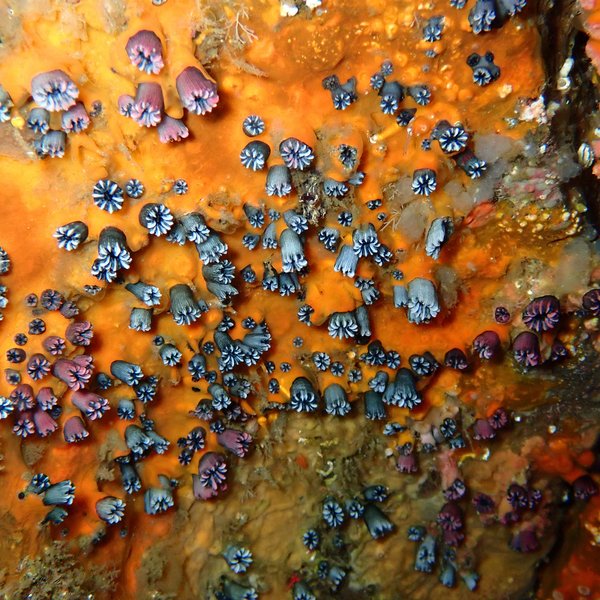
A scientific team led by the Charles Darwin Foundation (CDF) and the California Academy of Sciences (CAS), in collaboration with the Galapagos National Park Directorate (GNPD) has confirmed that Rhizopsammia wellingtoni—a solitary coral thought to be lost for a generation— is alive and clinging to Galapagos’ underwater cliffs.
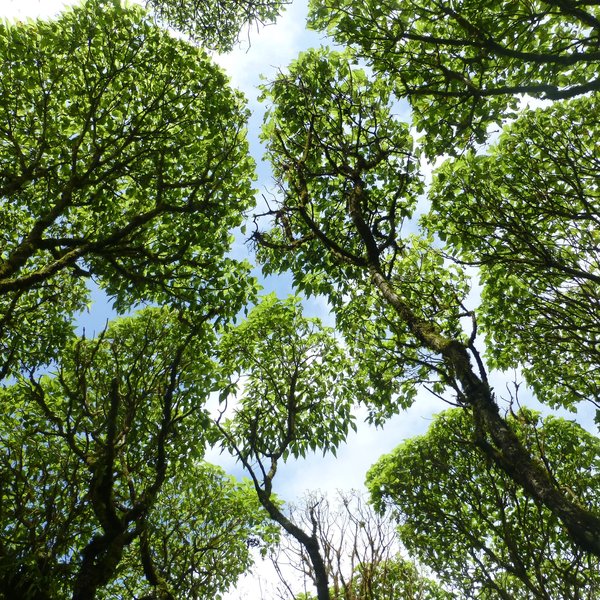
Scalesia forests once thrived on the Galapagos Islands, forming a unique humid ecosystem for plants, insects, giant tortoises and birds. Today, only 1% of the forests’ original distribution remains, with several endemic species, including the Scalesia themselves, struggling to survive. We are working to restore this important habitat and given the rapid rate of forest loss, it is a race against time.
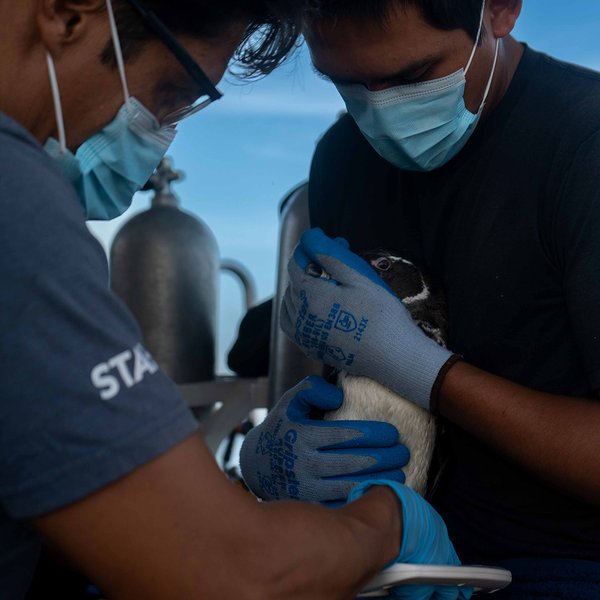
The Galapagos Islands are home to species so unique they exist nowhere else on Earth. Among these are the Galápagos penguin and the flightless cormorant, evolutionary wonders that have adapted to thrive in these remote habitats. But these incredible creatures face mounting challenges from climate change, diseases and invasive species. Protecting them is no easy feat—it takes dedication, resources, scientific knowledge, and action.
The Galapagos Islands are home to species so unique they exist nowhere else on Earth. Among these are the Galápagos penguin and the flightless cormorant, evolutionary wonders that have adapted to thrive in these remote habitats. But these incredible creatures face mounting challenges from climate change, diseases and invasive species. Protecting them is no easy feat—it takes dedication, resources, scientific knowledge, and action.
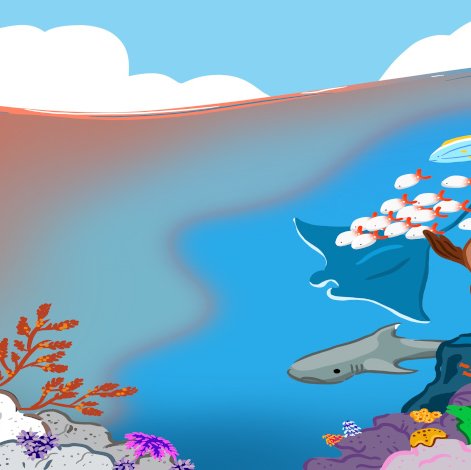

The Eastern Tropical Pacific conceals extraordinary, vast deep-ocean ecosystems, plunging from oceanic islands to depths of 3,800 meter, most of which remain largely unexplored, presenting real challenges for effective protection and management. Despite their significance, these ecosystems are poorly understood and subject to persistent threats, including overfishing, climate change, pollution, and the prospect for deep-sea mining.
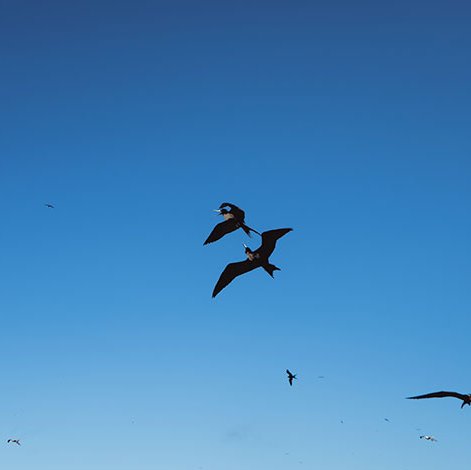
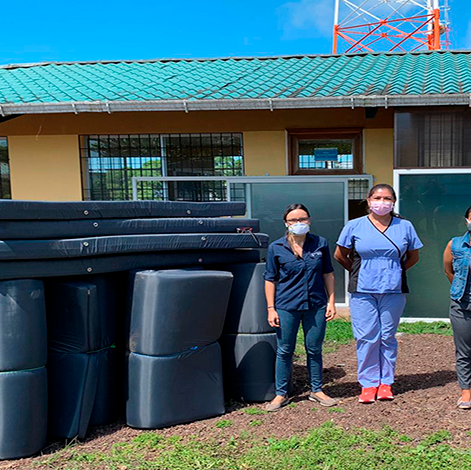
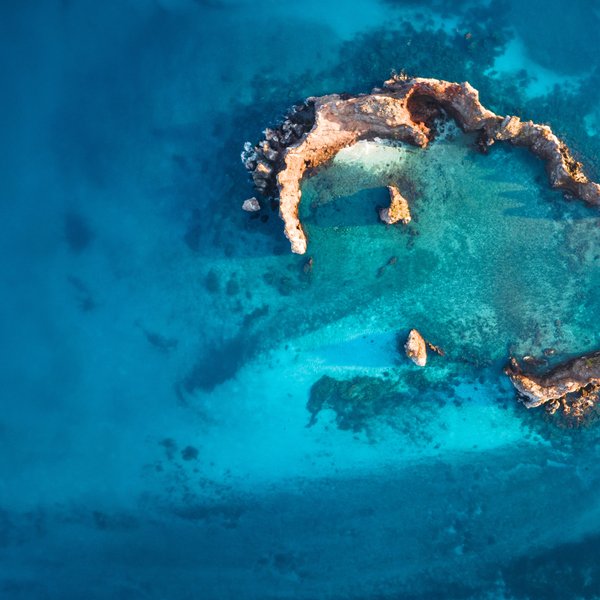
From the Galapagos, the Charles Darwin Foundation issues a science-driven manifesto to UNOC 3 delegates, pressing for robust global policies that conserve marine biodiversity, stop IUU fishing, enforce sustainable tourism, and spark regenerative blue economies that secure ocean health and human prosperity.
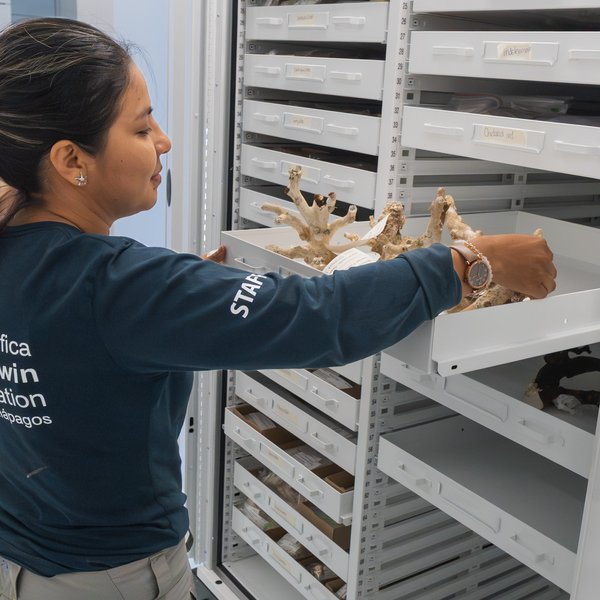
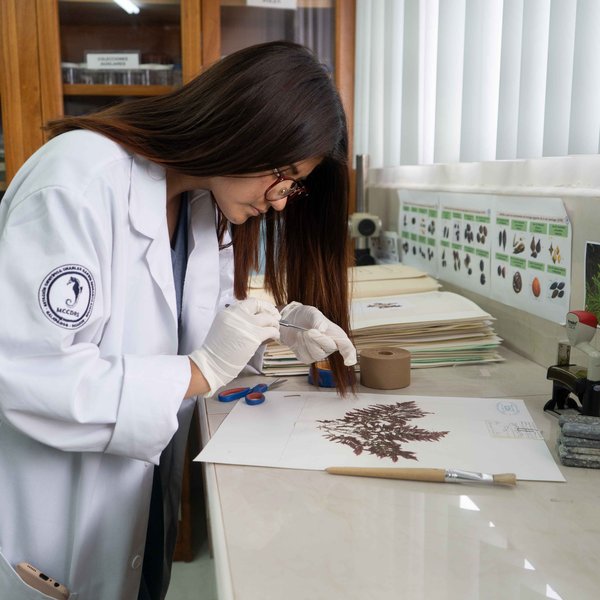
The Charles Darwin Foundation is home to the largest Natural History Collections of endemic, native and introduced species of Galapagos in Ecuador, with more than 135,000 specimens and 7,500 species across four Collections: Marine, Vertebrate, Terrestrial Invertebrate and a Herbarium.
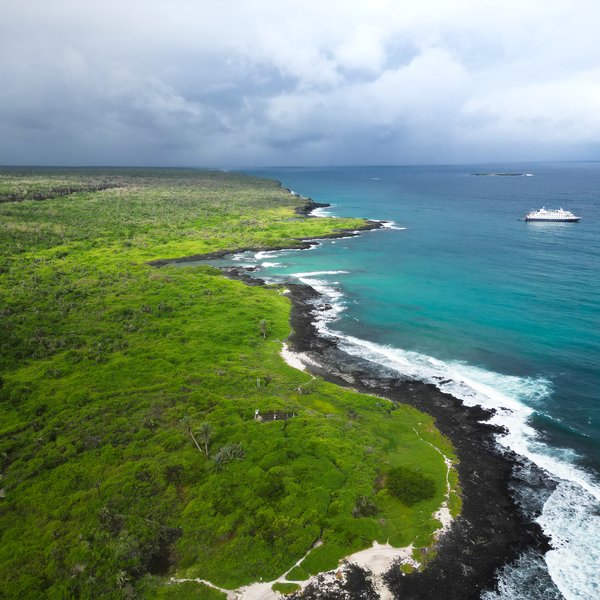
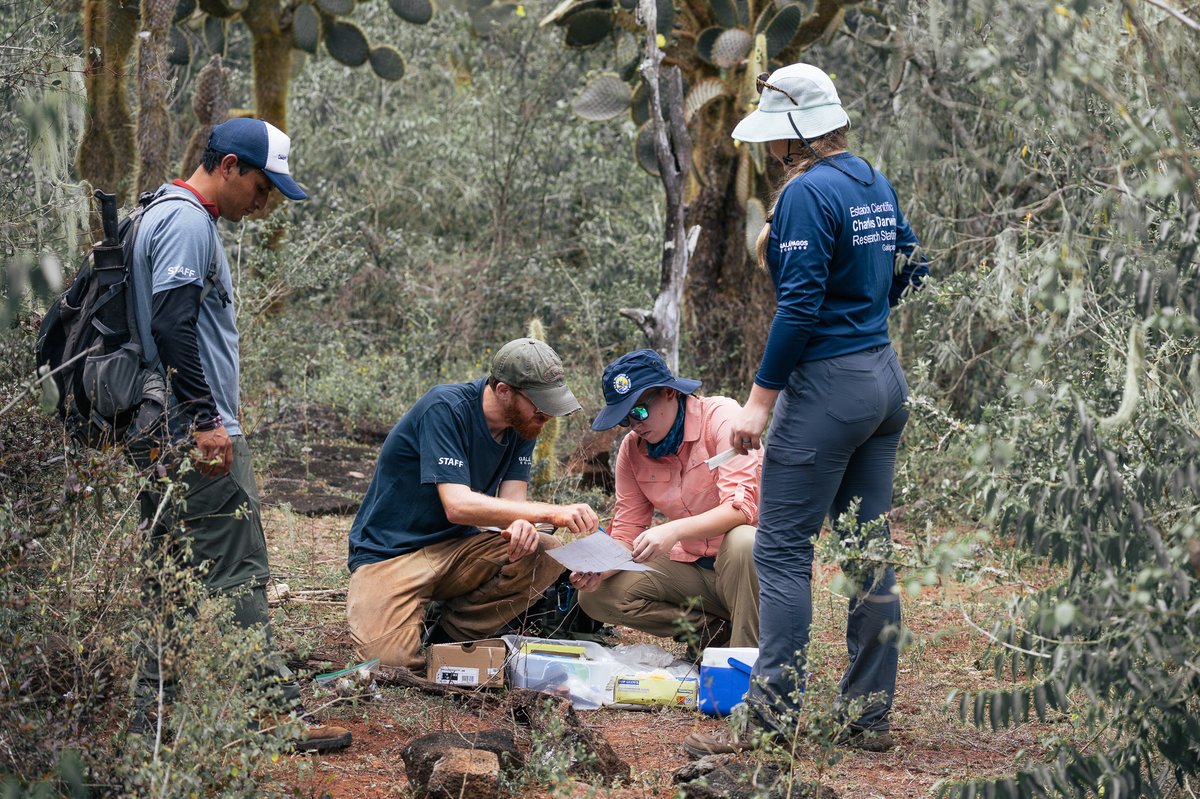
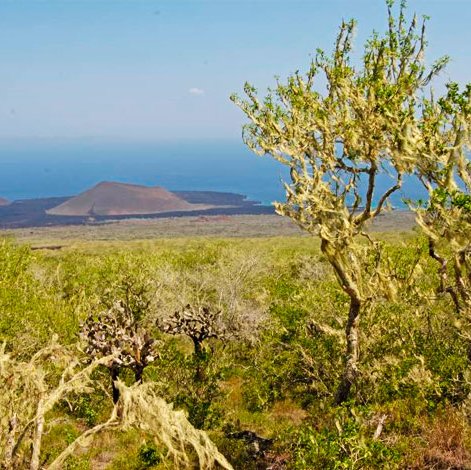
The Charles Darwin Foundation (CDF) is pleased to announce that 16 individuals of the rare plant Scalesia retroflexa were found growing on the steep, rocky coastal slopes of the southeastern point of Santa Cruz Island. Scientists from CDF’s Galapagos Verde 2050 ecological restoration team, in collaboration with rangers from the Galapagos National Park Directorate (GNPD), made this discovery during a recent expedition, renewing hope for the survival of this endemic species.
The Charles Darwin Foundation (CDF) is pleased to announce that 16 individuals of the rare plant Scalesia retroflexa were found growing on the steep, rocky coastal slopes of the southeastern point of Santa Cruz Island. Scientists from CDF’s Galapagos Verde 2050 ecological restoration team, in collaboration with rangers from the Galapagos National Park Directorate (GNPD), made this discovery during a recent expedition, renewing hope for the survival of this endemic species.
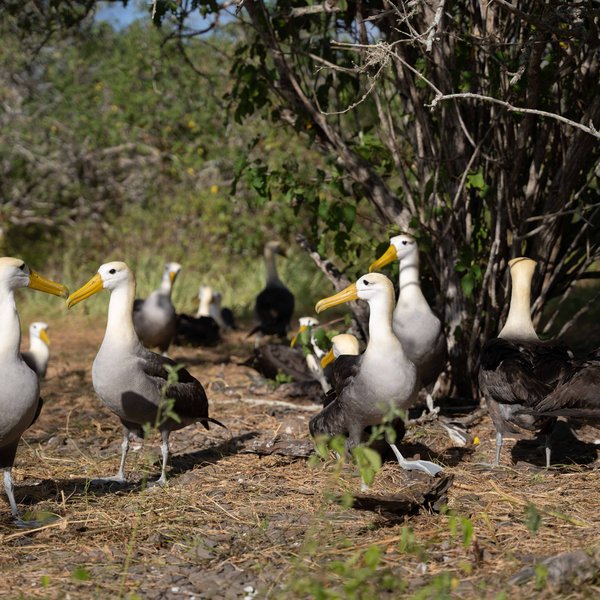
Lessons from the Field: A Five-Day Expedition with Galapagos Waved Albatross on Española Island
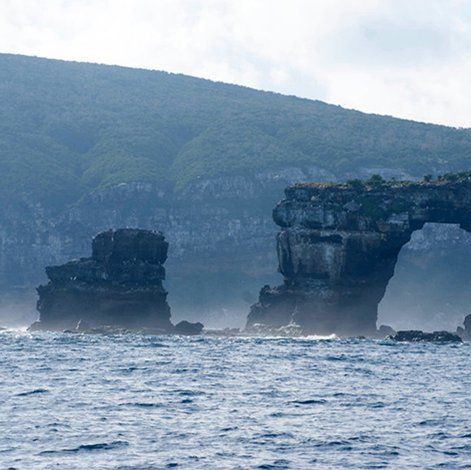
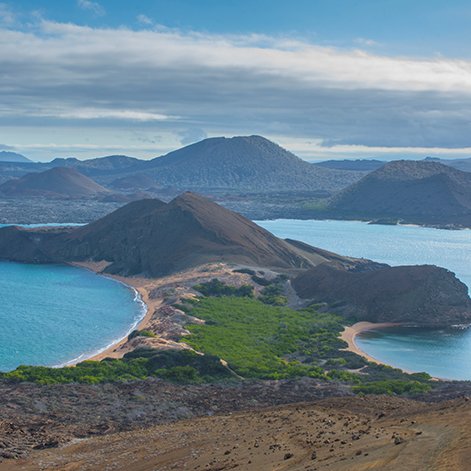
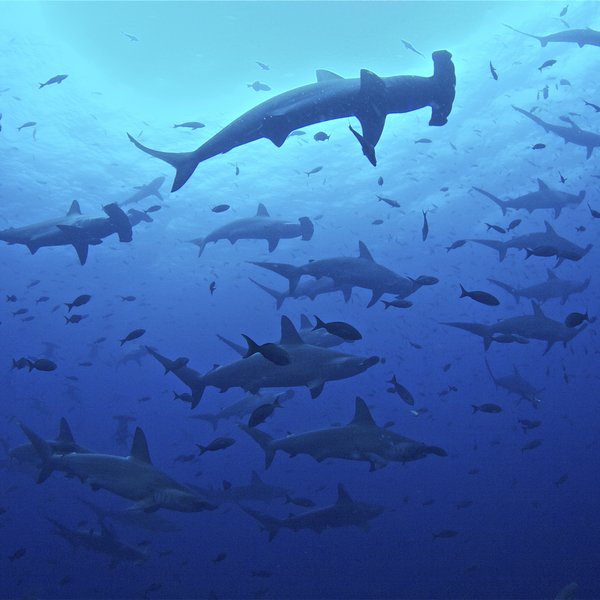
From the heart of the Galapagos, discover how science, community, and conservation unite to protect sharks, turtles, seabirds, and more. Explore the threats, the efforts, and how you can help safeguard our shared blue planet.