Results
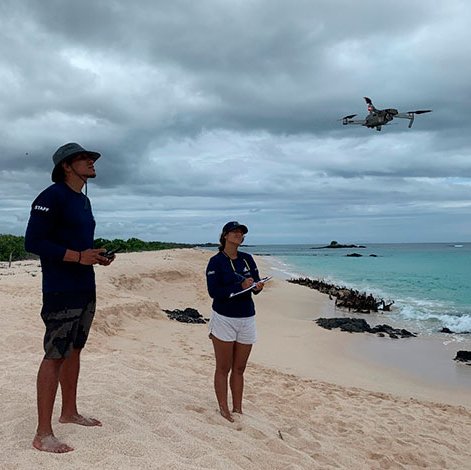
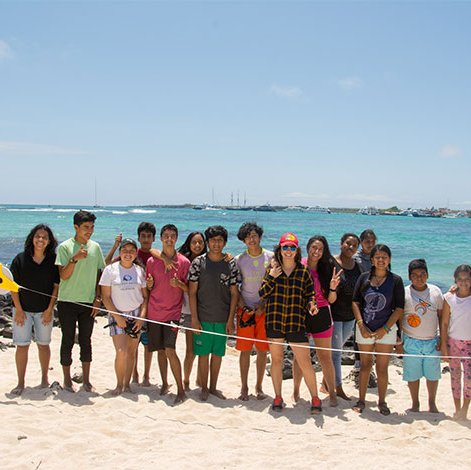
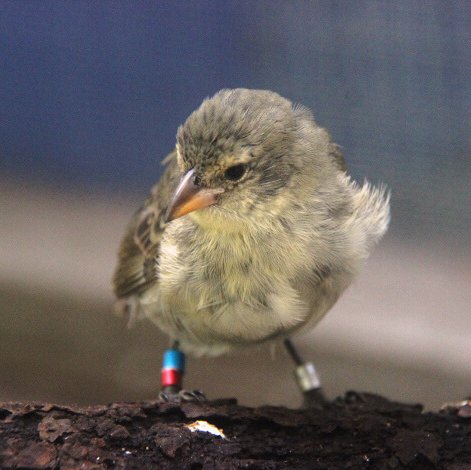
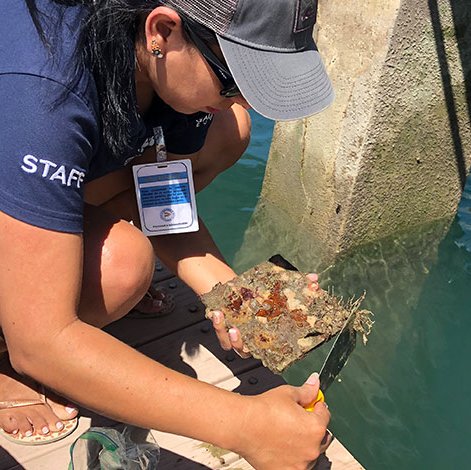
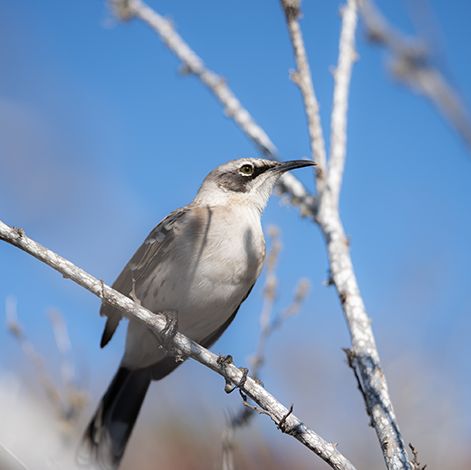

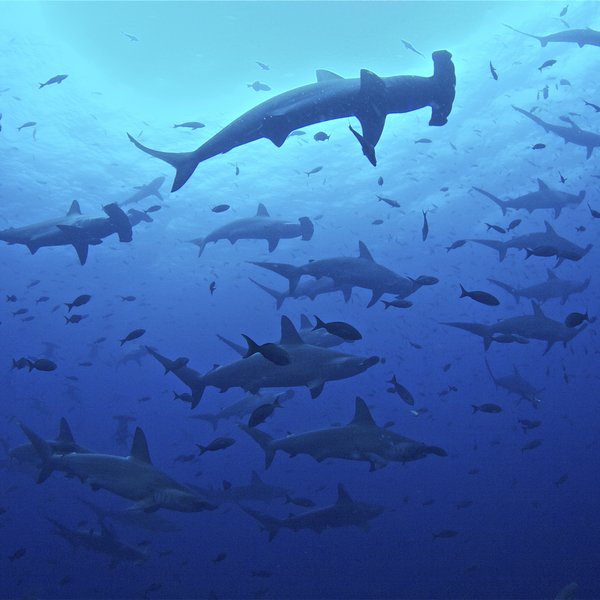
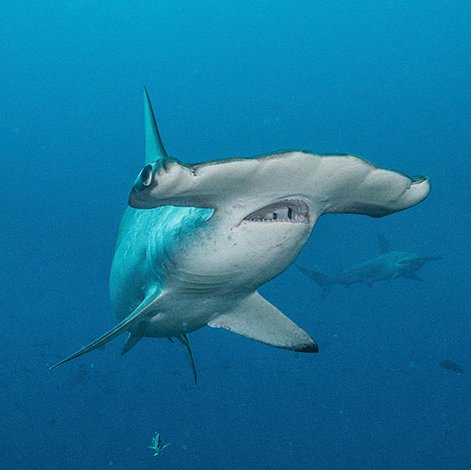
From the heart of the Galapagos, discover how science, community, and conservation unite to protect sharks, turtles, seabirds, and more. Explore the threats, the efforts, and how you can help safeguard our shared blue planet.
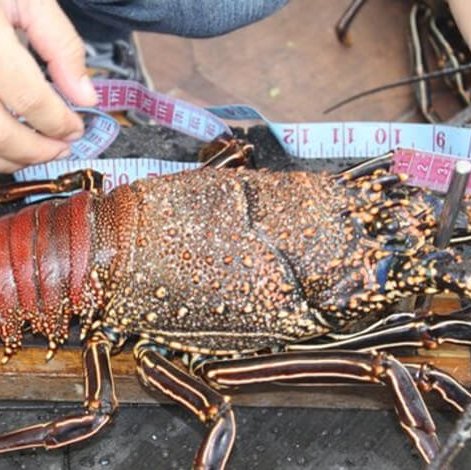
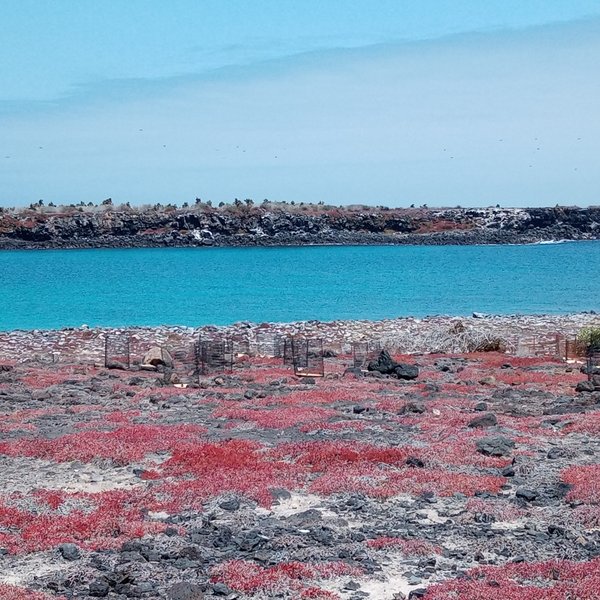
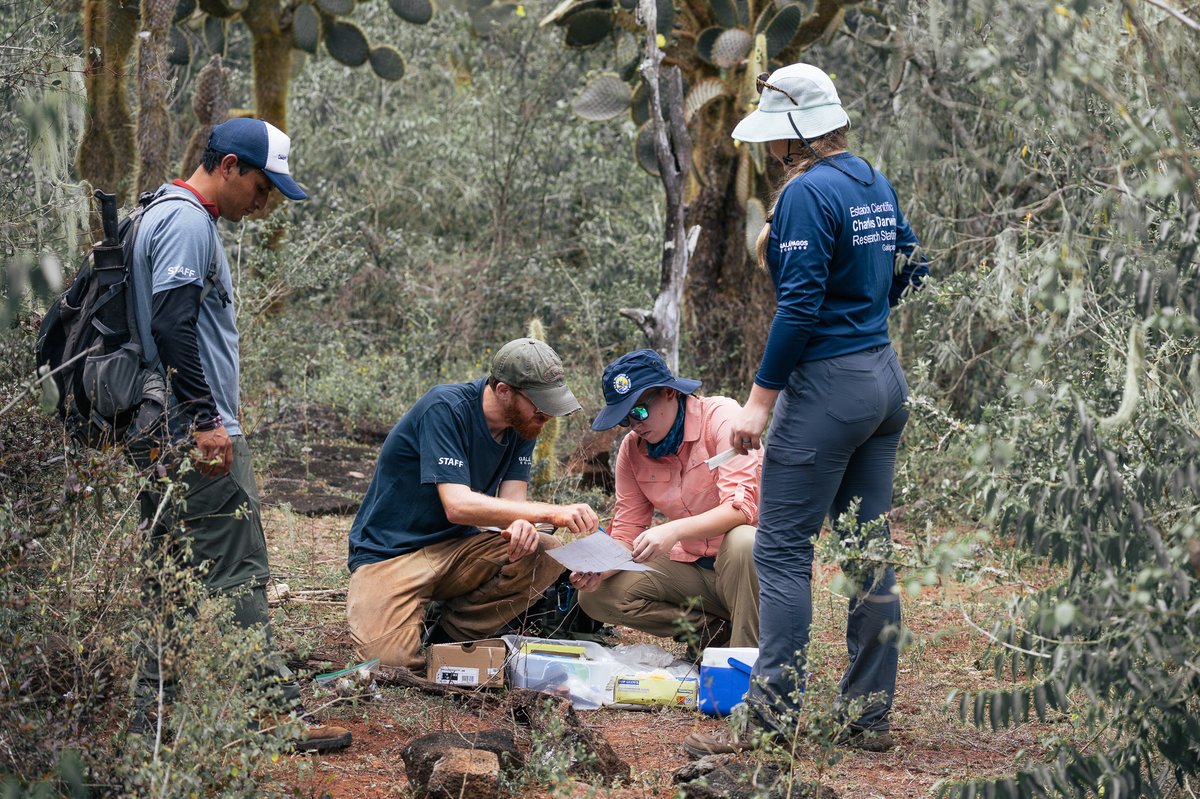
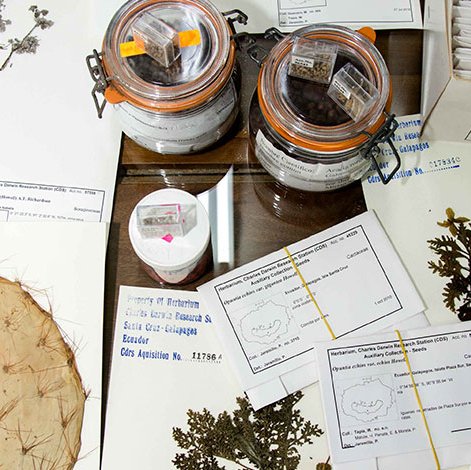
After nearly 70 years, the Opuntia echios cactus is naturally regenerating on Plaza Sur. This milestone marks a triumph for the Galápagos Verde 2050 program’s decade-long restoration efforts. Discover how science, teamwork, and innovation are helping revive a fragile island ecosystem—one cactus at a time. Read the full story.
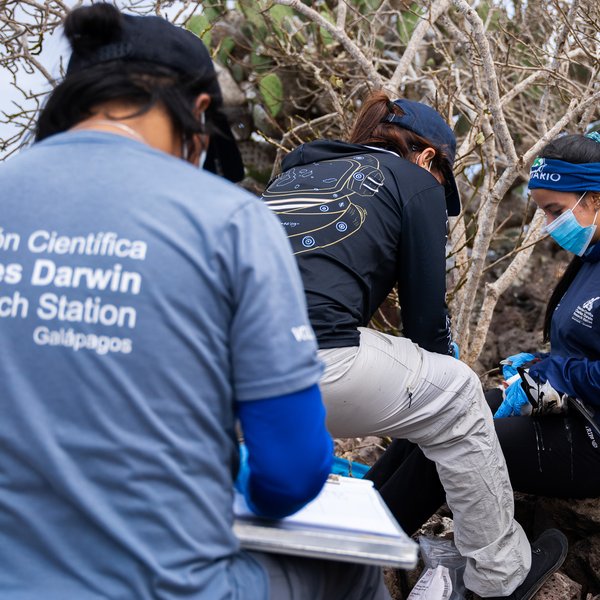
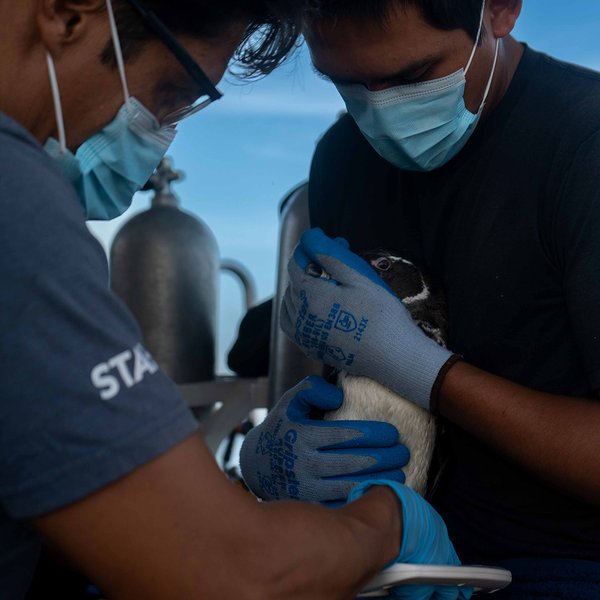
The Marine Bird Conservation Program combines science and passion to protect one of the rarest penguin species on Earth. By studying population trends, survival rates, and behavior, researchers at the Charles Darwin Foundation (CDF) use innovative methods like photo identification and PIT-tags to monitor individuals with minimal disturbance. This research not only deepens our understanding of these endangered birds but also highlights their role as indicators of marine ecosystem health. With fewer than 2,000 individuals left, urgent conservation actions are needed. Join the effort—adopt a penguin and support their protection!

The Galapagos Islands are home to species so unique they exist nowhere else on Earth. Among these are the Galápagos penguin and the flightless cormorant, evolutionary wonders that have adapted to thrive in these remote habitats. But these incredible creatures face mounting challenges from climate change, diseases and invasive species. Protecting them is no easy feat—it takes dedication, resources, scientific knowledge, and action.