Results
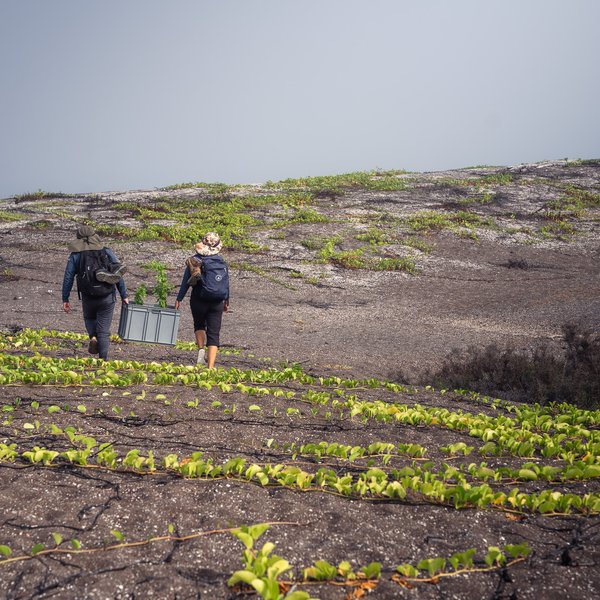
Once on the brink of extinction, the Galápagos snapdragon (Galvezia leucantha) is showing encouraging signs of recovery after 30 years of conservation. From just six surviving plants to 28 adults today, science, restoration and collaboration are helping bring this critically endangered species back to its historic habitat. Discover its remarkable journey.
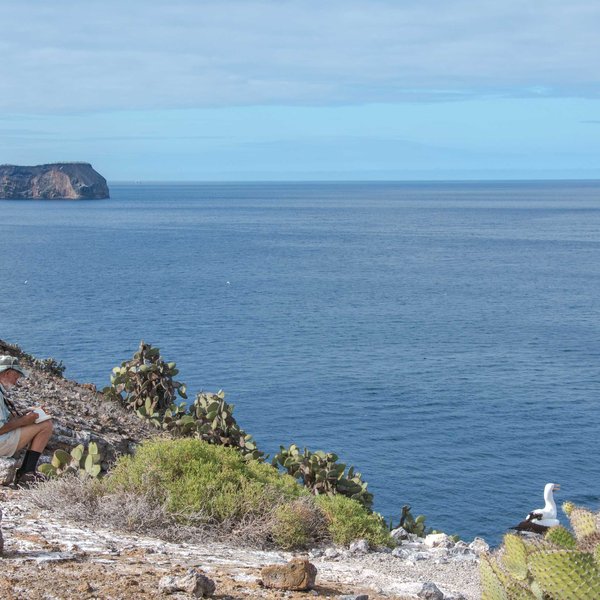
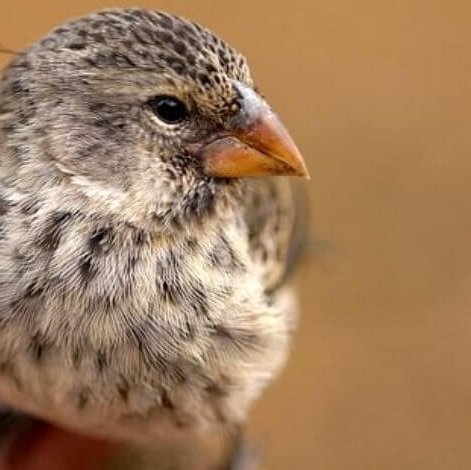
In 1973, evolutionary scientists Peter Grant and Rosemary Grant began a research project in the Galápagos Islands that would permanently change the modern understanding of evolution.
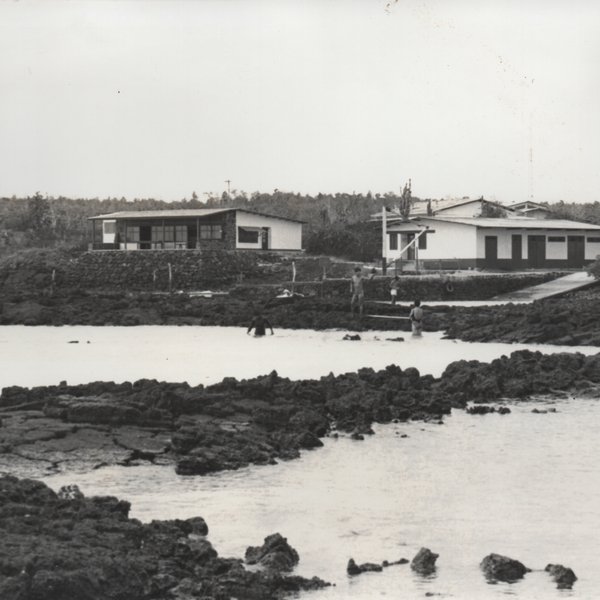
In 1985, the Charles Darwin Foundation created the Darwin Scientific Foundation in the United States to manage an endowment built with The Nature Conservancy and the Smithsonian. It allowed American donors to make tax-deductible contributions and gave scientific work in Galápagos stable, long-term funding that still endures four decades later.
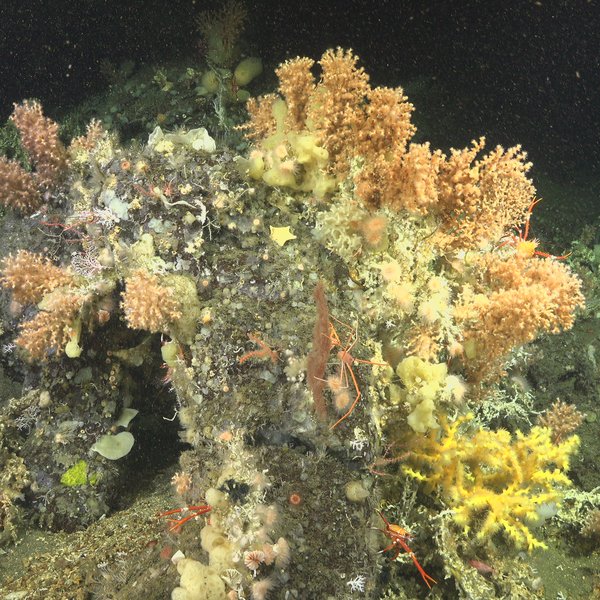
Scientists have uncovered a hidden collapse of Galápagos deep-sea corals, revealing a 1,000-year disappearance linked to ancient climate shifts. By reconstructing 117,000 years of ocean history, the study exposes the vulnerability—and resilience—of these unseen ecosystems, offering urgent insights into how climate change could reshape life in the deep ocean.
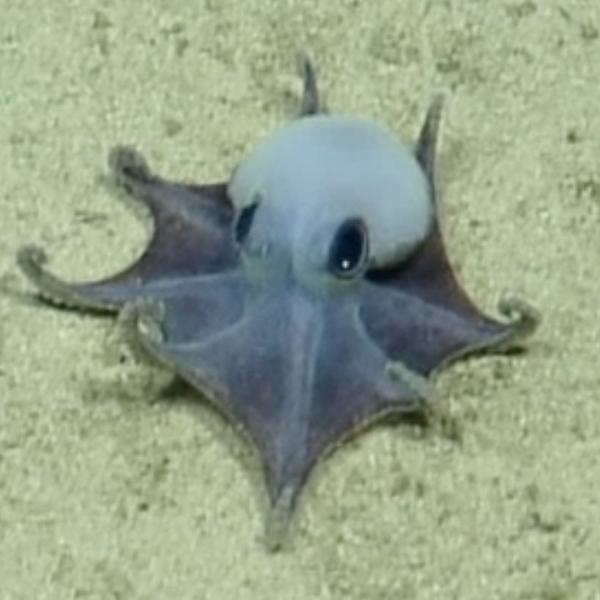
A tiny blue octopus discovered nearly 6,000 feet beneath the waters of Galápagos is rewriting what scientists know about deep-sea life. From a chance encounter during an underwater expedition to cutting-edge CT scans revealing a species never seen before, this remarkable discovery highlights the mysteries still hidden in Earth’s oceans.
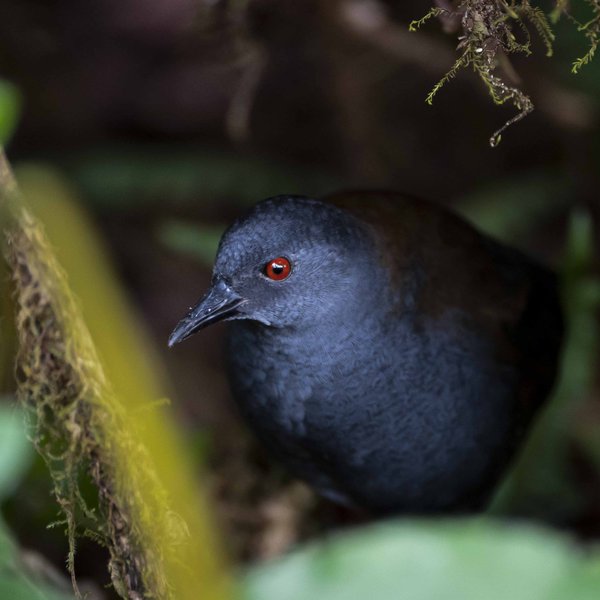
The Galapagos Rail (Laterallus spilonota) has been confirmed on Floreana Island for the first time in 190 years. This follows a 2023 eradication campaign that removed most invasive cats and rats, likely aiding its survival. Researchers will conduct genetic testing to determine if the species recolonized or persisted undetected.
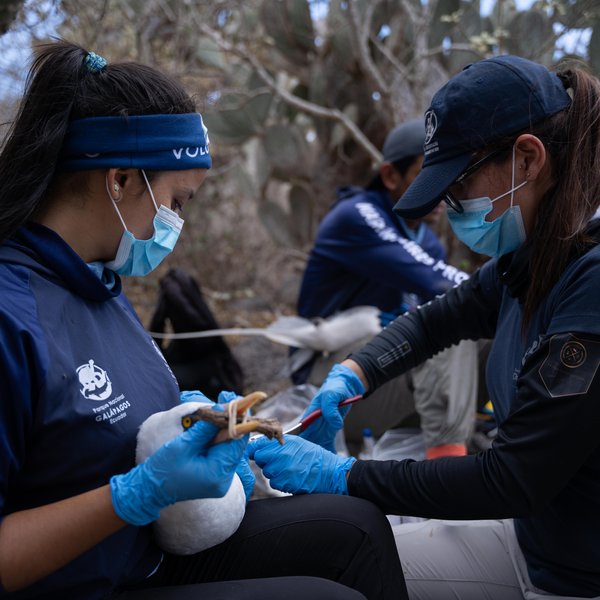
Andrea Daniela Coloma is a marine bird researcher and devoted mother of two, proving that science and motherhood can thrive side by side. Discover how her passion for conservation, rooted in the Galapagos, intersects with family life—and how the Charles Darwin Foundation supports this meaningful balance. Read her story.
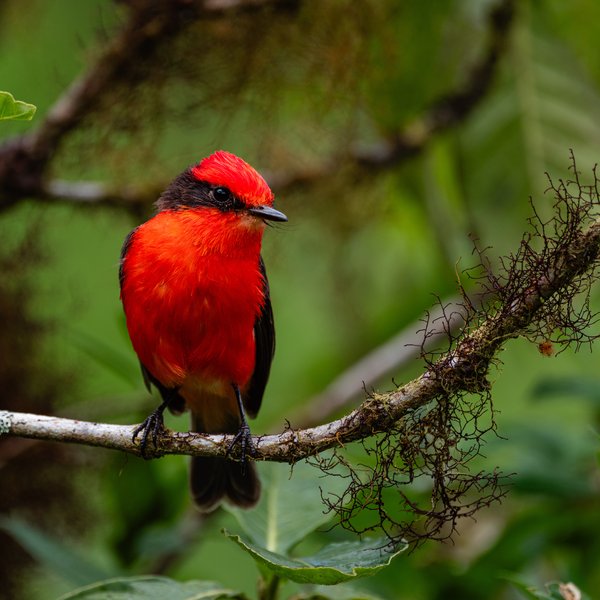
New DNA research reveals that Galápagos Vermilion Flycatchers are not one species, but a mosaic of long-isolated island lineages. By uncovering hidden genetic diversity, scientists are reshaping conservation priorities and taxonomic understanding—find out how evolution, extinction, and restoration efforts intersect across the archipelago.
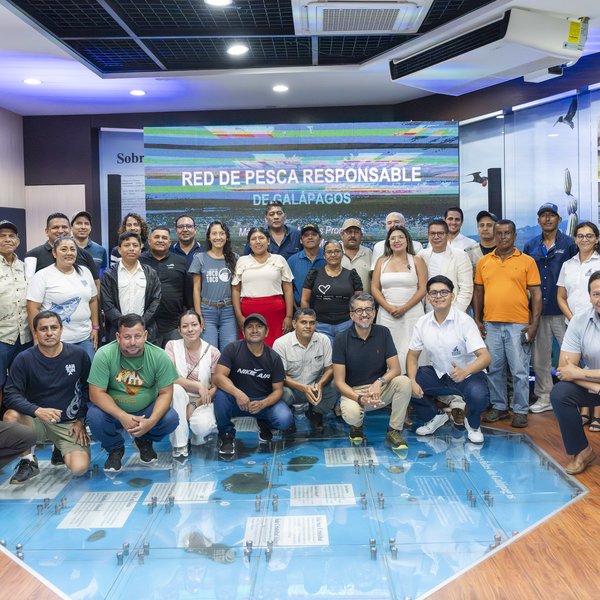
The Galápagos Responsible Fishing Network brings together artisanal fishers, conservation organizations, scientists, and private-sector partners to promote sustainable fishing practices, traceability, and responsible markets. Through technology, collaboration, and transparency, the initiative strengthens local capacities while supporting marine conservation, sustainable fisheries, and community well-being.
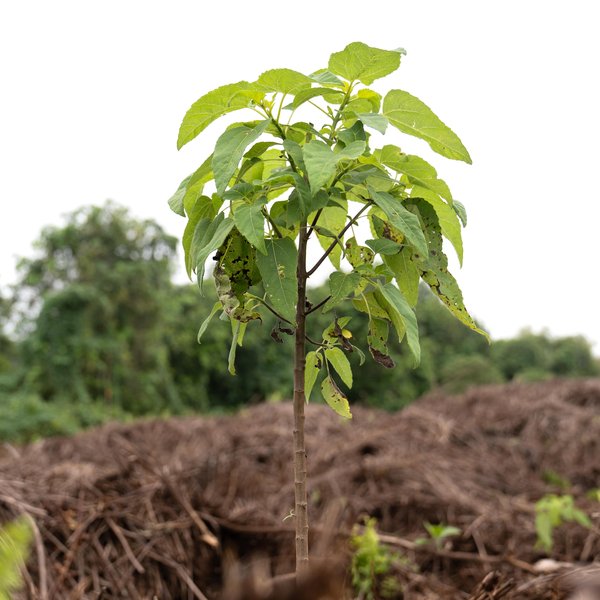
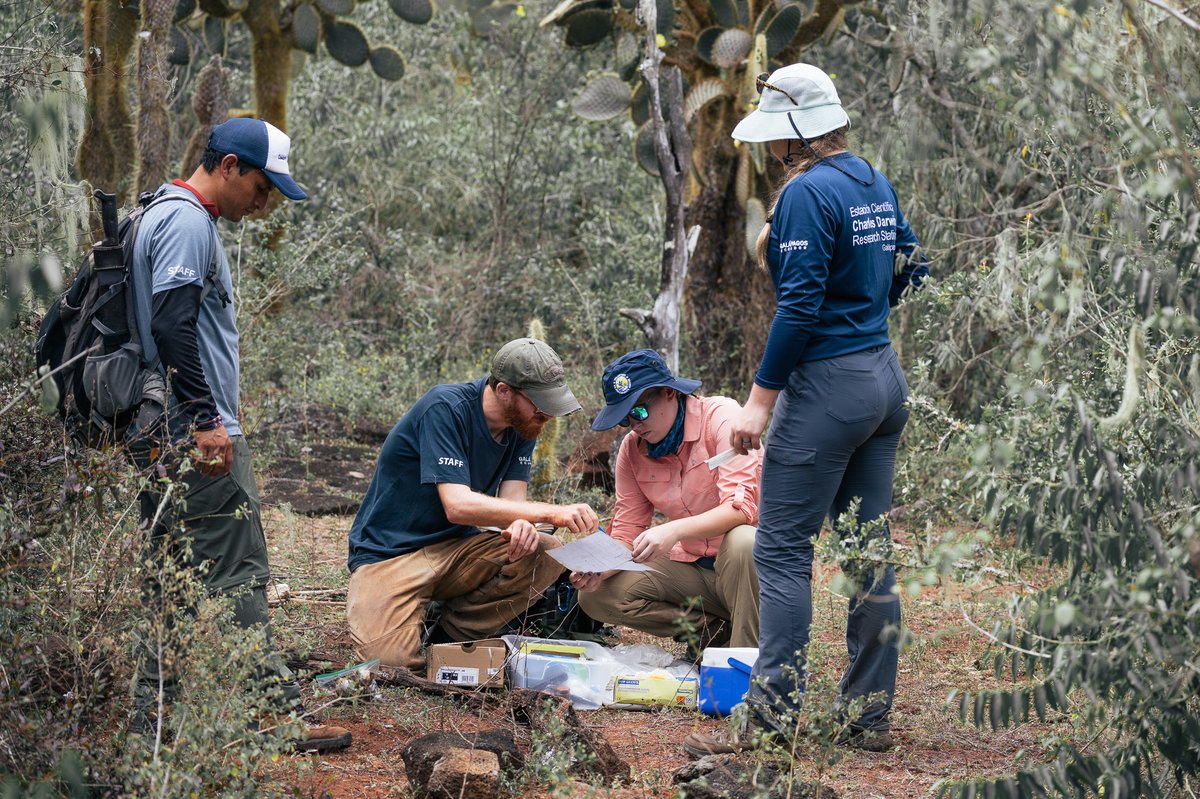
Park rangers from the Galapagos National Park Directorate (GNPD), in collaboration with scientists from the Charles Darwin Foundation (CDF), have discovered two new areas of Scalesia cordata on Sierra Negra volcano, located in southern Isabela Island. This discovery marks a significant milestone in the ongoing efforts to preserve this critically endangered species, which has seen its natural habitat severely reduced.
Park rangers from the Galapagos National Park Directorate (GNPD), in collaboration with scientists from the Charles Darwin Foundation (CDF), have discovered two new areas of Scalesia cordata on Sierra Negra volcano, located in southern Isabela Island. This discovery marks a significant milestone in the ongoing efforts to preserve this critically endangered species, which has seen its natural habitat severely reduced.


The woodpecker finch of San Cristobal has been identified as a potential new species (Camarhynchus striatipecta), according to groundbreaking research just published in the Zoological Journal of the Linnean Society. Previously considered one of three subspecies of the woodpecker finch (Camarhynchus pallidus), this population is now identified as a genetically distinct lineage. These findings mark a significant revision to the taxonomy of Darwin’s tree finches and scientists propose C. striatipecta as a newly recognized species.
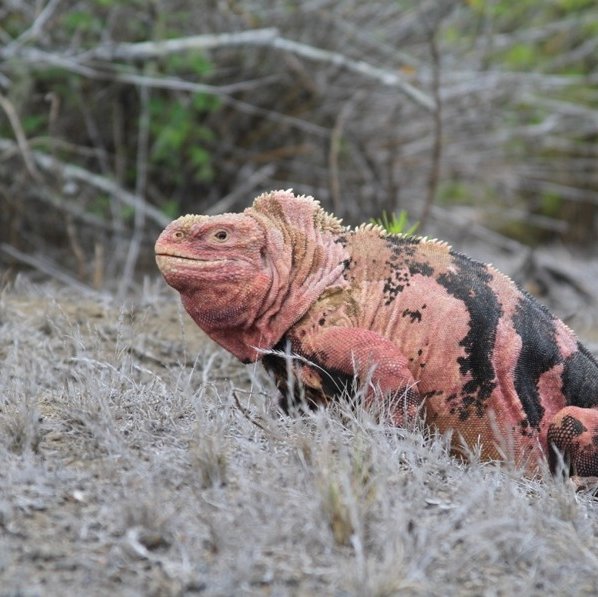
Scientists Discover a Novel Herpesvirus in Galapagos Pink Land Iguana
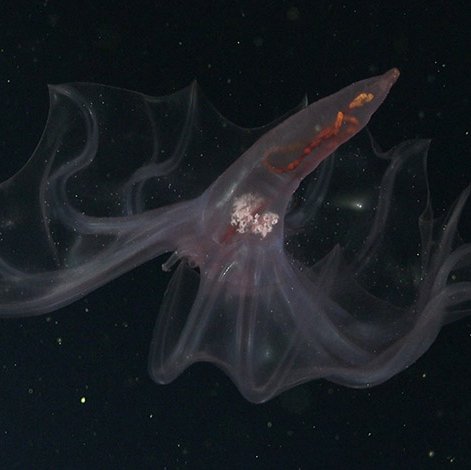
New Initiative Launches to Support Deep Ocean Exploration and Conservation in Galapagos and the Eastern Tropical Pacific