Results
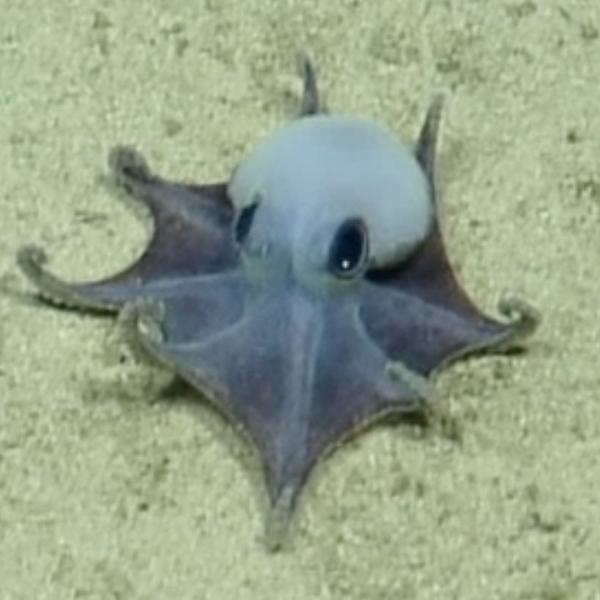
A tiny blue octopus discovered nearly 6,000 feet beneath the waters of Galápagos is rewriting what scientists know about deep-sea life. From a chance encounter during an underwater expedition to cutting-edge CT scans revealing a species never seen before, this remarkable discovery highlights the mysteries still hidden in Earth’s oceans.
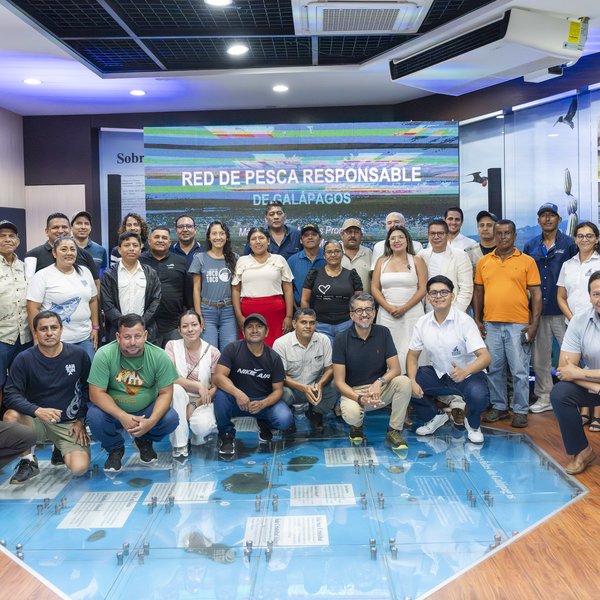
The Galápagos Responsible Fishing Network brings together artisanal fishers, conservation organizations, scientists, and private-sector partners to promote sustainable fishing practices, traceability, and responsible markets. Through technology, collaboration, and transparency, the initiative strengthens local capacities while supporting marine conservation, sustainable fisheries, and community well-being.
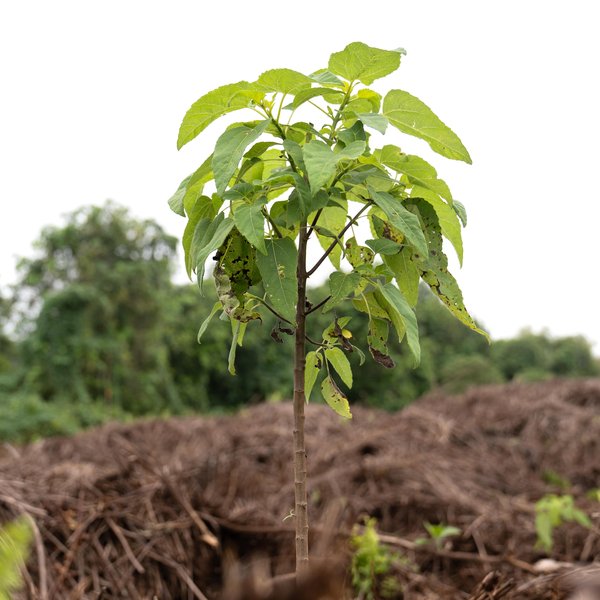
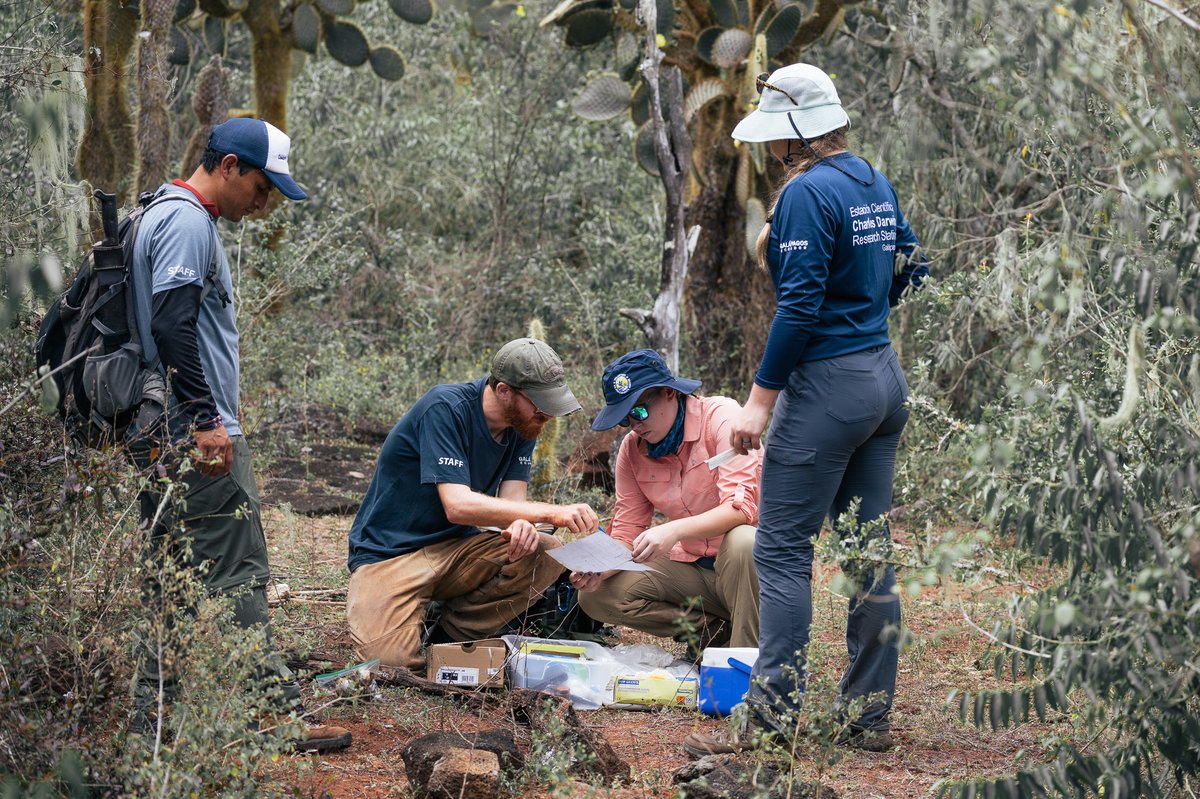
Park rangers from the Galapagos National Park Directorate (GNPD), in collaboration with scientists from the Charles Darwin Foundation (CDF), have discovered two new areas of Scalesia cordata on Sierra Negra volcano, located in southern Isabela Island. This discovery marks a significant milestone in the ongoing efforts to preserve this critically endangered species, which has seen its natural habitat severely reduced.
Park rangers from the Galapagos National Park Directorate (GNPD), in collaboration with scientists from the Charles Darwin Foundation (CDF), have discovered two new areas of Scalesia cordata on Sierra Negra volcano, located in southern Isabela Island. This discovery marks a significant milestone in the ongoing efforts to preserve this critically endangered species, which has seen its natural habitat severely reduced.
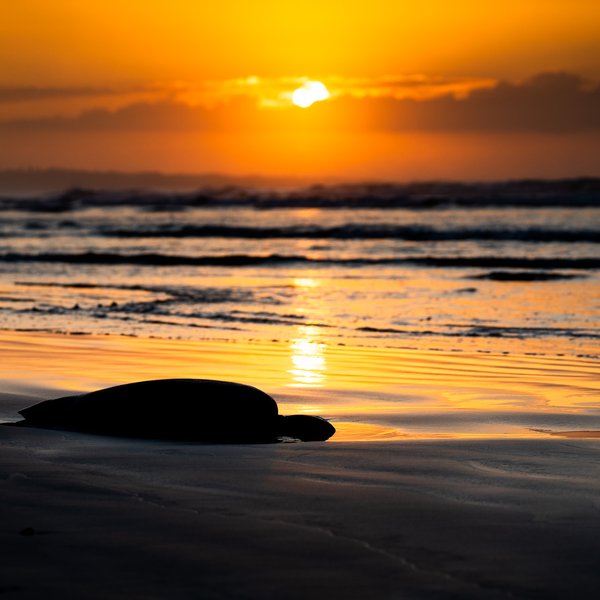

The woodpecker finch of San Cristobal has been identified as a potential new species (Camarhynchus striatipecta), according to groundbreaking research just published in the Zoological Journal of the Linnean Society. Previously considered one of three subspecies of the woodpecker finch (Camarhynchus pallidus), this population is now identified as a genetically distinct lineage. These findings mark a significant revision to the taxonomy of Darwin’s tree finches and scientists propose C. striatipecta as a newly recognized species.
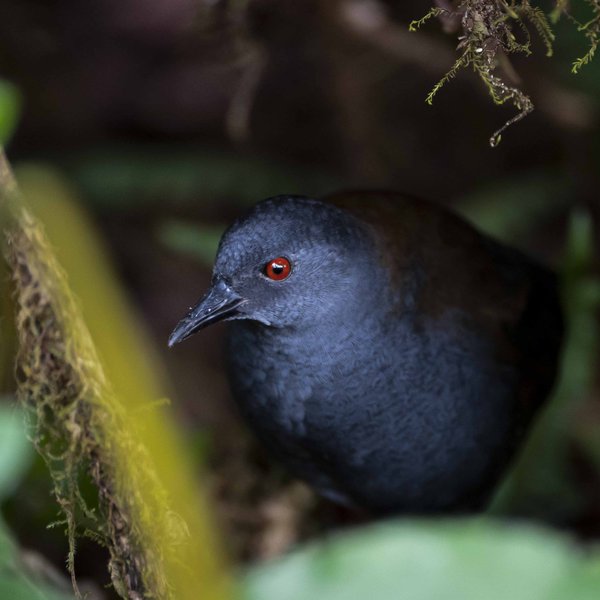
The Galapagos Rail (Laterallus spilonota) has been confirmed on Floreana Island for the first time in 190 years. This follows a 2023 eradication campaign that removed most invasive cats and rats, likely aiding its survival. Researchers will conduct genetic testing to determine if the species recolonized or persisted undetected.
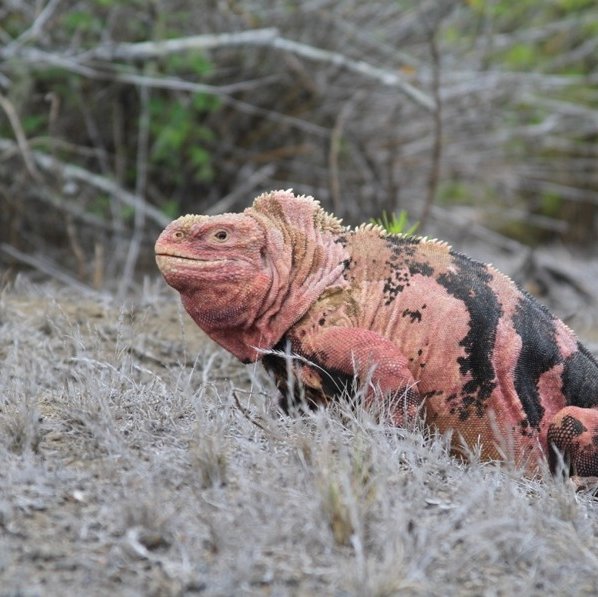
Scientists Discover a Novel Herpesvirus in Galapagos Pink Land Iguana
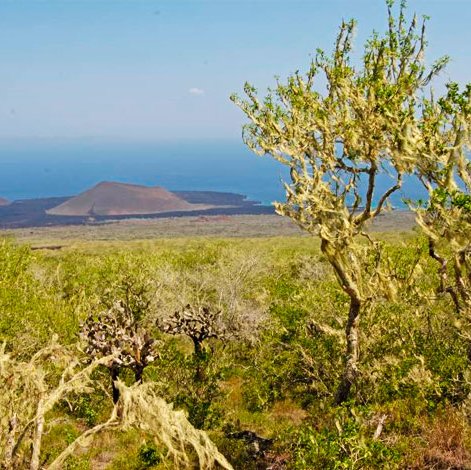
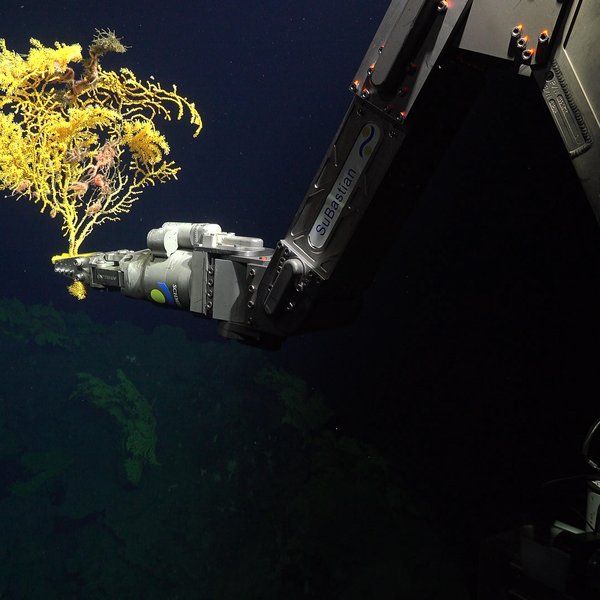
Discover the New Regional Partnership for Deep Ocean Exploration in the Eastern Tropical Pacific
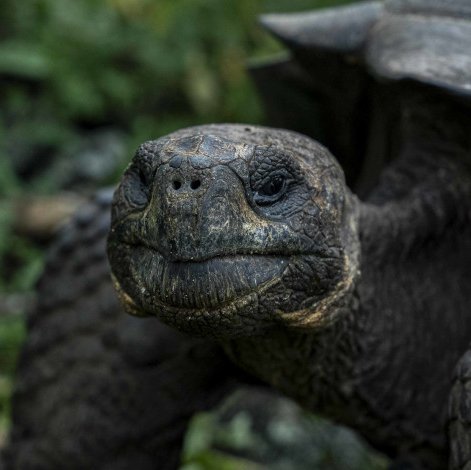
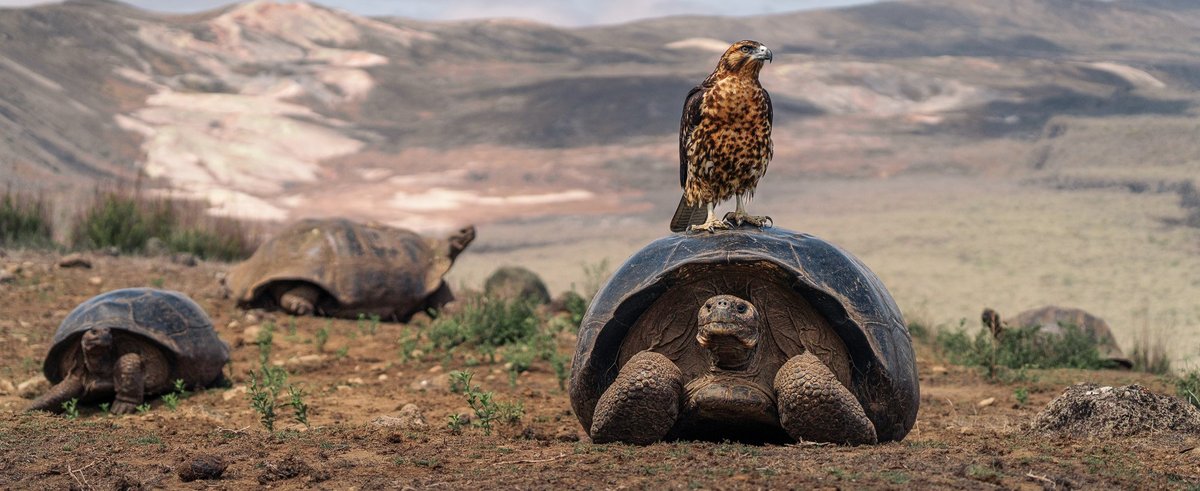
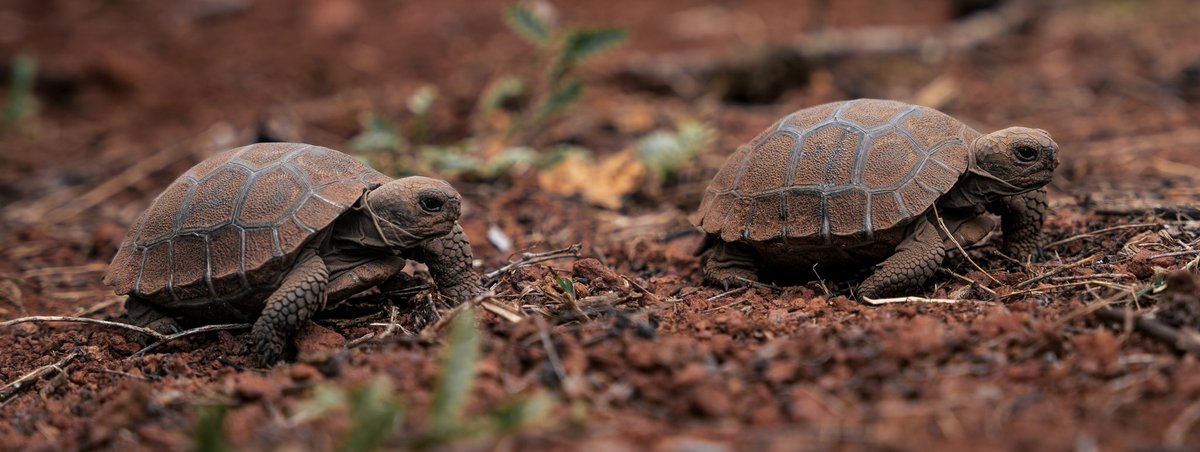
Two groundbreaking studies led by Stephen Blake, Ph.D., assistant professor of biology at Saint Louis University and Sharon L. Deem, DVM, Director of Saint Louis Zoo Institute for Conservation Medicine, in collaboration with the Charles Darwin Foundation (CDF) and teams of multidisciplinary scientists shed light on crucial aspects of the conservation of two critically endangered giant tortoise species endemic to the Island of Santa Cruz, Chelonoidis porteri and Chelonoidis donfaustoi. Both studies offer valuable insights into the challenges these emblematic species face and the strategies needed to ensure their survival in the face of potential future habitat alteration and climate change.
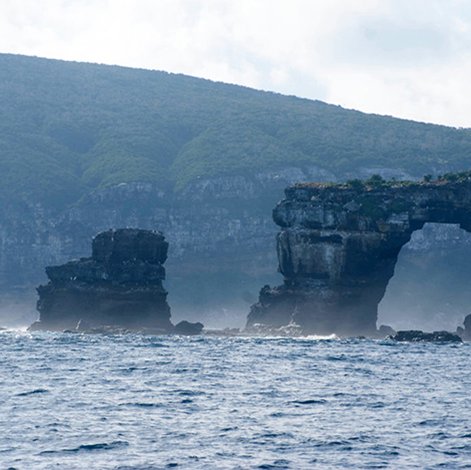
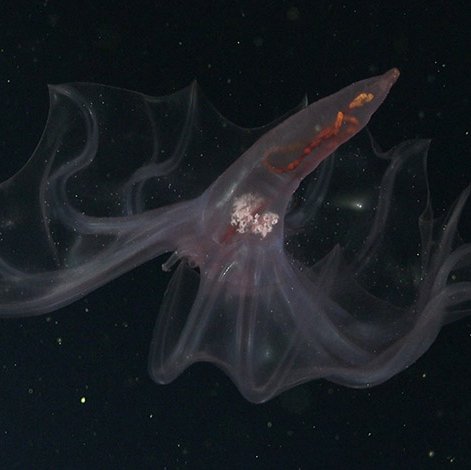
New Initiative Launches to Support Deep Ocean Exploration and Conservation in Galapagos and the Eastern Tropical Pacific
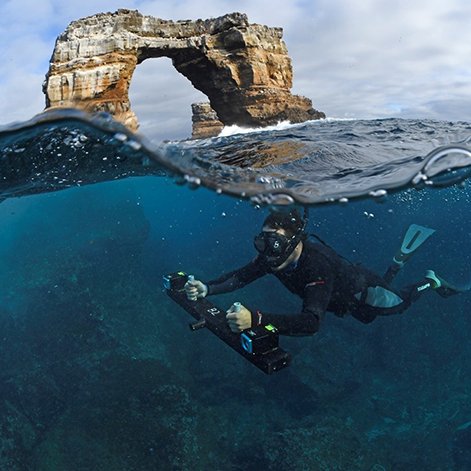
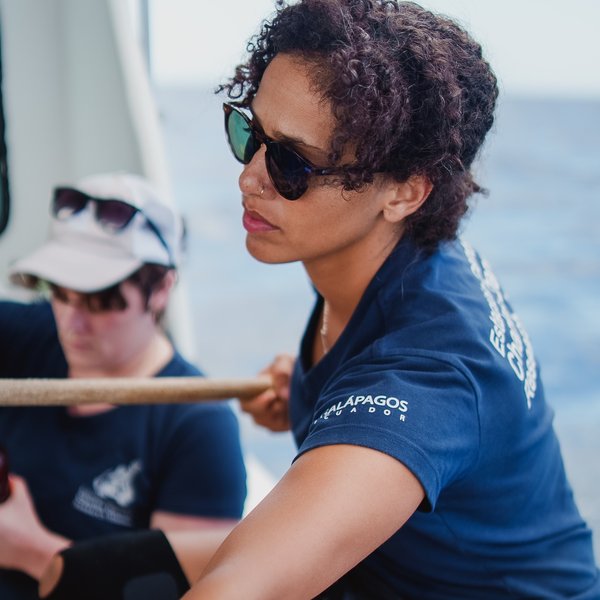
Come work for the Charles Darwin Foundation in Galapagos! Explore our current vacancies and find your place in protecting this extraordinary archipelago.
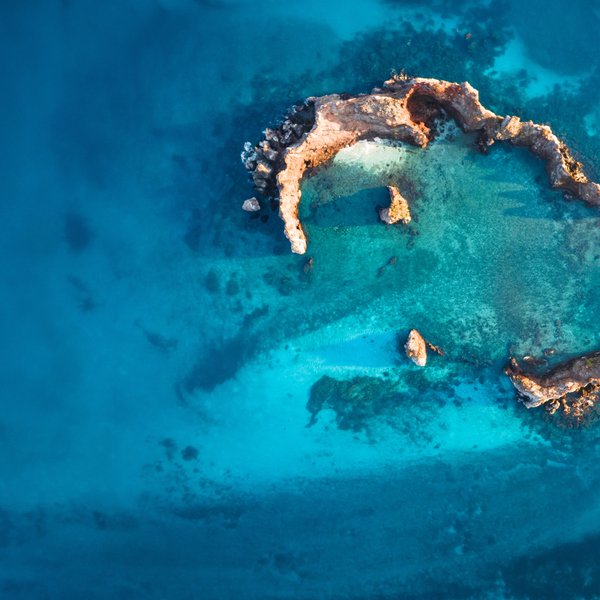
From the Galapagos, the Charles Darwin Foundation issues a science-driven manifesto to UNOC 3 delegates, pressing for robust global policies that conserve marine biodiversity, stop IUU fishing, enforce sustainable tourism, and spark regenerative blue economies that secure ocean health and human prosperity.

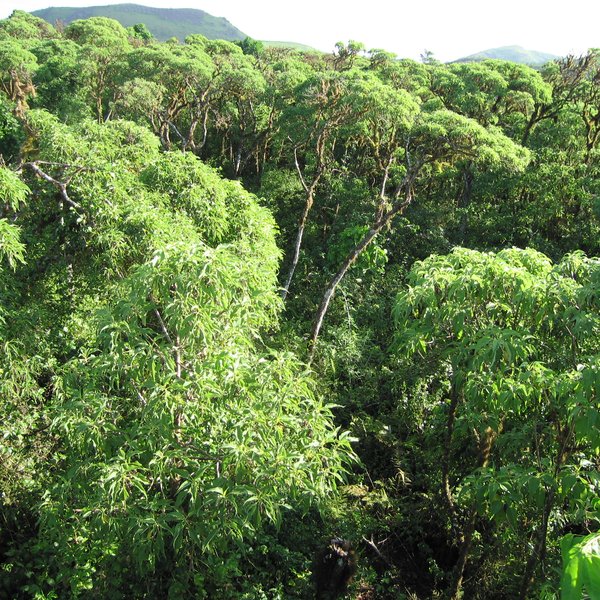
Study reveals urgent need for large scale invasive species management to prevent extinction of endemic forest in the Galapagos Islands