Results
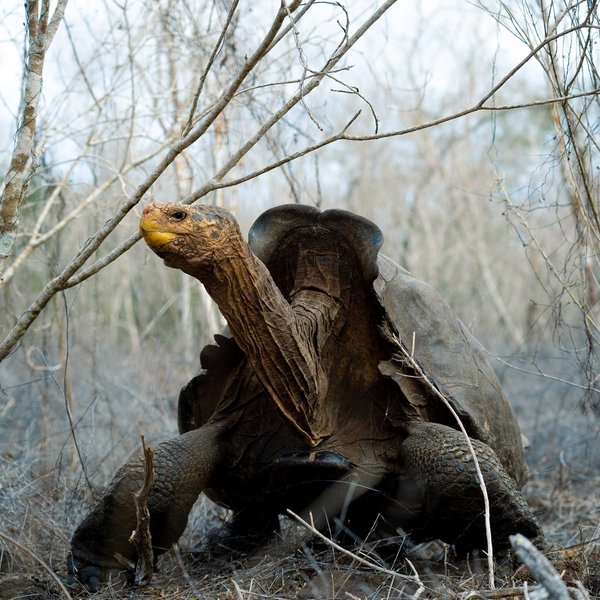
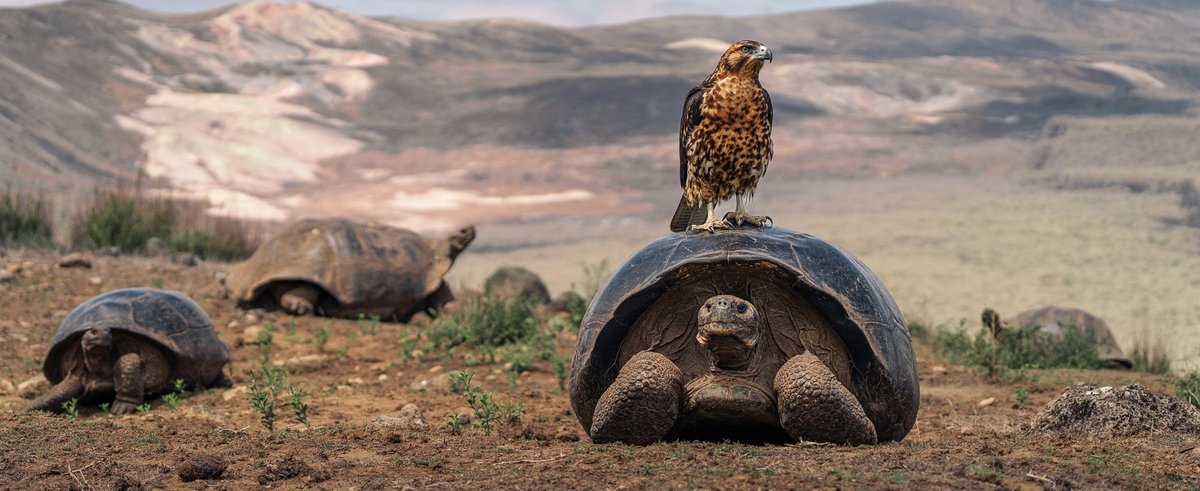
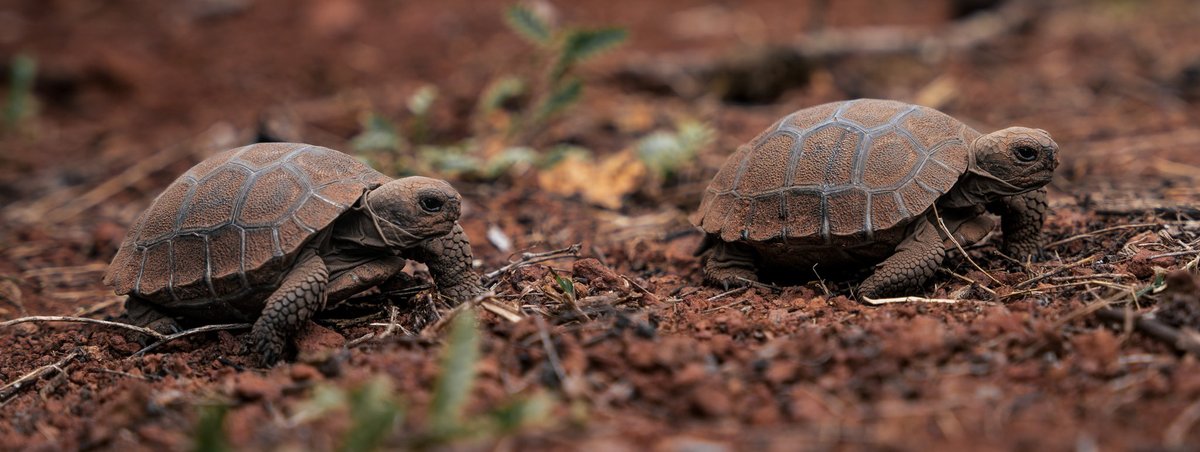
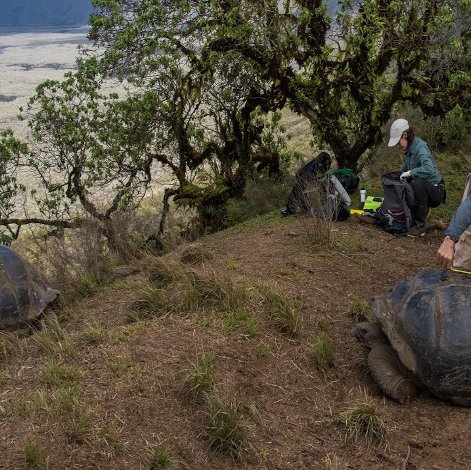
Giant tortoises are emblems of Galapagos. They are critical ecosystem engineers and they are also important for the local economy. Yet all 12 species of Galapagos Giant Tortoises are of conservation concern. Our work focuses on conserving these gentle giants through research and education.
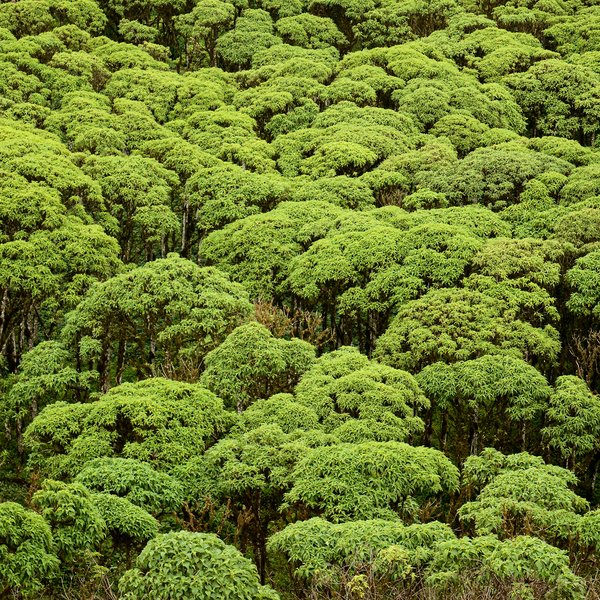
The Scalesia forest on Santa Cruz Island hosts 150 endemic insect species, representing 21% of those recorded in Galápagos within six studied groups. The research highlights their ecological importance and warns about threats from habitat loss and invasive species, reinforcing the urgent need for restoration and long-term conservation efforts.
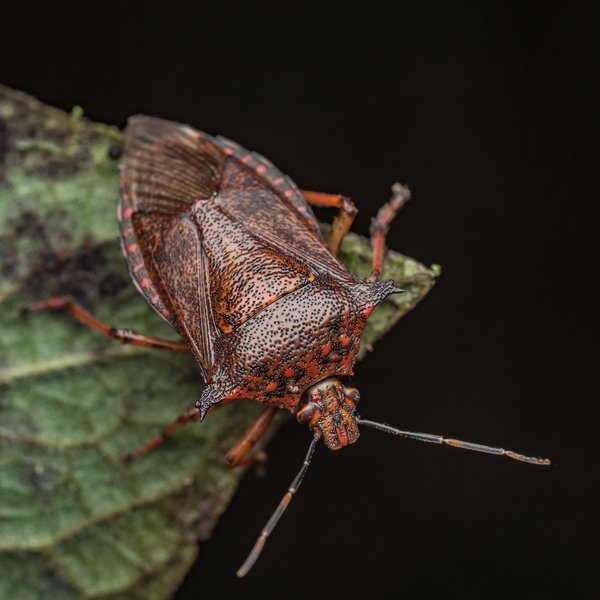
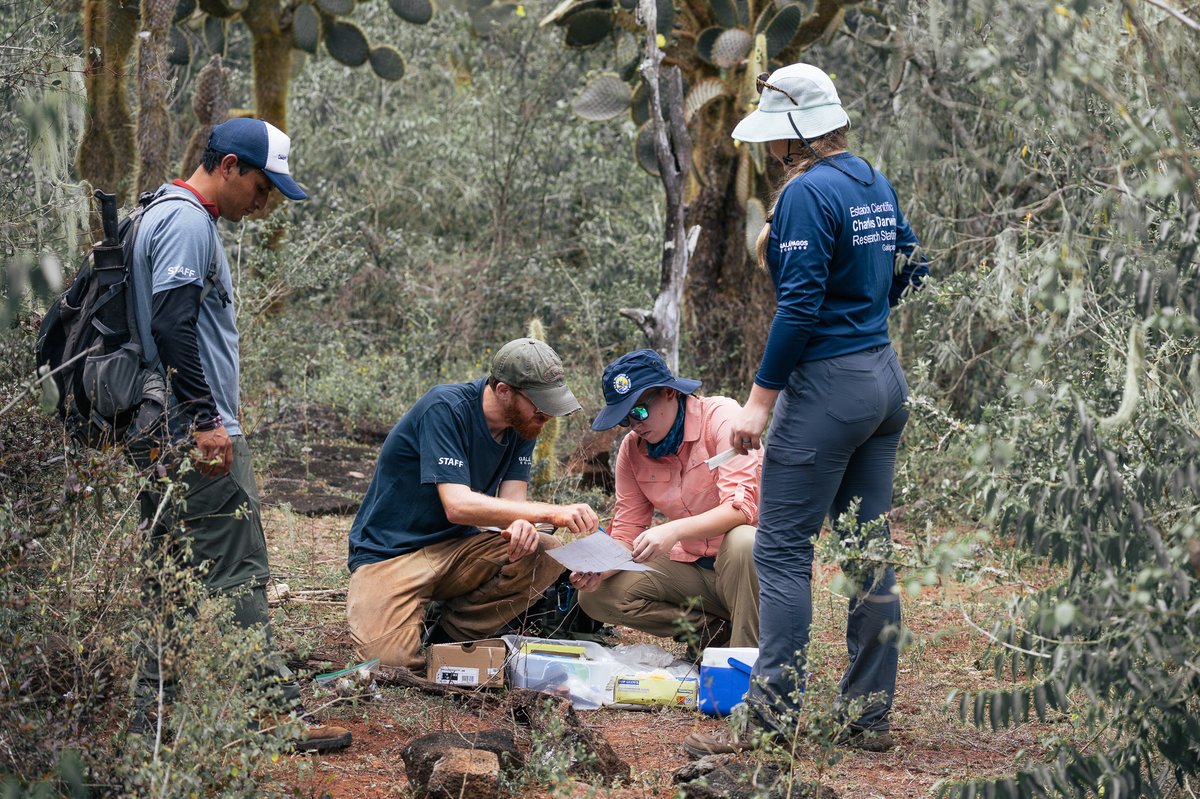
Ecological restoration requires a clear understanding of existing biodiversity. In 2022, the Charles Darwin Foundation (CDF) and the Galápagos National Park Directorate conducted the first baseline study of invertebrate communities on Floreana Island. Over 15,000 specimens were collected from both agricultural areas and National Park land.
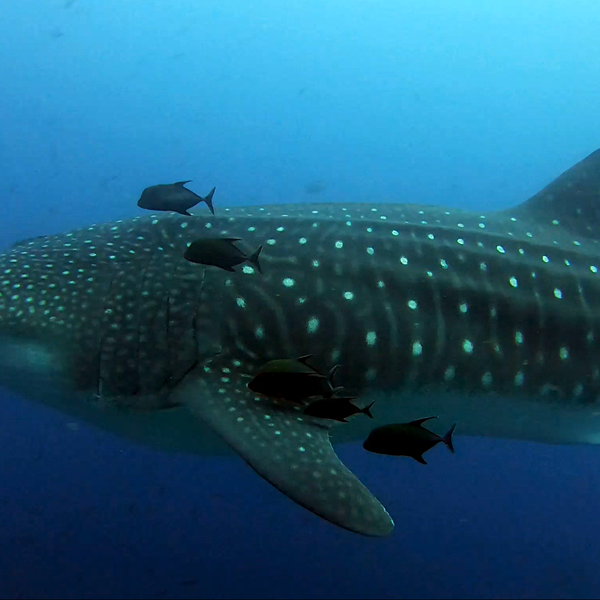
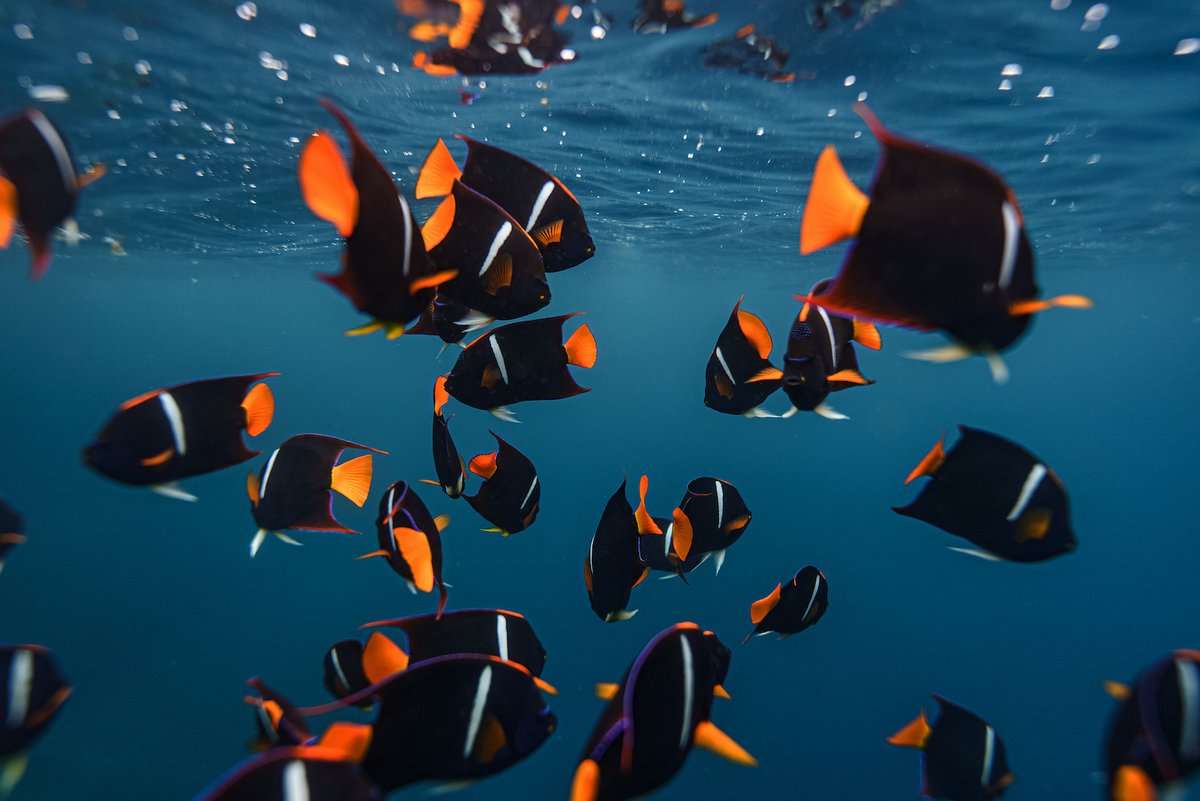
For the first time, international trade of a commercially important shark was banned, and protections expanded to 70+ shark & ray species.
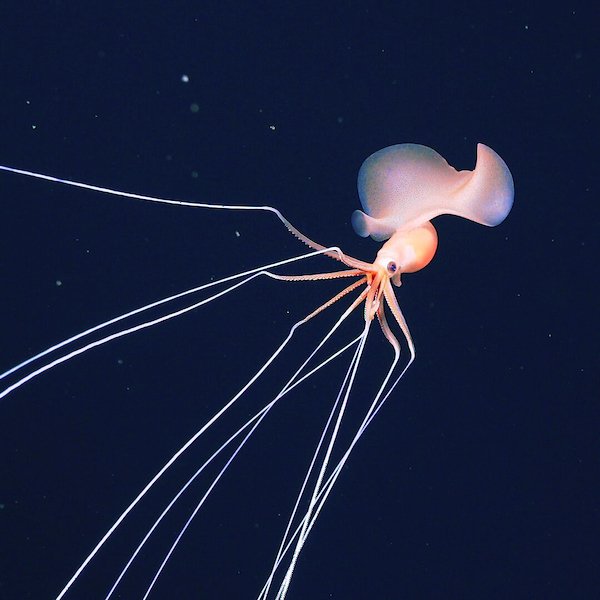
The Deep Ocean Alliance brings together institutions from Costa Rica, Panama, Colombia, and Ecuador to strengthen deep-ocean science and marine conservation in the Eastern Tropical Pacific. Through scientific expeditions, regional collaboration, and technological innovation, the Alliance is improving understanding of deep-sea biodiversity and supporting evidence-based protection of interconnected marine ecosystems.