Results
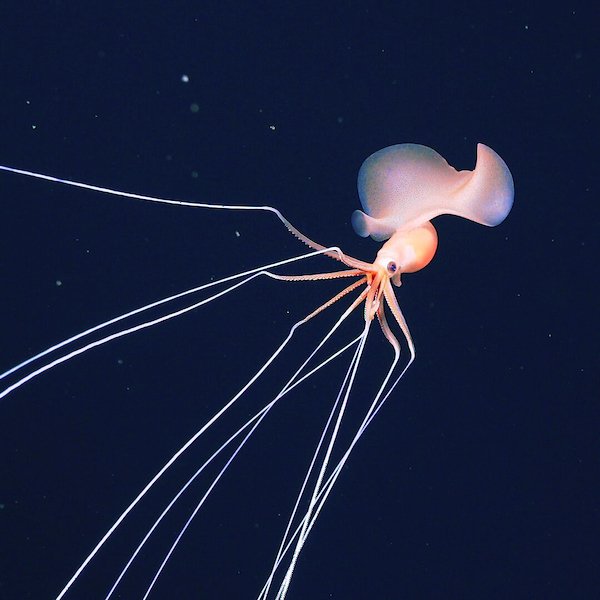
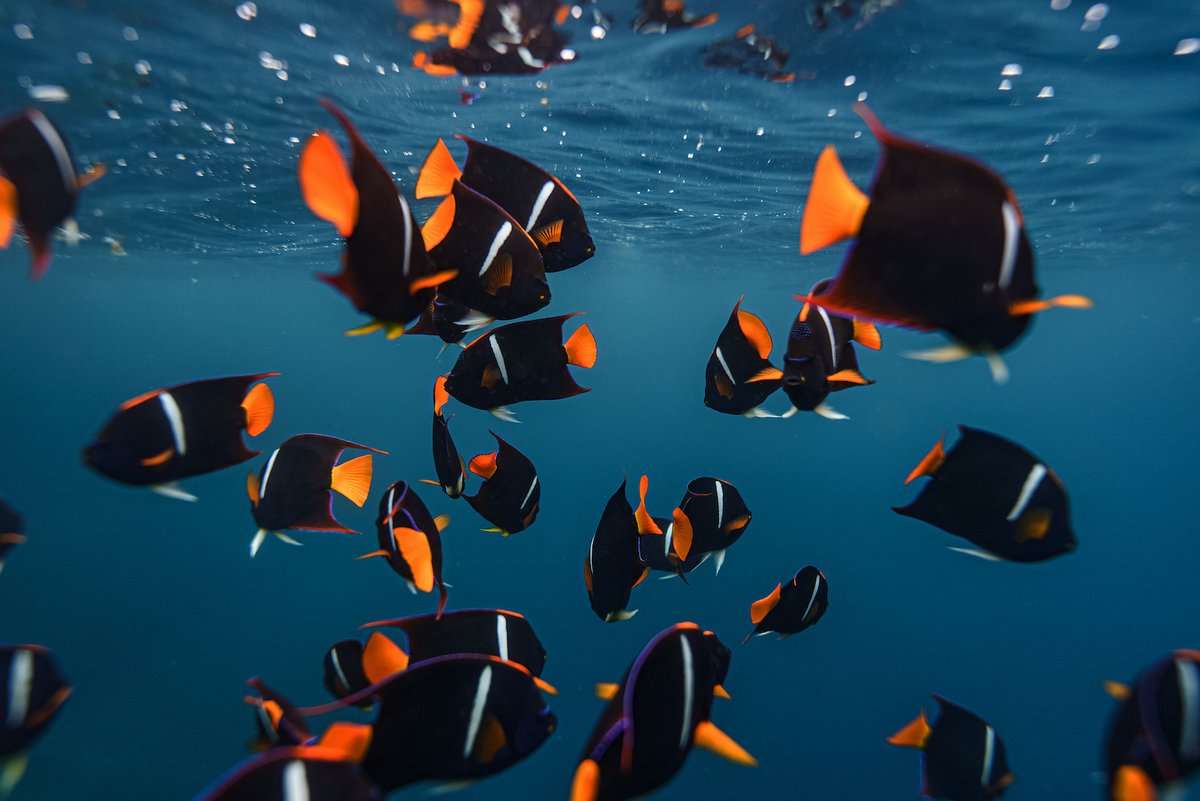
The Deep Ocean Alliance brings together institutions from Costa Rica, Panama, Colombia, and Ecuador to strengthen deep-ocean science and marine conservation in the Eastern Tropical Pacific. Through scientific expeditions, regional collaboration, and technological innovation, the Alliance is improving understanding of deep-sea biodiversity and supporting evidence-based protection of interconnected marine ecosystems.
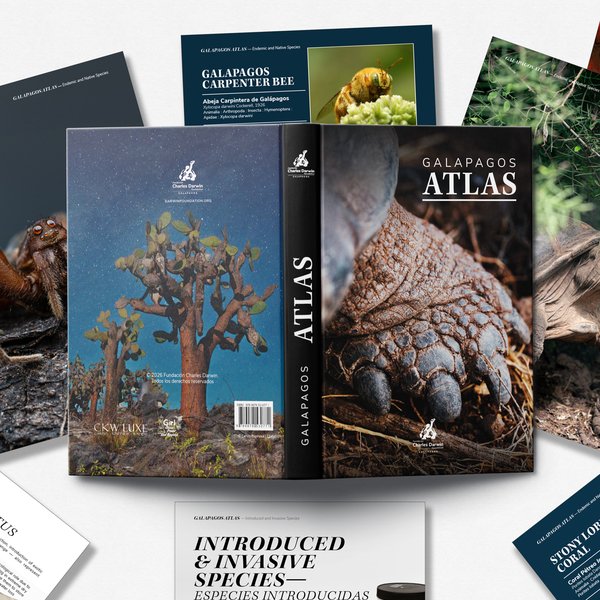
The Galapagos Atlas maps 69 endemic, native and invasive species across 309 pages — CDF's reference guide to Galapagos biodiversity.
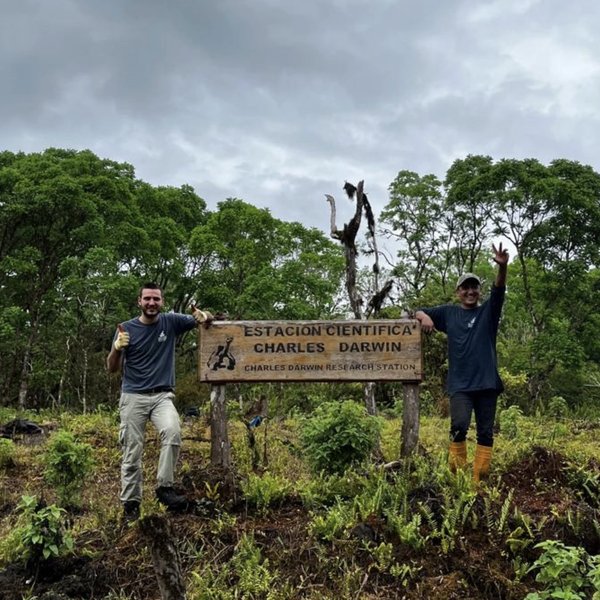
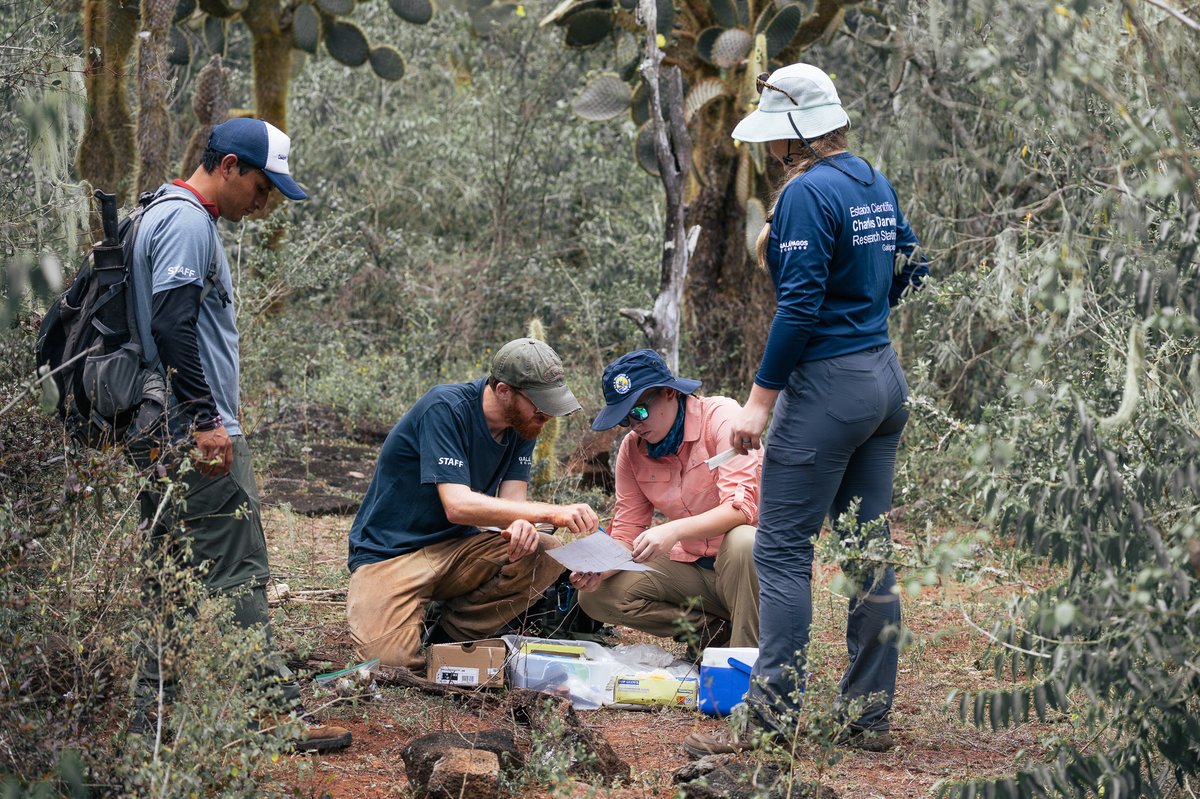
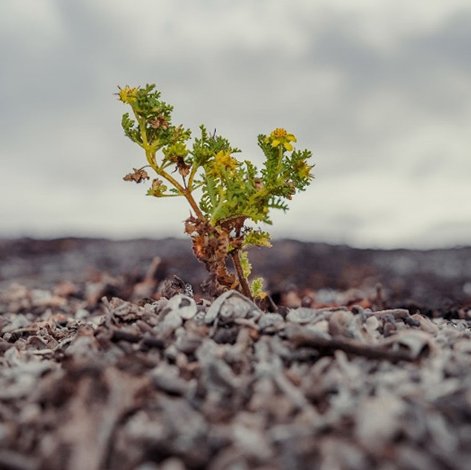
A volunteer’s journey helping restore the endangered Scalesia cordata forests of Isabela through science, fieldwork, and community collaboration.
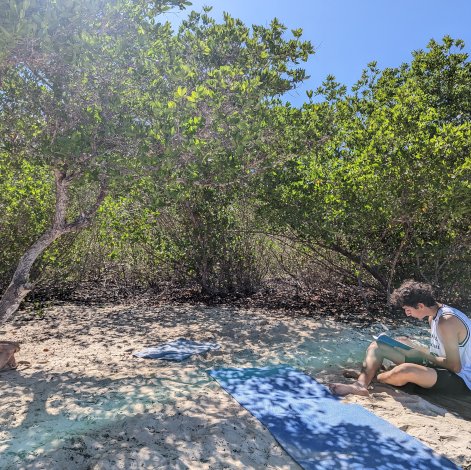
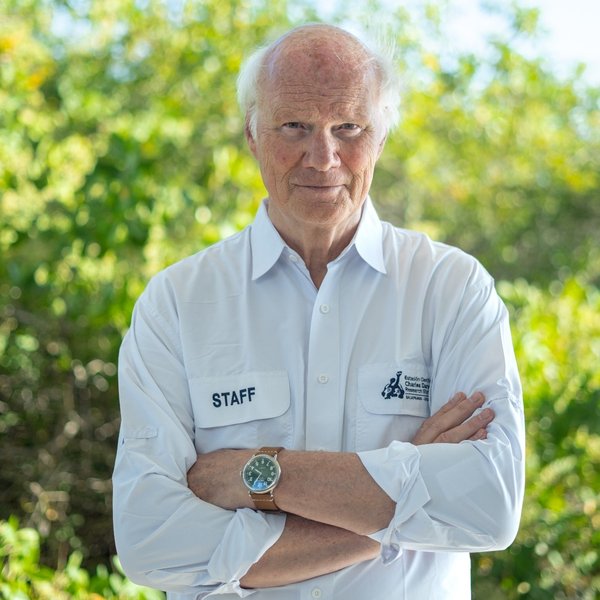
Phil van Haarlem was truly a force of nature. In celebration of his life, and to honour his time with us over the last 10 years, we have asked colleagues and friends to tell us their unique experience with Phil, whom we miss dearly.
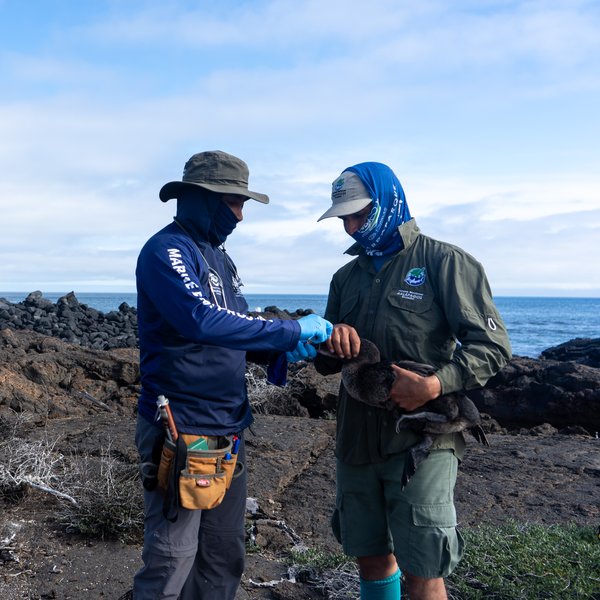
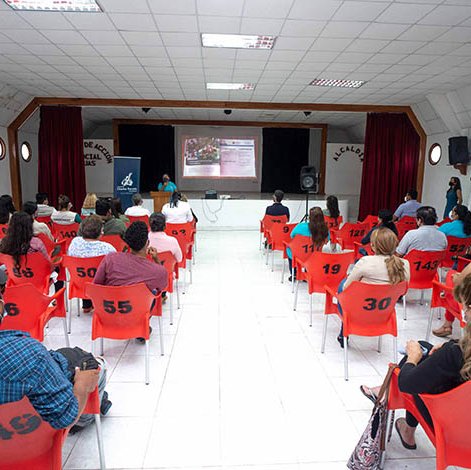
The Charles Darwin Foundation shared the main achievements of its 2025 work through a public accountability event. The initiative highlighted how scientific research supports Galapagos conservation, encouraged dialogue with the local community, and reaffirmed that transparency strengthens institutional trust, collaboration, and long-term commitment to protecting the archipelago.
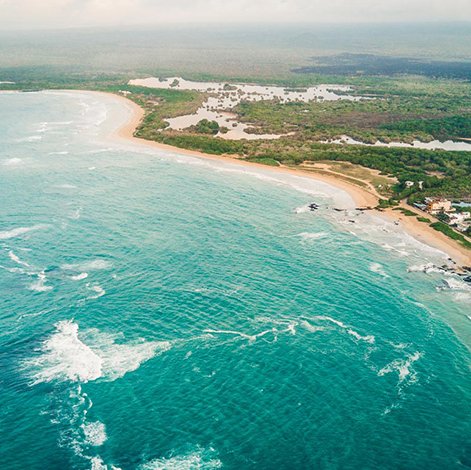
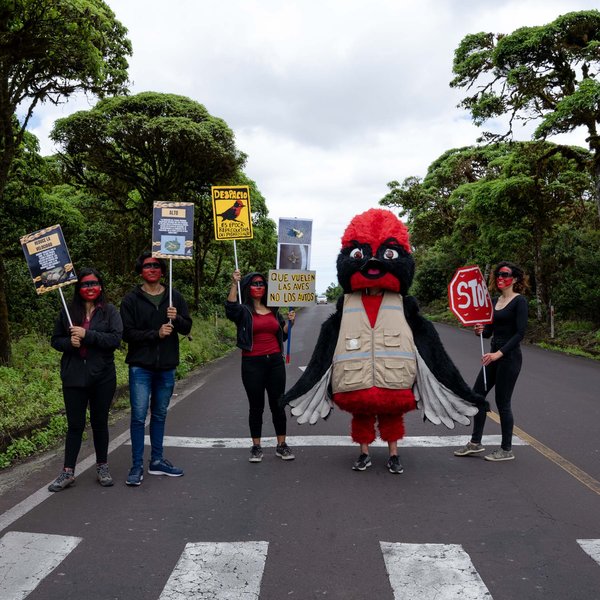
At the Charles Darwin Foundation, we believe that sustainable conservation depends on the involvement of the local community. Our goal is to inspire future generations of local conservation leaders, and embed conservation and sustainable development in the local culture.
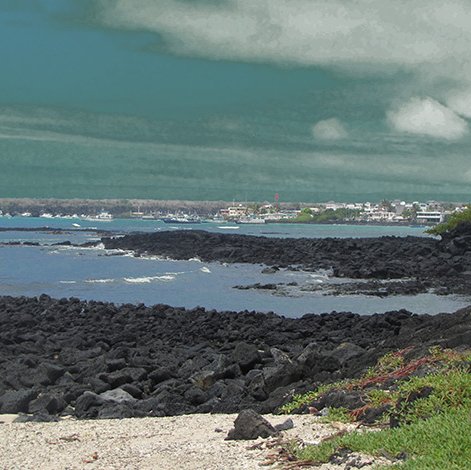
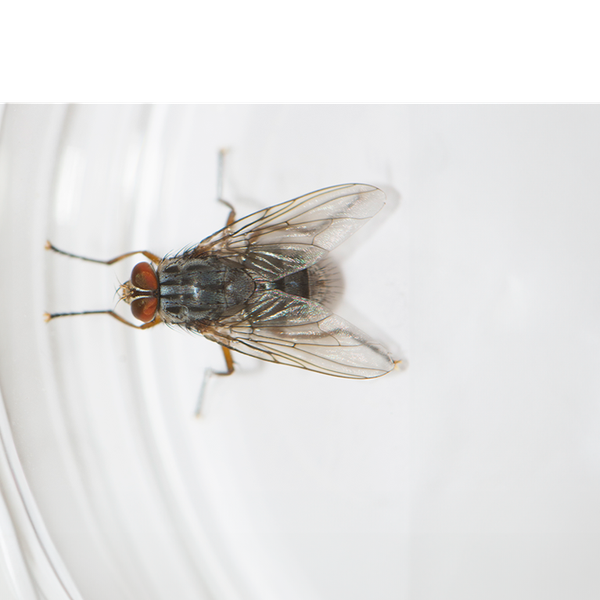
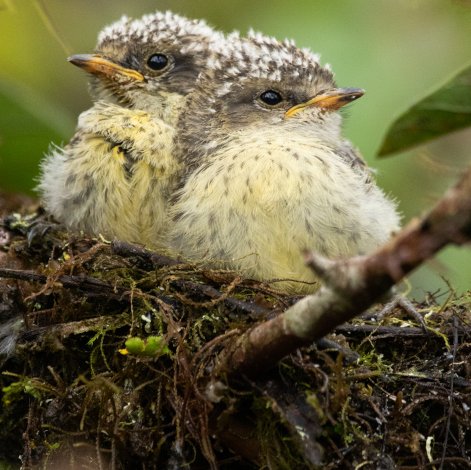
In a race against time, our scientists are working hard to find ways to control the avian vampire fly (Philornis downsi), an invasive parasitic fly that is affecting the survival of the unique small landbirds of the Galapagos Islands, including the iconic Darwin’s finches.
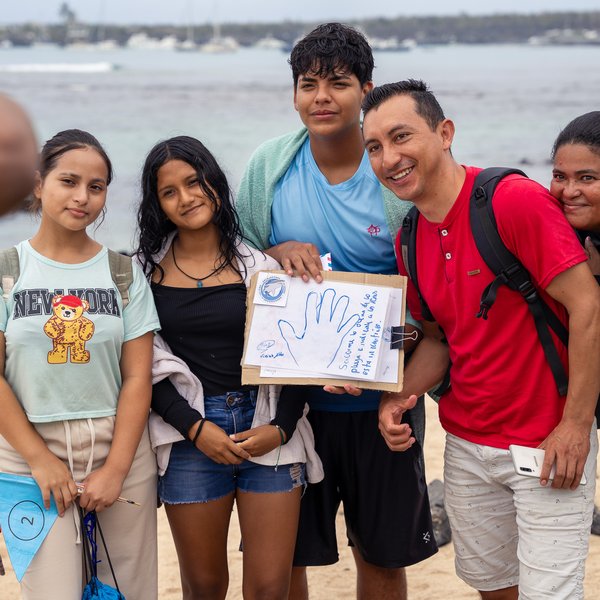
Have you ever thought about what you could do to help nature and people live in harmony? Environmental education offers a simple yet powerful answer. It acts as a bridge that connects learning with action, inspiring us to care for our planet through small steps that, when combined, lead to significant change.
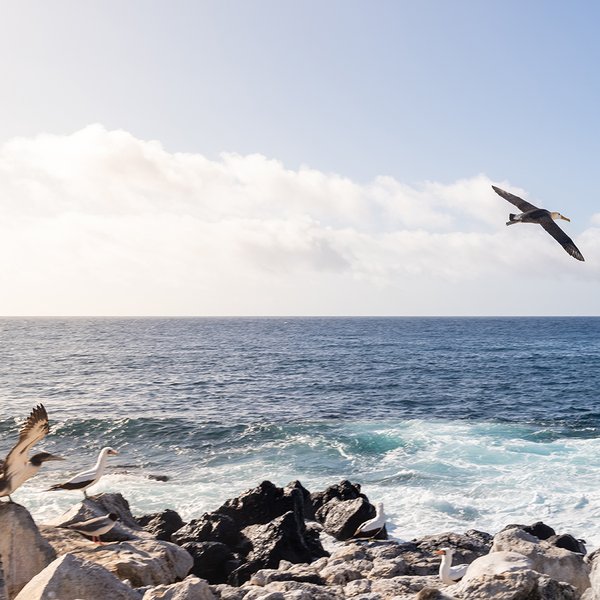
Possibly best known for its remoteness, giant tortoises and links with Charles Darwin, the Galápagos Islands—600 miles off the Ecuadorian coast—are also home with the magnificent Waved Albatross (Phoebastria irrorate), a huge bird that nests there and raises its young during nine months of the year. The largest bird in the Islands, it is the only albatross that lives in the tropics.