Results
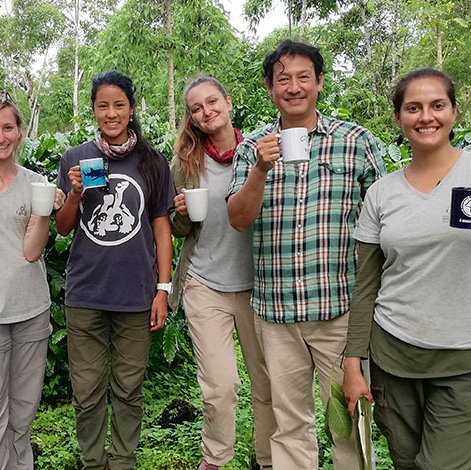

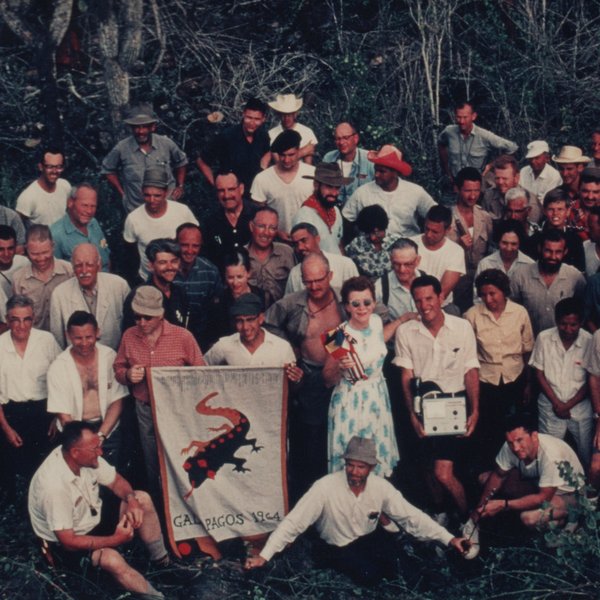
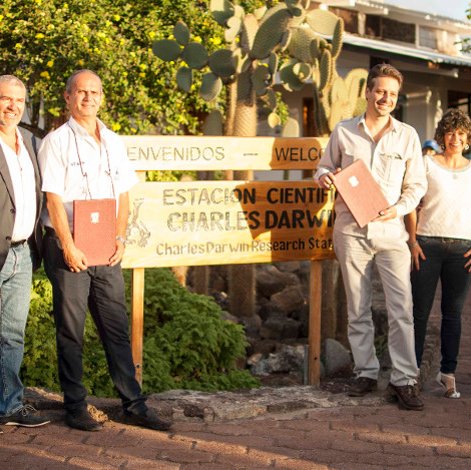
In 2024, the Charles Darwin Foundation (CDF) commemorated 65 years of continuous work in favor of scientific research and conservation of the Galapagos Islands. This anniversary not only marks an outstanding trajectory, but also invites reflection on the role that new generations and authorities must assume to strengthen the protection of this unique natural heritage.
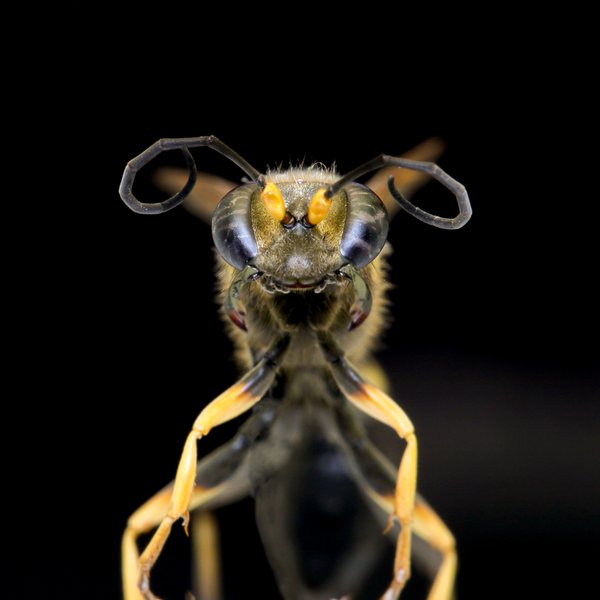
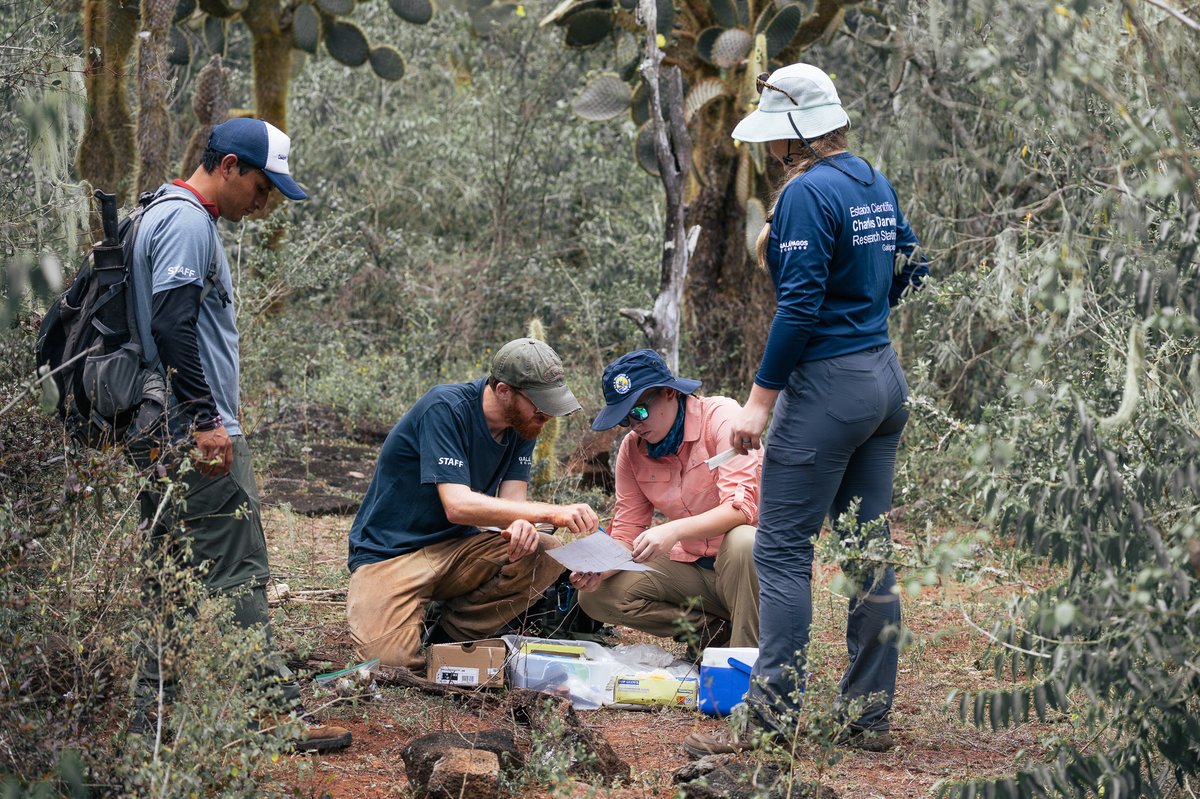
Research in the Scalesia forest on Santa Cruz Island revealed more than 200 taxa of parasitoid wasps, compared with only 30 species previously reported for Galapagos. These tiny insects play essential ecological roles and highlight how much remains unknown about the archipelago’s biodiversity and fragile ecosystems in the Pacific Ocean.
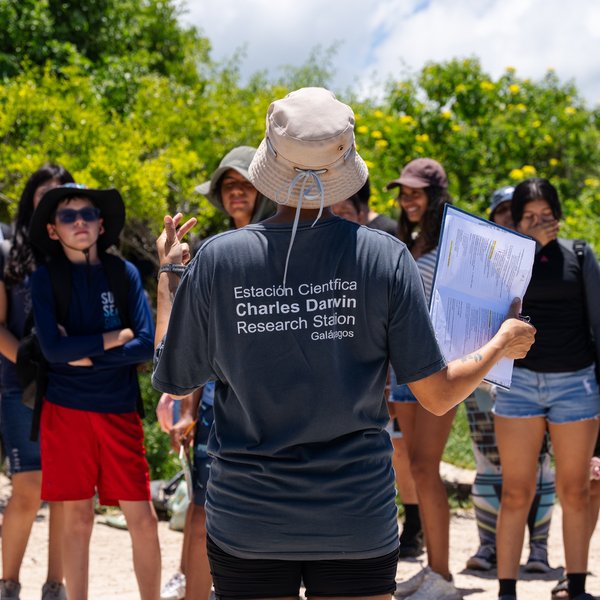
In 1966, a course at the Charles Darwin Research Station marked the beginning of environmental education in Galápagos. Teachers learned to use the natural environment as a teaching tool, linking conservation and community. This experience laid the foundation for context-based education that remains essential to protect the islands’ unique ecosystems.
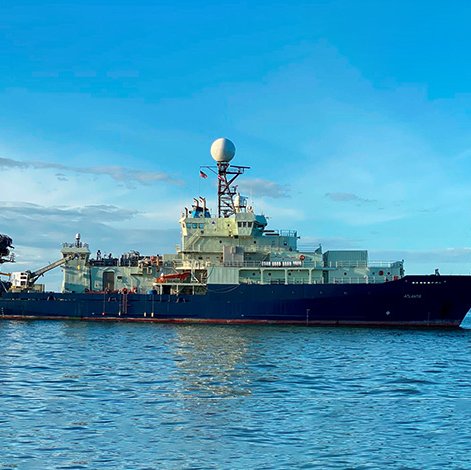
Join us on a historic deep-sea expedition inside the Galápagos Marine Reserve onboard the Atlantis & the research submarine Alvin: March 28 - April 22, 2023
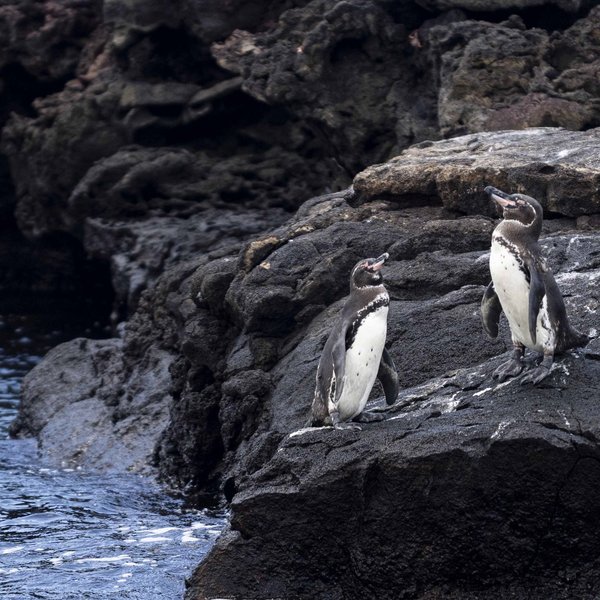
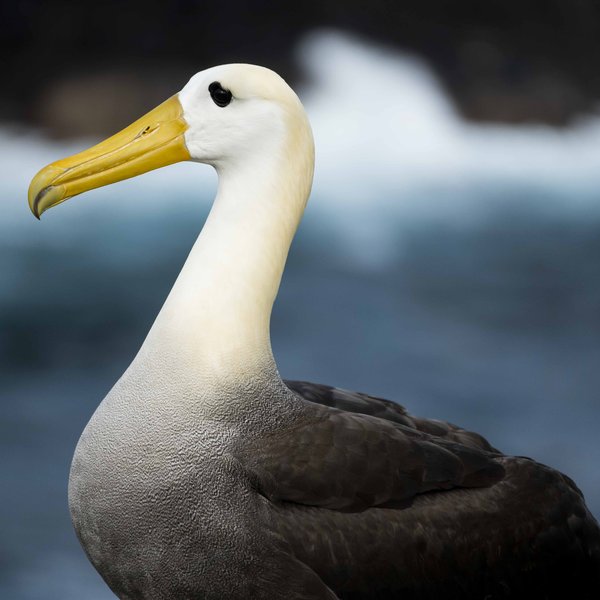
Galapagos penguins, flightless cormorants, waved albatross, and flamingos are among the most iconic birds in Galapagos. Yet, these sentinel species are all classified as threatened on the International Union for Conservation of Nature’s Red List, and face continued risk of population decline.